Tags
Ancient Roma, Apicius, Cetara, Colatura di alici, De re Coquinaria, Garum, Gastronomic history, Moretum, Paolo Magnanimi, Traditional recipes, Via Appia Antica
 What do you do when a planned daytrip from Roma is cancelled because of pouring rain? Go and have a meal like the ancient Romans! My friend and I went to Via Appia Antica-the Ancient Appian Way, a road from Roma to Brindisi. Close to the Catacombs of Domitilla, and almost right below the cylindrical Tomba di Cecilia Metella is Hostaria Antica Roma. Here, at his family’s ristorante, Paolo Magnanimi, an amateur gastronomic archeologist, has researched and is reviving 2,000 year old ancient Roman recipes. We enjoyed a delicious meal, enriched by explanation and commentary from Paolo. It was an educational culinary journey into the past.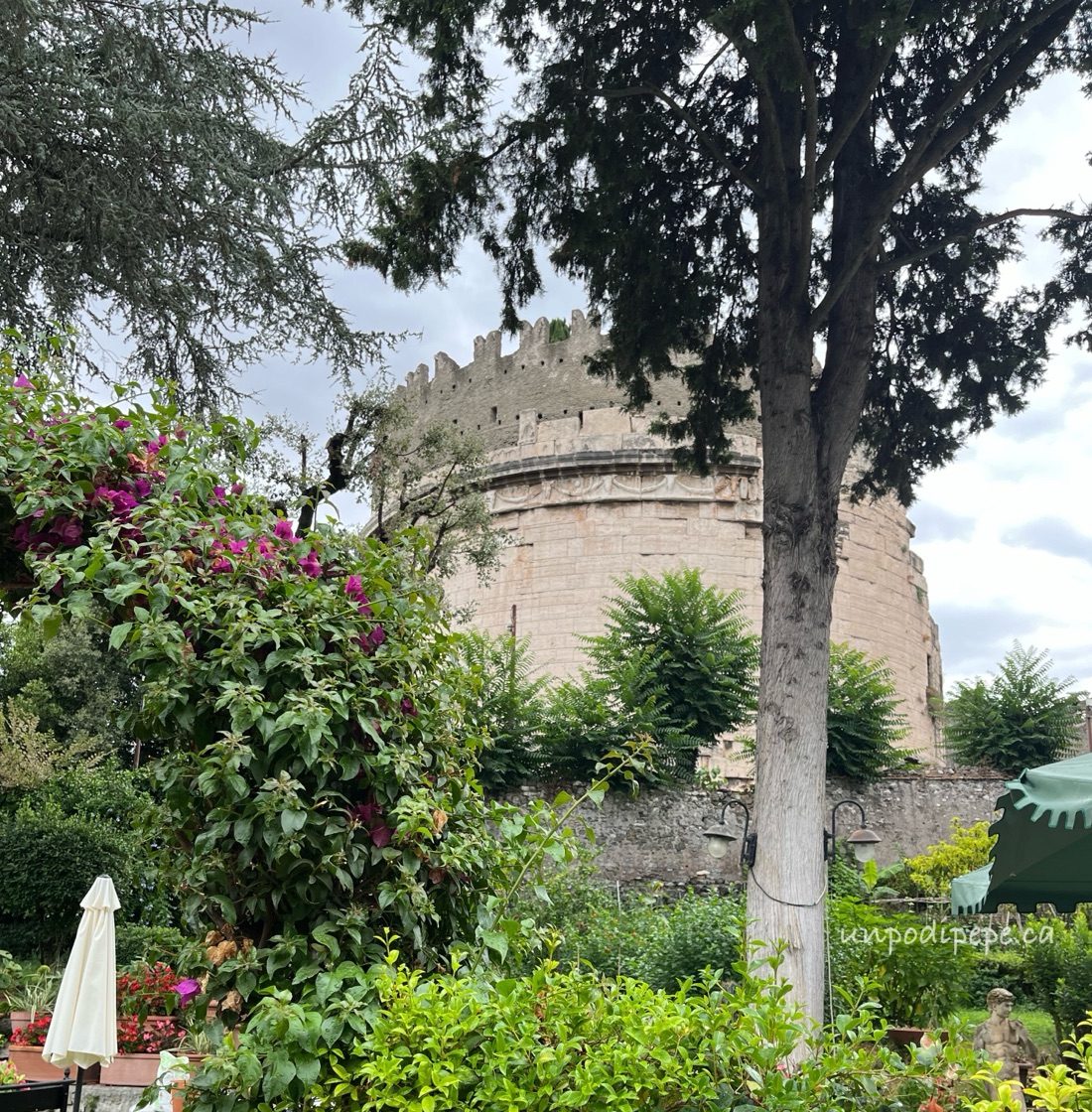
The restaurant serves traditional ‘modern’ Roman cuisine, but also a tasting menu called ‘A Tavola con Apicio’ (At the table with Apicius) closely based on the recipes in the 1st Century AD ‘De Re Coquinaria’ /On the subject of Cooking’, the only surviving cookbook from Ancient Roma. It is thought to have been compiled by Apicio -Marcus Gavius Apicius, a wealthy epicure/food lover. He was described by Pliny the Elder as ‘the most gluttonous gorger of all spendthrifts’. Ouch! Just like Nonna’s, the ancient recipes only include ingredients, not quantities, proportions or instructions. Paolo recreates the dishes using -as much as possible-only ingredients available at the time. Ingredients inclucing sugar, chocolate, basil and tomato were not available in the 1stCentury.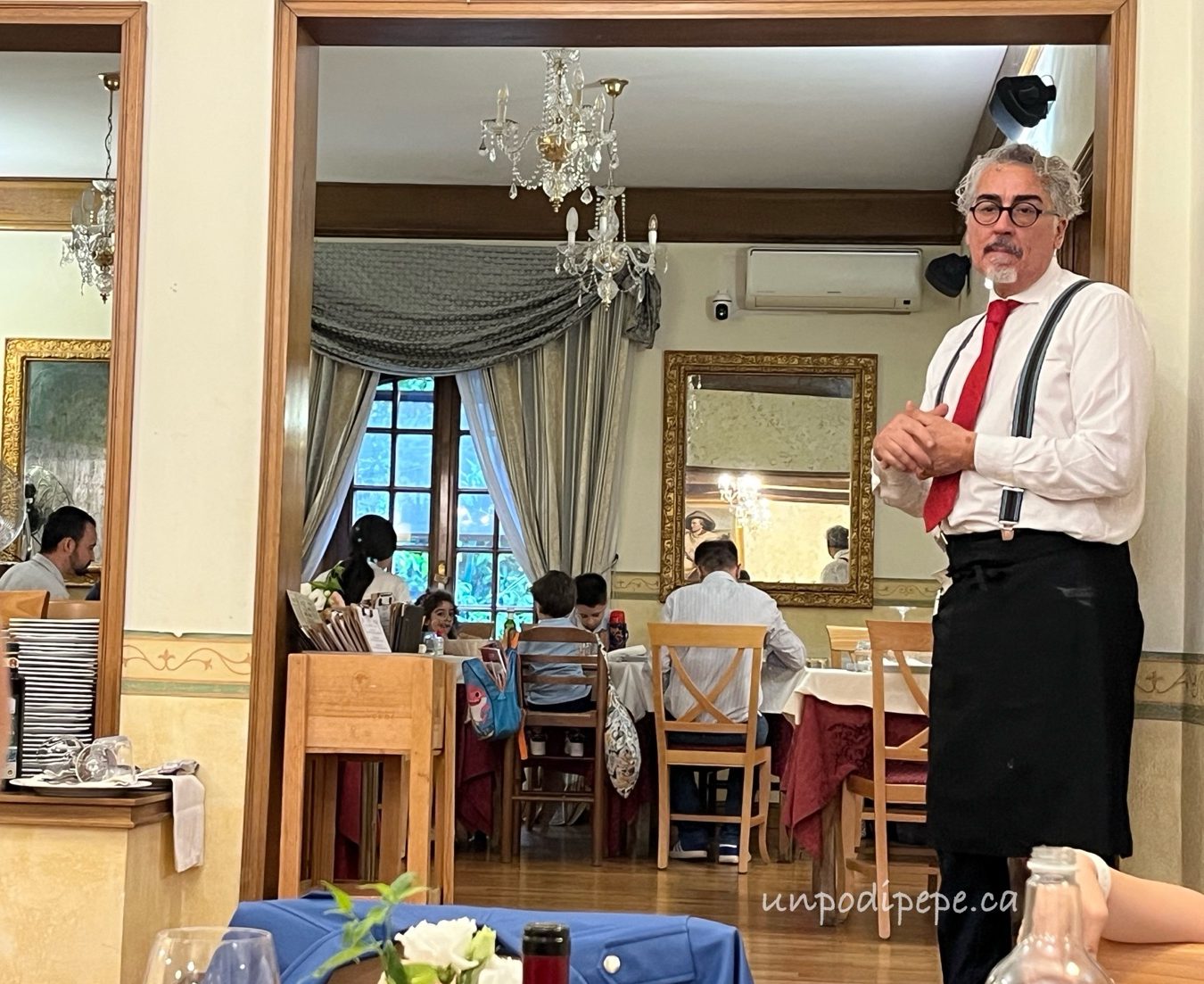
We started off with ‘Gustum’ an antipasto platter consisting of a selection of everyday ancient snacks made with local products. I believe this menu item usually needs to be ordered in advance. Fortunately for us, a table had reserved for 6 people, but only 5 were there, so we were able to take the extra one! Clockwise from the top of the photo:
Libum di Catone a bread described by Cato as a sacred symbol of devotion. It was made with wheat flour, sheep milk ricotta, eggs and honey, and baked on a layer of bay laurel leaves. Now I know what I will do with my extra bay leaves!
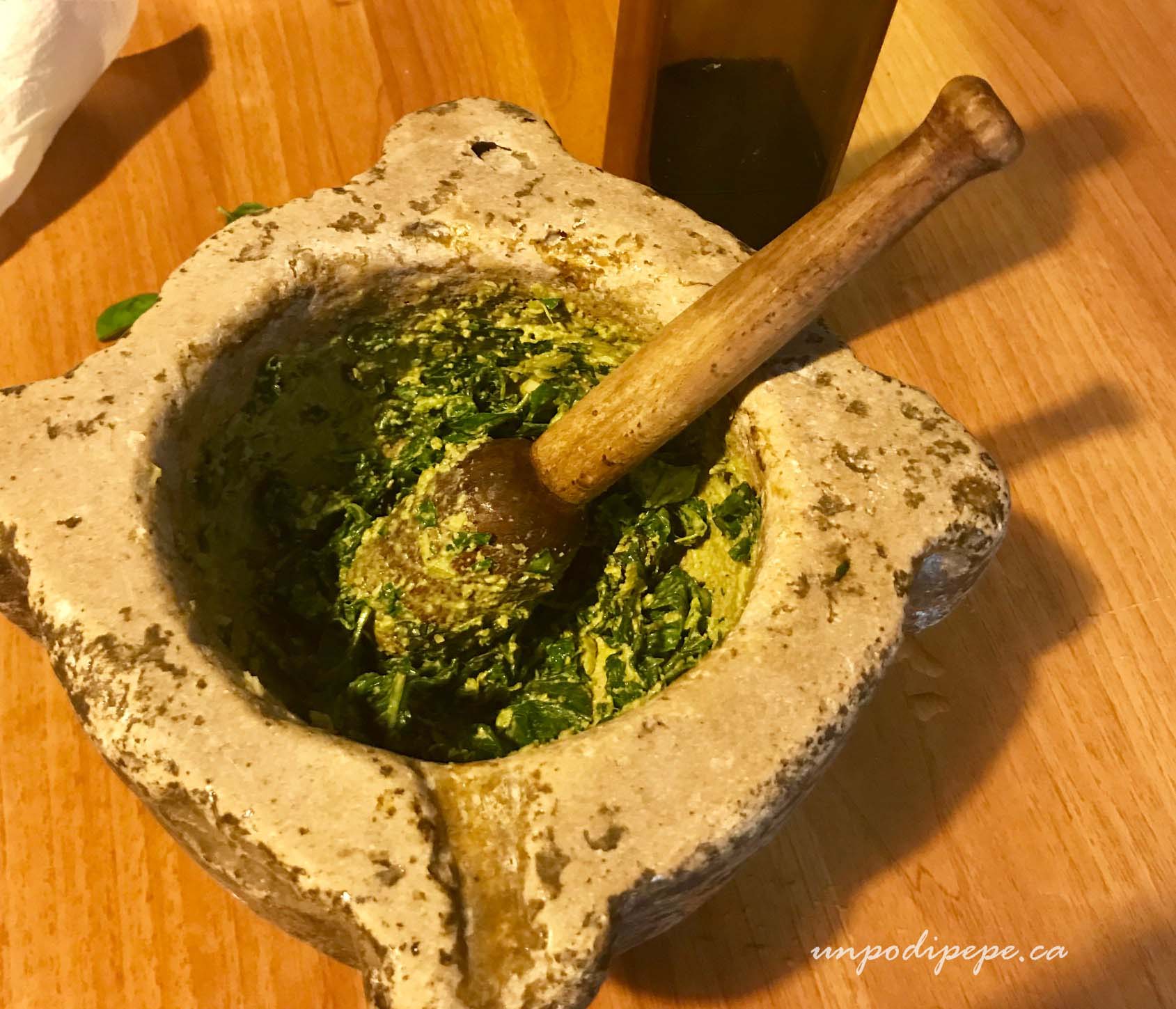
Moretum was described by the poet Virgil as an everyday dish of the ancient Romans. This is the ancestor of Pesto, but named after the mortar instead of the pestle. Moretum is made with pecorino-fresh sheep milk cheese, garlic, herbs such as coriander and celery seed, salt, nuts and olive oil. It can be eaten on its own or spread onto libum. Paolo grinds together his ingredients with the mortar and pestle, just as described by Virgil.
Prosciutto cotto (ham) with honey and fresh pecorino
Epityrium a spread, similar to a tapenade, of olives and herbs, including cumin, fennel, coriander and sometimes mint. It was served on bread
For our primo or first course, we had the ancestor of modern lasagne, Patina Cotidiana, which is Latin for ‘daily dish’. The pasta sheets are called laganum. If any of you believe Marco Polo brought pasta to Italy from China in the 13th Century, that is ‘leggenda metropolitana’, an urban myth. Boiled laganum are layered with ground beef, fennel and pecorino. It is ‘in bianco’, meaning no tomato, since the tomato did not arrive in Europe until the 1500’s, and was not even an edible product at that time. Click on Il Pomodoro for the history of the modern tomato.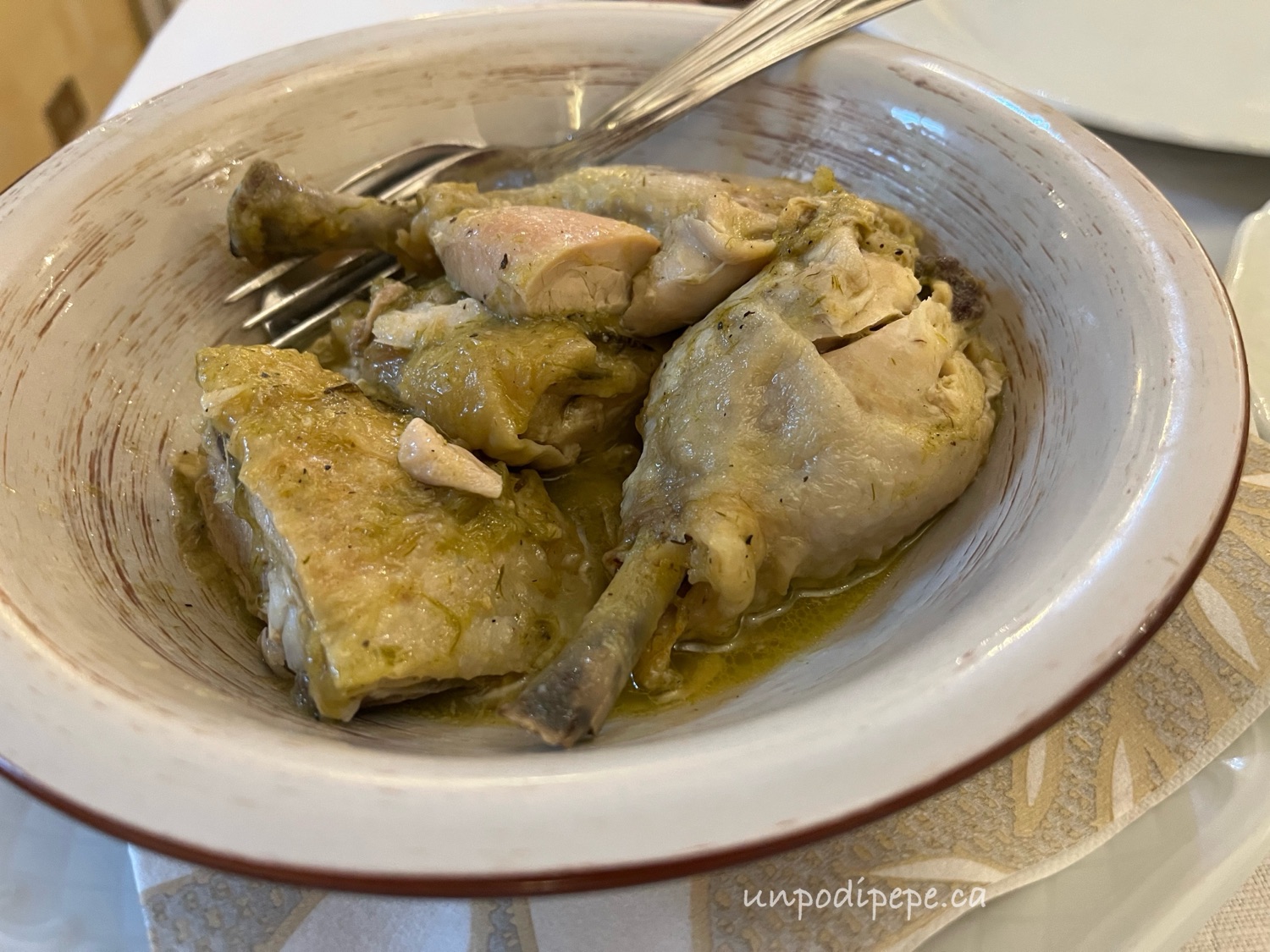
Our secondo or second course was Pollum Oxizomum, chicken cooked with pieces of leek, olive oil, vinegar and garum. Garum was a fermented fish sauce that was a staple condiment in the ancient Roman kitchen. 75% of the recipes in De re Coquinaria include garum! At the archeological site of Ostia Antica, one of the market stalls with fish mosaics likely sold the intensely flavoured Garum! Today, colatura di alici di Cetara is the best substitute for garum. Colatura di alici means anchovy drippings and this can be considered the ‘Italian version’ of an Asian fish sauce.
In the small Amalfi Coast fishing village of Cetara, they have been making colatura di alici the same way for centuries. Anchovy fillets and sea salt are layered in small chestnut wood barrels called terzigni with a heavy weight on top. The anchovies are left to ferment for a long time-up to 3 years! This process produces a clear amber liquid with an intense flavour that floats to the top. A hole is made in the bottom of the barrel to collect the colatura after it passes through the layers of anchovies. Online, a 50 ml bottle is about $25 (USD). Surprisingly, our pollo did not taste fishy or overly salty. It was delicious!
Finally, for dessert /dolce we had Tiropatina a predecessor of custard or crème caramel. It was made with whole milk, eggs and honey, with a drizzle of honey and a sprinkling of freshly ground black pepper on top. The ancient Romans believed pepper to be an aphrodisiac.
A few other items on the ancient menu that we did not try include: Pulsa con copadia, rustic polenta with an aromatic beef stew, Isicia Omentata, pork polpette (meatballs) in grape sauce and La Cassata di Oplontis, a dessert made with almond flour, sheep milk ricotta, honey, dried and candied fruit.
I absolutely recommend a visit to Hostaria Antica Roma, especially if you are fascinated by the history of ancient Roma and gastronomic history. The fact that everything was delicious does not hurt either! The week after our visit in July, Paolo was being interviewed by the BBC.
De Re Coquinaria 2021 edition, translated by Terra Nectare corrects previously incorrect translations
Hostaria Antica Roma, Via Appia Antica 176Open Tuesday-Saturday 12:30-1500 and 19:30-22:30, Sun 12-3, Monday closed.
Grazie to to my amica Anna for joining me. Buon appetito!



 Un po' di pepe