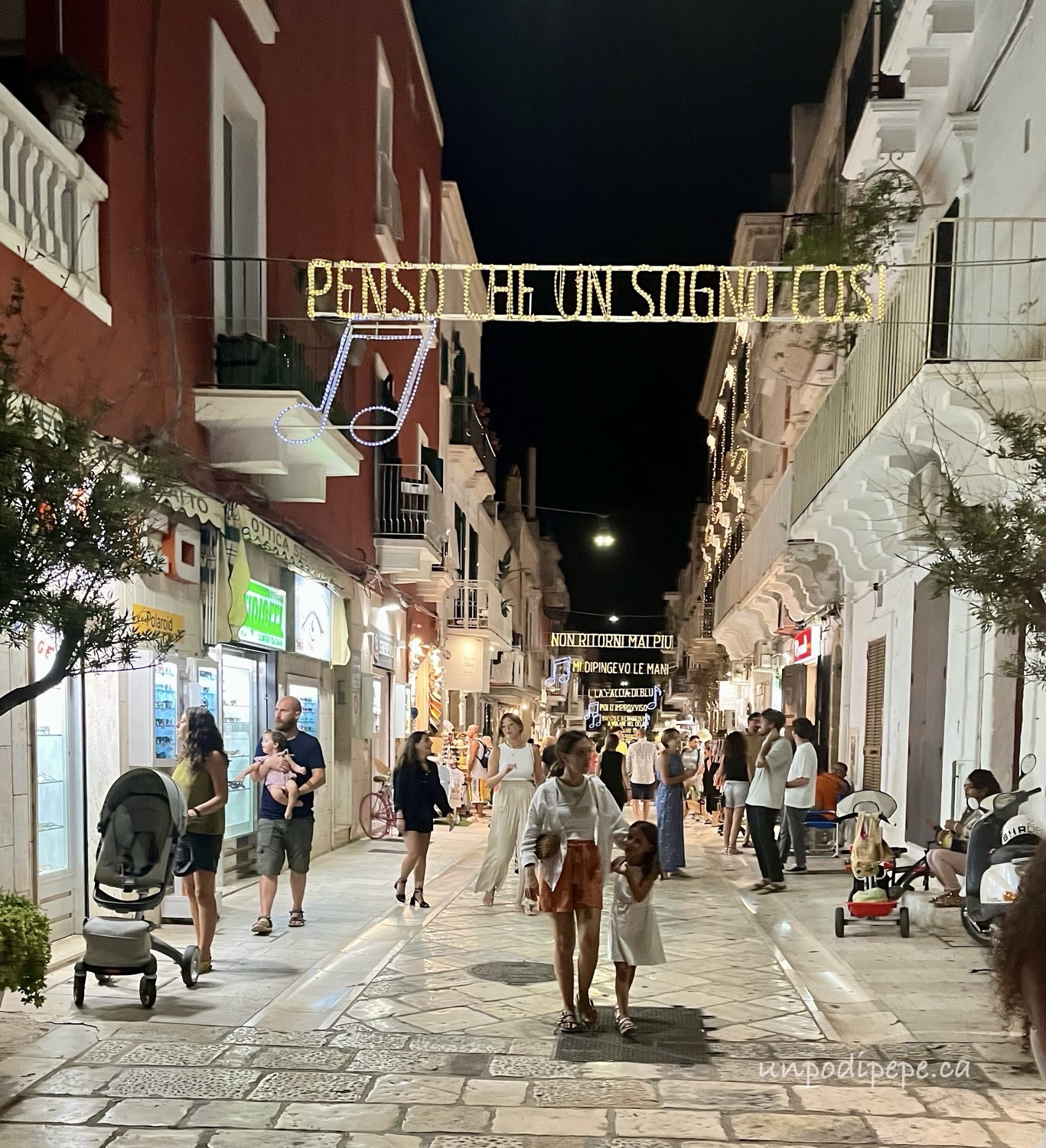
Sanremo 2026

Tags

, , , , ,

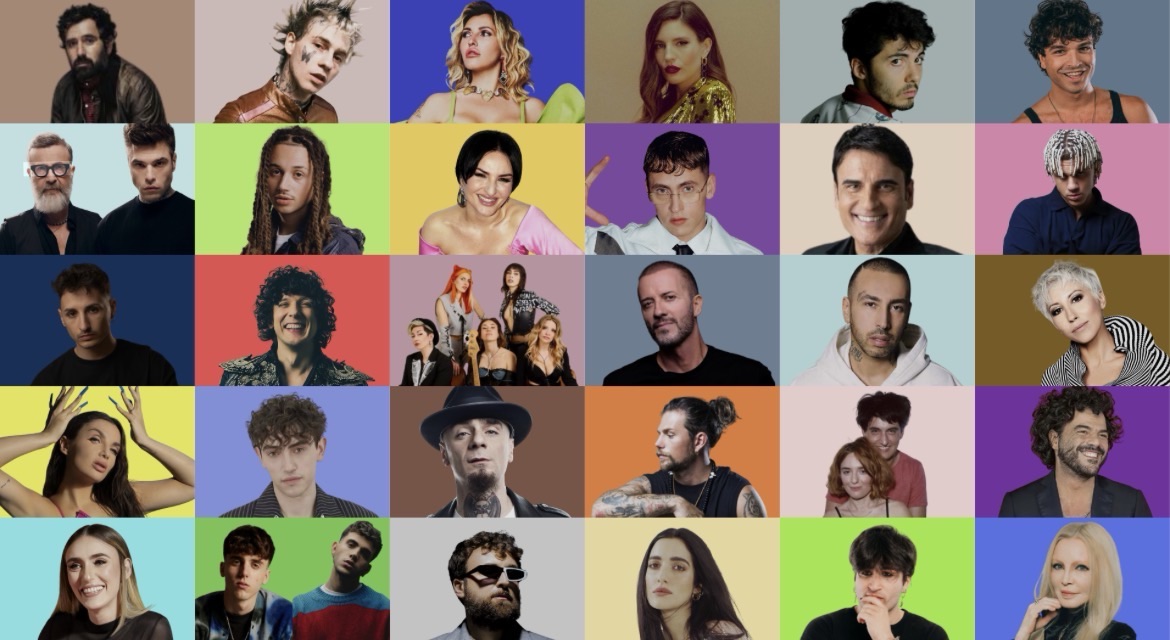
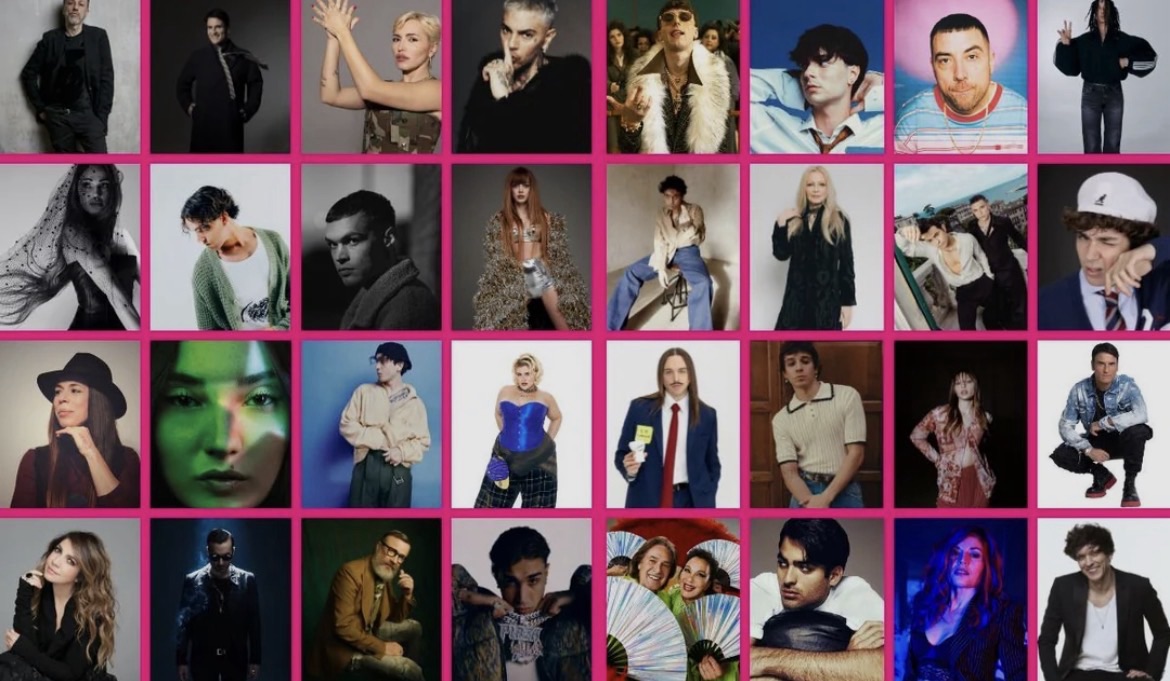
The 76th edition of the Festa della Canzone Italiana di Sanremo is February 24-28, 2026, broadcast live on RAI.  It is usually the first week of February, but this year has been delayed due to the Winter Olympics in Milano/Cortina d’Ampezzo. Once again this year, I have put together a handy viewing guide to the annual 5 day song competition held in the town of Sanremo, Liguria. The Festival di Sanremo is the world’s longest running national televised music competition.

In 1950. Piero Bussetti of the Sanremo Casino and Giulio Razzi, conductor of the RAI orchestra launched a competition for previously unreleased songs to boost the local economy.  The first edition was broadcast live on RAI radio in January 1951 with 3 artists performing the 20 songs.  Since 1955 it is broadcast live on television.

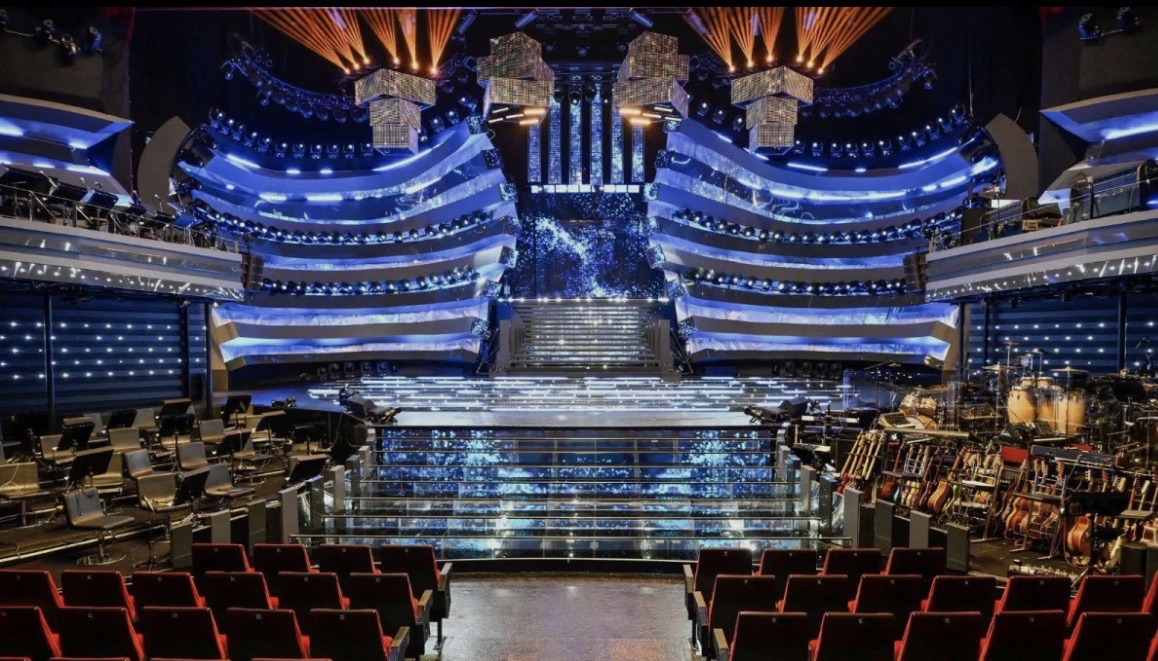
From 1951-1977 the festival was held at the Sanremo Casino.  Since 1977 it has been at the iconic Teatro Ariston. The Festival is a massive media event in Italia and has launched many careers, including Domenico Modugno, Zucchero, Mina, Andrea Bocelli, Il Volo, Giorgia, Laura Pausini, Eros Ramazzotti, Mahmood and most recently Måneskin and Angelina Mango. I love to watch Sanremo every year with Mamma!

The winner will have the first option to represent Italia at the 69th annual Eurovision Song Contest in Vienna, Austria May 12-16, 2026.  Eurovision is huge in Europe with 39 countries participating, but hardly known at all in North America!  2021 Sanremo winners, Måneskin won Eurovision with their brilliant song ‘Zitti e Buoni’.  As the reigning country, Italia hosted Eurovision 2022 in Torino.

The 76th edition of the Festival di Sanremo  February 24-28, 2026 will be broadcast live on RAI (RAI International for the rest of us) and on the RAIplay App, hosted by Carlo Conti and Laura Pausini. 4 time Sanremo participant Achille Lauro will be an additional cohost Feb 25th.  Hopefully he will perform as well!  Former winners and guest artists will perform, including Andrea Bocelli on the final night, Feb 28th, and Eros Ramazzotti with Alicia Keys on Feb 27th.  They will perform a duet of his beautiful song L’Aurora in Italian and Spanish.

The Sanremo prize goes to the winning song, although in most cases the performers were involved in the songwriting.  This year, there are 30 contestants (‘BIG’ Artists), plus the top 4 winners from ‘Sanremo Giovani’, the age 16-29 junior contest.  Judging is complex and contestants perform with the full RAI orchestra-complete with maestro.

A summary of what happens each night:

Night #1 February 24th.  All 30 contestants perform their entry, with no eliminations.  Voting is 100% by press jury-(accredited journalists from press comprising of print, TV and web).

Night #2 and #3 February 25th and 26th. 15 of the contestants perform each night and there are no eliminations.  Voting is 50% televote and 50% radio jury.

Night #4 February 27th is ‘Duetto night’ or Covers night.  Each artist performs a cover song or medley of their choice as a duet with an Italian or international artist as a guest, or another competitor.  Voting is 34% televote, 33% press jury and 33% radio jury. A winner will be announced.  Unlike previous years though, the night’s results will NOT be added to the overall score, which is why performing with another competitor is now permitted.

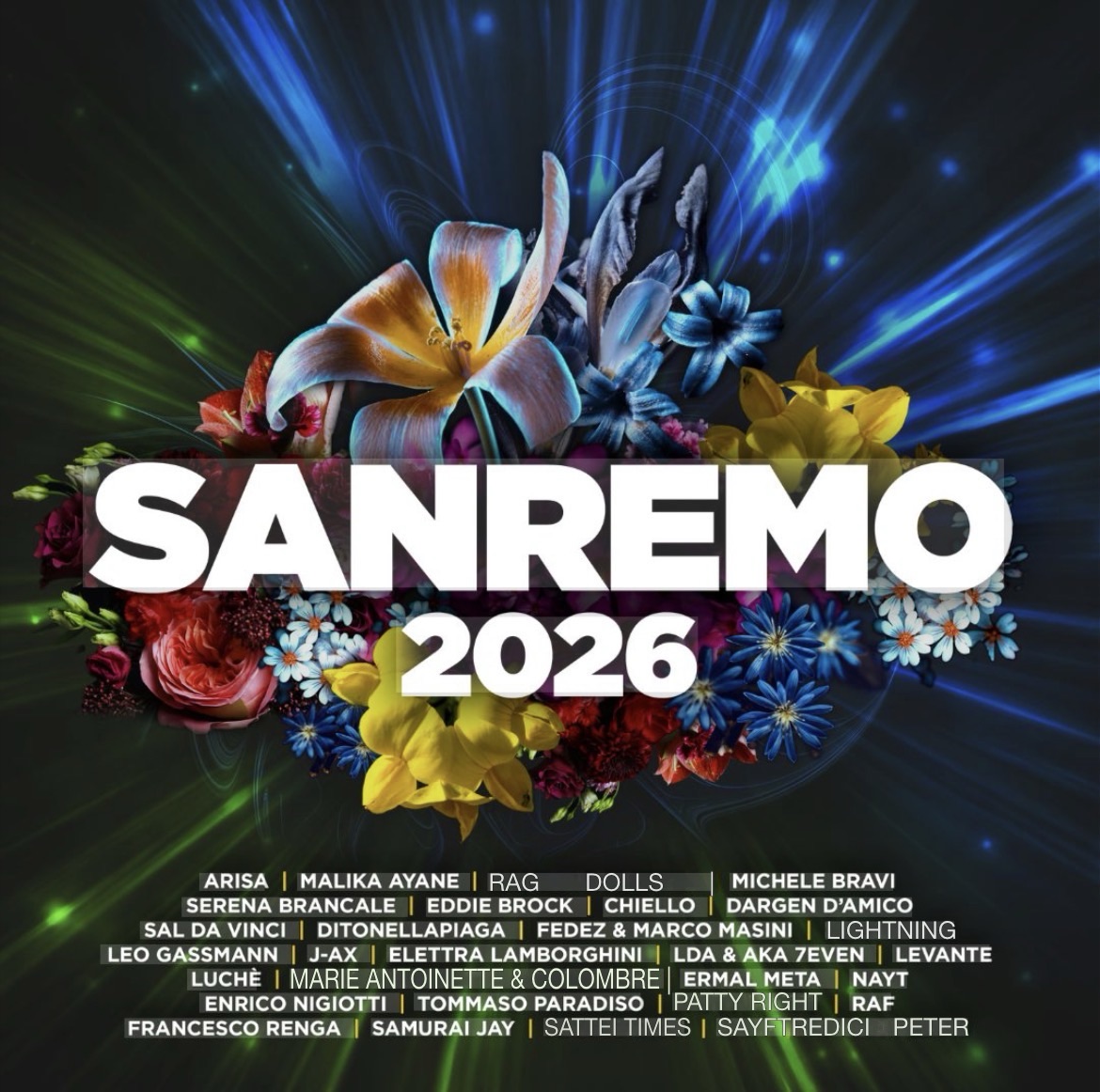
Final night #5 February 28th.  There are 2 rounds the final night.  In round 1, all 30 acts perform and voting is 100% televote.  The top 5 artists of the combination ranking are announced and advanced to the superfinal. For round 2, voting is reset, the top 5 perform again, and there is a new, final vote. The winner is decided by juries and  televoting.The lineup of concorrenti /contestants includes 5 former Sanremo winners, 2 who have represented Italia at Eurovision, many former contestants, and some first timers.  Below is a list of all 30 ‘BIG’ Artists, the song titles and a few other details to help you watch and enjoy the festival:

  • Arisa –‘Magica Favola’. This is Arisa’s 7th time as a contestant in the Festival di Sanremo. In 2009 she won the Giovani/newcomers category and the Mia Martini prize*** with ‘Sincerità’.  In 2012 ‘La Notte‘ came in 2nd place, in 2014 she won with the song ‘Controvento‘ and cohosted Sanremo in 2015. Arisa won Ballando con le Stelle (Dancing with the Stars) in 2021 with dancer Vito Coppola, was a judge or coach for X factor, The Voice Kids and Amici*. In 2025 she won the Nastro d’Azzurro for best original song for the movie ‘Il ragazzo dai pantaloni rosa‘.
  • Bambole di Pezze ‘Resta con me‘. An all female rock band formed in Milano in 2002 that has released 4 studio albums. In addition to making music, they are also committed to feminist issues, and the fight against gender violence. The present lineup is Morgana Blue and Dani on guitar, Kaj on bass, Xina on drums and vocalist Cleo.  In 2023 they opened for Def Leppard and Motley Crüe and in 2024 played with the Sex Pistols and J-Ax.  They just signed a new record deal in December.
  • Chiello ‘Ti penso sempre’. Chiello, from Potenza, Basilicata released his first album in 2021.  He has collaborated with Mahmoud, Madame, Rkomi, Colapesce and Guè.  In 2025 he sang with Rose Villain on Covers night.  This is his first time as a Sanremo contestant.
  • Dargen D’Amico –‘Al Al’. Milanese rapper and producer Jacopo D’Amico wrote 2 songs for Sanremo 2021.  In 2024 ‘Dove si Balla‘ came in 9th place and went on to be platinum.  Dargen was a judge on XFactor Italia 2022 and 2023. This is his 3rd time competing at Sanremo.
  • Ditonellapiaga‘Che fastidio’. 2nd time at Sanremo.  She participated in 2022 with 80’s icon Donatella Rettore and the song ‘Chimica’. She has released 2 albums and collaborated with Ornella Vanoni, Elodie and Willy Peyote.
  • Eddie Brock‘Avvoltoi’.  This is Edoardo’s first Sanremo.  He is preparing for his first tour later in 2026.  For duetto/covers night, he will sing ‘Portami Via‘ with Fabrizio Mori.
  • Elettra Lamborghini-‘Voila’. I always recognize Elettra by the leopard spot tattoo on her shoulder and back!  This is her 2nd Sanremo, the first being in 2019.  She is a pop star, model, actress and tv presenter, singing in Spanish and English, as well as Italian.  For duetto night, she sings ‘Asereje’ with Las Ketchup!
  • Enrico Nigiotti-‘Ogni volta che non so volare’ This is Enrico’s 4th Festival Sanremo.  He was in the Giovani group in 2015, then a competitor in 2019 and 2020.  He has collaborated with Laura Pausini, Olly, Eros Ramazzotti e Gianna Nannini and recently completed the ‘Maledetti Innamorati’ intimate theatre tour.
  • Ermal Meta-‘Stella Stelline’.  This is Ermal’s 3rd time at Sanremo.  He released his first single in 2014. In 2017 his song ‘Vietato Morire‘ placed 3rd and won the Mia Martini Critics Prize***.  He was the 2018 winner with Fabrizio Moro, singing ‘Non mi Avete fatto niente’.  They represented Italia at Eurovision, placing 5th.
  • Fedez e Masini‘Male Necessario’. Rapper Fedez (Federico Lucia) is one of Italia’s most influential performers.  He and Francesca Michielin placed 2nd at Sanremo 2021 with ‘Chiamami per nome‘. His catchy hit ‘La Dolce Vita‘ with guests Tananai and Mara Sattei was the tormentone** of summer 2022 and went 6X platinum. In November 2024 he started ‘Pulp Podcast’.  This is Fedez’s 3rd time competing at Sanremo. Last year, his song ‘Battito‘ came in 4th place. Marco Masini’s ‘Disperato’ won the Giovani section, and the Mia Martini Critics Prize*** in 1990.  He was the Sanremo winner in 2004 with ‘Uomo Volante’. Last year Marco  performed ‘Bella Stronza‘ with Fedez on Duetto/Covers night.
  • Francesco Renga-‘Il Meglio di me’. Francesco is the 2005 Sanremo winner with ‘Angelo’ and this is his 10th time in the competition.  Last year he and Nek were guest performers and released an album together ‘Renganek’.  For Covers night, he duets with Giusy Ferreri.
  • Fulminacci‘Stupida sfortuna’. Fulminacci released his first album in 2019 and competed at Sanremo 2021.  This is his second time at Sanremo.
  • J-Ax-‘Italia Starter Pack’ The rapper-hip hop artist/songwriter/producer has done a lot in his 30 year career.  He was a judge on The Voice of Italy and Amici*, and started the label Newtopia with Fedez. 2023 was his first time as a Sanremo competitor, reuniting with DJ Jad as ‘Articolo 31’.
  • LDA & Aka7even -‘Poesie Clandestine’. 21 year old rapper Luca D’Alessio is an Amici* 2021 participant and son of Napoletano singer Gigi D’Alessio. He started doing covers on YouTube at age 13.  This is his second Sanremo competition. Luca Marzano (Aka7even) won Best Italian act at the MTV Europe Music Awards in 2021. He released his first album in May.
  • Leo Gassman ‘Naturale’. The son of Alessandro Gassman and grandson of Vittorio Gassman was a semi-finalist in the 2018 edition of X factor. in 2020 he won the ‘newcomers’ category of Sanremo Giovani with ‘Vai bene cosi‘.  This is his 3rd time as a regular contestant.
  • Levante -‘Sei tu’ Sicilian singer Claudia Lagona released her first album in 2014 and competed in Sanremo in 2019 with ‘Tikibombom’. She was an X Factor judge in 2017 and has collaborated with Max Gazzè, Negramaro, J-Ax and Fedez.  She has also published 3 romance novels.  This is her 3rd time at Sanremo.
  • Luchè -‘Labirinto.Luca Imprudente is a Napoletano singer who has released 3 albums.  His summer ‘Luchè Arena Tour’ sold out.  This is his first Festival Sanremo.
  • Malika Ayane –Animali Notturne’. This is Malika’s 5th time at Sanremo.  In 2009 she competed in Sanremo Giovani, in 2010 won the Mia Martini Critics Prize*** for ‘Ricomincio da Qui‘ and in 2014 placed 3rd and won the Mia Martini Prize again.  In 2024, she performed with The Kolors on Covers night.
  • Mara Sattei-‘Le Cose che non sai di me‘  Roman singer Sara Mattei was a previous contestant on Amici* and guest on X factor.  She became known for making YouTube videos with her brother Davide (known as thasup) starting in 2017 and released her first album in 2022.  Her catchy 6X platinum single with Fedez and Tananai ‘La Dolce Vita‘ was the tormentone** of summer 2022. At her first Sanremo competition, her song was written by Damiano David of Måneskin!!!  This is her 2nd time competing at Sanremo.
  • Maria Antonella e Colombre -‘La Felicità e bastaMaria Antonietta released her first album in 2012 and has opened for Lana del Rey and Paolo Nutini. In 2020 she was a guest of Levante for Covers night.  Colombre has produced music for many famous Italian musical acts.  Together they recently released the album ‘Luna di Miele’. This is their first time as Sanremo competitors.
  • Michele Bravi -‘Prima o poi’. Michele is the 2014 winner of X Factor Italia. This is his 3rd time at Sanremo. For covers night, he performs with Fiorella Mannoia.
  • Nayt -‘Prima che’ Nayt has released 5 Gold albums.  After his sold out spring tour, he played 2 stadiums, in Roma and Milano.  This is his first Festival Sanremo.
  • Patty Pravo -‘Opera’ Patty Pravo has been making music for 6 decades. She has sung in 9 languages and competed in 10 Sanremo Festivals. Her debut single was released in 1966, and in 1968 she released the classic ‘La Bambola‘.  At Sanremo, she has won the Mia Martini Critics Award***3 times. She also received the Globo d’oro (Italian Golden Globe Award) for best original song for ‘Com’è Bella far l’amore‘ from the movie of the same name.
  • Raf -‘Ora e per sempre’ Raf is from Margherita di Savoia, Puglia! He has released 14 studio albums in his 40 year music career.  In 1984, he had international success with his song ‘Self Control’, which was also released as a single by Laura Branigan. He has participated at Sanremo 4 times.  In addition, in 1987, along with Umberto Tozzi and Giancarlo Bigazzi, Raf cowrote the winning song ‘Si può dare di più‘, sung by the trio Gianni Morandi, Enrico Ruggeri and Umberto Tozzi. For duetto night, he is singing with The Kolors.
  • Sal Da Vinci-‘Per sempre si’ Sal is a singer, songwriter and actor, son of the Napoletano actor/singer Mario Da Vinci.  In 1994, at age 15, he was the protagonist in the cult film ‘Il Motorino‘.  In 1994 he won the Festival Italiano di Canale 5.  From 2002-2006, he was the lead in the musical ‘C’era una Volta…Scugnizzi‘.  In 2009, he placed 3rd at the Festival Sanremo with ‘Non Riesco A Farti Innamorare‘. His 2024 single ‘Rossetto e Caffè‘ was a phenomenal success, and he performed it with The Kolors at last year’s Sanremo Duetto/covers night.
  • Samurai Jay–‘Ossessione’. Released his debut single in 2018 and the following year had a series of successful singles and collaborated with some big names, such as Elettra Lamborghini and Geolier.  This is his first time at Sanremo.
  • Sayf -‘Tu mi place tanto’- Genoese rapper, songwriter and trumpet player Sayf released his first EP ‘Se Dio Vuole‘ in 2025.  His ‘Santissima Fest’ in Genoa is confirmed again for 2026.
  • Serena Brancale -‘Qui con me’‘. A Pugliese polyinstrumental performer and composer with a passion for soul, R&B and jazz, Serena has written for many international artists.  She participated in Sanremo 2015, 2025 and is back for the 3rd time. Last year, her song ‘Anema e Core’ was a platinum hit and the same named tour hit 40 cities.
  • Tommaso Paradiso–‘Romantici’.-Tommaso released his first solo album in 2022, and had his cinematic debut as a director the same year.  Among the artists he has written songs for are Arisa, Giusy Ferreri, Luca Carboni, Noemi, Gianni Morandi and Loredana Bertè.  This is his first time in competition at Sanremo.
  • Tredici Pietro-‘Uomo che cade‘.-This is the first Festival Sanremo for the rapper, singer/songwriter.  He released his first single ‘Pizza e fichi’ in 2018 and began the ‘NON GUARDARE GIÙ’ club tour in December 2025.

The 4 ‘New’ Artists (winners of Sanremo Giovani, previously called Nuove Proposte):

  • Angelica Bove –Mattone‘-Angelica was on XFactor Italia 2023, and participated in Sanremo Giovani 2024.
  • Blind, El Ma & Soniko -‘Nel miei DM’-The 3 have been performing together since September. Blind came in 3rd place on XFactor Italia in 2020 and his first single ‘Cuore Nero‘ went platinum , El Ma was on X Factor Italia 2024 and released her first single in 2025, and Soniko won the 2019 Lunezia Teen Prize.
  • Mazzariello-‘Manifestazione d’Amore’-He released first music in 2021, did the soundtrack for the TV series Summertime 3 in 2023, and participated in Sanremo Giovani in 2024.
  • Niccolò Filippucci-‘Laguna‘-The 20 year old started singing in the choir of the Conservatorio di Perugia at age 9.  He was on Amici*in 2024 and released his first single and EP May 2025.

*Amici is an Italian talent show on television since 2001.  20 ‘students’ aged 16-30 years, interested in being professional singers, songwriters and dancers participate. **Un tormentone is a catchy song that replays in your head, like an ‘ear worm‘!  ***Mia Martini Critics Award/Premio Critica Mia Martini-a prestigious award given to high quality entries at the Festival Sanremo.  Named after the late Mia Martini, who was the first recipient in 1982 and the sister of blue haired singer Loredana Bertè.

Read the contestants’ full bios on the Festival di Sanremo website.  RAI International usually airs the shows twice-once live at 1900 – 0100ish Italian time, and a replay later.  Check the local listings for your country.  The RaiPlay app is another way to watch.

Will you be watching the Festival di Sanremo 2026?  Let me know which performances you are looking forward to or which ones were your favourites!

Ciao, Cristina
Cucina Italiana Patrimonio UNESCO

Tags

, , , , ,

Cucina Pugliese

Last month, UNESCO* (United Nations Educational, Scientific and Cultural Organization) recognized Cucina italiana/Italian cooking, as part of the Intangible Cultural Heritage of Humanity (Patrimonio Culturale Immateriale dell’Umanità).

For the first time, this designation is given to an entire distinctive national food culture rather than to a single dish or tradition. For example, previous entries include ‘The art of the Pizzaiuolo Napoletano‘ (2017) and the ‘Mediterranean Diet’ (2020).

This recognition is not about specific dishes or products.  It celebrates Cucina Italiana as a living heritage, similar to a language, deeply rooted in culinary traditions, community and local diversity. Also highlighted are biocultural diversity and sustainability, referring to the regional variety of Italian cooking, seasonality of fresh, local ingredients, respect for ingredients, and zero waste practices. Cucina Italiana is based on centuries of survival and cucina povera.

There is intergenerational transmission of artisanal food preparation techniques, skills, knowledge, and stories, often via i nonniCucina Italiana provides a way to express love, preserve traditions and promote a sense of cultural identity, while gathered to share meals around the table.

What does this UNESCO recognition actually mean? Italian Prime Minister Giorgia Meloni called this a victory for Italian identity, protecting food systems, and boosting the economy.  Will this actually protect us from ‘Italian sounding’ products? Likely not, but through awareness and transmission of knowledge…such as what I aim to do with this blog….it can help protect local Italian culinary culture and promote respect for ingredients and preparation techniques.  Most people enjoy eating Italian food, but really know very little about it.

If you are fortunate enough to still have nonni, make sure to learn absolutely everything you can from them while it is still possible. Be a spugna (sponge) and absorb all the knowledge!

Learn more about cucina povera and the resilience of our contadini ancestors in the post Grano Arso.

*UNESCO (United Nations Educational, Scientific and Cultural Organization) is a UN agency that protects biodiversity, safeguards world heritage, promotes quality education, and combats misinformation. UN World Heritage Sites spotlight physical places and monuments worth celebrating and preserving.  Intangible cultural heritage does the same for cultural practices and safeguards cultural traditions at risk.

Italia has 61 entries (55 cultural, 6 natural) on the UNESCO World Heritage list and 30 entries on the tentative list. To read other Un po’ di pepe posts on UNESCO World Heritage entries, enter UNESCO in the search bar.

Buon appetito, Cristina

2025~Un po’ di pepe Year in Review

Tags

, , , , , , ,

As we prepare to say ‘Buon Anno‘ and ring in 2026, here is a look back at 2025 on Un po’ di pepe. I wrote less posts than last year, but with almost the same amount of views. I am still hoping to write more-I have  many partially written ones in progress!

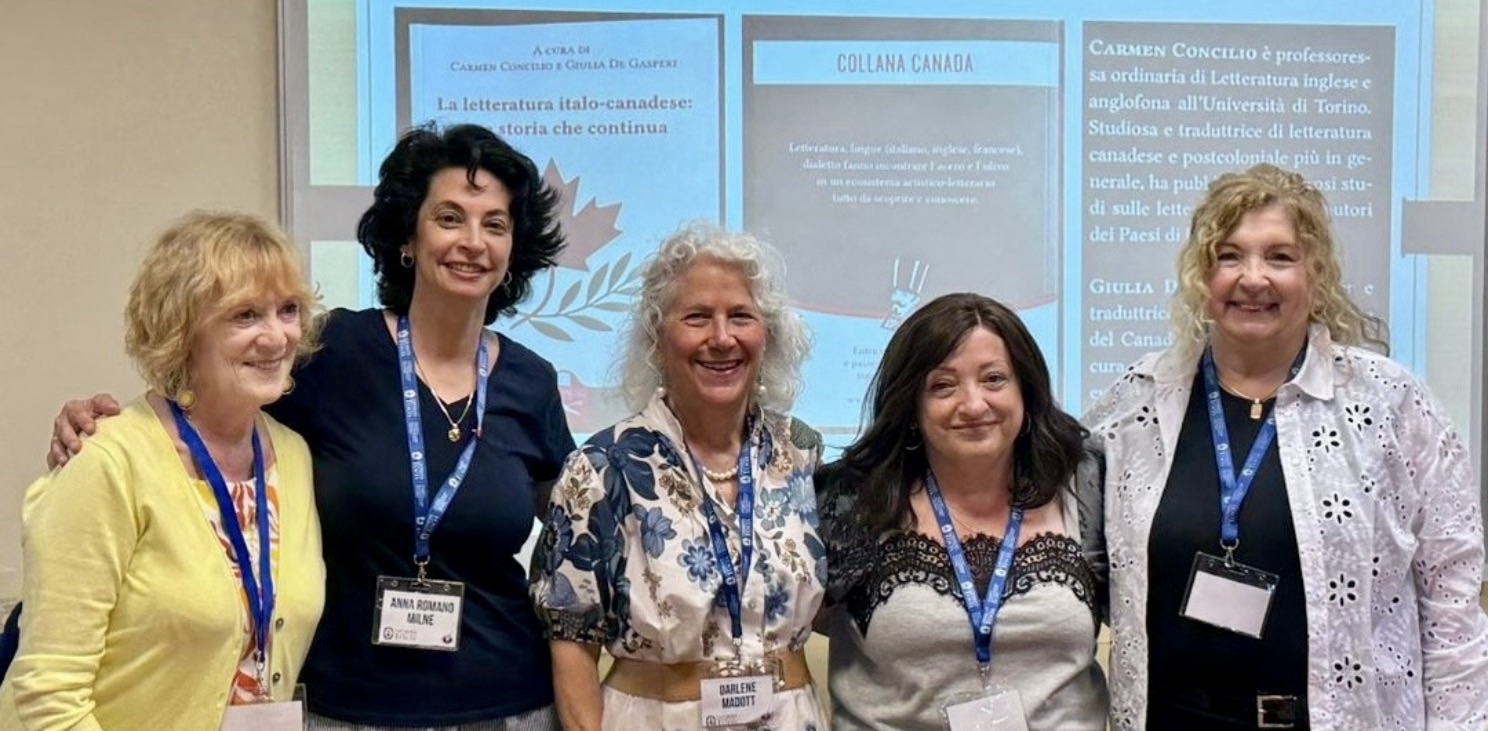
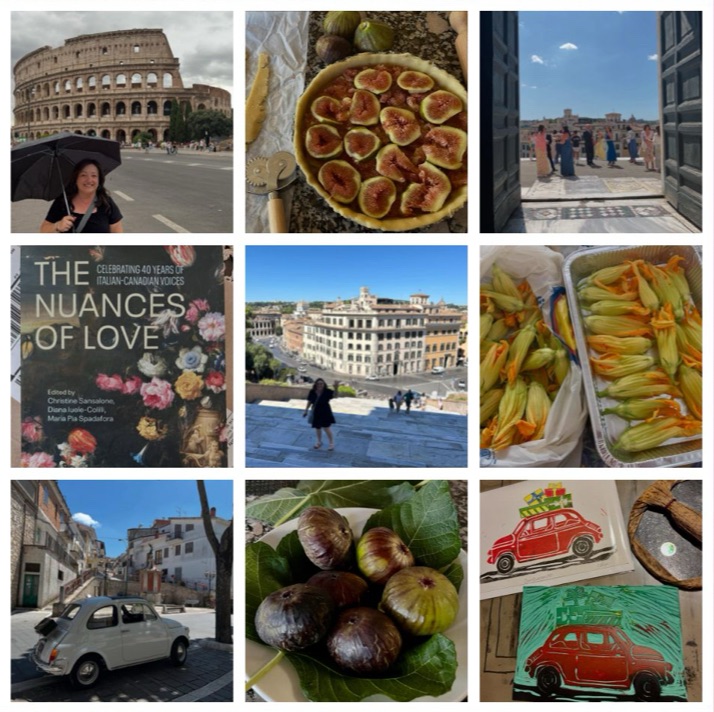
In 2025, to make up for writing less, I had writing published in 3 different anthologies!  ‘In Vino there are Memories‘ was published in ‘A Literary Harvest:  Canadian Writing about Wine and other Libations’, and my poem ‘Vorrei essere una poetessa‘ was published in the AICW 40th anniversary anthology ‘The Nuances of Love‘.  The poem is included in the post.  Information on where and how to order copies is also in the posts. ‘A Nzalat d’Purtuall‘ based on this post, was published this month in the bilingual anthology ‘La letteratura Italo-canadese: una storia che continua‘.  I have not received my copy yet, but as soon as I do, you will hear about it.

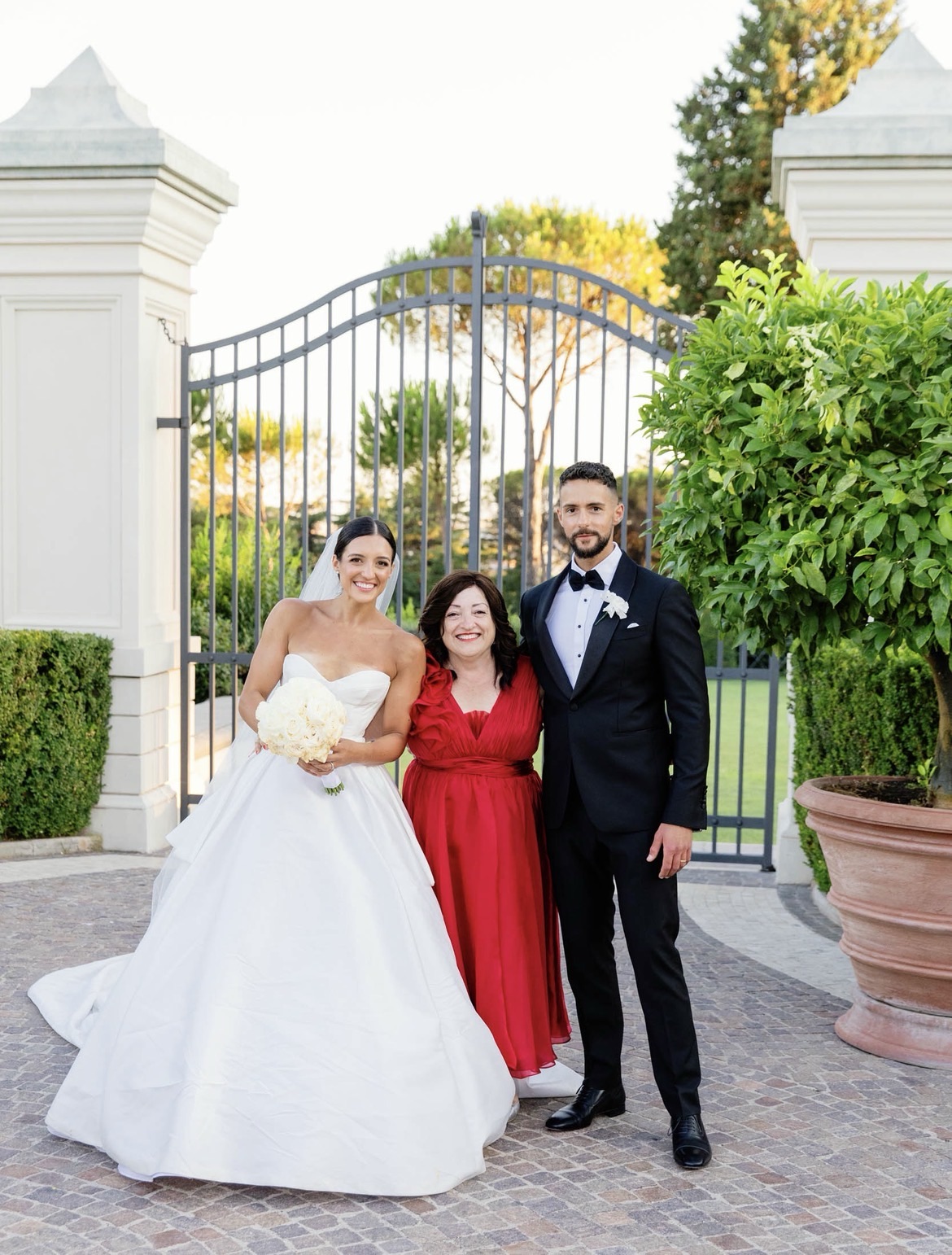
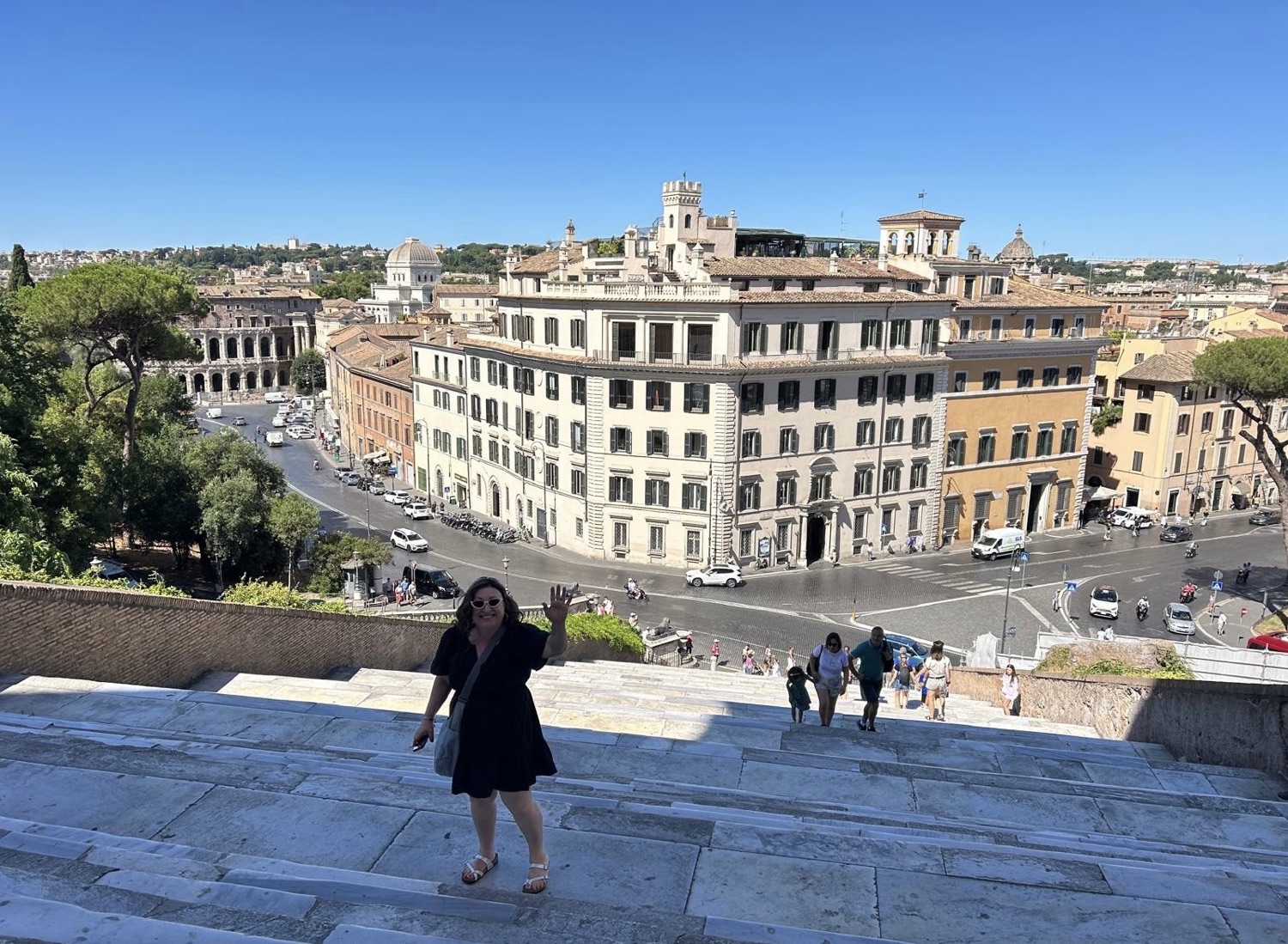
I spent a week in Roma for my nipotina (niece) Isabella’s beautiful wedding at Santa Maria in Aracoeli. Photos of the gorgeous bride and groom look like Dolce & Gabbana ads!  I wrote several posts about Roma this year, most of them about water, including Acqua Vergine, Fontana di Trevi and I Nasoni di Roma.  The Caravaggio 2025 exhibit coinciding with the Giubileo was extended for 2 extra weeks and I was lucky to manage to see it, as well as the Caravaggio ceiling fresco at Villa Boncompagni Ludovisi.

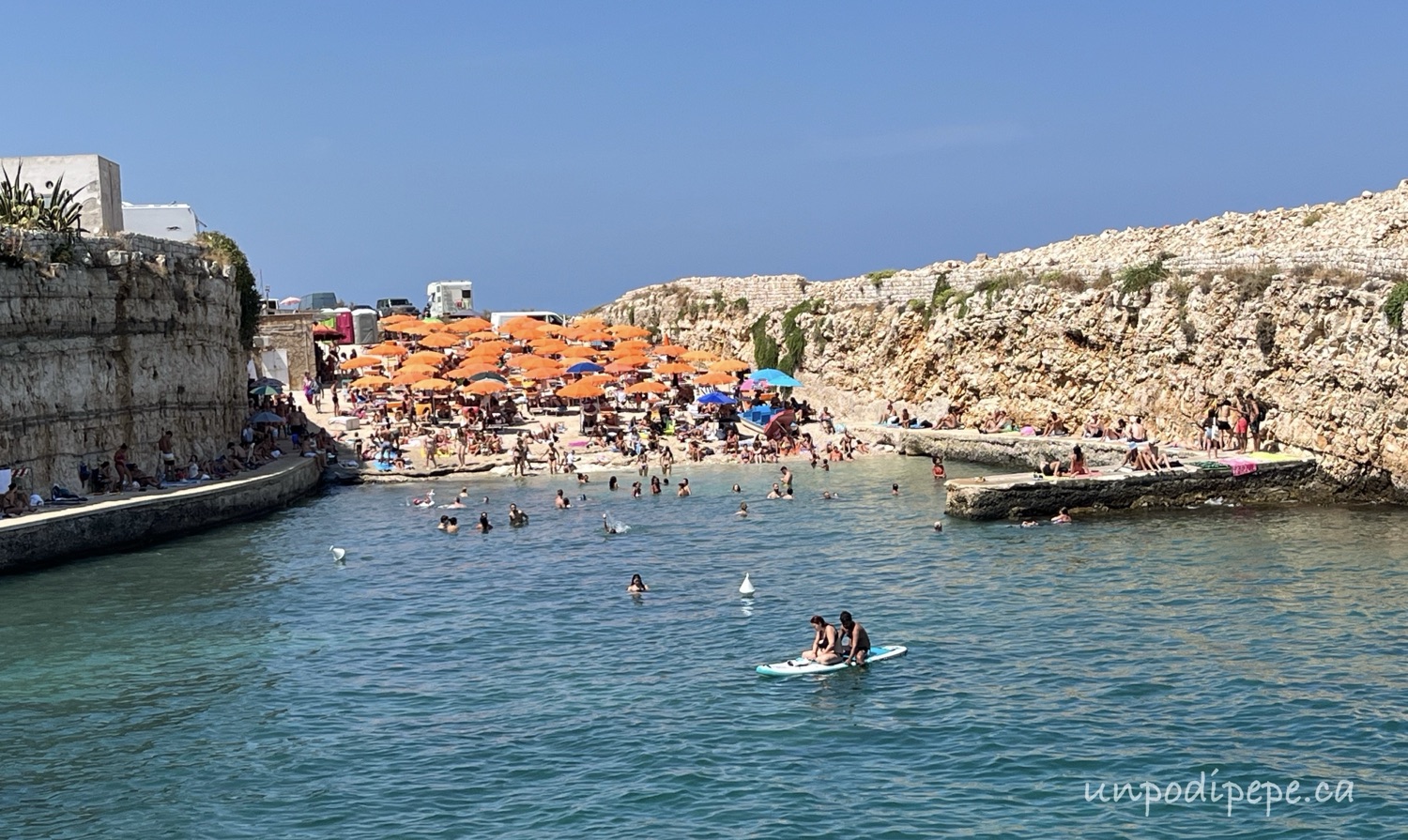
Then I was in Orsara di Puglia for 6 weeks with my parents.  Everyone keeps asking me what I did in a mountain village for 6 weeks, so I will be writing about that soon!  I always try to visit 1 or 2 new places during my annual trips to Italia, which this year included Castel del Monte, Monopoli, and Fregene.  

WordPress sends me end of year stats which I love to share because they are so interesting.* In 2025, Un po’ di pepe had over 21,000 views from 133 different countries!  I know you are all wondering, so I looked it up and there are 195 countries in the world! There were also over 12,000 google searches.

The top 10 posts (11 actually because of a tie) of 2025 are listed below, with links included in red, in case you missed any of them.  Only one post was new from 2025. 7 of the top posts of the year appear on the first page of a google search.  Most of them are not commonly searched topics but I still think it is molto cool!

Based on the number of views, the top posts of 2025 are:

 #10b Italiano per Ristoranti-How to Pronounce your Restaurant Menu, this 2014 handy Italian menu pronunciation guide was #1 for many years, and has always been in the top 4.  In a google search for ‘Italian menu pronunciation’ it comes out as the top suggestion! Molto cool! A 6 page downloadable PDF is available via a link at the end of the post. It was downloaded 109 times in 2025! I am still planning to expand and turn it into an ebook someday. Speriamo! If any of you have experience or advice on this, let me know!

Bruschetta (broo.SKET.tah)

#10a I was happy to see La Trinità di Masaccio on this list again!  Yipee!  When I first published this art history lesson, it had about 30 views, but I just discovered that it comes up as the 1st listing in a google search! This explains the small but steady trickle of views.

My quick sketches of the vanishing point, perspective lines and triangular composition. The colour image is my entry ticket from 2004!

#9 La Madonna della Neve August 5th is the feast day of la Madonna della Neve, one of the patron saints of Orsara di Puglia.  This is the second time the 2016 post has been in the top 10.  In 2024, Orsara’s beloved statue celebrated its 400th anniversary.  It was carved out of a single piece of quercia (oak) by Napoletano sculptor Aniello Stallato in 1624. 

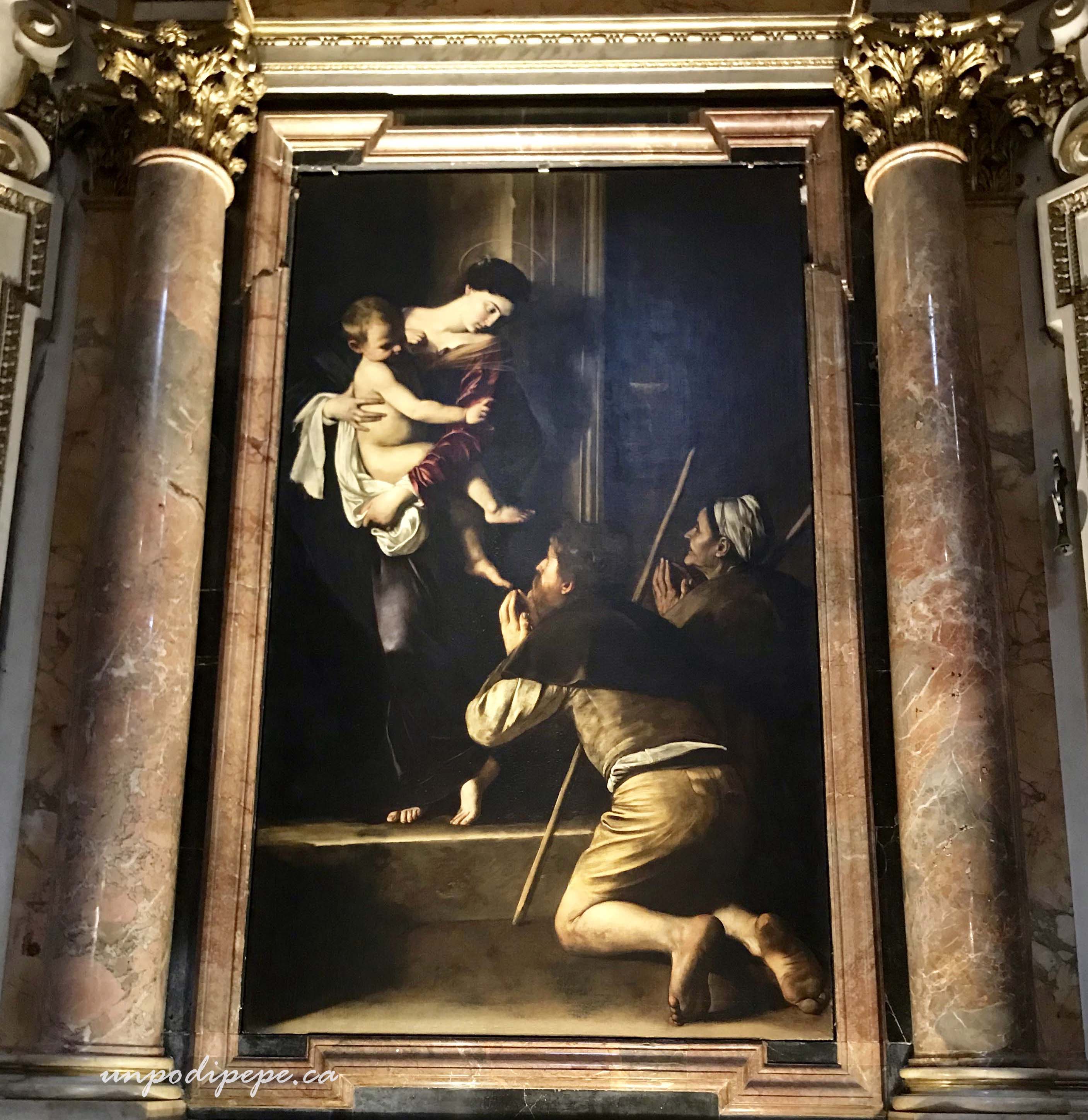
#8 Caffè con Caravaggio a Roma is one of my favourite posts ever, and I think this is the first time it has been on the top 10 list! Join me on a walk to see Caravaggio paintings in 3 churches in Roma,  stopping for caffè along the way.

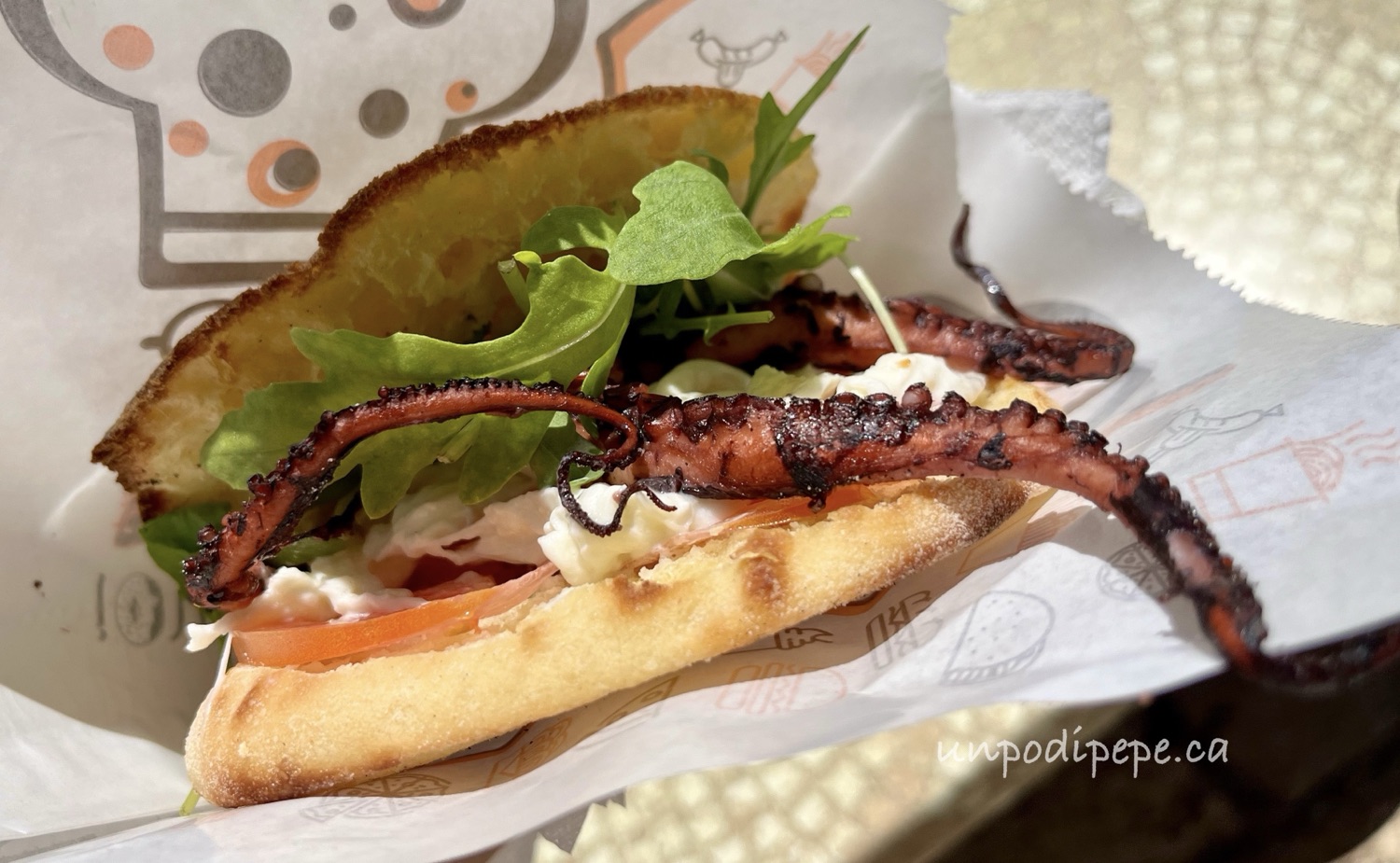
#7 Polpo e patate -My love of polpo and the many photos I have taken inspired this 2023 recipe post.

#6 Artemisia Gentileschi I wanted to write this 2024 post about one of my favourite artists since starting the blog, so I am thrilled it is getting some love again this year. Art history rocks!

Self-portrait as the Allegory of Painting 1638-39 Royal Collection of King Charles III, Windsor Castle

#5 Napoli Street Art I absolutely love Napoli, a perfect place for self-expression since only the last few thousand years. Join me on a graffiti/street art tour in the Centro Storico. This 2020 post comes up 3rd in a Google search. I have  been to Napoli many more times since writing this, and probably have enough new street art photos for a 2.0 version.volto di Sophia Loren Napoli street art

#4 Internment of Italian Canadians  This 2021 post was written on the 81st anniversary of the internment if Italian Canadians during World War 2, to coincide with a formal apology from the Canadian government.  It always amazes me how little is known about this subject.  This is the second time this post appears in the top 10 list.

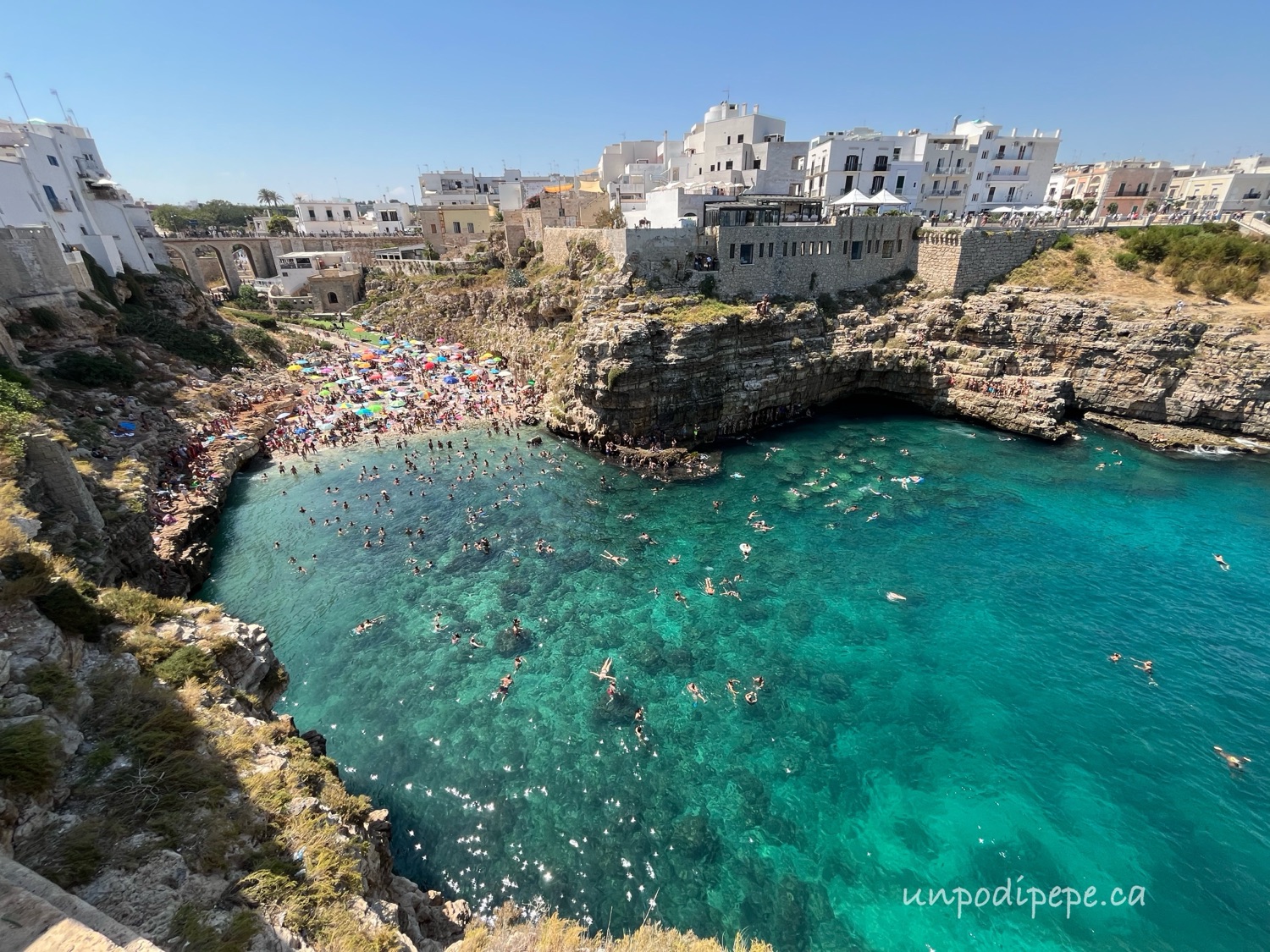
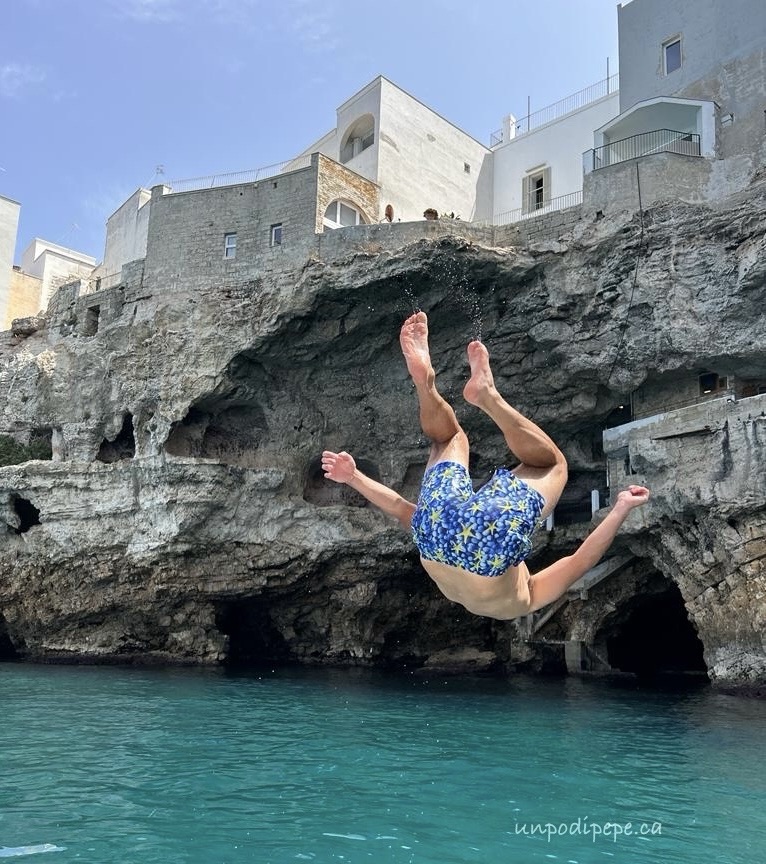
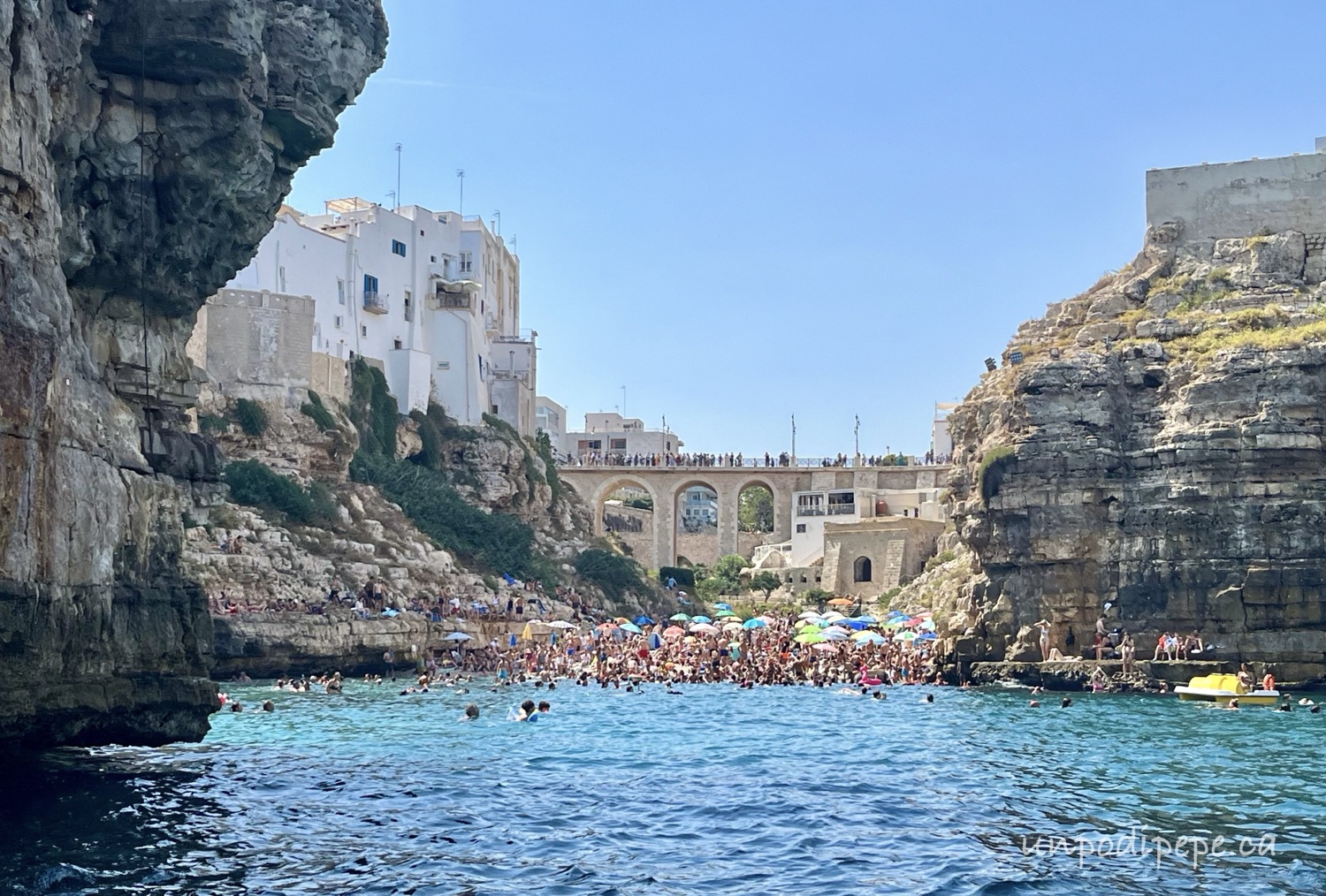
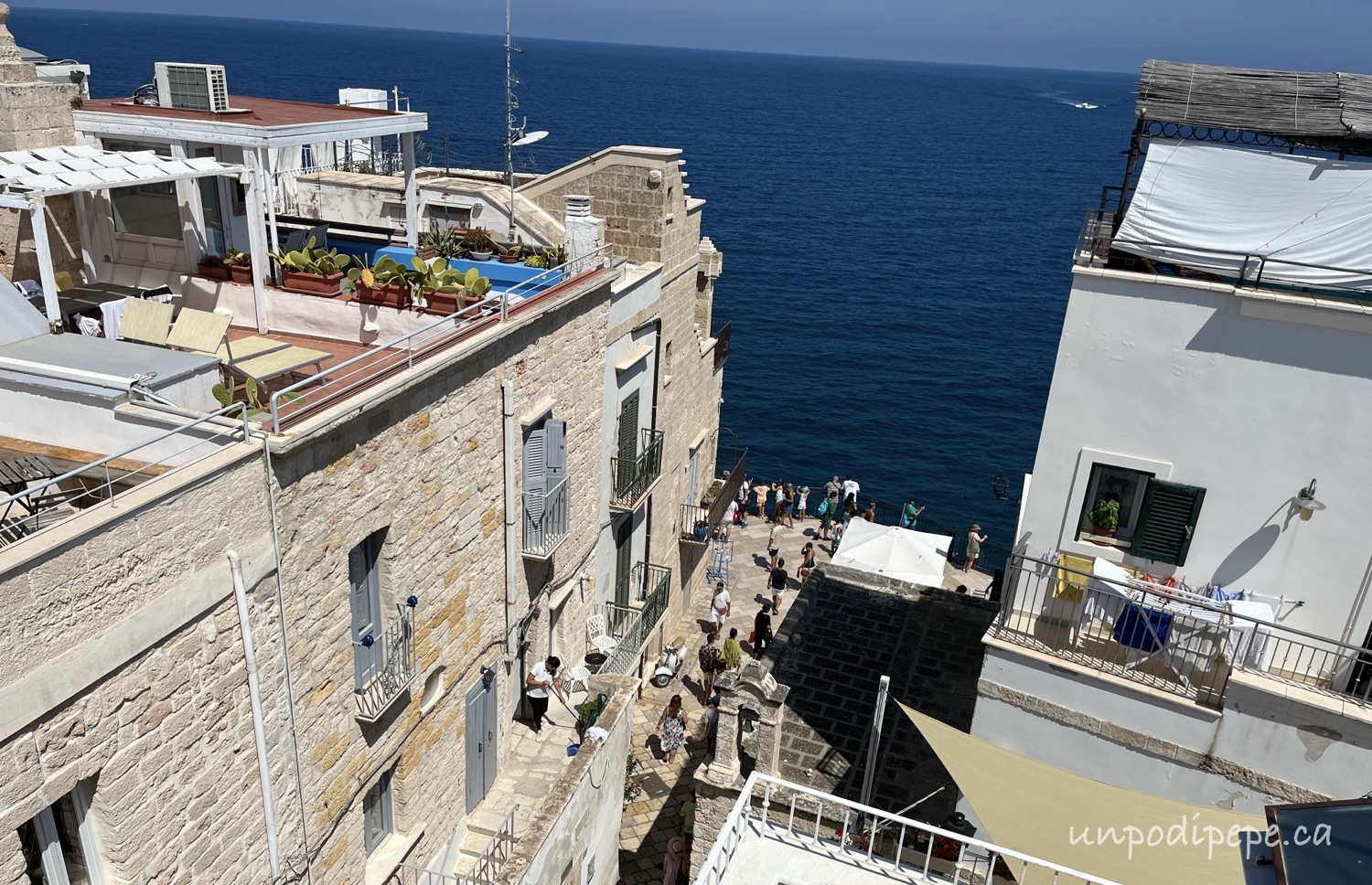
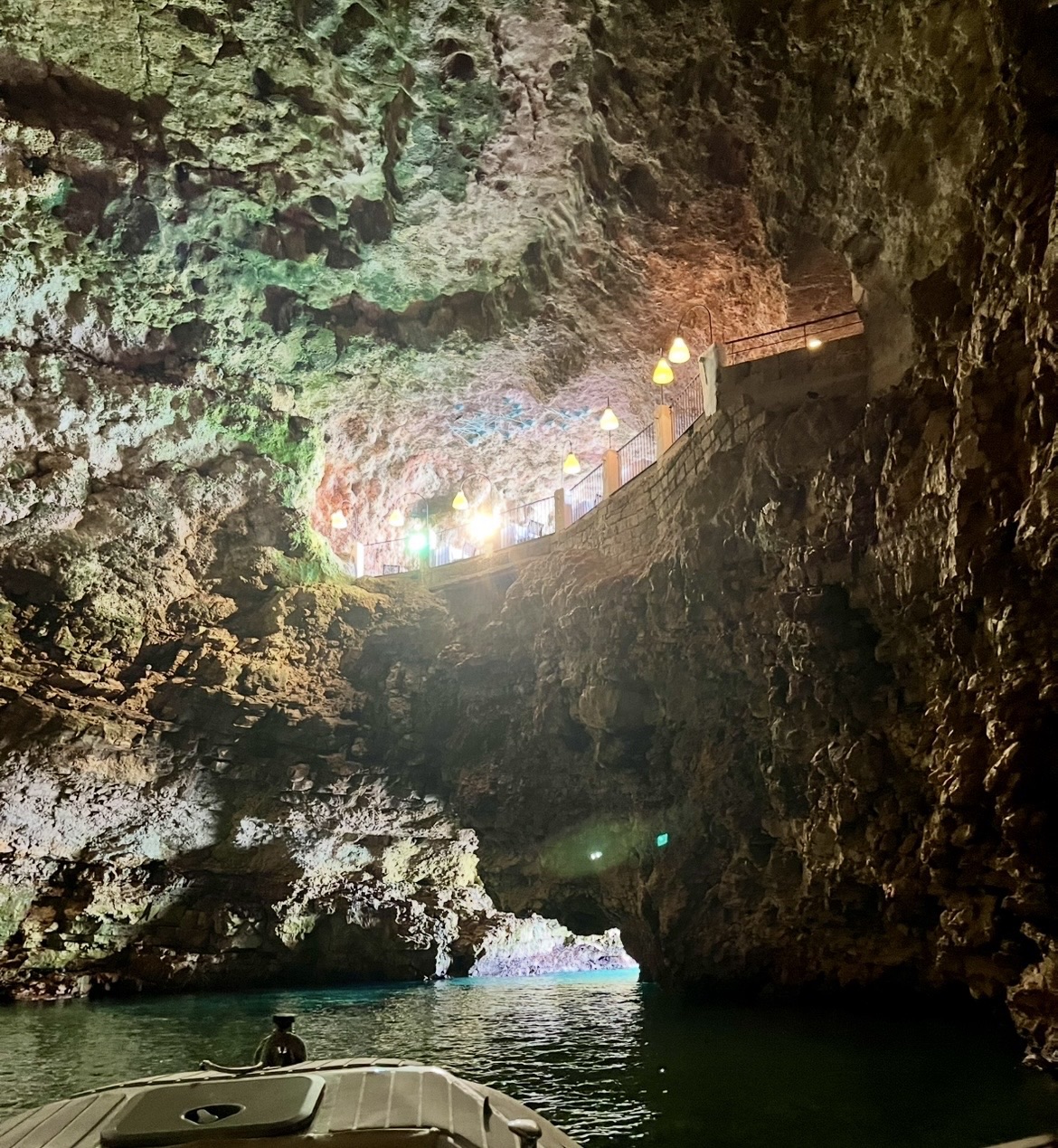
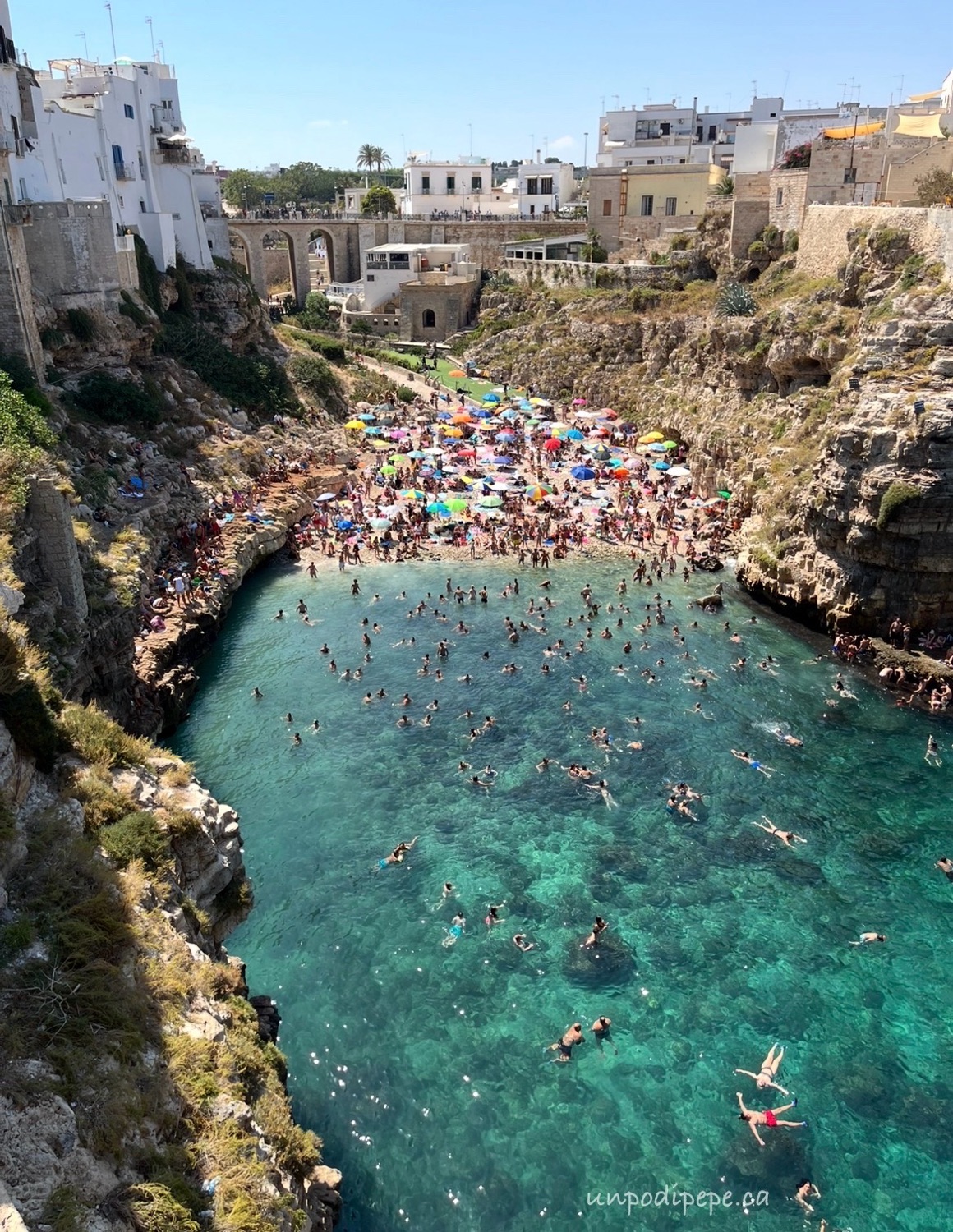
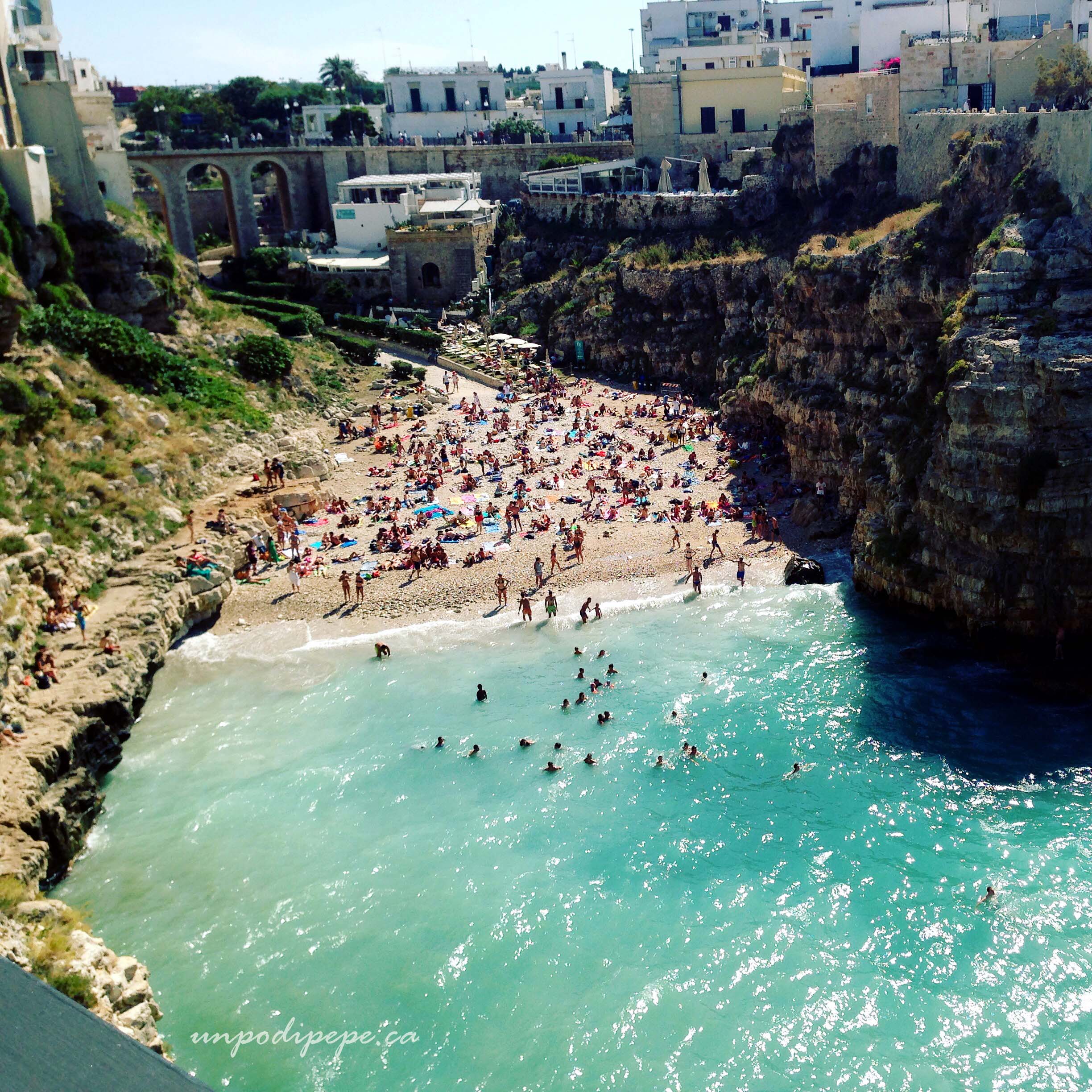
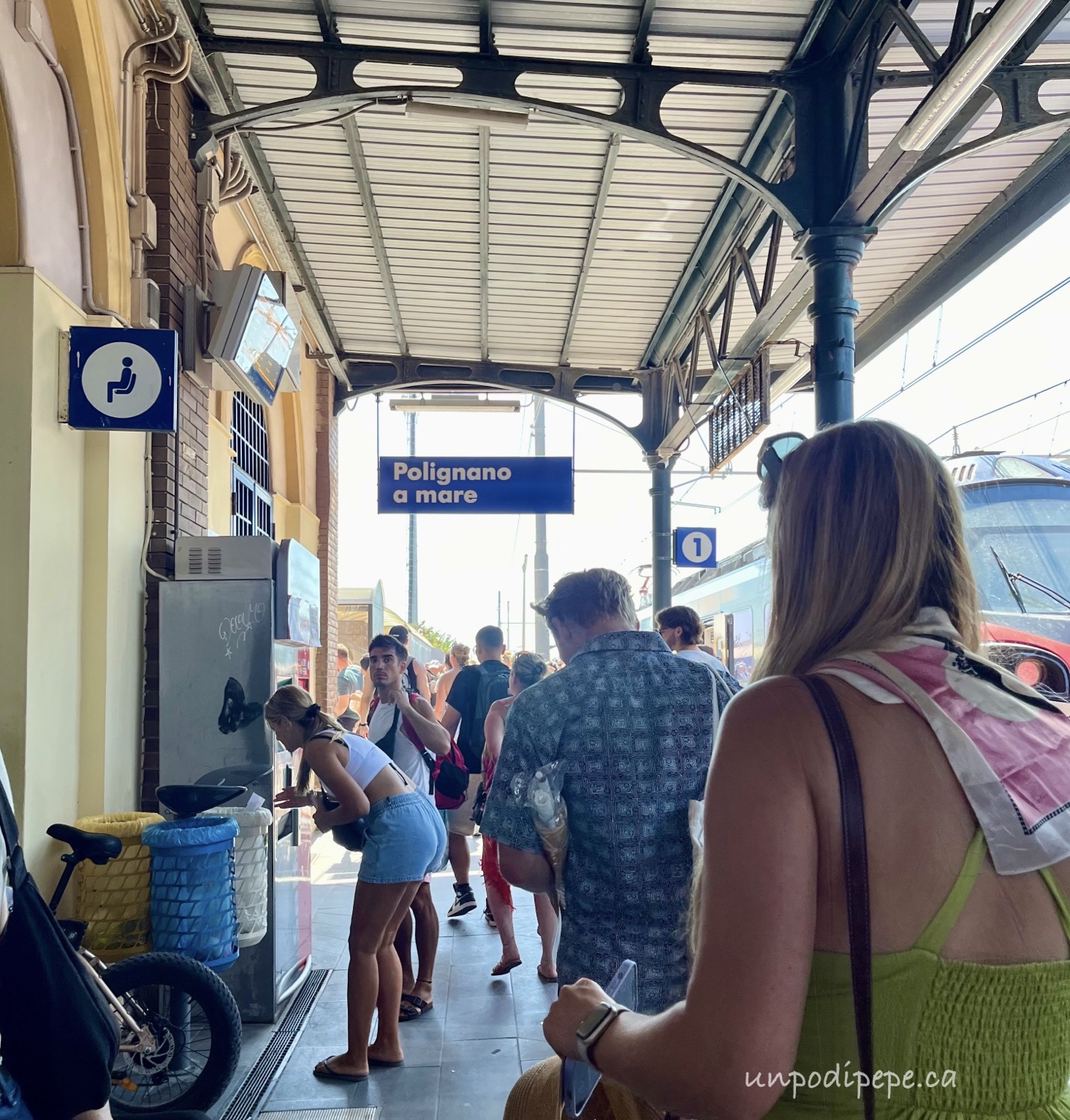
#3  Polignano a Mare In this post about the stunning clifftop town on the coast of Puglia, read about my probable encounter with the mysterious ‘stair poet’ and learn what infraditi are. Since writing this post in 2016, I have been to Polignano quite a few times, even staying overnight-so I have lots of new photos and will be publishing a Polignano a Mare 2.0 post.

#2 Sanremo 2025 For the fourth year in a row, I compiled a handy viewing guide to the 5 day Festival di Sanremo Italian song contest held in February, ad it was well received, so I plan to keep doing it every year. In 2026 the festival is later than usual February24-28 due to the Winter Olympics in early February.

#1 Hairstyling in Ancient Roma This 2017 post was on the top 10 list last year for the third time, it is in first place again this year-by a landslide!  I am still not sure why? I know some views have been referred via Pinterest and it now ranks 2nd in Google search, after Wikipedia. Join me as I study ancient hairstyling practices by looking at Classical sculptures and paintings. Most of the ‘research’ was done at Palazzo Massimo.  Yeah for archeology nerds!

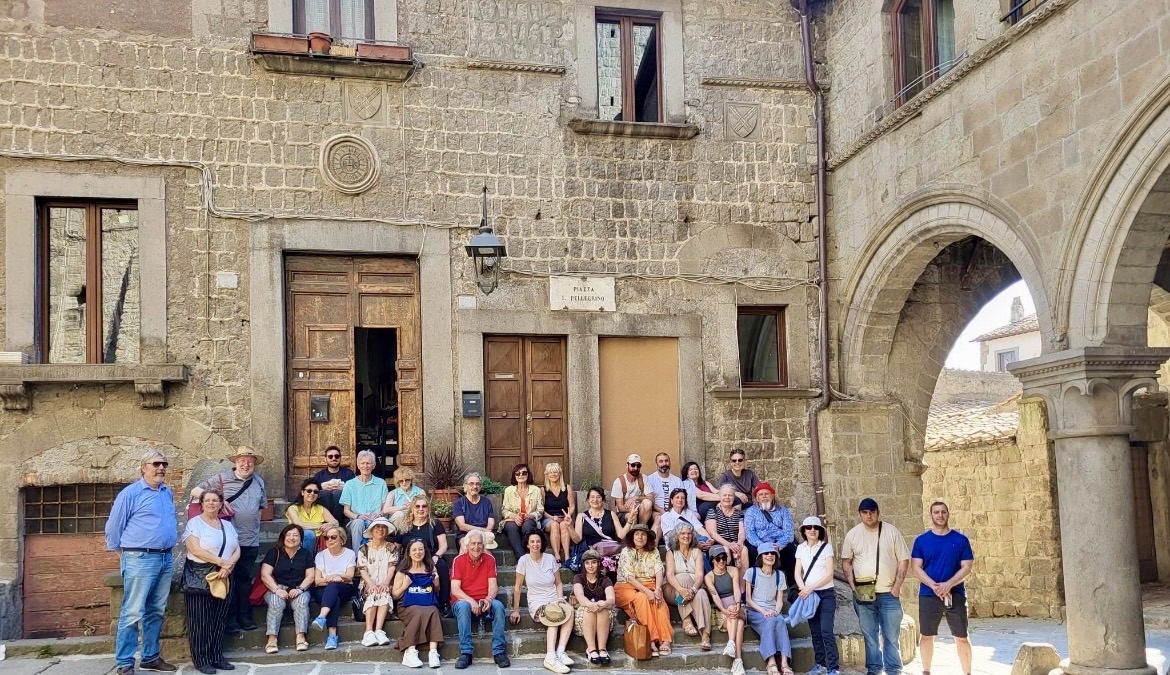
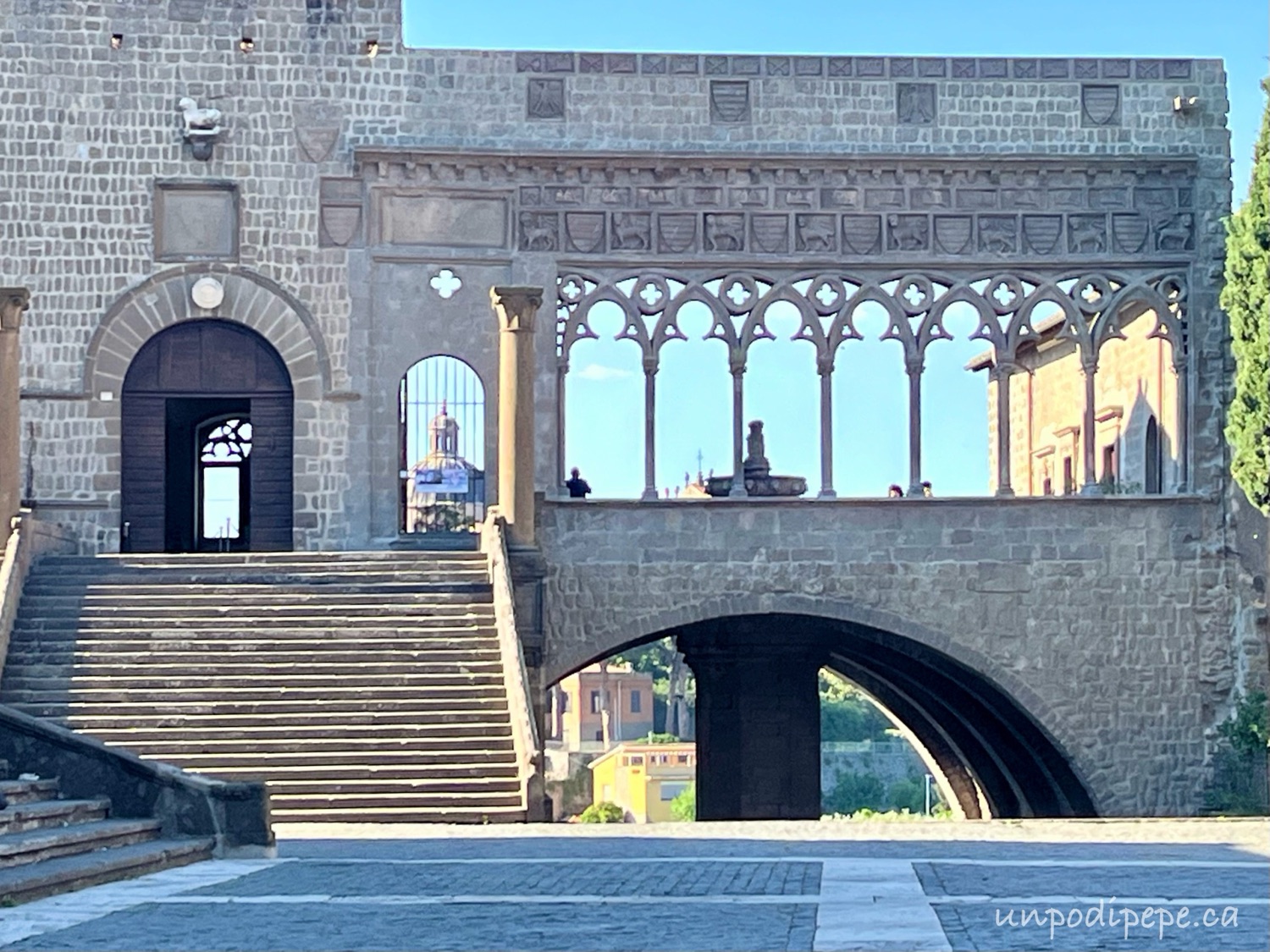
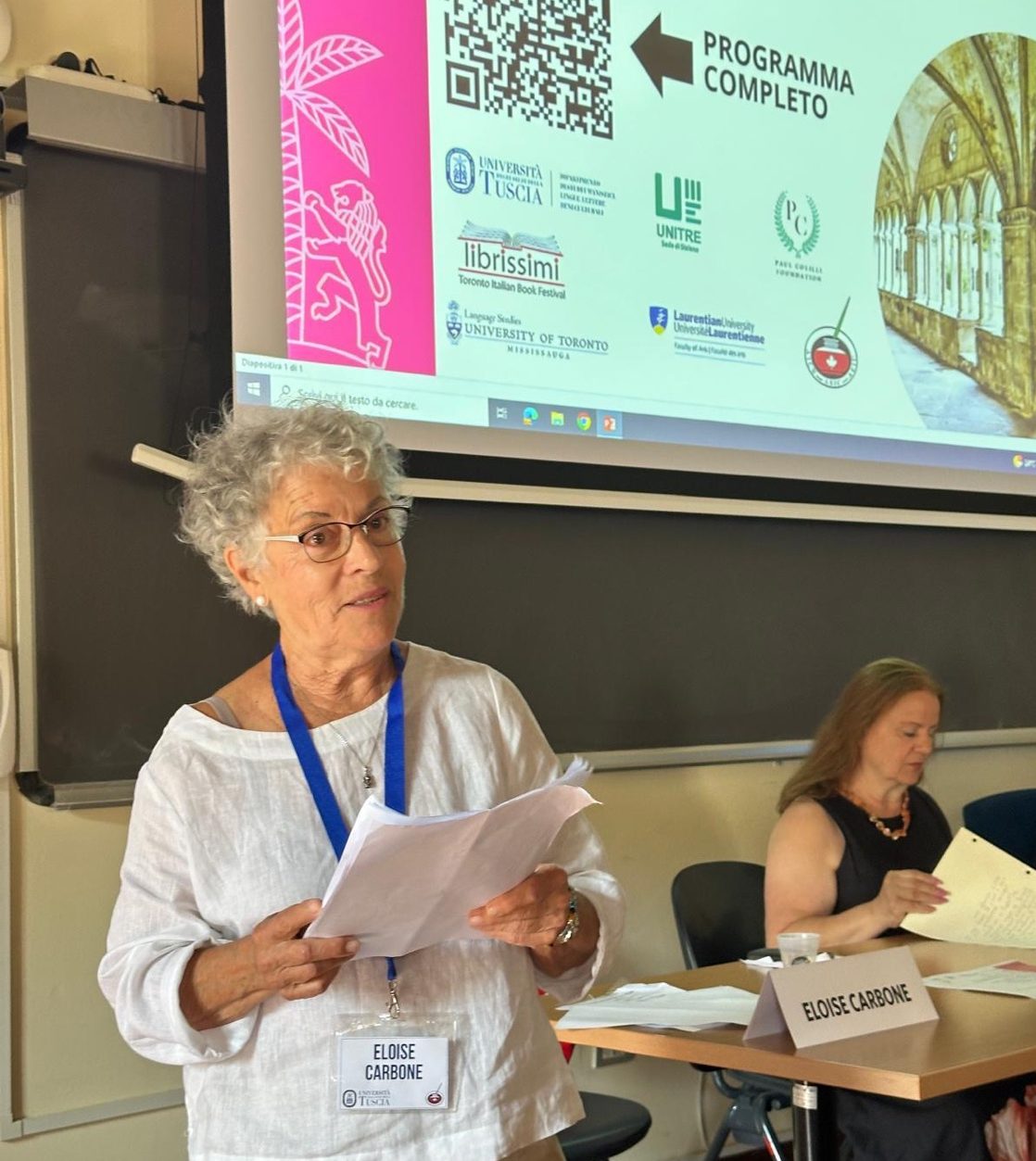
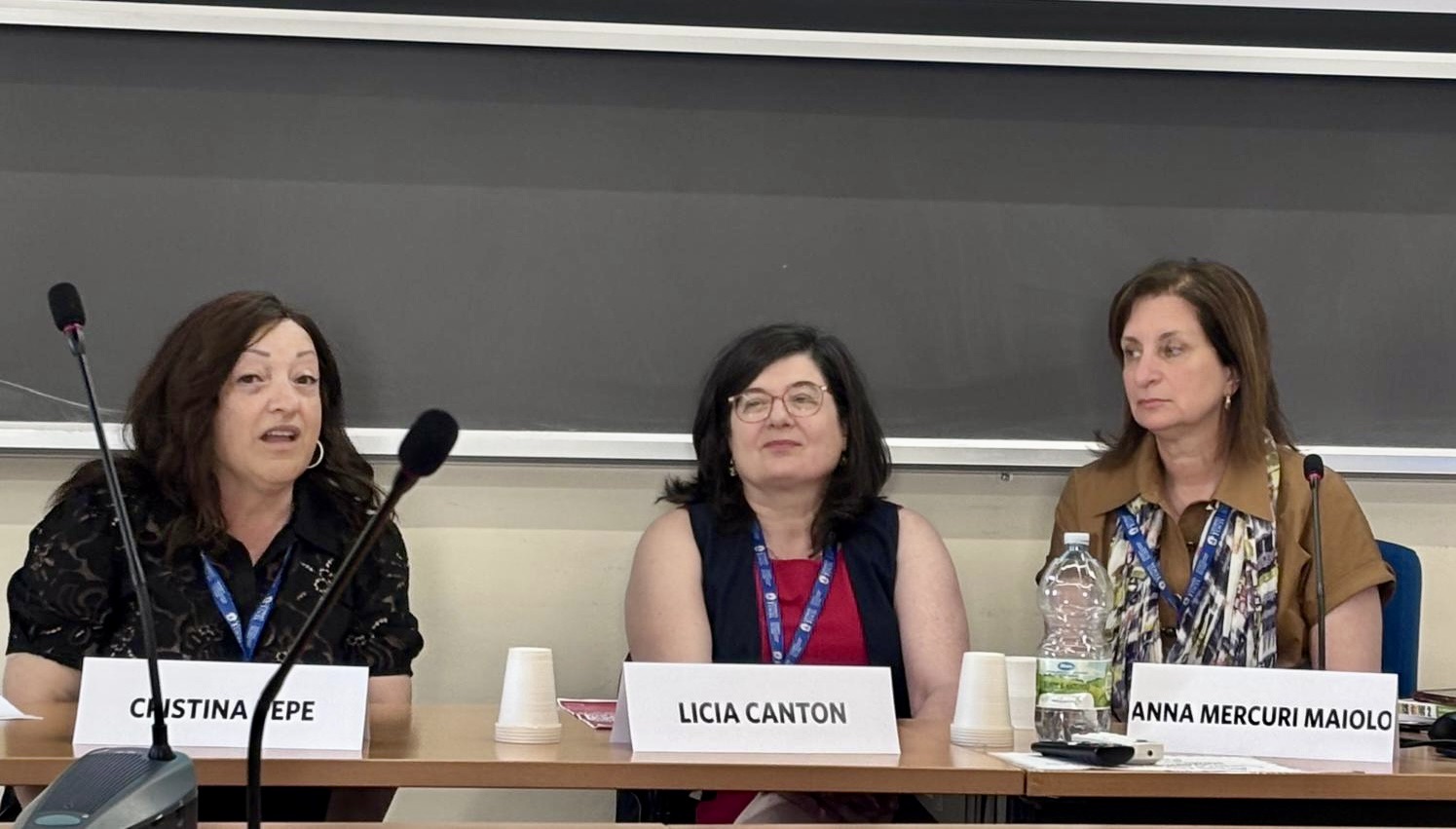
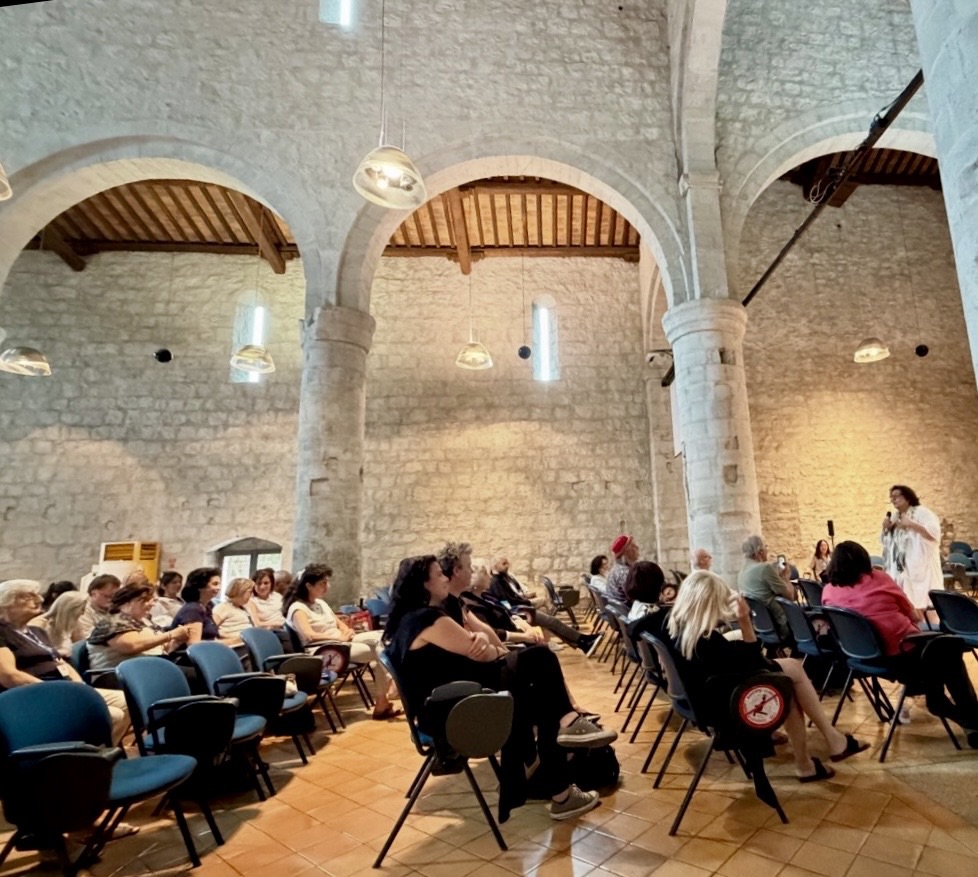
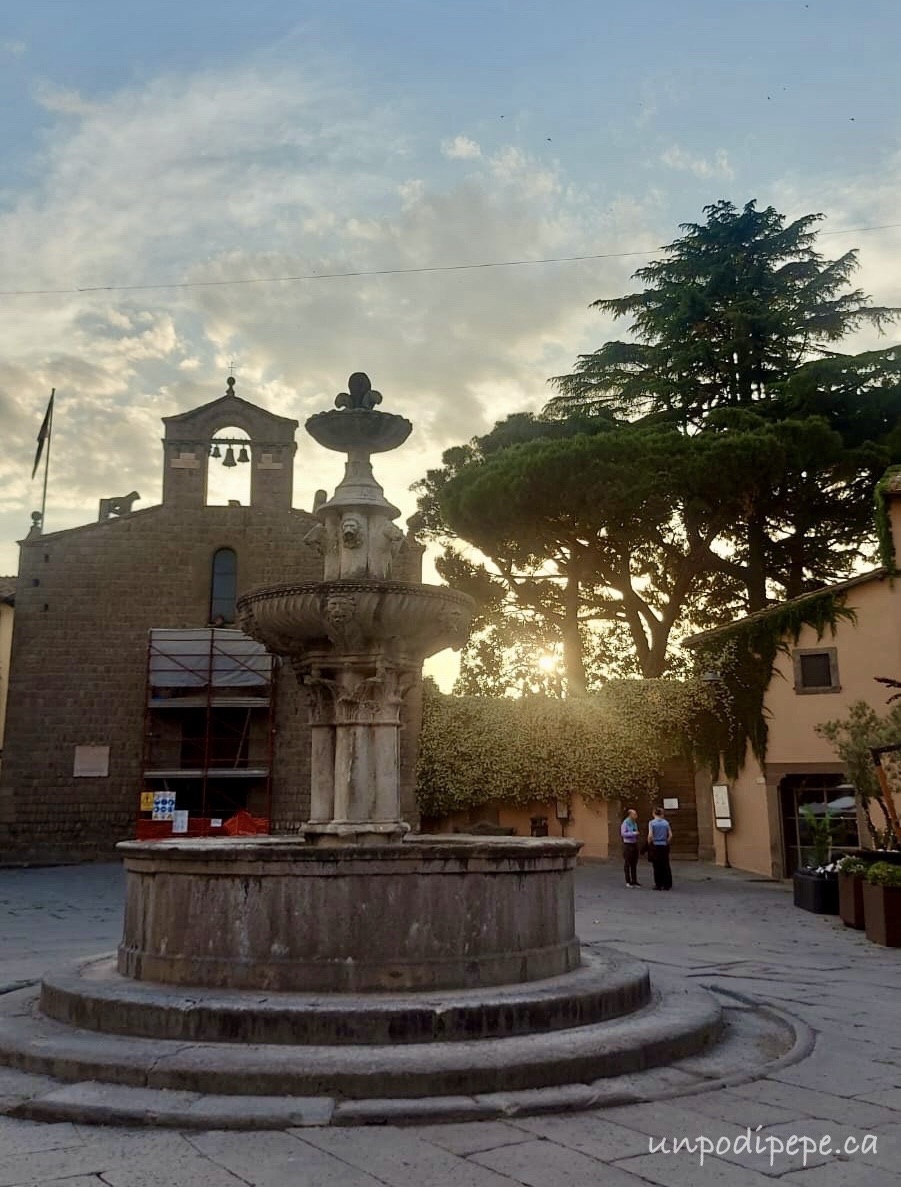
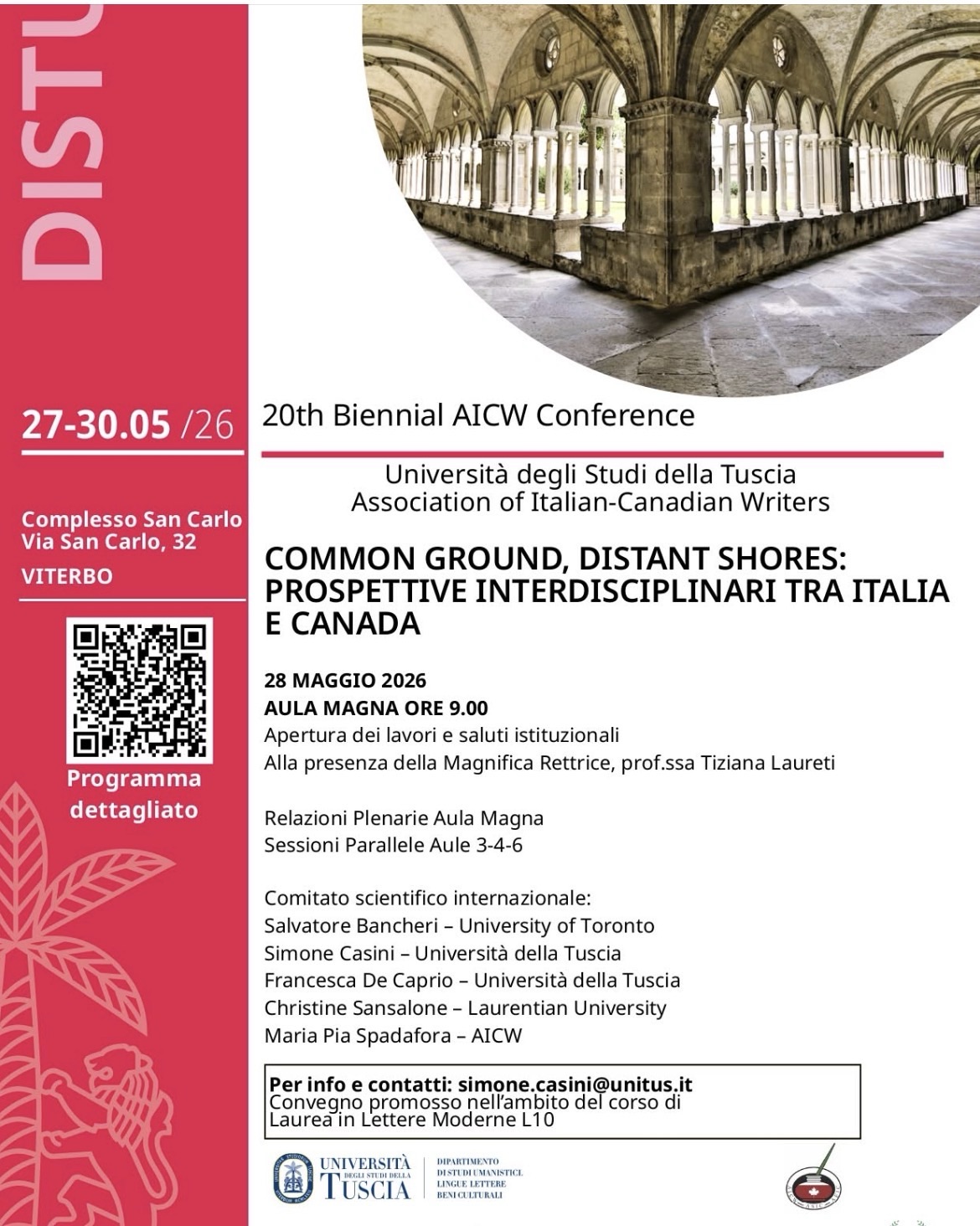
For 2026 my goals are simple and the same as usual….less stress, more exercise, more art, travel and writing! I will be attending the AICW Conference in Viterbo, Italy and reading ‘In Vino there are Memories’ May 28-30. 

To find out what I am up to, check out the Un po’ di pepe Facebook page and Instagram (@unpodipepe). I know many of you read new posts only when they are posted on Facebook, but with new algorithms, you are likely to miss most of them.  To get notified of new posts, it is best to sign up with your email in the top right hand corner of the home page. You will only receive an email when I publish a new post.

I would love to hear which post you liked best, and what you would like to read more about in 2026.  Let me know in the comments.  Looking forward to writing more cose interresanti /interesting stuff in 2026. 

Buon Anno a tutti i lettori di ‘Un po’ di pepe’, vicini e lontani!  Spero che 2026 porta buona salute e gioia a voi e ai vostri cari.  Happy New Year readers of  ‘Un po’ di pepe’, near and far.  I hope 2026 brings good health and joy to you and your loved ones!

Vi auguro un 2026 piena di gioia e buona salute!  I will be eating lenticche and wearing red mutande for good luck tonight! Ciao, Cristina

For help understanding my seasonal greetings, check out Italian Christmas Vocabulary 

*Note…WordPress’ method of collecting stats is odd.  The newest post counts as a ‘Home page’ view until the next one is published and this definitely does affect the results, especially for those of us that do not post often.

Castel del Monte

Tags

, , , , ,


Castel del Monte overlooks the Murgia plateau near Andria, Puglia, rising like a massive, imposing stone crown. The flawless design is awe-inspiring, and it can even be seen from the sea. Castel del Monte ‘castle of the mountain’, is a mysterious place, that has intrigued scholars with speculation regarding its purpose and symbolism for almost 800 years.

Federico Secondo /Frederick II Hohenstaufen (1194-1250) Holy Roman Emperor and King of Sicily built Castel del Monte between 1240 -1250.  He was a visionary, considered an early Humanist-a lover of art, architecture, science and poetry, and also a skilled warrior, hunter and falconer.  He spoke 6 languages and wrote books, including a guide to falconry.  At his court in Palermo, he brought together Greek, Arab, Italian and Jewish scholars so that experts in science, theology, philosophy, and alchemy could exchange their Eastern and Western knowledge. A cultured, cosmopolitan ruler, and probably a megalomaniac, he was called ‘Stupor Mundi’ wonder of the world.

No one knows why he built Castel del Monte– the location at an altitude of 540m (1770 ft), has a great view, but is not strategic, and the building has no defensive measures, such as a moat or arrow slits, so was not built as a fort. Some think it was built as a fancy hunting lodge, but there is no sign of a kitchen or cooking facilities on site.  Federico died not long before it was completed, so he never actually stayed there.

The octagonal design is unusual. According to medieval beliefs and mathematical symbolism, the octagon represented the union of the divine perfection of the circle and the natural perfection of the square into one shape. In many cultures and religions, the number 8 is associated with power, good judgement, efficiency, prosperity, strength and stability.  A sideways 8, the infinity sign is a symbol of continuous balance.  8 is repeated throughout the design of Castel del Monte-an octagonal shape with 8 interconnecting rooms on each floor, 8 octagonal towers, and an octagonal internal courtyard. Many details in the sculptures, bas-reliefs, marble columns and keystones have decorations with 8 elements.

The upper rooms have decorative marble columns and 8 fireplaces, The doorways and Gothic windows are framed in corallite stone. 3 of the towers have stairs and at least one has a room with what may have been Europe’s first flushing toilets. Castel del Monte also had advanced hydraulic engineering with an air heating/cooling system (ancient HVAC?) in the walls and a rainwater collection and filtration system.  Water passed through the walls into cisterns in the foundation. In the alcoves beside some of the windows on the upper floor, you can see evidence of these systems.

Similar to Federico’s cultural perspective, elements of diverse architectural styles and traditions from different times in history are effortlessly blended in Castel del Monte. These include classical antiquity, the Islamic Orient and north-European Gothic. To me it looks similar to Romanica Pugliese.  The layout and orientation are designed with advanced mathematical and astronomic precision. The positions of windows and light slits is designed to create specific light and shadow effects during the solstice and equinox. Secret messages perhaps? The light cast by the slits also serve as a clock/sundial.  I actually thought the light slits were ridiculously long arrow slits! Mathematician Leonardo Fibonacci was a guest of Federico’s in 1240, so he may have even been a consultant!

Castel del Monte was purchased by the Italian State in 1876 for 25,000 Lire, and is now protected under strict laws. It was declared a UNESCO World Heritage Site in 1996, as a unique and beautiful masterpiece of medieval military architecture and for its lack of structural alteration.  Castel del Monte is featured on the Italian one euro cent coin.

So what was the overall purpose of Castel del Monte if it was not built as a fort or hunting lodge?  Was it a celestial observatory, or a giant sundial?  Likely the primary purposes were to symbolize the power and personal genius of Federico II to reflect his cultural, pre-Humanist perspective, and to celebrate the relationship/balance between the spiritual and material world.

I have wanted to visit Castel del Monte for years. Since it is on a remote hilltop, 20 km from Andria, 35 km from Trani, getting to Castel del Monte without a car is not easy.  I got together with 6 of my friends from Orsara di Puglia and we hired a friend with an 8 passenger van to take us there.  We arrived early and then went to the Trulli di Alberobello in the afternoon. We had an amazing time! I was expecting Castel del Monte to be fascinating-but it surpassed my expectations!

To get there by train/bus:  From Bari, take the Ferrovia Bari-Nord train to Andria.  Then either take bus # 6 from Andria station to Castel del Monte (35 minutes, five buses daily, April to October only) or take a taxi or hired car from Andria.  Trani is 35 km away and would be my choice if I was planning to stay the night.  A small parking site down the hill charges €5 for a car, and sometimes there is a €1 shuttle up the short, steepish walk to Castel del Monte.  There are a few souvenir stalls close to the parking area, and a Bar is open at the same seasonal entry times.

Opening hours: April 1-Sept 30 1000 to 1845.  Oct 1-Mar 31 0900 to 1745 Closed Dec 25 and Jan 1st.

Adult admission is €10 Audio guides (€6) are also available to maximise visit. Skip the line tickets are available but not necessary, since there are only 250,000 visitors per year. There are likely to be more visitors during the summer or winter Solstice and the Federico II festival in April.

The inside visit takes about 1 hour, but allow more time to walk around the outside, enjoy the views and take photos.  In summer, try to go in the morning, as the afternoons are hot and there is little shade.Buon viaggio, Cristina

‘The Nuances of Love’

Tags

, , ,

The Nuances of Love:  Celebrating 40 years of Italian-Canadian voices‘ celebrates 4 decades of the AICW (Association of Italian Canadian Writers). Edited by Christine Sansalone, Diana Iuele-Colilli and Maria Pia Spadafora, this gorgeous anthology is a collection of poetry and prose on the themes of love and friendship. It also celebrates the power and importance of storytelling and community. 46 Italian-Canadian writers contributed to this anthology, and one of them is me!

It is available for purchase for $25.00 (Can)from Guernica Editions and on Amazon.ca

My contribution is a poem.  I do not normally write poetry, as you can tell from the title ‘Vorrei essere una poetessa‘ (I would like to be a poet). Since I can, I am posting it here, but you will have to get your own book if you want to read the other 45 contributions.

The poem was written directly in Italiano.  Since I know a few of you will ask ‘where can I find it in English’ I did a very quick translation. Some of the concepts do not translate well, but I did my best-you can find it at the end.

Vorrei essere una poetessa

Vorrei essere una poetessa.

Così potrei esprimere tutto cio’ che vorrei dire

con parole magiche

che si sciolgono dalla lingua

Vorrei usare parole come affascinante e meraviglioso

per descrivere le cose di cui scriverò

Che posso mettere a parole…..


la luce gloriosa del sole estivo di meta’ pomeriggio,

che proietta ombre nascoste sui muri di pietra


I suoni allegri dei bambini

quando giocano a calcio

nelle viuzze strette


la vista mozzafiato

dalle scogliere sul mare

e la tenerezza della brezza marina

quando ti accarezza le spalle


la tavolozza ricca di colori brillanti

come il blu oltremare e terra di Siena bruciata

che diventano un dipinto quando incontrano la tela


l’emozione quando uno si trova

adavanti ad un capolavoro di Caravaggio,

con chiaroscuro e luci drammatiche

magnifico da ogni lato


Il profumo indimenticabile

del pane appena sfornato

che fa venire l’acquolina in bocca

e fa brontolare la pancia


Il gusto di un bicchiere di vino profumato e corposo

fatto con un’uva locale

e condiviso con i migliori amici

che valgono più dell’oro


la gioia dell’amore al primo sguardo

e anche la profondità della tristezza

di un cuore spezzato in mille pezzi

per un amore non ricambiato


Per tutti questi è difficile trovare le parole,

o scegliere gli aggettivi adeguati

Vorrei essere una poetessa….

purtroppo non trovo le parole

e non so da dove e come cominciare.

Published in:  ‘The Nuances of Love: Celebrating 40 years of Italian-     Canadian voices.  Editors Christine Sansalone, Diana Iuele-Colilli and Maria Pia Spadafora.  Guernica Editions (2025), p 40-41.

In Inglese/in English:

I would like to be a poet

So that I can express everything I want to say

with magical words

that roll off the tongue

I want to use words like fascinating and wonderful

to describe the things I will write about

So that I can put into words…

the glorious light of the mid-afternoon summer sun,

projecting cast shadows on crumbling stone walls

The joyful sounds of children

playing with a soccer ball

in narrow cobblestone streets

the breathtaking view

from cliffs overlooking the sea

and the tenderness of the sea breeze

when it caresses your shoulders

the rich palette of brilliant colors

such as ultramarine blue and burnt sienna

that become a painting when they meet the canvas

the emotion of finding oneself

in front of a masterpiece by Caravaggio,

painted in chiaroscuro, with dramatic lighting

magnificent from every angle

The unforgettable aroma

of freshly baked bread

that makes the mouth water

and the stomach rumble

The taste of a fragrant, full-bodied glass of wine

made with local grapes

and shared with dearest friends

who are worth more than gold

The joy of love at first sight

and also the profound sadness

of a heart shattered into a thousand pieces

for an unrequited love

For all of these, it is difficult to find the words,

or choose the proper adjectives.

I would like to be a poet…

unfortunately, I cannot find the words

and I do not know where or how to begin.

Ciao, Cristina
 

Hostaria Antica Roma~Eat like an Ancient Roman

Tags

, , , , , , , , , ,

What do you do when a planned daytrip from Roma is cancelled because of pouring rain?  Go and have a meal like the ancient Romans! My friend and I went to Via Appia Antica-the Ancient Appian Way, a road from Roma to Brindisi. Close to the Catacombs of Domitilla, and almost right below the cylindrical Tomba di Cecilia Metella is Hostaria Antica Roma. Here, at his family’s ristorante, Paolo Magnanimi, an amateur gastronomic archeologist, has researched and is reviving 2,000 year old ancient Roman recipes. We enjoyed a delicious meal, enriched by explanation and commentary from Paolo.  It was an educational culinary journey into the past.

The restaurant serves traditional ‘modern’ Roman cuisine, but also a tasting menu called ‘A Tavola con Apicio’ (At the table with Apicius) closely based on the recipes in the 1st Century AD ‘De Re Coquinaria’ /On the subject of Cooking’, the only surviving cookbook from Ancient Roma. It is thought to have been compiled by Apicio -Marcus Gavius Apicius, a wealthy epicure/food lover. He was described by Pliny the Elder as ‘the most gluttonous gorger of all spendthrifts’.  Ouch! Just like Nonna’s, the ancient recipes only include ingredients, not quantities, proportions or instructions.  Paolo recreates the dishes using -as much as possible-only ingredients available at the time.  Ingredients inclucing sugar, chocolate, basil and tomato were not available in the 1stCentury.

We started off with Gustum’ an antipasto platter consisting of a selection of everyday ancient snacks made with local products.  I believe this menu item usually needs to be ordered in advance.  Fortunately for us, a table had reserved for 6 people, but only 5 were there, so we were able to take the extra one!  Clockwise from the top of the photo:

Libum di Catone a bread described by Cato as a sacred symbol of devotion.  It was made with wheat flour, sheep milk ricotta, eggs and honey, and baked on a layer of bay laurel leaves. Now I know what I will do with my extra bay leaves!

Moretum was described by the poet Virgil as an everyday dish of the ancient Romans. This is the ancestor of Pesto, but named after the mortar instead of the pestle.  Moretum is made with pecorino-fresh sheep milk cheese, garlic, herbs such as coriander and celery seed, salt, nuts and olive oil. It can be eaten on its own or spread onto libum.  Paolo grinds together his ingredients with the mortar and pestle, just as described by Virgil.

Prosciutto cotto (ham) with honey and fresh pecorino

Epityrium a spread, similar to a tapenade, of olives and herbs, including cumin, fennel, coriander and sometimes mint. It was served on bread

For our primo or first course, we had the ancestor of modern lasagne, Patina Cotidiana, which is Latin for ‘daily dish’.  The pasta sheets are called laganum.  If any of you believe Marco Polo brought pasta to Italy from China in the 13th Century, that is ‘leggenda metropolitana’, an urban myth.  Boiled laganum are layered with ground beef, fennel and pecorino.  It is ‘in bianco’, meaning no tomato, since the tomato did not arrive in Europe until the 1500’s, and was not even an edible product at that time. Click on Il Pomodoro for the history of the modern tomato.

Our secondo or second course was Pollum Oxizomum, chicken cooked with pieces of leek, olive oil, vinegar and garum.  Garum was a fermented fish sauce that was a staple condiment in the ancient Roman kitchen.  75% of the recipes in De re Coquinaria include garum!  At the archeological site of Ostia Antica, one of the market stalls with fish mosaics likely sold the intensely flavoured Garum!  Today, colatura di alici di Cetara is the best substitute for garum.  Colatura di alici means anchovy drippings and this can be considered the ‘Italian version’ of an Asian fish sauce.

In the small Amalfi Coast fishing village of Cetara, they have been making colatura di alici the same way for centuries.  Anchovy fillets and sea salt are layered in small chestnut wood barrels called terzigni with a heavy weight on top. The anchovies are left to ferment for a long time-up to 3 years!  This process produces a clear amber liquid with an intense flavour that floats to the top.  A hole is made in the bottom of the barrel to collect the colatura after it passes through the layers of anchovies.  Online, a 50 ml bottle is about $25 (USD).  Surprisingly, our pollo did not taste fishy or overly salty.  It was delicious!

Finally, for dessert /dolce we had Tiropatina a predecessor of custard or crème caramel.  It was made with whole milk, eggs and honey, with a drizzle of honey and a sprinkling of freshly ground black pepper on top.  The ancient Romans believed pepper to be an aphrodisiac.

A few other items on the ancient menu that we did not try include: Pulsa con copadia, rustic polenta with an aromatic beef stew, Isicia Omentata, pork polpette (meatballs) in grape sauce and La Cassata di Oplontis, a dessert made with almond flour, sheep milk ricotta, honey, dried and candied fruit.

I absolutely recommend a visit to Hostaria Antica Roma, especially if you are fascinated by the history of ancient Roma and gastronomic history.  The fact that everything was delicious does not hurt either!  The week after our visit in July, Paolo was being interviewed by the BBC.

De Re Coquinaria 2021 edition, translated by Terra Nectare corrects previously incorrect translations

Hostaria Antica Roma, Via Appia Antica 176Open Tuesday-Saturday 12:30-1500 and 19:30-22:30, Sun 12-3, Monday closed.

Grazie to to my amica Anna for joining me.  Buon appetito!


Santa Maria in Aracoeli

I recently attended a family wedding in one of the most beautiful churches in Roma, the Basilica Santa Maria in Aracoeli (pronounced Ah*rah*CHEH*lee). Because of its location on the highest point of the Capitoline Hill, sandwiched between Il Vittoriano and the staircase to Il Campidoglio, most visitors have seen it from the outside-but they have no idea what treasures the interior holds. Photos in this post are from the July rehearsal and wedding of Isabella and John.Translated from Latin, Santa Maria in Aracoeli means ‘Santa Maria of the altar in Heaven’. The Romanesque Gothic Basilica was built on the site of a Temple to Giunone (Juno) in the year 574.  Originally a Greek Byzantine church, it was taken over by the Benedictines in the 9th Century, then later the Franciscans in 1249.  Santa Maria in Aracoeli is one of the principal churches of Roma and the designated church of the city council and the Senate and people of Roma (SPQR). The Municipio, or City Hall of Roma is conveniently located behind the Basilica, on the Campidoglio.  During the French occupation of 1797, the Basilica was turned into a stable for the French cavalry!  It was almost demolished in the 1880’s during construction of its massive neighbour Il Vittoriano /L’Altare della Patria. In the photo above, the white monument is Il Vittoriano, the building behind it with the steep staircase is Santa Maria in Aracoeli and the staircase on the right leads to Piazza del Campidoglio, where the Capitoline Museum and Municipio are located.The interior is elaborately decorated, with a coffered and gilded wooden ceiling (1575).  The exquisite cream and pink marble floor is decorated with Cosmati, an inlay geometric style of Medieval stonework. The arches are supported on 22 columns scavenged and upcycled from diverse ancient ruins throughout the city. This is why no 2 of the columns are alike.  52 gorgeous Murano glass chandeliers hang in the nave and sanctuary. They were all lit during the wedding.

On the altar, is a 10th Century Byzantine icon painted on beech wood, la Madonna di Aracoeli. She is holding up her hand, which is painted in gold.  La Madonna di Aracoeli was carried through the streets of Roma during the Black Plague outbreak in 1348, and is credited with the shorter duration of the epidemic. To the left of the altar an octagonal tempietto or shrine contains the Byzantine relics of Sant’ Elena (St. Helena), the mother of Emperor Constantine. Cappella Bufalini, the first chapel on the right of the entrance, contains a series of 15th Century frescoes by Pinturicchio.  There are also frescoes by Pietro Cavallini and Arnolfo di Cambio, and countless other works of art.The most famous item in the church is the Santissimo Bambinello, a 15th Century bejewelled wooden sculpture of baby Jesus carved out of olive wood from the gardens of Gethsemane in Jerusalem, and baptised in the river Jordan.  It is believed to have healing powers. Unfortunately, he was stolen in 1994, and is still missing.  Today, the Bambinello in a private chapel by the small gift shop is a replica.

La Scala Santa, the staircase of 124 marble steps leading to the main entrance of the church, was designed in 1348 on the occasion of the end of the Black Death. The stairs are considered sacred, and people have been known to climb up on their knees, hoping for a miracle.  Luckily, none of the wedding guests chose to do this, but there were many wobbly stilettos climbing the stairs, and one extremely dirty wedding train!  Viva gli sposi!

Ciao, Cristina
Casino dell’Aurora~Villa Boncompagni Ludovisi

Tags

, , , , , ,

Caravaggio 2025 at Palazzo Barberini, the exhibit coinciding with Giubileo 2025, was extended by 2 weeks. Yippee!! This was great for me, since I arrived in Roma the day after it was supposed to end.  As soon as I heard about the extension, I booked tickets before they sold out. It was amazing, and I will post about it after I get home. With the code from my ticket purchase, I was also able to book one of the limited weekend tickets to Casino dell’ Aurora, Villa Boncompagni Ludovisi, a private home, which is not normally open to the public.

Why am I so excited about this? Villa Boncompagni Ludovisi contains the only ceiling painted by Caravaggio, one of his least accessible masterpieces.

The Villa is the only remaining part of a large suburban retreat, built by Cardinal Francesco del Monte in the 16 th Century. The cardinal was an early patron of Caravaggio and he had an interest in alchemy*. He commissioned 25 year old Caravaggio to paint the ceiling of his small alchemy lab in 1597.

The painting ‘Giove, Nettuno e Plutone’ -Jupiter, Neptune and Pluto is an alchemical allegory with the 3 Olympian gods and their symbols and animals from classical mythology. For Jupiter these are air, sulphur and the eagle, for Neptune water, mercury, a trident and the hippocampus (a mythological seahorse) and for Pluto, earth, salt and Cerberus the 3 headed dog.

This painting may have been a middle finger salute early in his career to critics who accused Caravaggio of having a poor sense of perspective. The 3 figures are foreshortened in the most dramatic way possible. Jupiter floats in the sky with an eagle and reaches out to move a luminous celestial sphere where the sun revolves around the earth. Zodiac signs are barely visible in the center. Neptune and Pluto appear to be standing right over you, with Neptune’s private parts dangling above your head!

Caravaggio used his own face for all 3 figures. It was common for him to insert his self-portrait into a painting, but not as the main focus.  In this case, it is likely because this early in his career, he could not afford to pay a model, and he had not started using everyday people as models.  Since the 3 figures are supposed to be brothers, it worked. Cerberus may have been painted from his own dog.

This ceiling painting is unusual as it is oil paint on dry plaster, so essentially it is a mural. It is not a fresco, which is painted with pigments directly into wet plaster. The painting does not have that ‘chalky’ look of a fresco. The size is 300 by 180 cm, about 10’ by 6’. It is on the upper floor, reached via the staircase seen below, in the main ‘Aurora’ reception room.

In 1621, del Monte sold the villa and grounds, a 30 hectare (74 acre) area between Porta Pinciana and Porta Salaria, to Cardinal Ludovico Ludovisi. In 1621, Guercino also completed the Aurora fresco on the ceiling of the main reception hall. This is why the villa is also referred to as Casino dell’Aurora or Villa Aurora. Guercino had help with the illusionist architectural details by the notorious Agostino Tassi. Read more about him in the post Artemisia Gentileschi.

The princes Boncompagni-Ludovisi subdivided and sold the property in 1883. Roma’s Ludovisi district is on these former grounds. The 2200 m² (2400 sq ft) villa and a small  parcel of land remained with the Ludovisi family.

Since the 2018 death of the owner, Prince Niccolò Boncompagni Ludovisi, there has been an inheritance dispute between his American widow and the 3 sons from his first marriage. The widow was evicted in 2023 and a court ordered sale made the villa the most expensive house ever to go on the market. Valued at €470 million, it is still for sale and also needs €10 million worth of restoration work $$$! Hopefully the family comes to some sort of agreement and Villa Boncompagni Ludovisi will eventually become a museum. I will purchase Lotto tickets in the meantime 🤞.

Casino dell’Aurora, Villa Boncompagni-Ludovisi is located at Via Lombardia 46, a short walk from Porta Pinciana and the Marriott Grand Hotel Flora. It is not open to the public and there are no plans for public viewing at this time.  If you somehow happen to get the opportunity-definitely go! Now that I have seen Giove, Nettuno e Plutone, I have seen all 25 of Caravaggio’s paintings in Roma!

*Alchemy was a precursor to actual science. It was aimed at discovering the ‘Philosopher’s Stone’ to turn other metals into gold, and the elixir of youth.

Nasoni di Roma

Tags

, ,

The characteristic cast iron fontanelle, small drinking fountains found throughout Roma, are affectionately known as nasoniNasoni means ‘big noses’, and refers to the curved metal spout, which has a small hole at the top of the arch.  Blocking the spout with your finger will force the water up from hole in an arc, like a drinking fountain.  This is handy if you want to drink but do not have a water bottle!

The nasoni date back to 1874, after Italian unification when mayor Luigi Pianciani installed fountains to provide free, accessible public drinking water for the health and hygiene of Romans and visitors.   This is often referred to as ‘l’acqua del sindaco’, ‘the water of the mayor’.  Some of the fountains in central Roma are supplied by a functioning ancient aqueduct, the Acqua Vergine. Nasoni get their water from Roma’s main drinking water reserve, Lago di Bracciano, 32 km (20 mi) to the northwest.

There were originally 5,000 nasoni, but the number decreased as it became more common to have domestic water connections.  Today there are over 2500 nasoni in greater Roma, including 280 in the historic center, and 114 in outer areas, such as Fiumicino. For the 150th anniversary of the Nasoni in 2004, 3 new ones were installed near the Colosseo.A nasone (singular) weighs ~100 kg and is 1.2 m high (almost 4 ft). Its classic cast iron cylindrical shape allows drinking water to flow continuously. Most nasoni have a metal grate to collect the water.  The first Nasoni had 3 spouts, decorated with dragon heads.  In the 1920’s the dragons became an endangered species and since then, nasoni are cast iron cylinders with a single smooth curved ‘naso’ spout.  Some of them have the SPQR insignia and quite a few are decorated with graffiti.  The 3 oldest nasoni are the original dragon spout design.  They can be found on Via di San Teodoro, in Piazza della Rotonda in front of the Pantheon, and at the Fontana delle tre Cannelle on Via della Cordonata near Palazzo Quirinale.

Besides quenching the thirst of Roma, nasoni also have a hydraulic purpose.  They act as surface ventilation valves for the underground water supply system.  This releases pressure in pipes, and the continuous flow of water keeps it from stagnating, preventing uncontrolled bacterial growth.  The continuous flow may seem like a waste of drinking water, but in fact the percentage of waste is only about 1%, while waste due to old leaky pipes in poor condition would be over 30%.  It costs the city €3-5/day to operate each nasone, depending on the water flow.

The water company ACEA has the Waidy Wow waterfinder App that maps out 50,000 drinking water points including nasoni and other fountains throughout the country. Wanted in Rome, an online English magazine has a Nasoni map of Rome. The Nasoni di Roma App focuses specifically on locating nasoni.With the nasoni, plus 90 ornamental fountains offering uninterrupted drinking water, Roma is the city with the most drinking fountains in the world.  Installed to provide accessible fresh drinking water for thirsty Romans and visitors, the nasoni are now iconic symbols of Roma, representing community and hospitality.  Don’t forget to bring a water bottle! If you are visiting in summer, check out Beat the heat: Surviving Summer in Roma.

Buon Viaggio, Cristina
Bloghiversario #11

Tags

, , ,

Auguri a me! Today is another bloghiversario– blog anniversary.  I feel like we just celebrated 10 years of Un po’ di pepe! In numerology, Undici (oon•DEE•chee), 11 is a master number.  It is special because it repeats the #1. 11 is associated with creative energy, independent thinking, leadership and spiritual awareness. Good things for the coming year! I also love saying the word undici. Undicesimo Bloghiversario (11th bloghiversary) sounds even better.

As usual, I attempted to write more posts this past year.  It started out well, but for the last few months I have been recovering from a concussion.  I did not ski into a tree or anything molto dramatico, I just slipped on icy grass and fell backwards after throwing out the trash! In case you ever need to explain that in Italiano…. ‘Ho sbattuto la testa quando sono scivolata sull’erba ghiacciata, e ho un commozione cerebrale’. ‘Commozione cerebrale‘ makes it sound like there is a party happening in the brain, but that is the term for concussion. Do not ask me how many times I have been told ‘Meno male che hai la testa dura’ or ‘Menumale cà tien a capa tost!’ in the past few months. Those are ‘Good thing you have a hard head!‘ in Italiano and Dialetto. See what useful stuff you learn from this site!

I did finally publish posts on Artemisia Gentileschi, Panzerotti, Il Pumo Pugliese, I Cavalli di San Marco and 3 posts about Torino. The wine anthology I contributed to, ‘A Literary Harvest‘ is finally in print, and for my compleanno I published my piece in a bilingual post In Vino there are Memories /Nel Vino ci sono Ricordi.  Mamma loved it!  The anthology makes a great gift for the vino lover in your life-purchase information is   in both posts.

In July, I will be attending a family wedding in Roma!!! My recent posts have been Roma related- Giubileo 2025 about the Jubilee this year, Acqua Vergine and Fontana di Trevi. There are a few more coming.  Anyone else travelling to Roma this summer, make sure to read Beat the Heat-Surviving Summer in Roma.
I thought I would be celebrating follower #500, but seem to be stuck at 495-so hopefully soon.  If you change email addresses, don’t forget to resubscribe to continue receiving notifications of new posts.

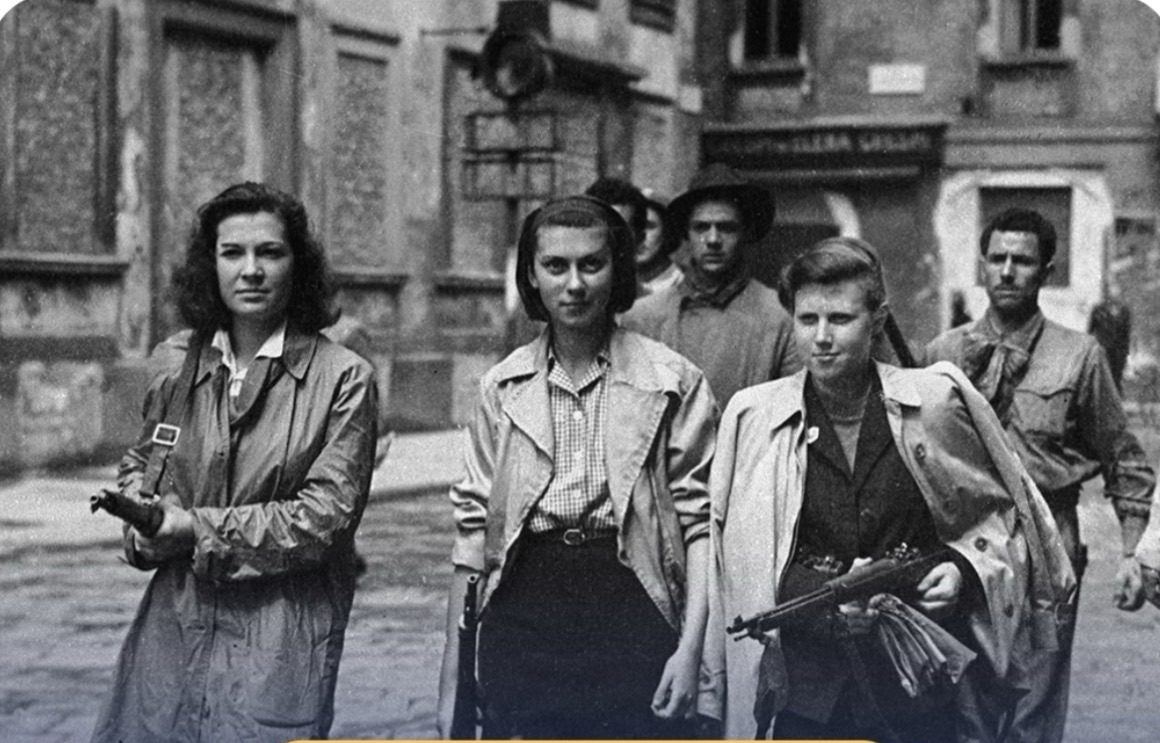
April 25th is also La Festa della Liberazione d’Italia, the anniversary of the liberation of Italia from Fascist occupation in 1945.  It has been a national holiday since 1946.  Viva la libertà!

Grazie to all of you for taking the time to read, comment, send messages and especially for giving me an excuse to share my images and research and write about things that interest me!   You know….’Devo fare ricerca per il blog’ (I need to do research for my blog) is my reason to do all the things I want to do! If you have any suggestions for future posts or just want to say ‘ciao‘, leave me a comment.

To those who discovered the blog more recently or visit occasionally, BenvenutoFind out more by reading Perché questo blog?/Why write a blog?’, ‘About me/Chi sono’ and my bilingual interview with Silvia L’Intervista con Silvia.

Grazie a tutti i lettori di ‘Un po’ di pepe’ per continuare a leggere e per avermi dato una scusa per usare le foto che ho scattato e per scrivere di cose che mi piacciono. Ormai posso usare la scusa ‘devo fare ricerca per il blog’ per tutto quello che voglio fare. Lasciatemi un messaggio se avete delle idee per un post o se semplicemente volete dire ‘ciao’.

Per chi ha scoperto il blog più di recente o lo visita occasionalmente, Benvenuto! Scopri di più leggendo ‘Perché questo blog?/Why write a blog?’, ‘About me/Chi sono’ e l’intervista bilingue L’Intervista con Silvia.Frecce Tricolori Festa della Liberazione 25 Aprile

Hopefully none of you will need to use your new commozione cerebrale terminology-but use undici whenever you can! Ciao, Cristina