Tags
Autumn harvest in Italy, Autumn in Italy, Dalla terra alla tavola, Dolcevitabloggers, Italian food
 Dalla terra alla tavola, farm to table cooking has always been a thing in Italia. Food is prepared using local, seasonal ingredients which are at their optimum flavor. Each season features its own specialties. I sapori d’autunno, the flavours of autumn, feature the fruits of the harvest. Visiting Italia in the autumn will not leave you hungry or thirsty! This is also a time to seek out sagre-wonderful food festivals dedicated to local specialties. There are regional differences, and specialties are prepared according to local tradition, but I will provide a general review of what you might find on your piatto. I am also including links to related previous posts and recipes.
Castagne (cas·TAH·nyeh). Chestnut trees have been growing in Italia since at least 2000 BC, the oldest ones being in Calabria. Pushcarts selling castagne calde in paper cones will be found all over the country. Everyone I know has an old pan at home with holes punched out the bottom to use for roasting castagne. Don’t you have one? Castagne can also be boiled with bay leaves or made into soup or chestnut honey, miele di castagne. Chestnut flour is used to make pasta which is eaten with pesto in Liguria, and Castagnaccio, a chestnut flour cake with olive oil, raisins, pine nuts, rosemary and orange rind. This cake is originally Tuscan, but can be found in other areas too. I tasted some in Roma, but it did not last long enough for a photo. Below is a poster for a Sagra della Castagna this weekend in Potenza, Basilicata. Zucca (ZOO·kah) Zucca and zucca gialla are pumpkin and squash. I adore zucca!
 It is used to make delicacies such as risotto di zucca, gnocchi di zucca and tortellini, ravioli or agnelotti stuffed with zucca, cheese, nutmeg and amaretti. Mmmm. No food goes to waste, so any leftover zucca goes to feed the pigs!
  Speaking of decreasing waste, I like to recycle my Hallowe’en pumpkin into gnocchi. Here you will find my recipe for gnocchi di zucca.
 Cachi (KAH•kee) are called persimmons in English. There are 2 kinds, hard and soft and both delicious. They are mostly eaten raw on their own or in salads.
 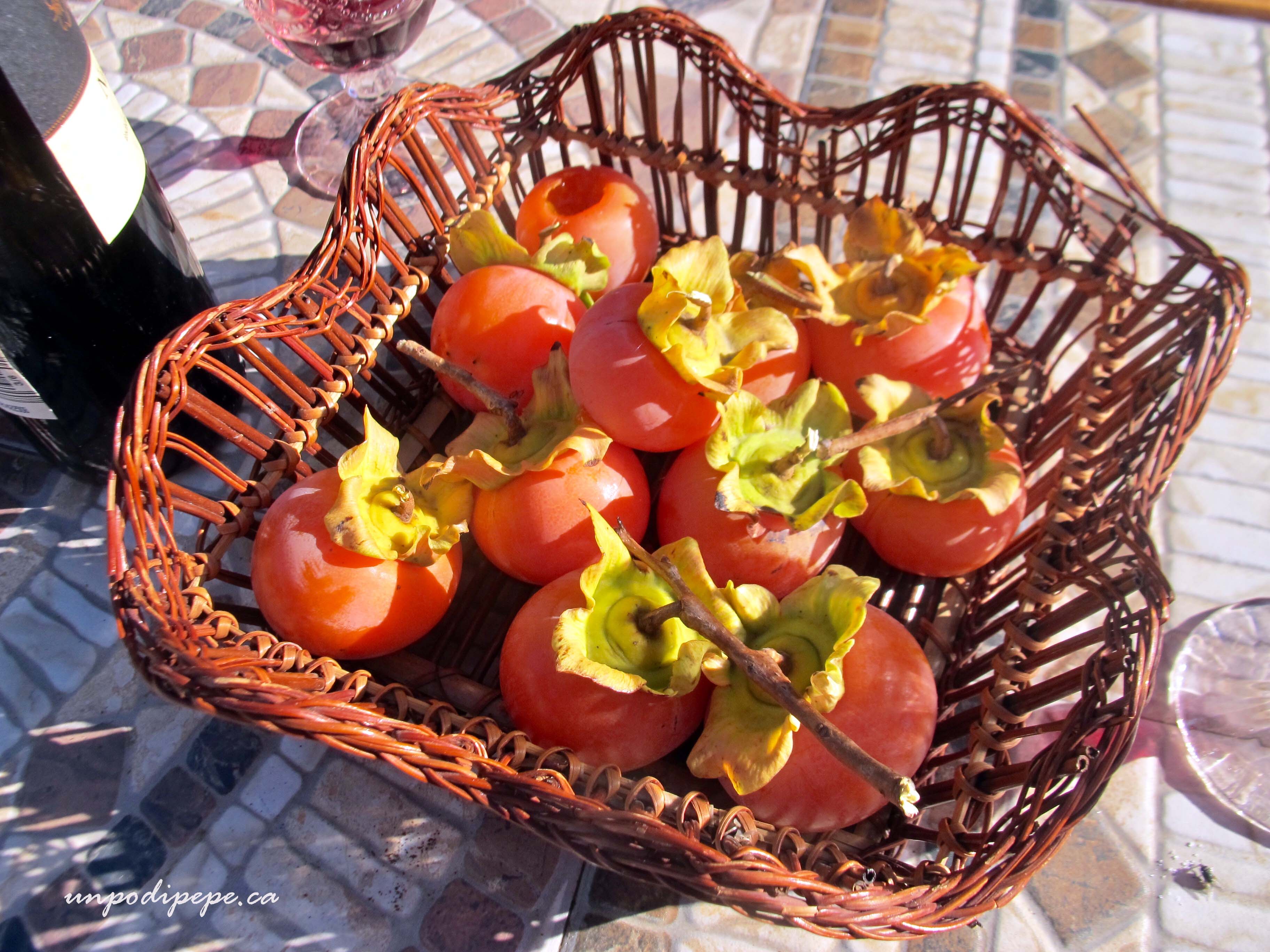 I picked these ones from the tree in the upper photo. It is in the olive grove that belonged to my Nonno. Papà has 2 trees full of cachi in Vancouver. We will pick them all in about a week and let them ripen in the garage.The incredibly gorgeous colour of cachi make them equally desirable as a painting subject.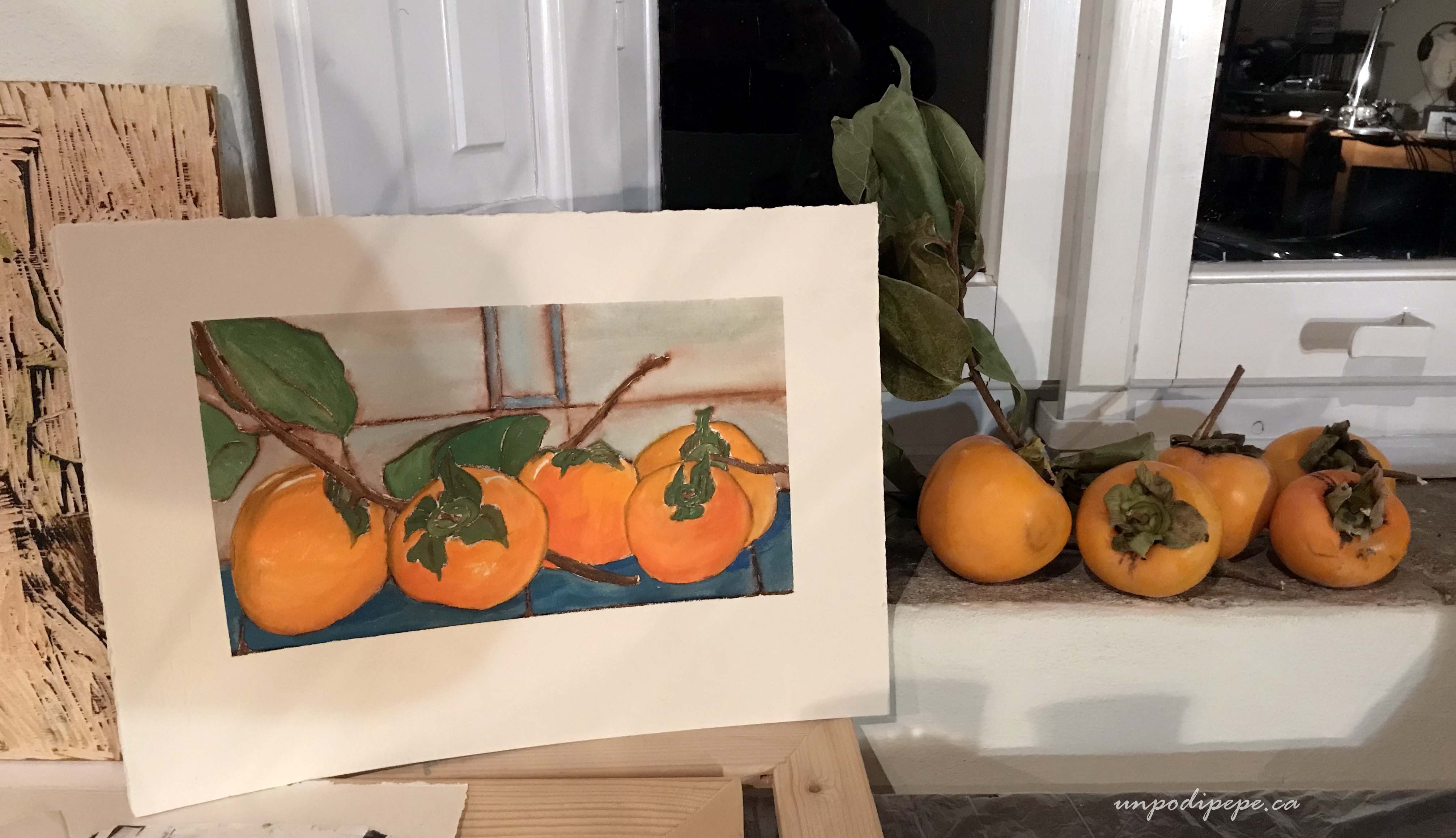
Funghi (FOON·gee) e tartufi (tar·TOO·fee). Funghi porcini are available dried all year, but only in autunno can you find the fresh meaty fungus. I also love funghi cardoncelli and any other kind of funghi on pasta or in risotto. Tartufi are truffles- but not the chocolate covered kind! Autunno is truffle foraging season. They are like underground funghi and are an expensive seasonal delicacy shaved onto pasta, eggs and risotto. I find too much tartufo gives food a moldy taste, so luckily you need a delicate hand and do not need to use much. They are only fresh from October to December, otherwise they are frozen or preserved in oil.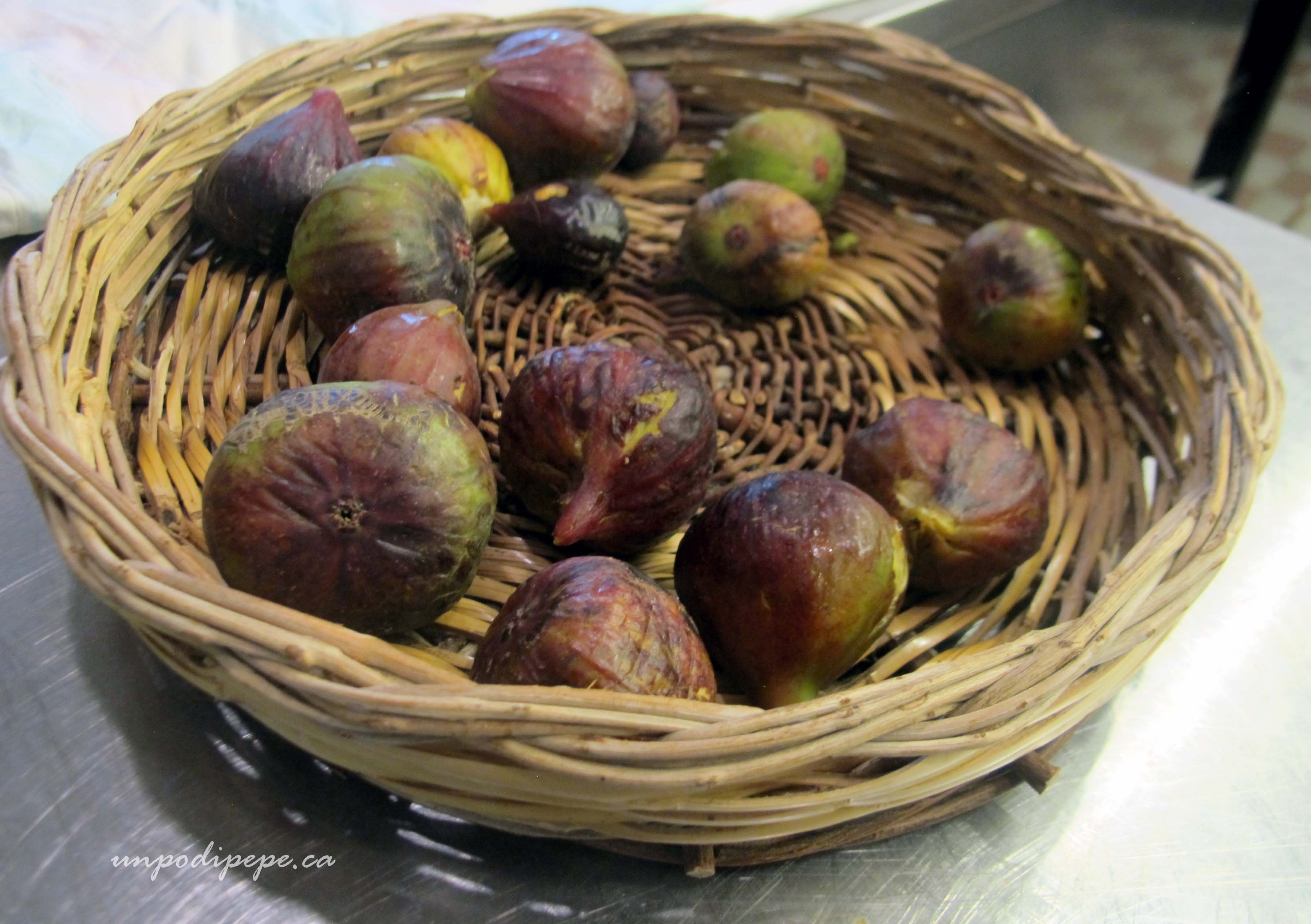
Fichi (FEE·kee). The second harvest of figs is ready in September/October, depending on the weather. Other fruits of the autumn harvest include bitter, spicy radicchio, mostly used in salads, but also cooked alla griglia and added to risotto and rapini which is used to make the Pugliese favourite orechiette con cime di rapa. Trees are full of noce – walnuts and nocciole-hazelnuts. Stay tuned for Corzetti with walnut and mushroom sauce recipe in an upcoming post about my new Corzetti stamp from Vernazza.  My favourite winter salad is Insalata Purtuall’ made with finocchio-fennel, oranges and black olives with a drizzle of olive oil and salt. Read about my interesting history with this salad in the link. Melograna-pomegranate adds extra flavour and colour.
 Uva (OO·vah). La vendemmia, the grape harvest, usually happens in September and then it is vino making time! A glossary of viniculture terms in Italiano can be found in this post on vino. Each region has their own traditional dishes made during this time, including schiacciata con l’uva, a focaccia made with grapes.
 I made this schiacciata from a recipe on Luca’s blog. It was delicious, but I would recommend using a smaller, seedless grape! Vino cotto, which is technically actually mosto cotto is grape must boiled down to a sweet molasses type syrup.
 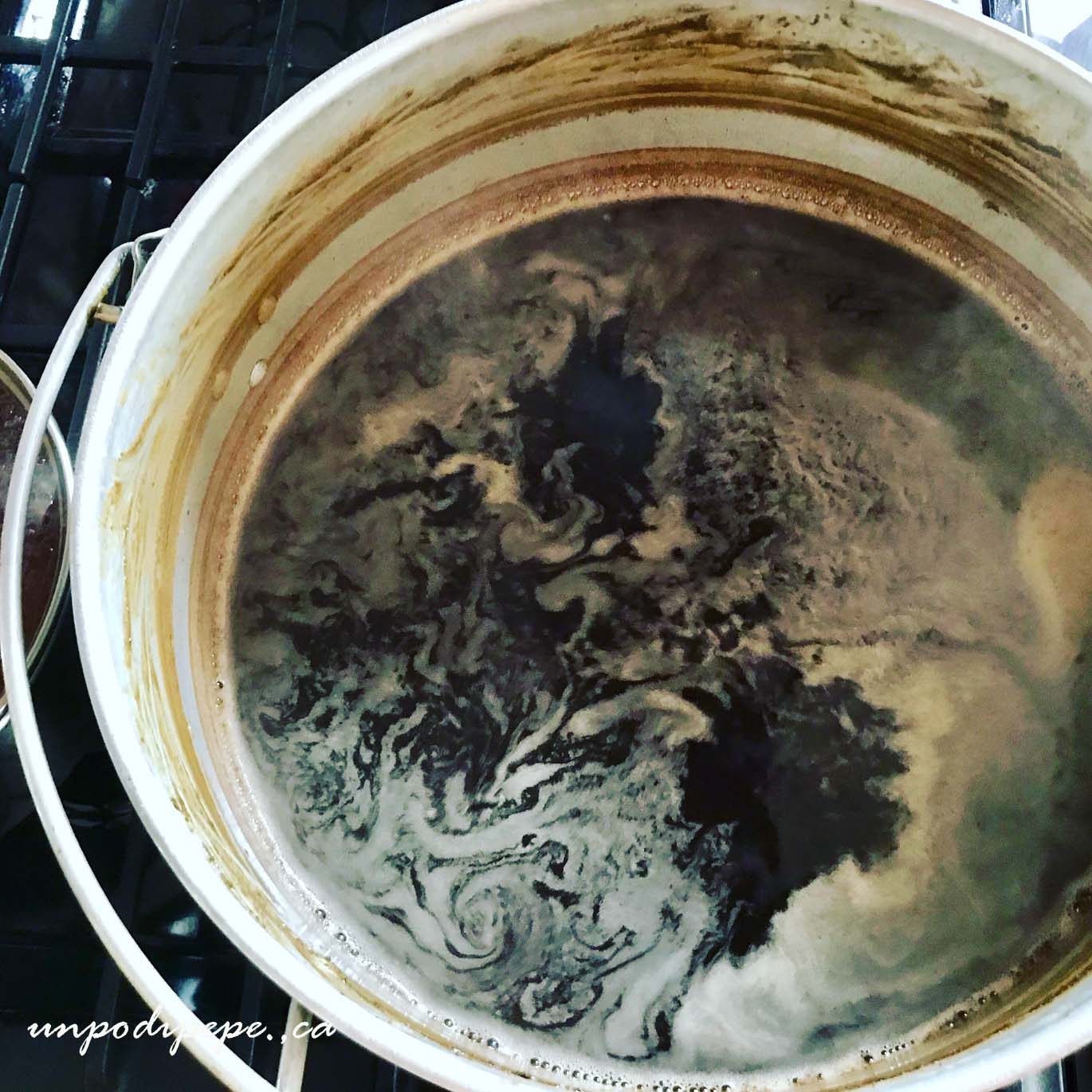 Vino cotto is used for Christmas dolci, sweetening snow cones, and poured on cooked wheat berries with walnuts and pomegranate to make muscitaglia for All Saints’ Day November 1st.
 Olive (o•LEE•veh). Late October and November is la raccolta delle olive-the olive harvest. This is an incredible experience, if you ever have a chance to participate. Everyone who lives in a rural area participates and it usually involves a picnic with many of the ingredients I have mentioned. I wrote a post describing the entire olive harvesting/oil extraction process-La Raccolta delle Olive.
 Nothing compares to the flavour and aroma of olio novello, fresh pressed olive oil. It is ‘liquid gold’. Even if you do not have access to freshly pressed oil, you can make the Olive oil limoncello cake that I made at Casa Berti in Lucca after harvesting olives.
 November is also hunting season, which means pappardelle al cinghiale and pappardelle al lepere, pasta with a wild boar sauce and pasta with wild rabbit sauce. As the temperature drops, warm comfort foods increase. Polenta is found mostly in Northern Italia, but in the cold months, it is made in homes all over the country.
  Other autumn comfort foods include pancotto e patate, pasta e fagioli and risotto made with almost any of the ingredients mentioned in this post-even radicchio. Drool over my November street food-fire baked caciocavallo in its own little terracotta dish. Mmmm!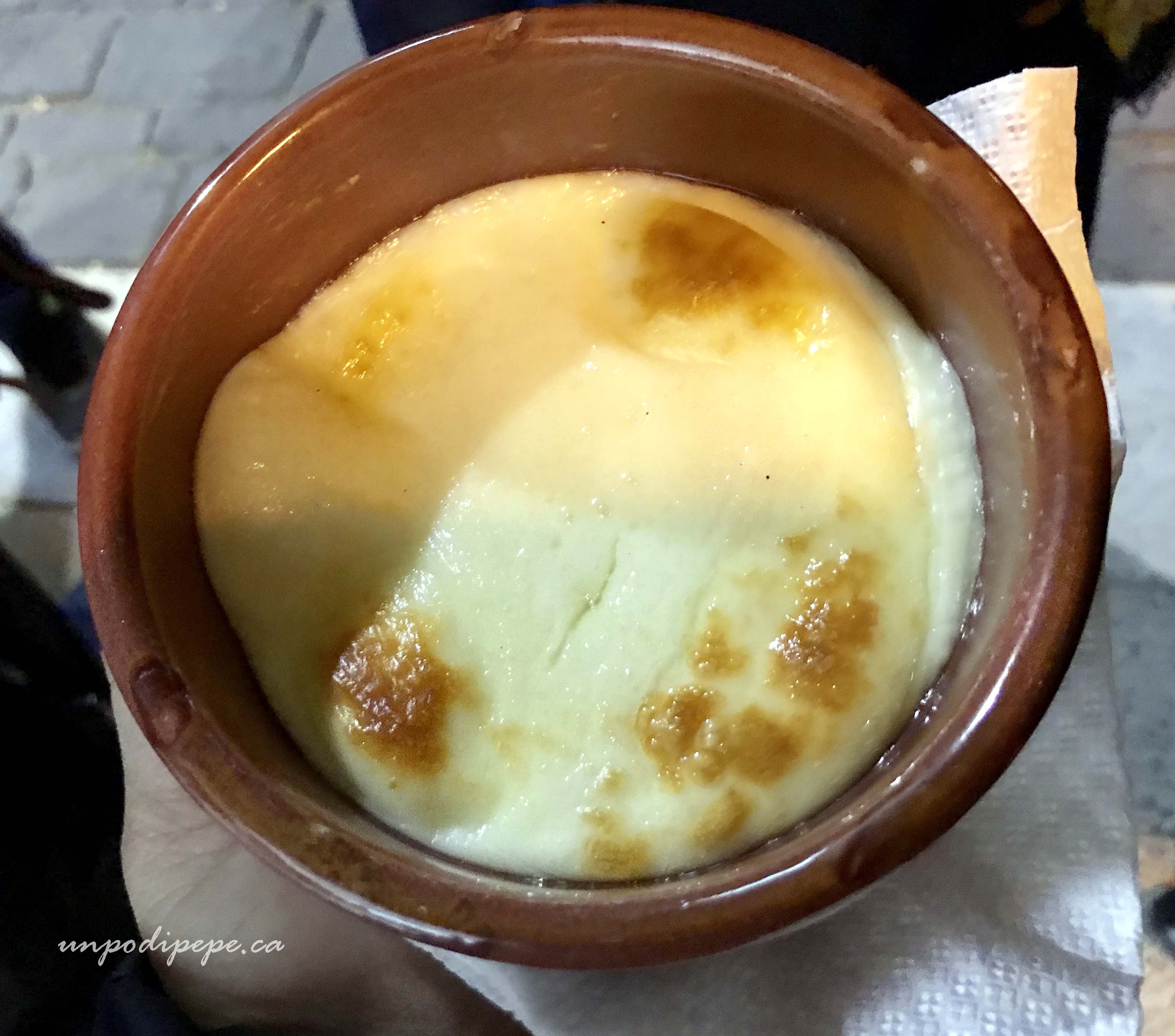
‘Italy in the Autumn’ is the topic for the final Dolce Vita Bloggers linkup. Since I already published a post about travelling to Italia in the autumn called Autunno in Italia, I wrote about the wonderful food available in autumn instead!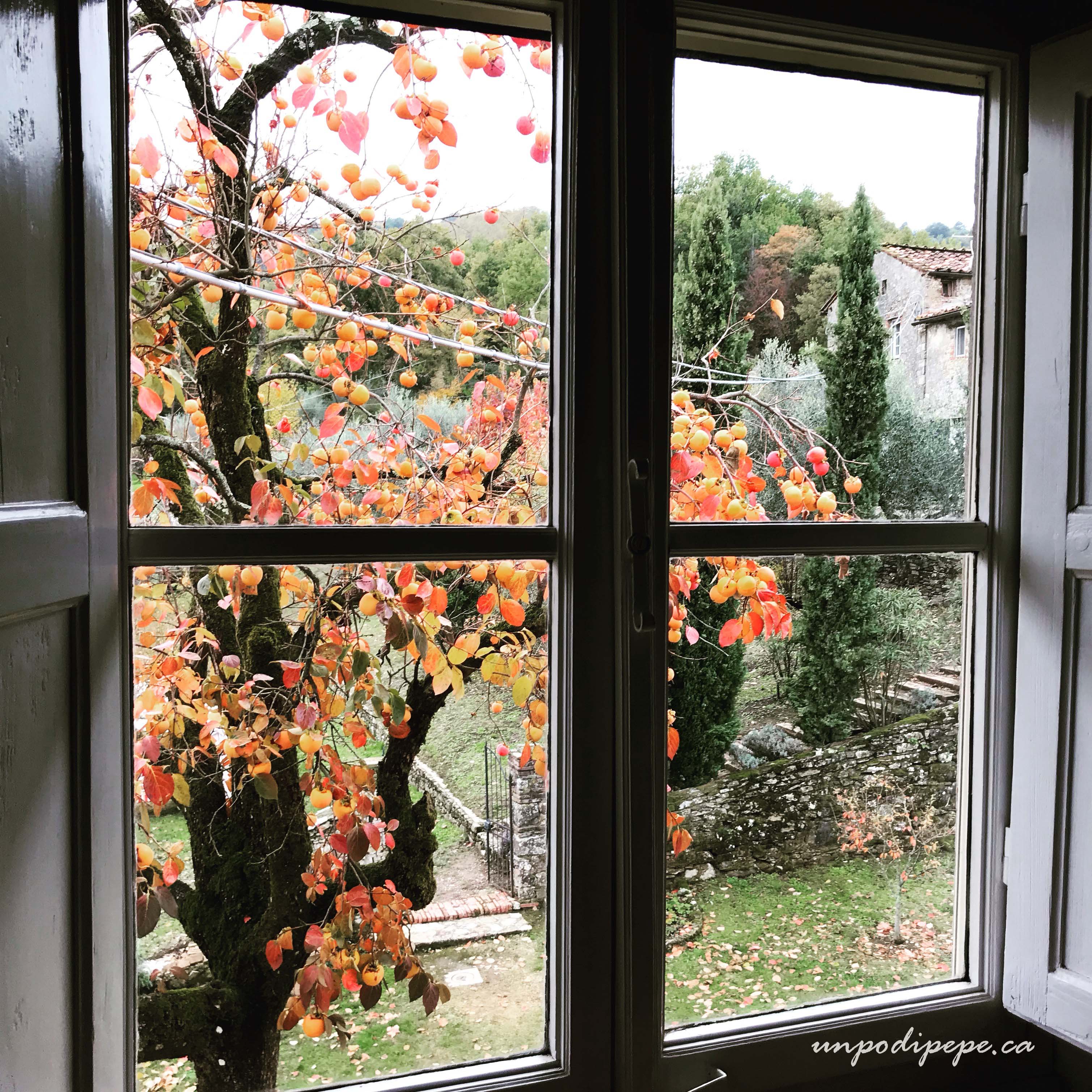
Grazie mille to Kelly, Jasmine and Kristy for hosting the Dolcevitabloggers linkup for the past 2 years. It has been fun participating! Check out the rest of the posts here.
Hopefully I made you hungry! Buon appetite e buon viaggio, Cristina







 Un po' di pepe