Tags
Cucina Italiana, Cucina povera, Culinary Culture, Italian food, Traditional recipes, UNESCO World Heritage Sites
Last month, UNESCO* (United Nations Educational, Scientific and Cultural Organization) recognized Cucina italiana/Italian cooking, as part of the Intangible Cultural Heritage of Humanity (Patrimonio Culturale Immateriale dell’Umanità).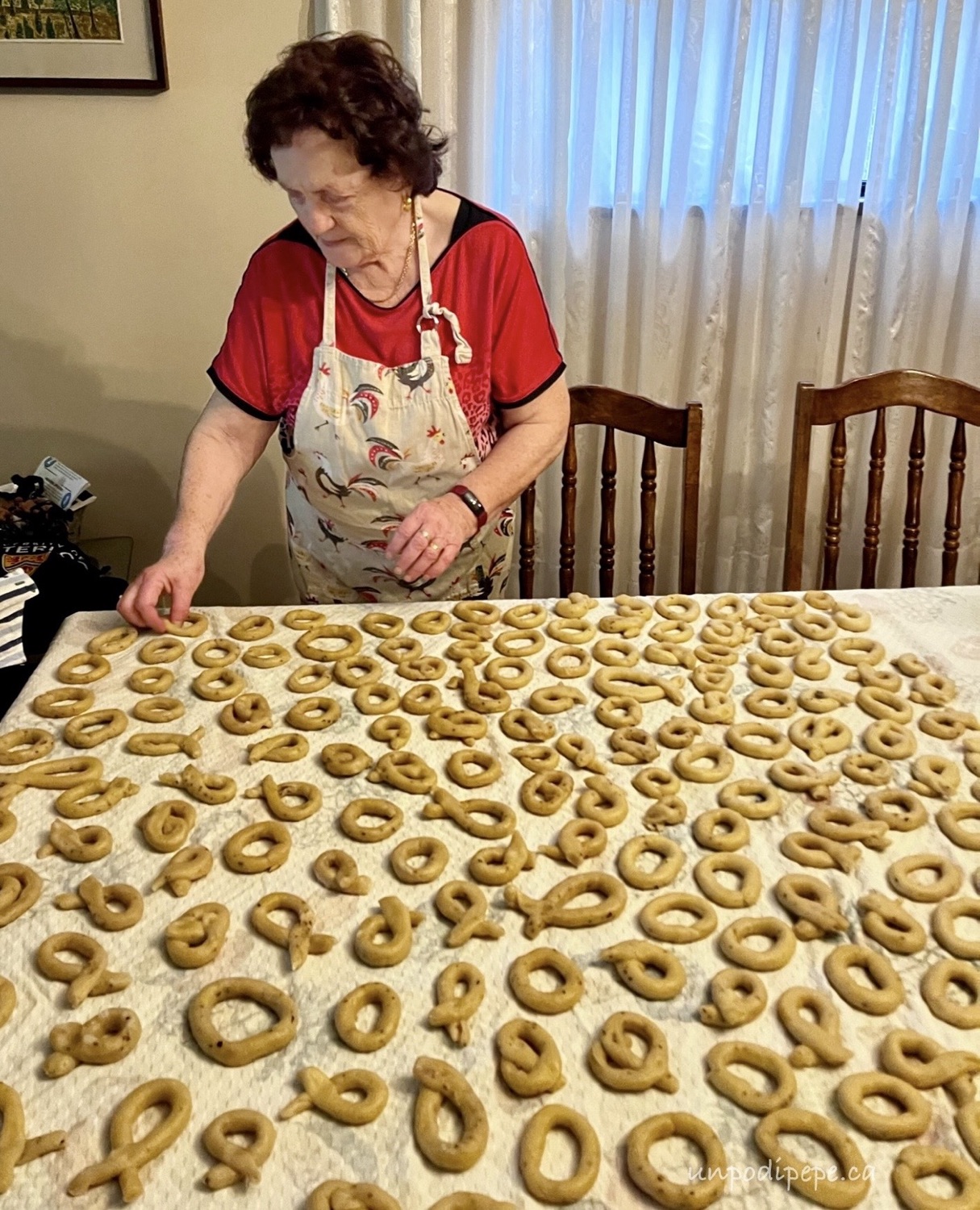
For the first time, this designation is given to an entire distinctive national food culture rather than to a single dish or tradition. For example, previous entries include ‘The art of the Pizzaiuolo Napoletano‘ (2017) and the ‘Mediterranean Diet’ (2020).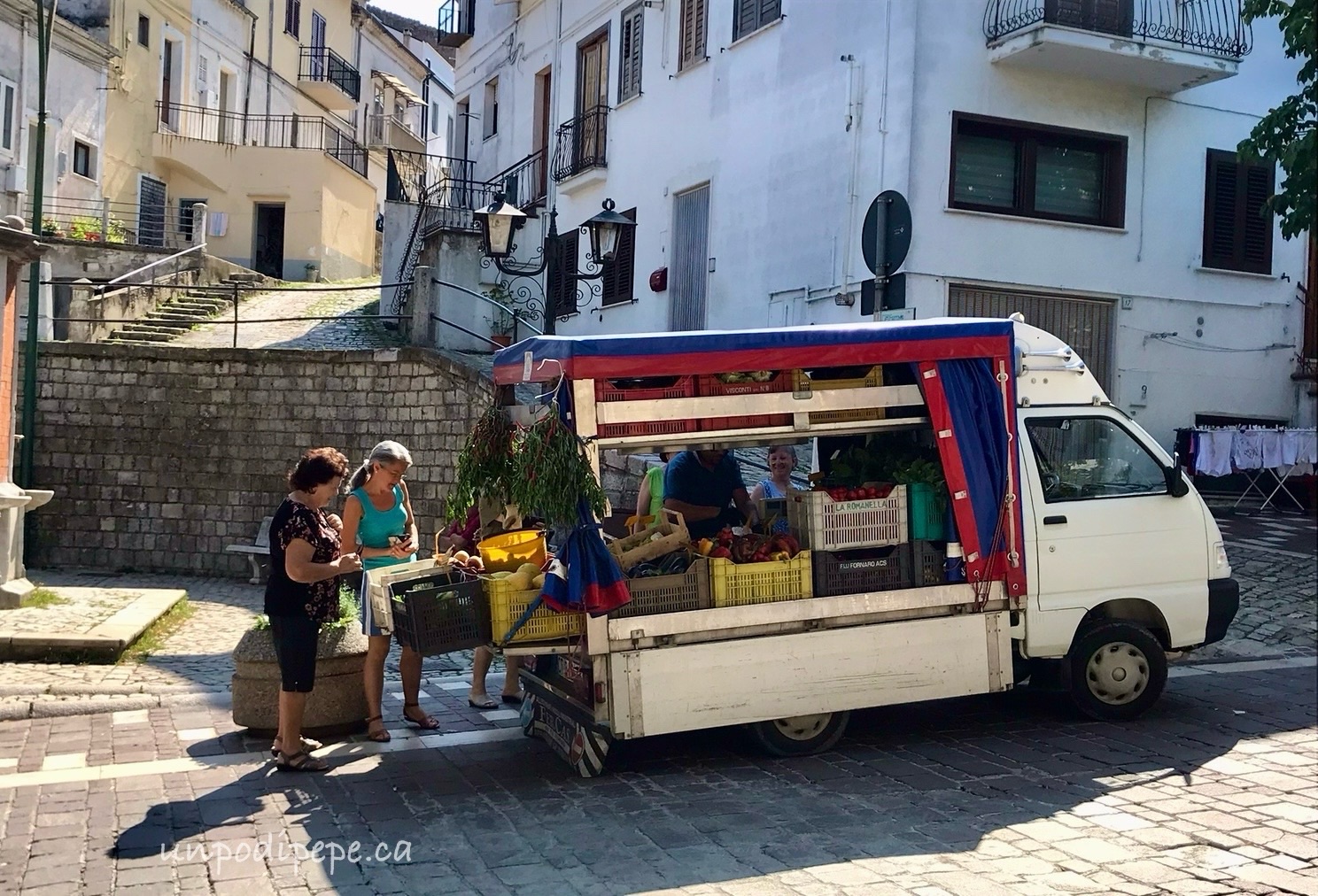
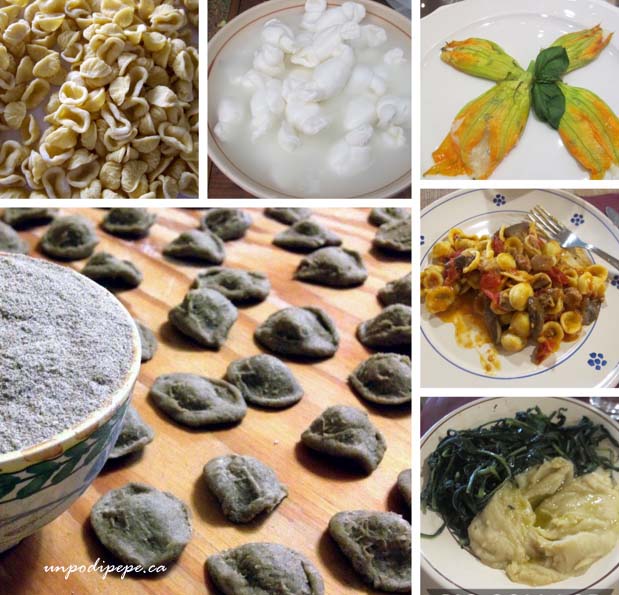
This recognition is not about specific dishes or products. It celebrates Cucina Italiana as a living heritage, similar to a language, deeply rooted in culinary traditions, community and local diversity. Also highlighted are biocultural diversity and sustainability, referring to the regional variety of Italian cooking, seasonality of fresh, local ingredients, respect for ingredients, and zero waste practices. Cucina Italiana is based on centuries of survival and cucina povera.
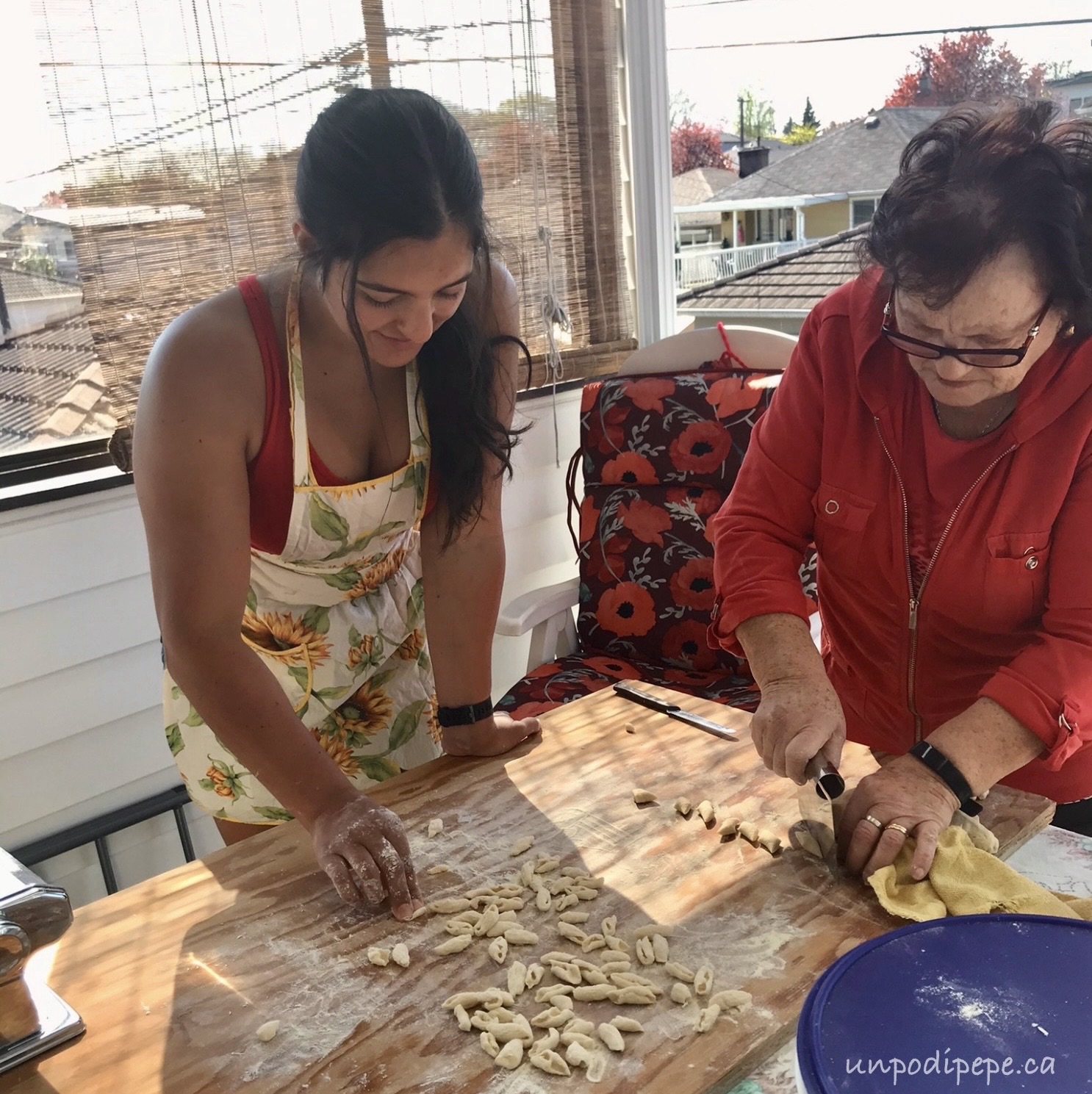 There is intergenerational transmission of artisanal food preparation techniques, skills, knowledge, and stories, often via i nonni. Cucina Italiana provides a way to express love, preserve traditions and promote a sense of cultural identity, while gathered to share meals around the table.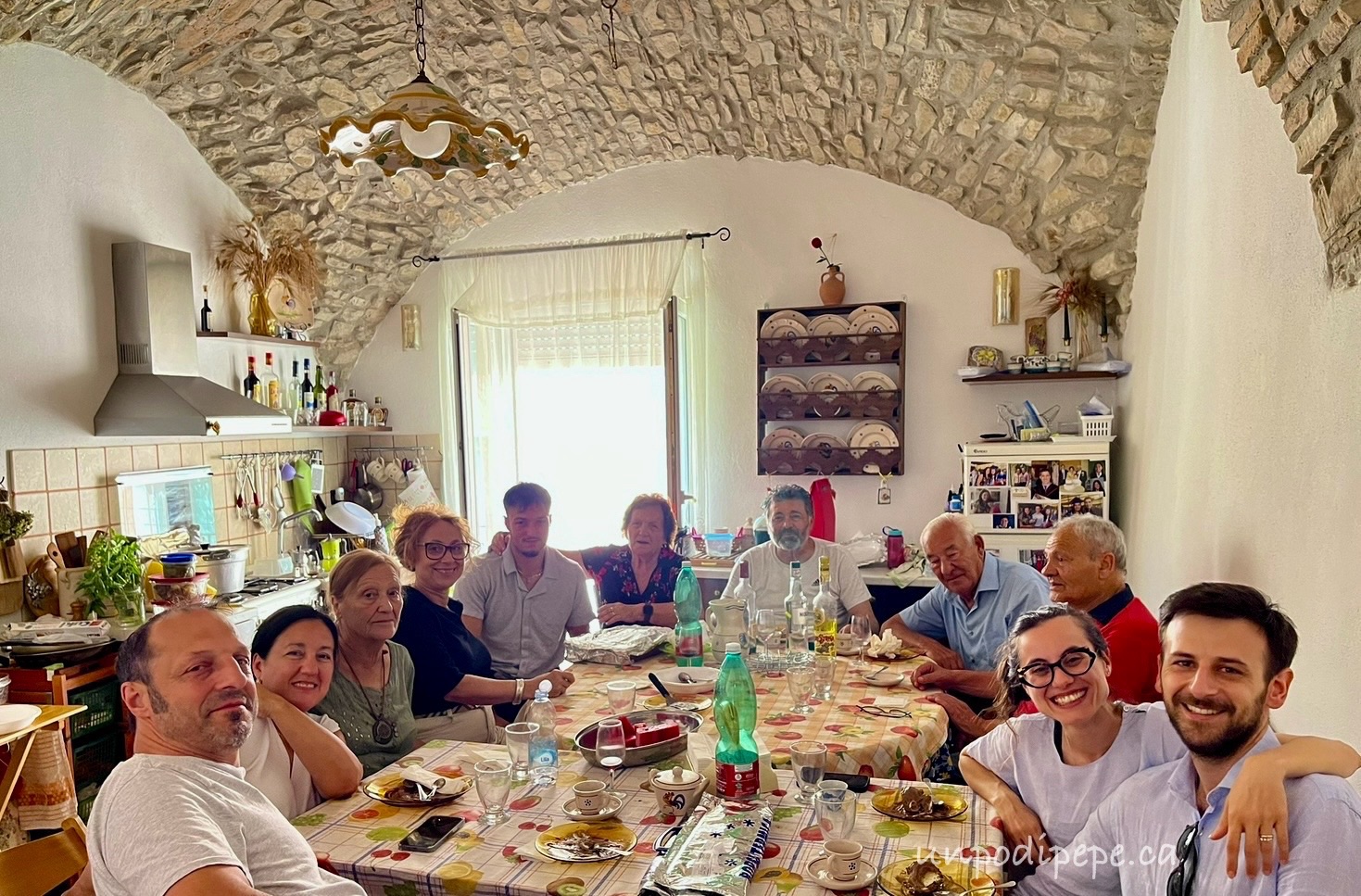
What does this UNESCO recognition actually mean? Italian Prime Minister Giorgia Meloni called this a victory for Italian identity, protecting food systems, and boosting the economy. Will this actually protect us from ‘Italian sounding’ products? Likely not, but through awareness and transmission of knowledge…such as what I aim to do with this blog….it can help protect local Italian culinary culture and promote respect for ingredients and preparation techniques. Most people enjoy eating Italian food, but really know very little about it.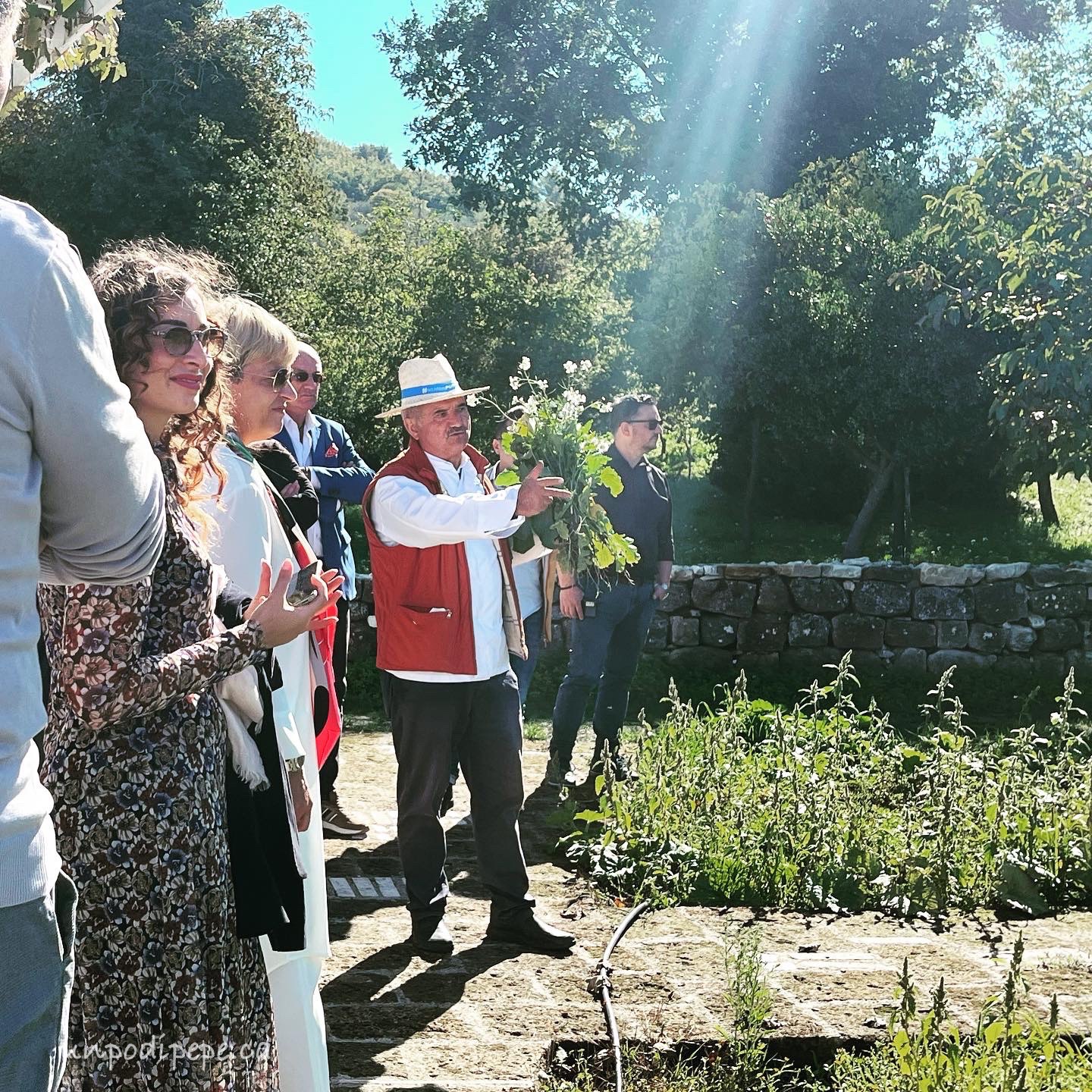
If you are fortunate enough to still have nonni, make sure to learn absolutely everything you can from them while it is still possible. Be a spugna (sponge) and absorb all the knowledge!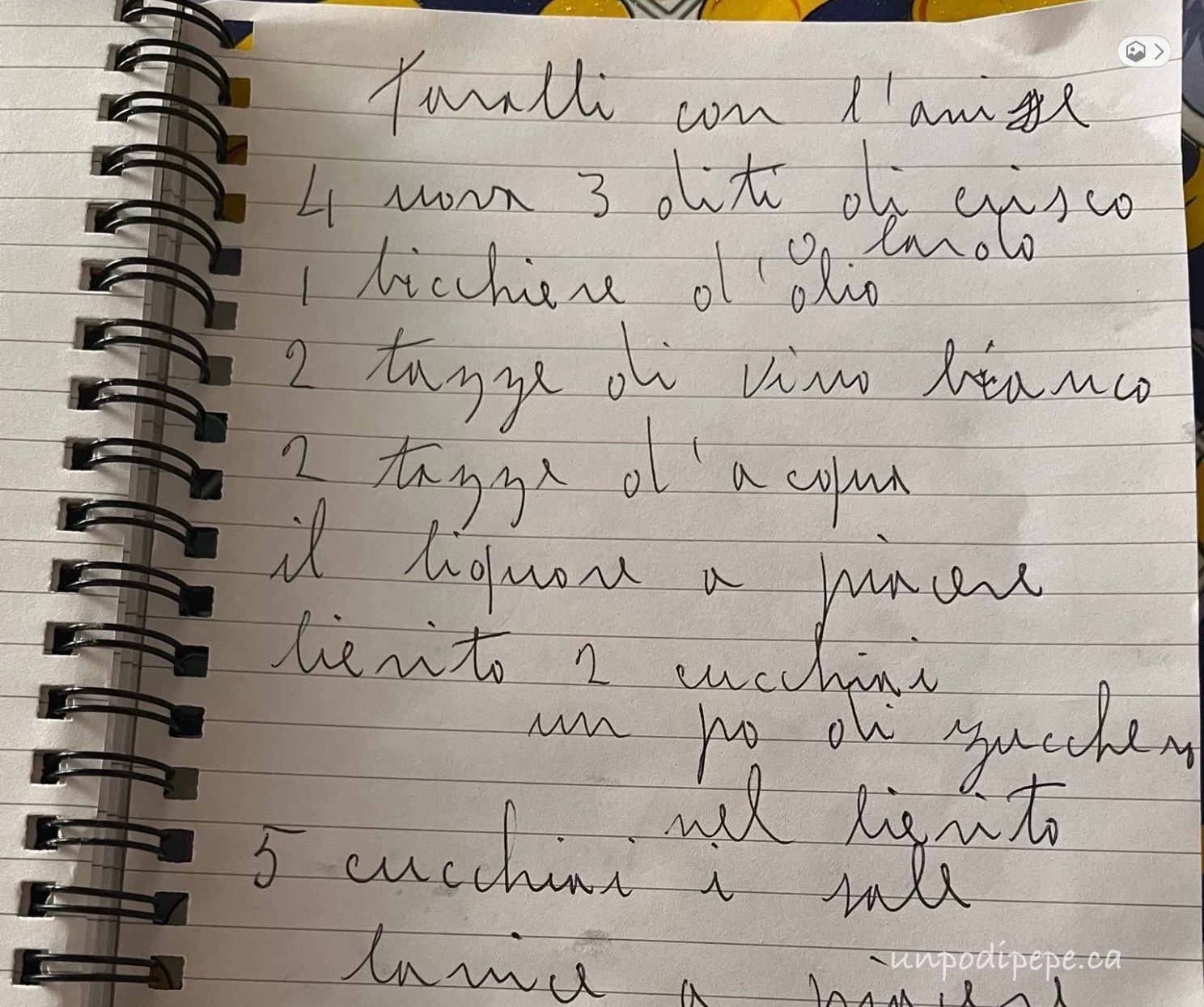
Learn more about cucina povera and the resilience of our contadini ancestors in the post Grano Arso.
*UNESCO (United Nations Educational, Scientific and Cultural Organization) is a UN agency that protects biodiversity, safeguards world heritage, promotes quality education, and combats misinformation. UN World Heritage Sites spotlight physical places and monuments worth celebrating and preserving. Intangible cultural heritage does the same for cultural practices and safeguards cultural traditions at risk.
Italia has 61 entries (55 cultural, 6 natural) on the UNESCO World Heritage list and 30 entries on the tentative list. To read other Un po’ di pepe posts on UNESCO World Heritage entries, enter UNESCO in the search bar.
Buon appetito, Cristina


 Un po' di pepe