 Napoli is one of the oldest continually inhabited urban areas in the world. It was founded by Greek sailors from Rhodes in 680 BC. They named her Parthenope after the siren who tried to lure Ulysses. In 474 BC it was renamed Neapolis, meaning ‘new city’ giving us the present name as well as the anglicized Naples. After Roma and Milano, Napoli is the 3rd largest city in Italia.
Napoli is an open air museum layered with 2800 years of history-from Ancient to Medieval, Renaissance and Baroque, with ruins, castles, historic buildings and monuments. It was one of the wealthiest cities in Europe before Italian unification of 1860. Allied bombing during WWII caused severe damage, resulting in extensive reconstruction after 1945. Napoli’s Centro Storico, the largest in Europe, still has the rectangular grid layout of the original Greek streets, called Decumani and has been a UNESCO World Heritage Site since 1995.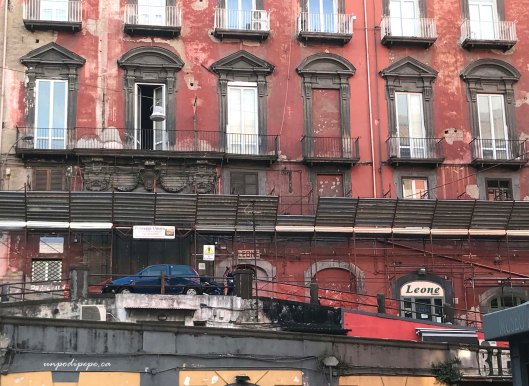
Napoli is underrated, misunderstood and does not get the love it deserves, except from fans of Elena Ferrante novels. News of corruption, the Camorra and ongoing garbage crises give it a bad rep. It it ironic that everyone-including many Italians fears for their life and thinks it is just a crime pit, when Napoli is actually safer than most large North American cities. It is vibrant, wonderfully chaotic, full of life and passionate, friendly people. Napoli has an ‘edge’ to it and is anything but boring! 
Not even 2 hours from Orsara di Puglia, I had only been to Napoli to take ferries or fly home. 2 years ago, I decided just days in advance to arrive by bus the day before my flight and stay 24 hours. Best plan ever! Last year I went for the day with my cugino who had an airport pickup, and took the bus home for €11.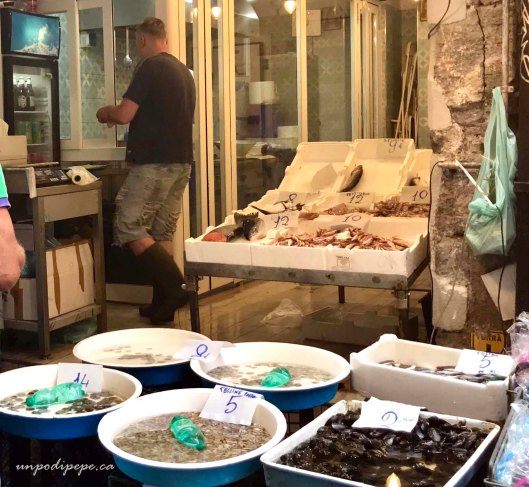
I would not advise anyone to see Napoli in one day. 3-4 days is needed, not including daytrips to Pompeii, the Amalfi Coast, Capri or Ischia. However, if you have only un giorno-one day to spare, because you are headed somewhere else or taking a daytrip, this is my suggested itinerary!
My first full day in Napoli was a last minute plan. I had 4 ‘must see’ things on my list. They were all walking distance from Piazza Dante, so I booked a night at the wonderfully named ‘Il Paradiso di Dante’. If arriving at the Stazione in Piazza Garibaldi or the bus terminal behind it, all of the destinations are easily reached on foot or by Metro. A day ticket for the Metro is €4.50. From Capodichino airport, the Alibus is a 15 min non-stop ride to Piazza Garibaldi for €5.
I realize few people will drool over ancient frescos or Caravaggio for as much time as I do, so I am adding a few extra sites along the way. This itinerary can be done in reverse and/or in different order. 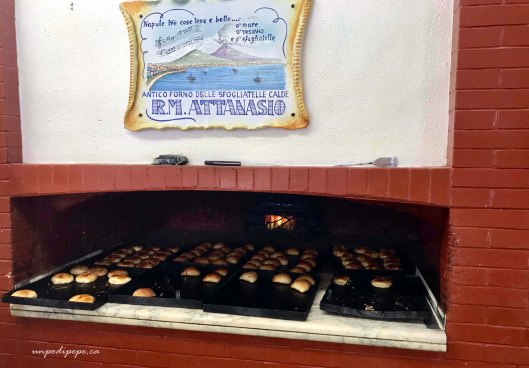
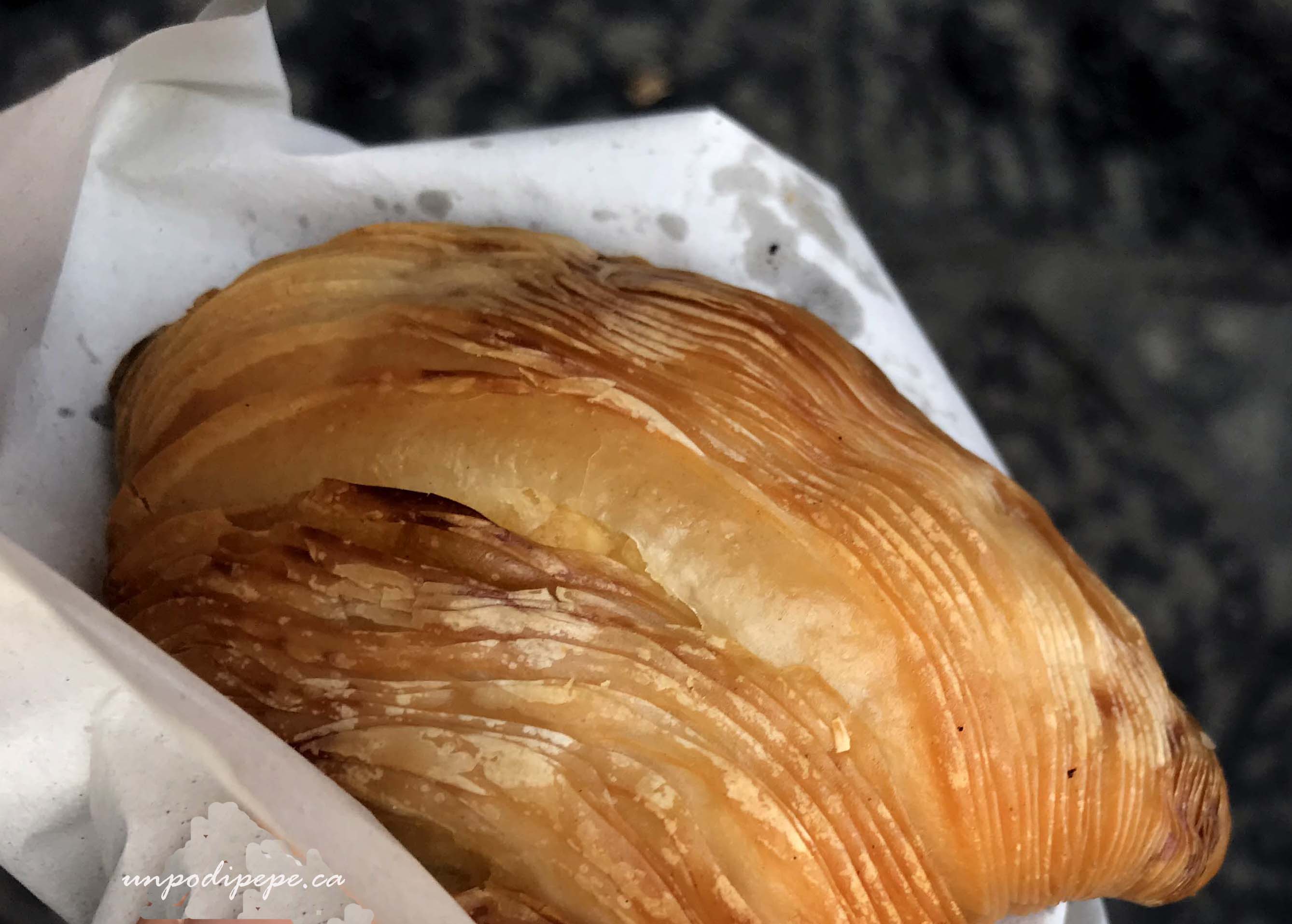
The first stop on any visit to Napoli is for Sfogliatelle –crunchy layered pastry, filled with sweet ricotta, lemon and candied peel. Sfogliatelle in Napoli are delicious and inexpensive. The best are served straight from the oven at Antico Forno Attanasio, Via Ferrovia 1-4 just a few blocks from Piazza Garibaldi. At €1.30, why stop at just one? The lineup moves quickly. The sign above the oven says ‘Napule tre cose tene belle….o’ mare o’ vesuvio e sfogliatelle’ / Napoli has 3 beautiful things….the sea, Vesuvius and sfogliatelle.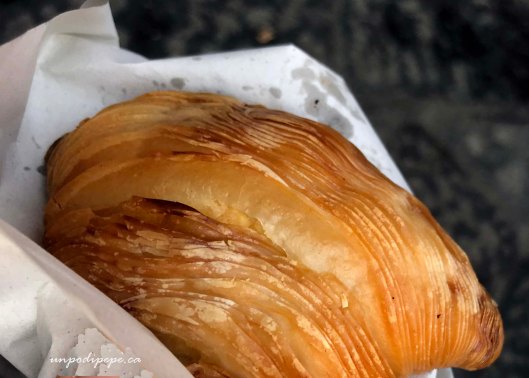
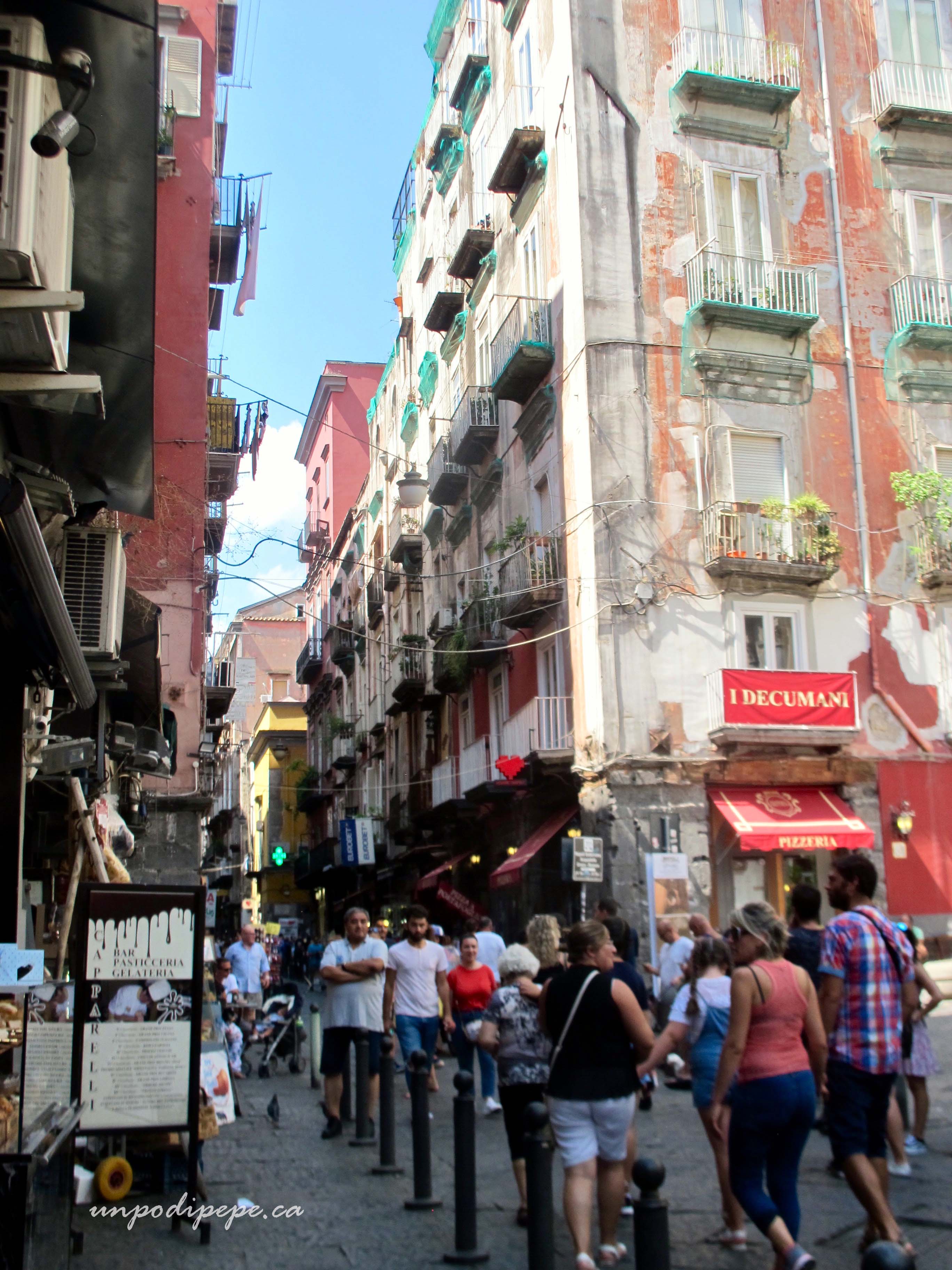
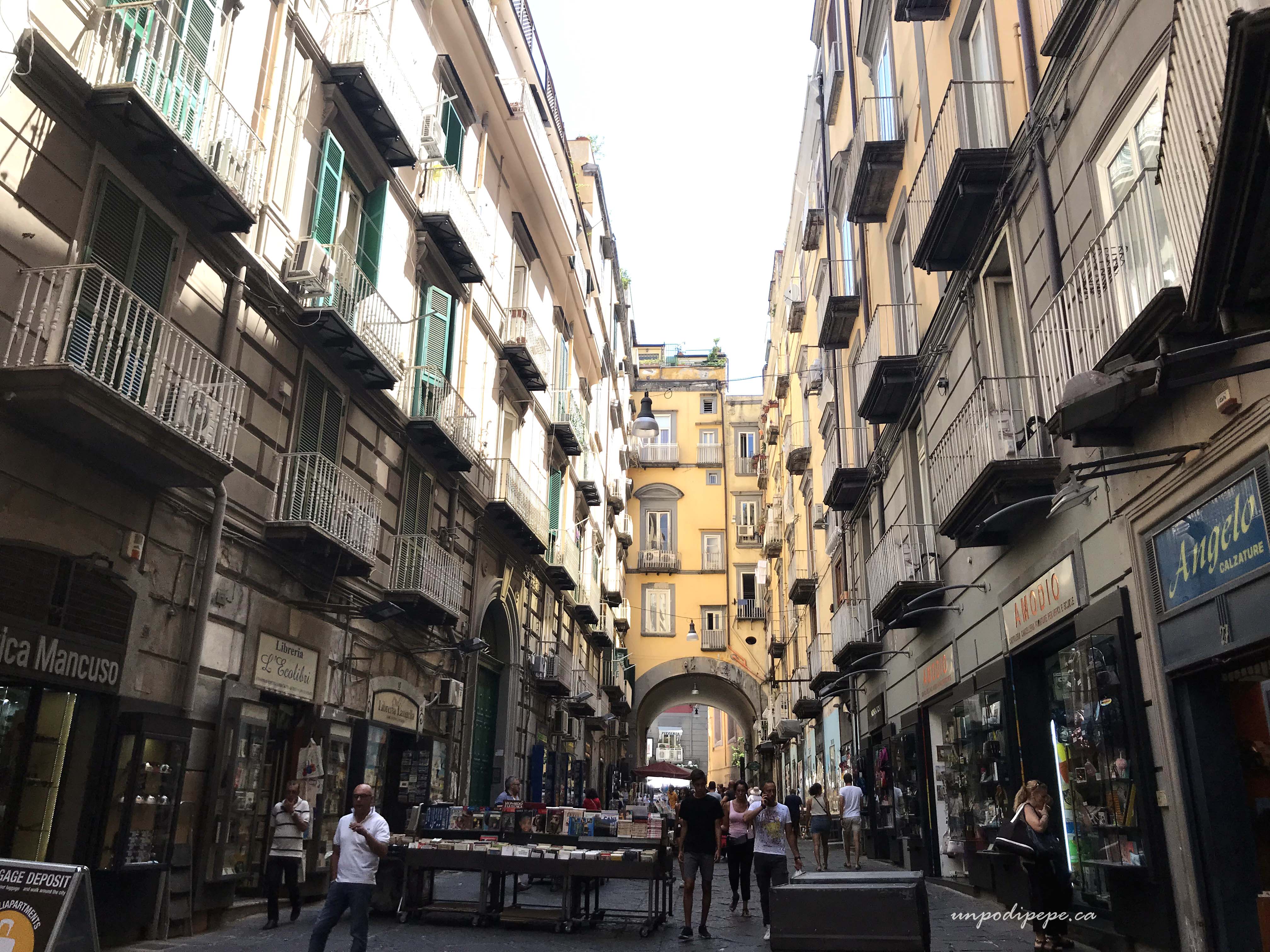
Walk down Corso Umberto I to Via Duomo (or Metro to Museo if reversing). Turn right on Via dei Tribunali a long narrow street packed with great stuff. It is one of the original Greek Decumani. Napoli has elevated graffiti into an art form, so keep an eye out for cool street art.
 First stop is the small octagonal church Pio Monte della Misericordia to see Caravaggio’s masterpiece 7 opere di Misericordia-7 Acts of Mercy hanging where it has been for over 400 years. Napoli has been a capital of the Baroque since the 1606 artistic revolution following the arrival of Caravaggio. Admission is €8. Open daily from 9:00-18:00 except Sunday it closes at 14:30. Do not miss this and click the link to read my post!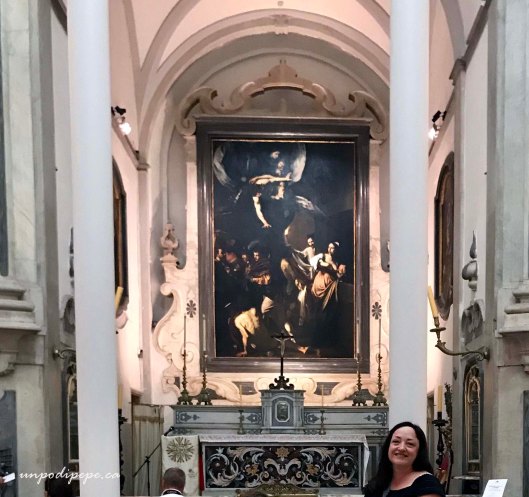
Not even 100 m away is the Duomo Santa Maria Assunta built on the site of a temple of Neptune. It was ruined in the 1456 earthquake and repeatedly renovated, resulting in a mishmash of styles and a Neogothic facade. The church is often called San Gennaro- Napoli’s patron saint. The Cappella di San Gennaro contains an ampule of his blood that is brought out on the 1st Saturday in May, September 19th and December 16th for the miracle of his blood liquefying.
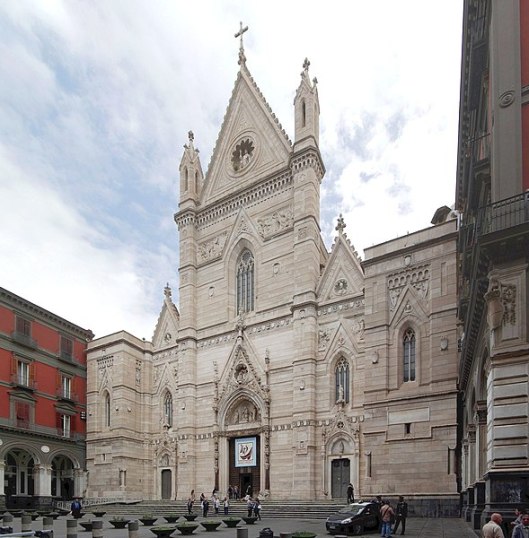
Duomo di Napoli. Image Wikimedia Commons
The entrance to Napoli Sotterranea is close by on Via dei Tribunali. Napoli’s stratified history is visible here…..40 m below street level are Greek structures, Roman aqueducts and cisterns, catacombs, a Bourbon royal escape tunnel and stuff left over from 1945 when the underground was an air raid shelter! The tour is 1.5 hours so I have never had enough time, but it sounds fascinating!
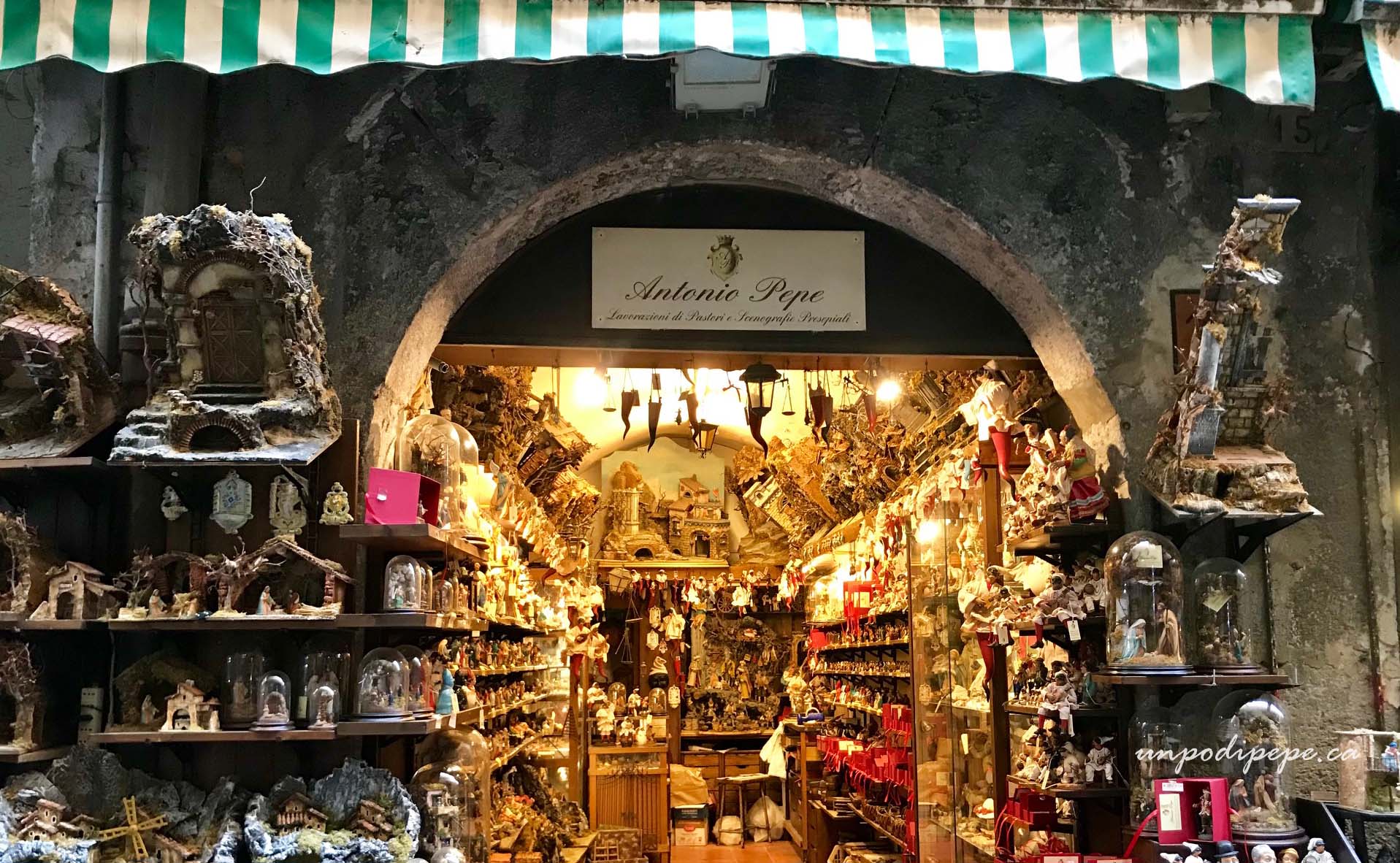
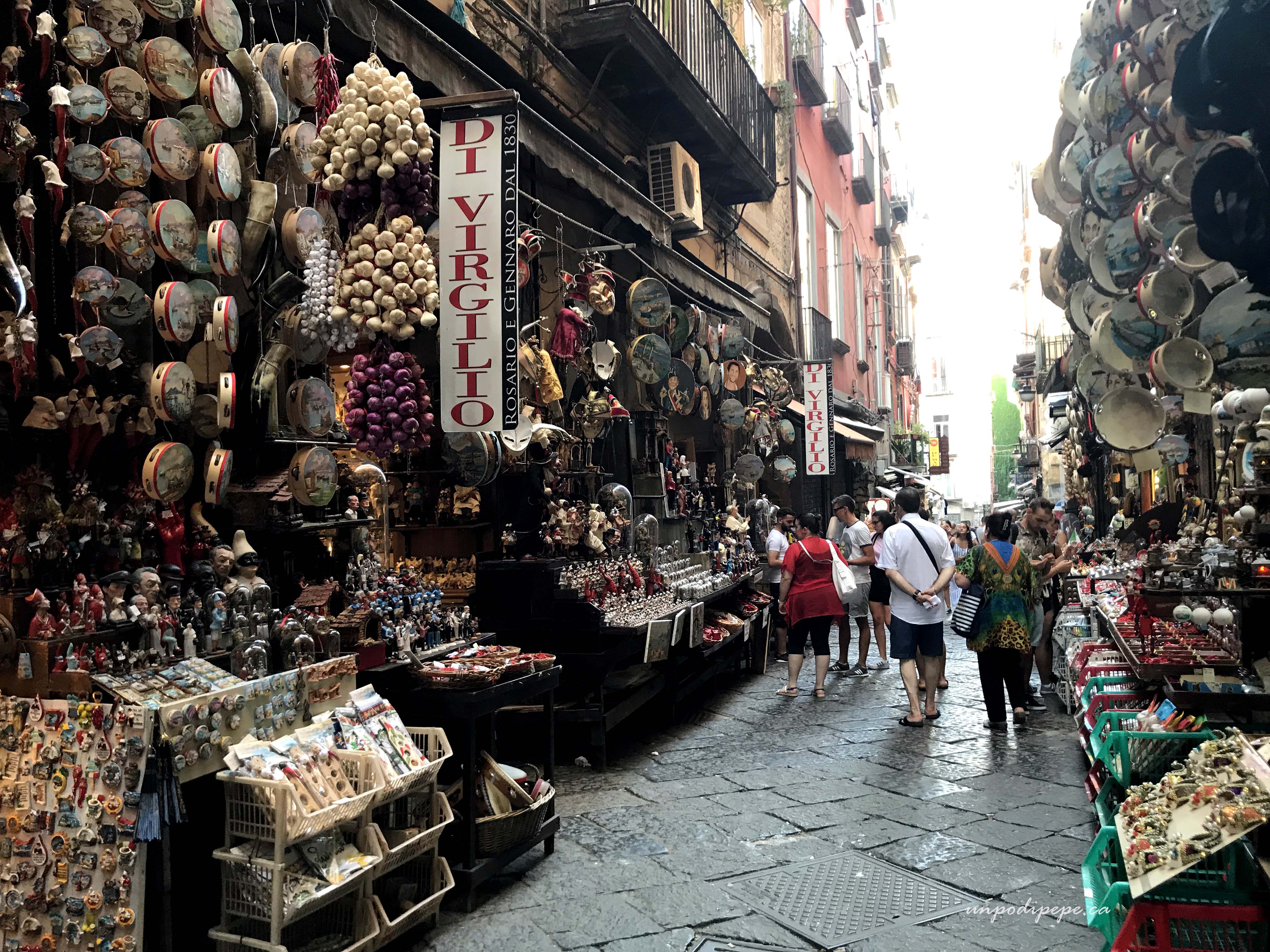
 At Piazza San Gaetano turn left onto Via San Gregorio Armeno. Napoli has a long presepio– Nativity Scene tradition. This street is full of artigiani– artisans making presepio pieces along with figurines of contemporary personalities. I like to visit the bottega of Antonio Pepe.
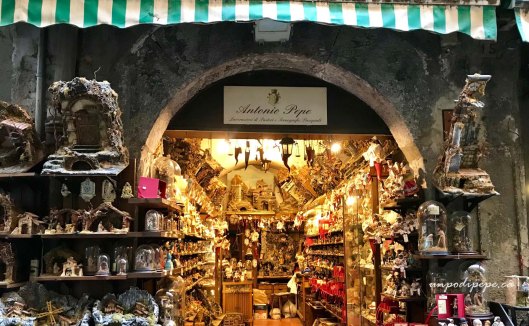
‘Lavorazioni di Pastori e Scenografie Presepiati Antonio Pepe’, Via San Gregorio Armeno, Napoli (no relation!)
The end of this street intersects with the one parallel to Via dei Tribunali, another of the Decumani, called ‘Spaccanapoli’ meaning ‘cut across Napoli’ because it cuts the centro storico in half. There may be time later to visit the Chiostro di Santa Chiara, cloisters with beautiful majolica tile work.
Back on Via dei Tribunali turn left at Piazza Luigi Miraglia to Via Francesco de Sanctis 19, the Cappella San Severo. My Zia told me not to miss this! It is a Baroque chapel with strict security, admission limits and no photography allowed. Lineups can be long, but I only waited 30 minutes.
 The main attraction is Giuseppe Sammartino’s jaw dropping 1753 sculpture Cristo Vellato- Christ laying on a mattress, covered in a sheer veil with a lace edge-all sculpted out of marble. It is so lifelike, the urge to reach out and touch it is hard to resist. The owner, Prince Raimondo di Sangro dabbled in alchemy. Baroque urban legend is that he taught the artist how to calcify a veil with marble crystals…but it is actually sculpted. The small Chapel is filled with other magnificent works of art. Admission is €8 or online €10. Open 9:00-18:00. Closed Tuesdays! It may be better to see this first then walk back to Via S Gregorio Armeno.
When hunger strikes, there is plenty of cibo di strada-street food available on Via dei Tribunali and Spaccanapoli. Fritto misto –fried fish or vegetables in paper cones, pizze fritte and pizza al portafoglio are all delicious. Sfogliatelle and babà are €1! 
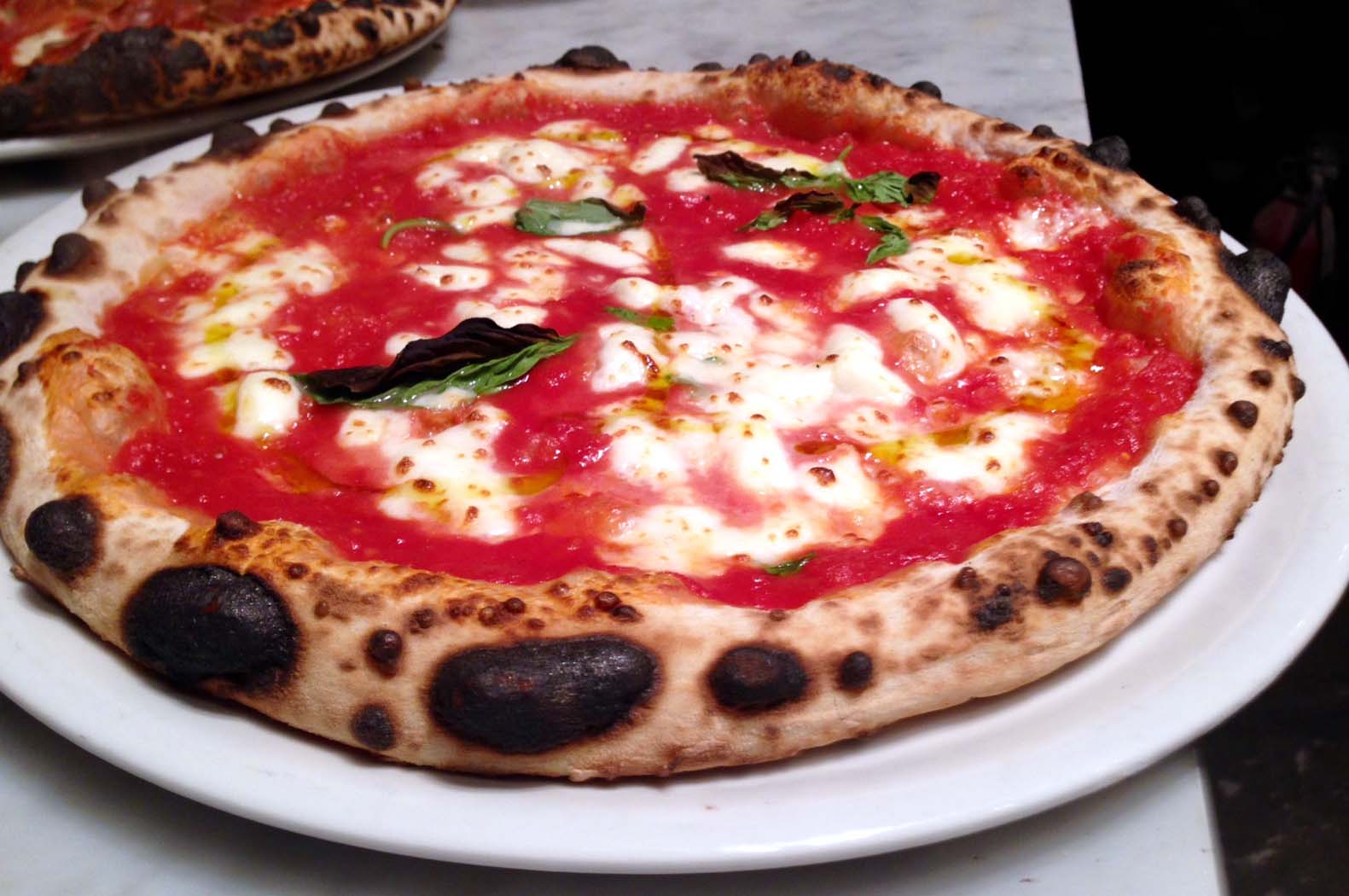
Via dei Tribunali is also home to Gino Sorbillo pizza, which always has lineups. The line moves quickly, but with a shortage of time, try one of the less known places. It is hard to find bad pizza in Napoli!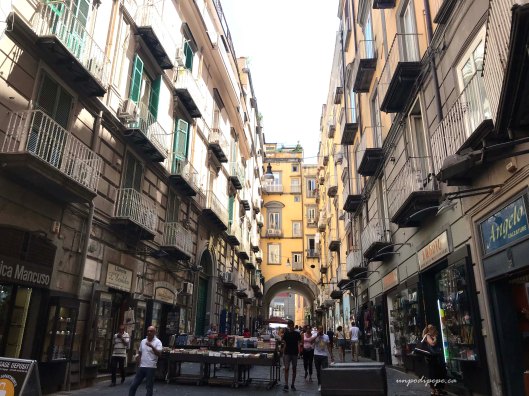
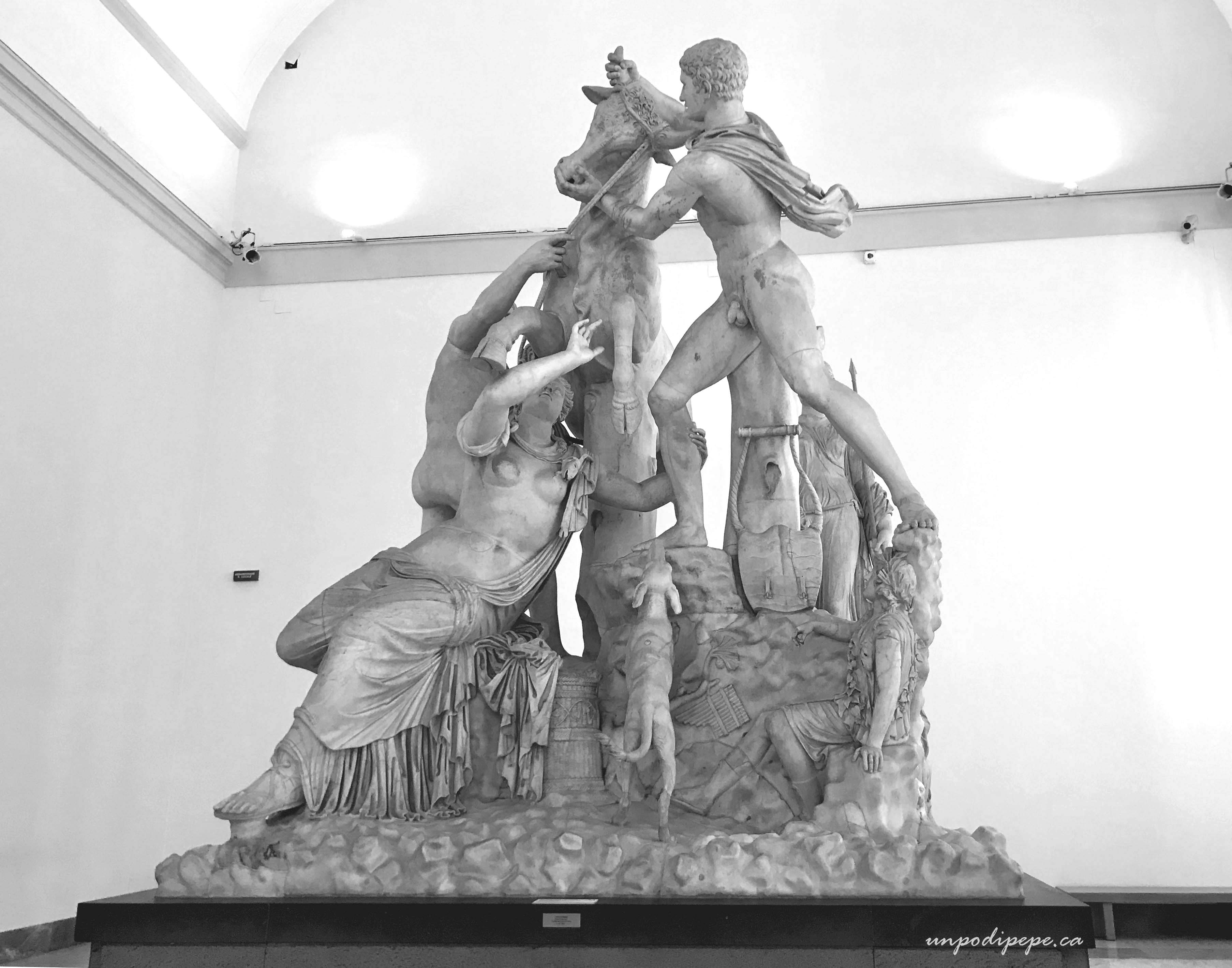
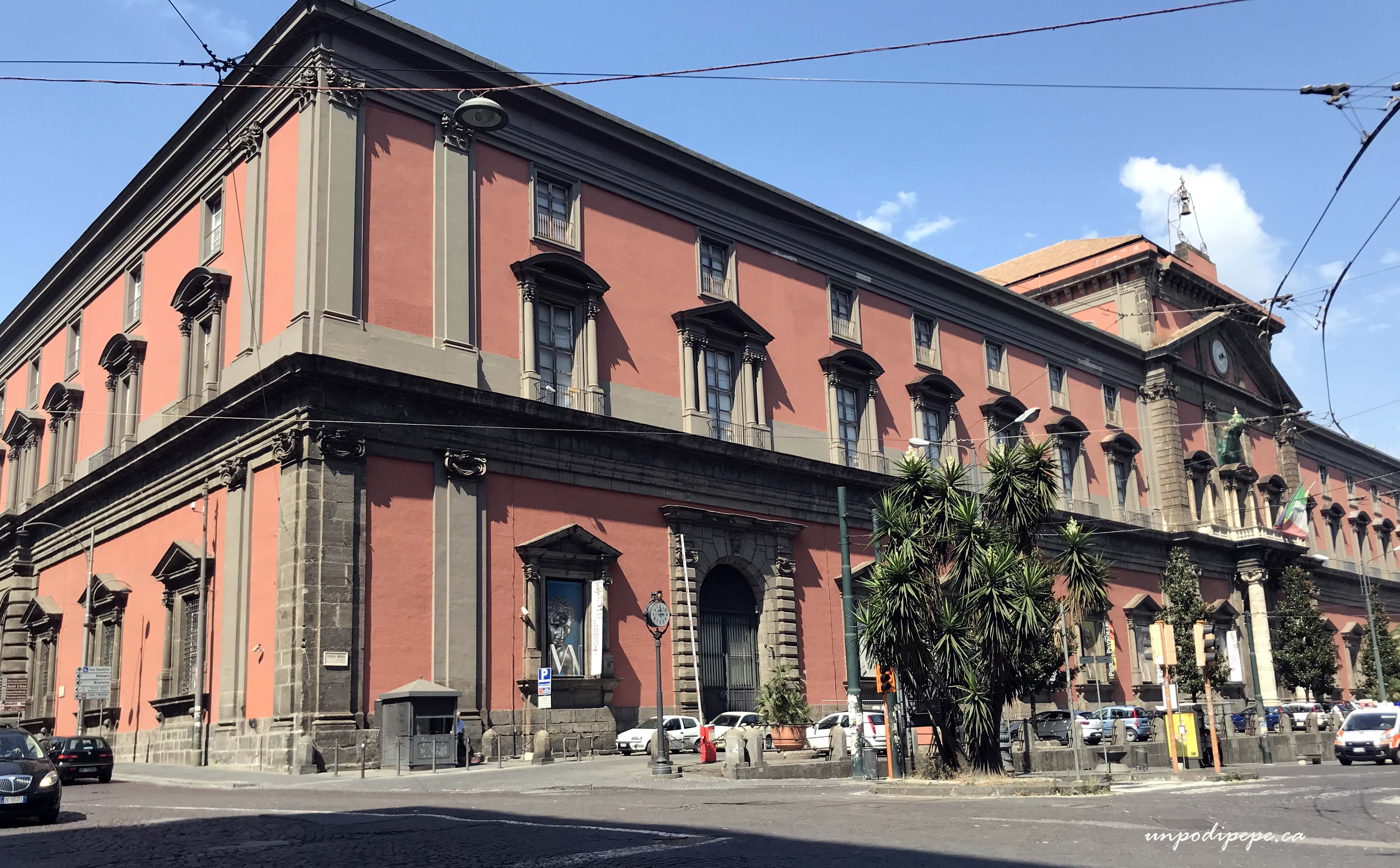
Exit Via dei Tribunali through the Port’Alba to Piazza Dante on Via Toledo. From here, walk or take the Metro 1 stop to Museo. Walking will take almost the same amount of time. The Museo Archeologico Nazionale Napoli (MANN) is massive and has the world’s biggest collection of Greco Roman art and artifacts. For archeology nerds like me, this is Heaven and it needs its own post. The frescoes and artifacts from Pompeii and Ercolano/Herculaneum are here, and the massive Farnese collection sculptures such as Toro Farnese.  The Gabbinetto Segreto is a secret room full of ancient erotica, mostly from Pompeii’s brothel. Admission is €18 and well worth it. Tickets can be bought online. Open from 9:00-19:30- later than other places, but it is closed Tuesdays! Read more about MANN in Blub a Napoli. The day can also start at MANN, doing the itinerary in reverse.
Depending on how much time is spent walking, visiting all of the above and when you need to leave, there may be time for more. Take the Metro 2 stops to the award winning Toledo station, walk to the end of Via Toledo to Piazza del Plebescito, one of the largest piazze in Italia. 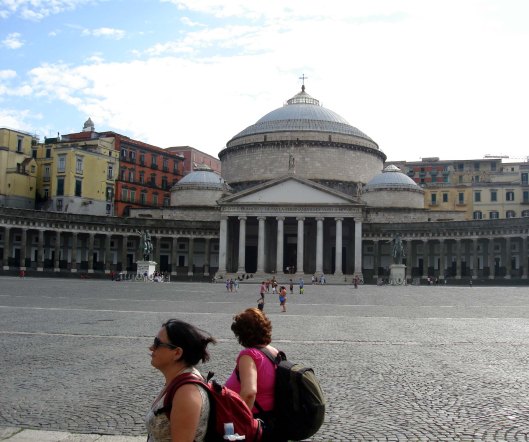 On Via Chiaia is Caffè Gambrinus the historic caffè letterario where European intellectuals including Oscar Wilde, Hemingway, D’Annunzio and Totò hung out.
  Mussolini shut it down for being antifascist. That alone is reason to have another sfogliatella there-even take-out will cost more due to the location, but worth it.
If you somehow still have time left, walk to Galleria Umberto I, Teatro San Carlo Opera House or Via Santa Lucia by the harbour and Castel dell’Ovo. Need more sfogliatelle? Stop at Pintauro, Via Toledo 275. Then take the Metro back to Piazza Garibaldi.
Napoli is great to visit any time of year! Remember that MANN and the Cappella San Severo are closed Tuesdays. Busier times include December for the Presepi on display and the 3 San Gennaro dates. I have only been in July or August when a lot of Napoletani are at the beach. There are less cars on the road-according to my taxi driver-named Gennaro of course! He was so impressed that I was able to understand him! We had many neighbours and friend from Napoli when I was growing up so I understand Napoletano quite well.
An old saying goes ‘Vedi Napoli e mori’. I hope you enjoyed un giorno a Napoli-I guarantee you will be back! Have an extra sfogliatella for me! Buon viaggio, Cristina
Stay tuned for my next post on Napoli street art!

 Napoli is gritty, wonderfully chaotic, passionate and anything but boring, making it a perfect place for self-expression. Graffiti is not a new concept to the Napoletani. Ancient graffiti can be found in Pompeii, including ‘I was here’ type messages and suggestive notes written on the walls of the brothel. In the historic center of Napoli graffiti, posters and murals have been elevated to a fine art form. I was in Napoli on a search for Blub street art and ended up finding so much more.
 San Gennaro, a hyperrealistic 15m high portrait of Napoli’s patron saint is by Italian- Dutch artist Jorit Agoch (Jorit Ciro Cerullo). It is on Via Forcella near the Duomo. The model is the artist’s friend, a mechanic also named Gennaro. This could be an homage to Caravaggio, who would take ordinary people off the street to be his models for paintings of extraordinary people. There are more ginormous Jorit murals in the Ponticelli Graffiti park near the airport and in the financial district.
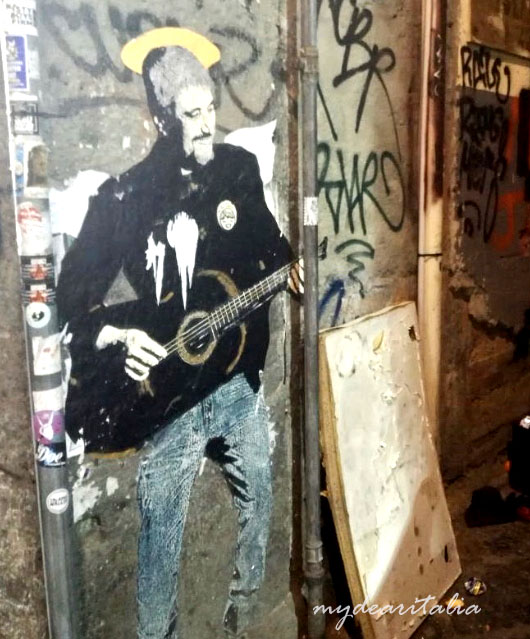 Beloved Napoletano singer Pino Daniele passed away in 2015. Pino with his smile and guitar is sainted by artist TvBoy in San Pino Daniele found in Vico dei Panettieri. Grazie to Sara from My Dear Italia for the photo.
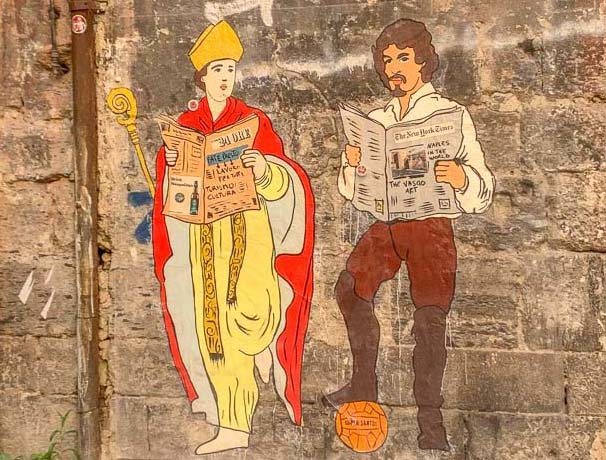 Mission Possible is the colourful mural by Napoletana artist Roxy in the box (Rosaria Bosso). She includes 2 important figures in the history of Napoli; San Gennaro and Caravaggio. They are casually hanging out reading the New York Times and 24 Ore. It is in Piazza Cardinale Sisto Riario Sforza, near the Duomo, Pio Monte della Misericordia and Via dei Tribunali.
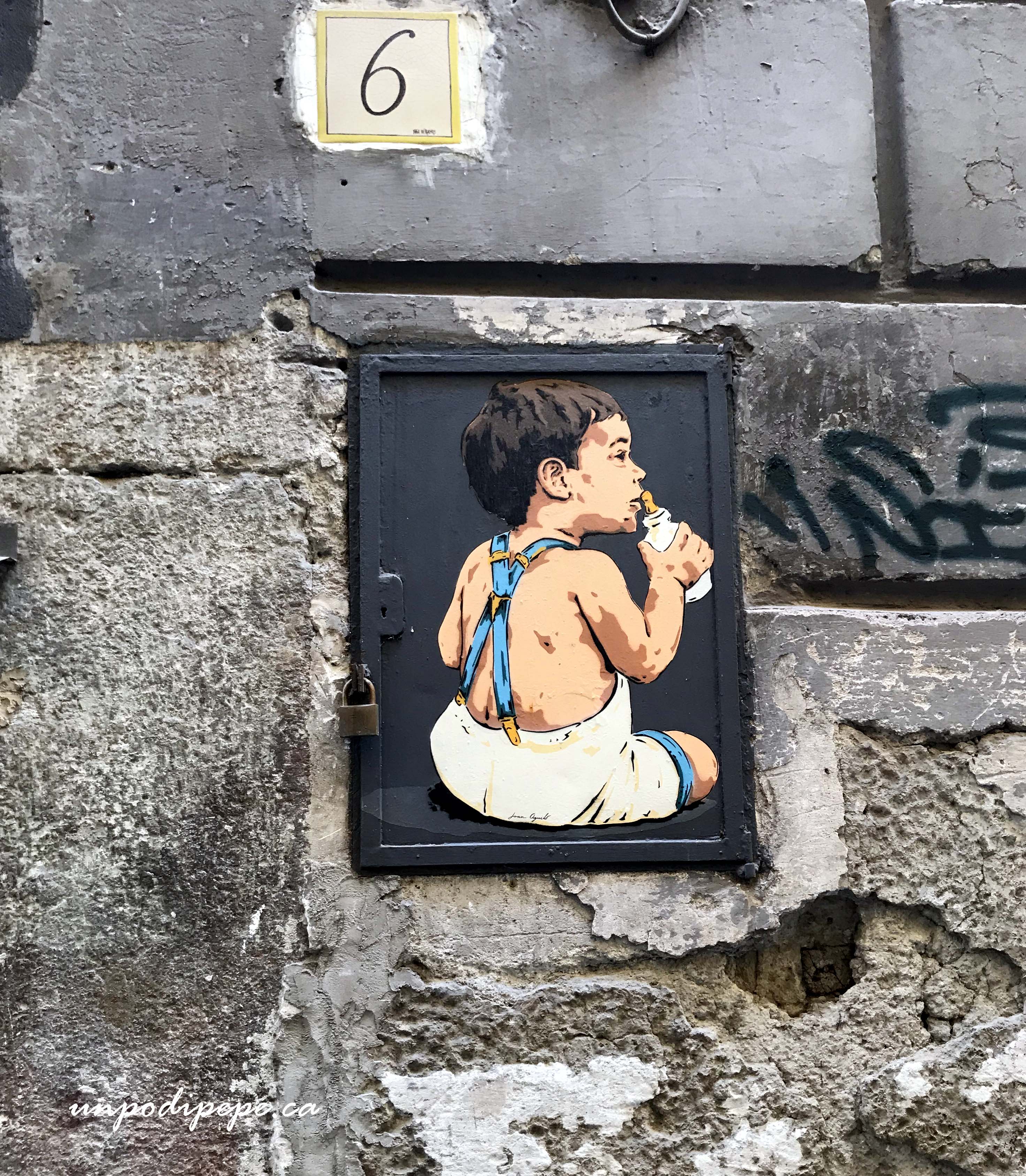 This stencil baby is on an electrical panel is near the lineup to get into the Cappella San Severo. The signature on the bum says Joan Aquito.
 Giuseppe Verdi and a Renaissance woman covered by a shop door are the only Blub work I found on the street after visiting the Blub Pompeii inspired exhibit at the Museo Archeologico Nazionale Napoli. I was disappointed not to find Totò, another iconic Napoletano. For more Blub love, read Blub a Napoli and L’arte sa Nuotare.
 Ciao, Cristina













 Un po' di pepe