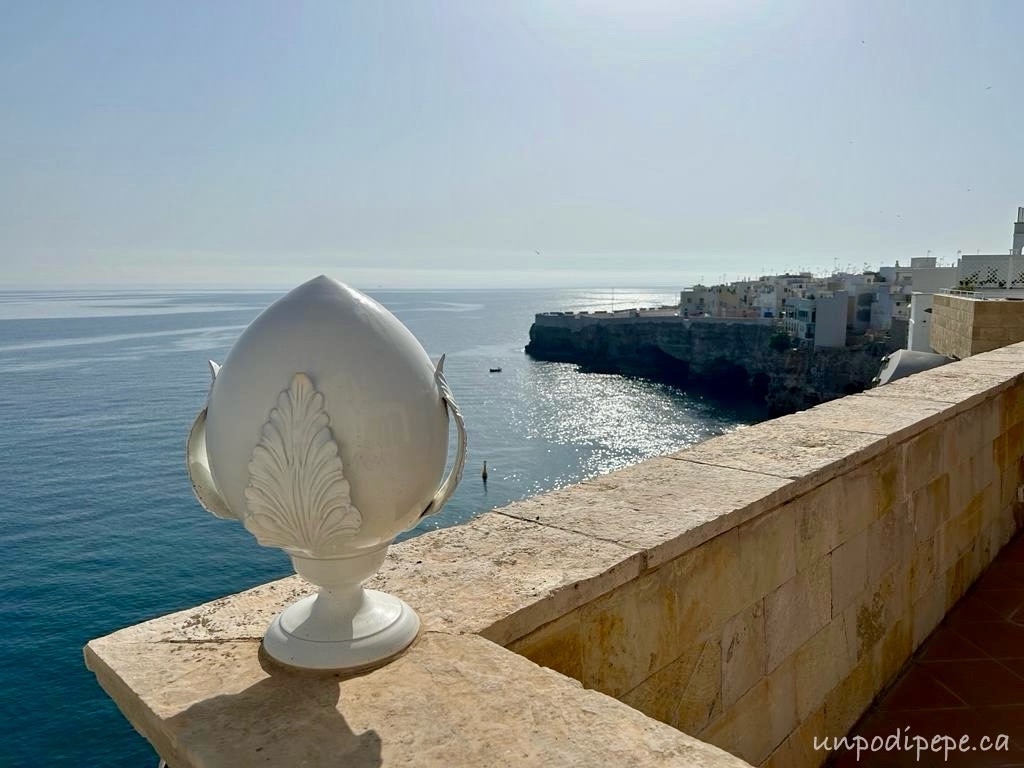
 The Pumo is an artisanal decorative ceramic object in the form of a bud just about to flower, enclosed by acanthus leaves. It symbolizes the capacity to regenerate and form new life. The acanthus leaves, the same ones found on ancient Greek and Roman Corinthian columns, symbolize long life and immortality. For these reasons the pumo is a traditional Pugliese good luck charm, providing protection and bringing prosperity, happiness, good fortune and fertility.
The name pumo comes from the latin words pomum (fruit) and pumum (pine cone) and is tied to the cult of the goddess Pomona, protector of fruit.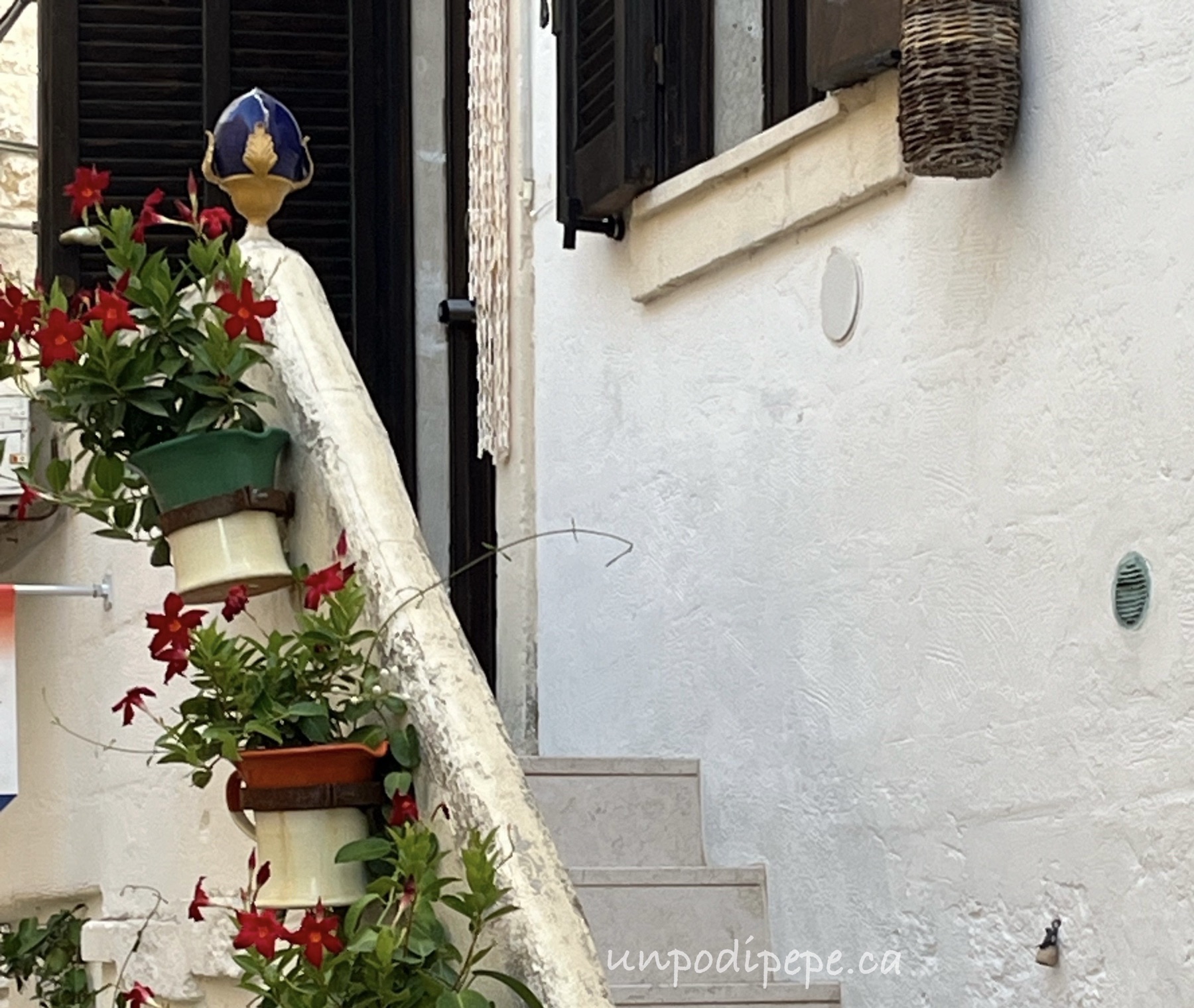
Centuries ago, noble Pugliese families used pumi (plural) as ornaments on building facades, staircases, balconies, and at the foot of the bed of newly married couples. They were also frequently given as wedding gifts. Pumi were originally only available to wealthy families, since they were the only ones who could afford decorative ceramics. 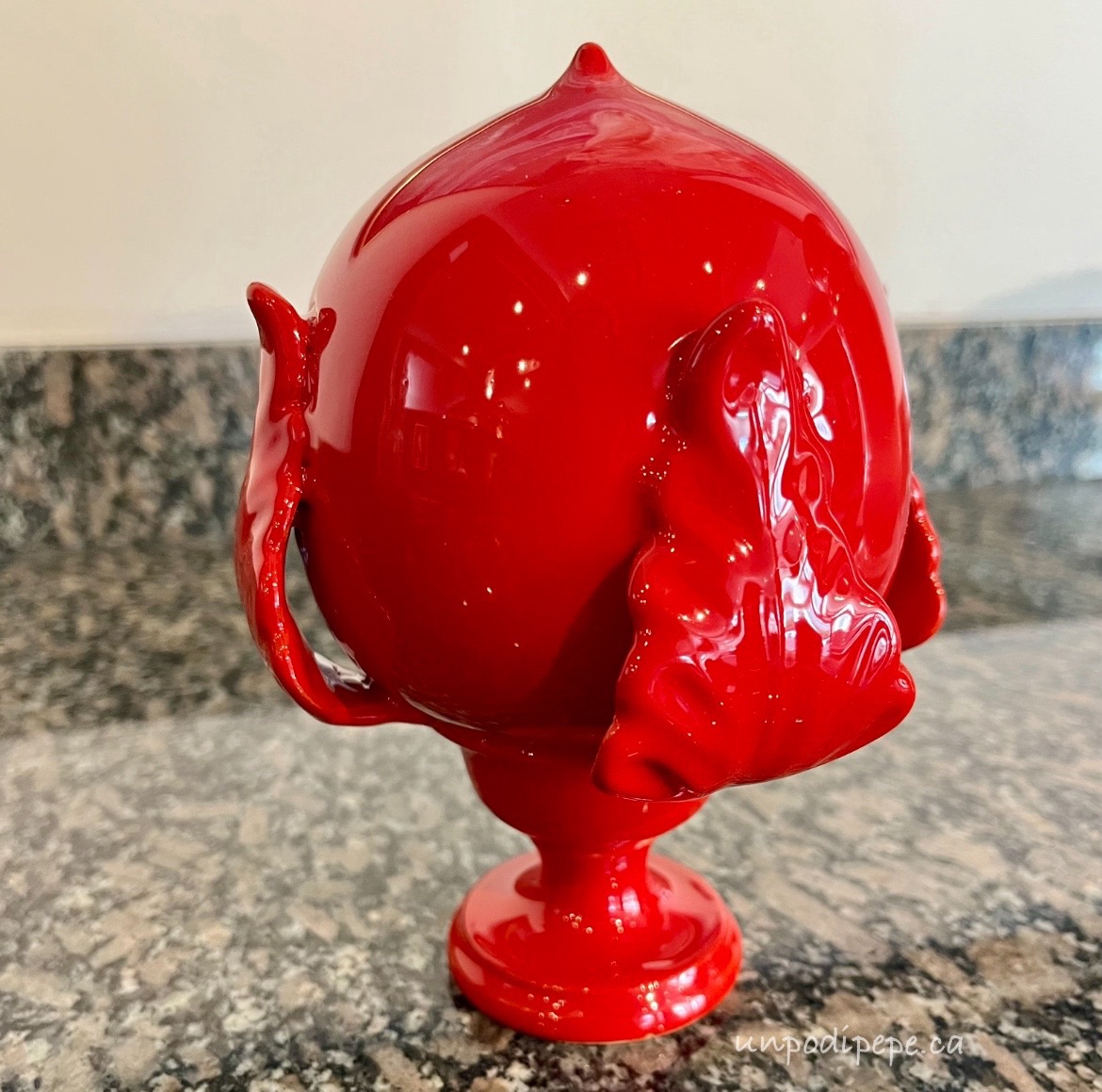 Today the pumo is an emblem of Puglia and is often used as a piece of jewellery, a bomboniera (wedding favour) or a souvenir from Puglia. Sometimes they are in the shape of a rose bud or pine cone and can even be room fragrance diffusers, decorative lamps, candleholders or bottles.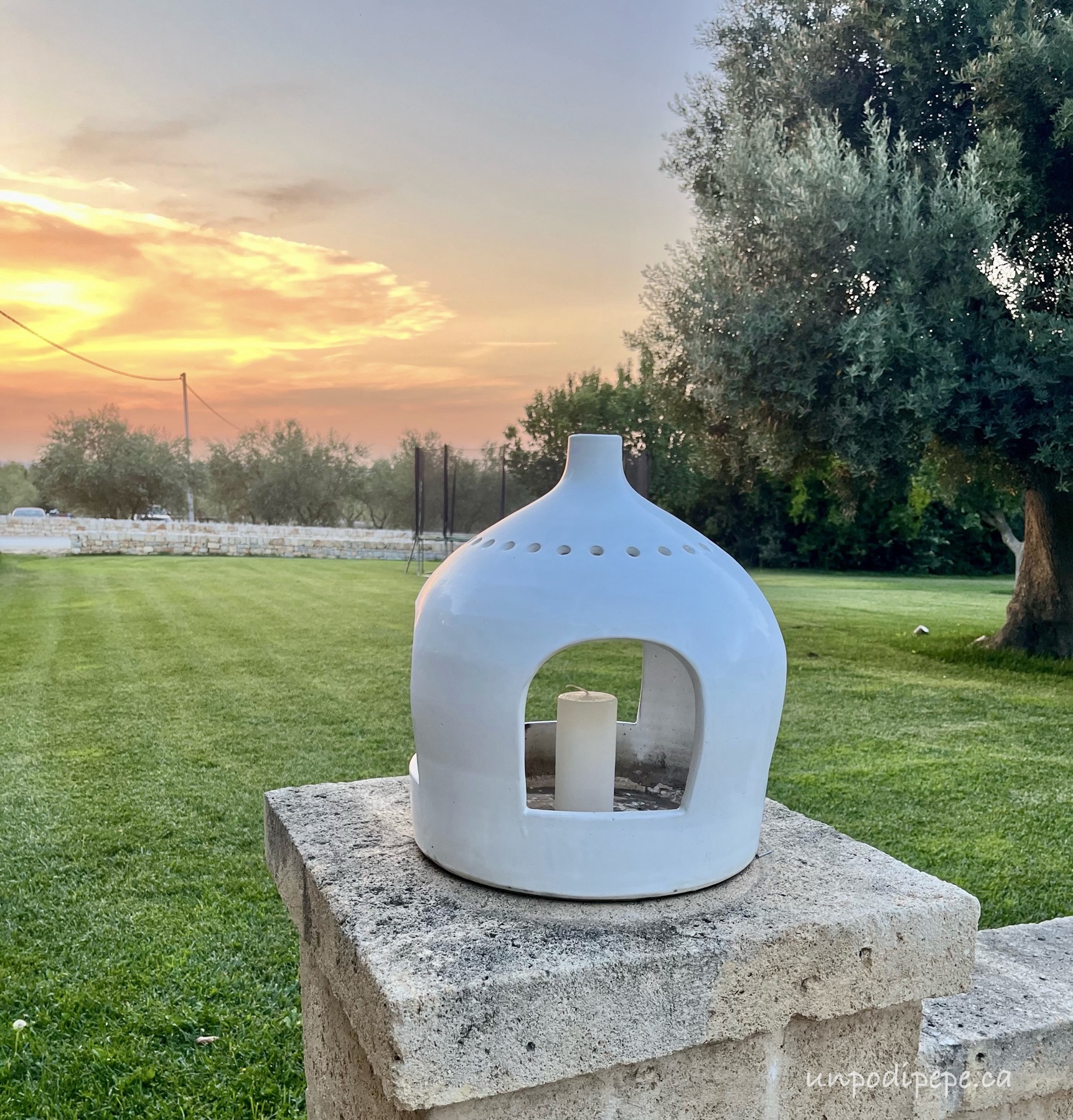
In Italiano
Il Pumo è un oggetto decorativo artigianale in ceramica a forma di un bocciolo in procinto di sbocciare, chiuso tra foglie di acanto. Simboleggia la capacità di rigenerarsi e formare nuova vita. Le foglie di acanto, le stesse che si trovano sulle antiche colonne corinzie greche e romane, simboleggiano lunga vita e immortalità. Per queste ragioni il pumo è un portafortuna tradizionale pugliese, che fornisce protezione e porta prosperità, felicità, buona fortuna e fertilità.
Il nome pumo deriva dalle parole latine pomum (frutto) e pumum (pigna) ed è legato al culto della dea Pomona, protettrice della frutta.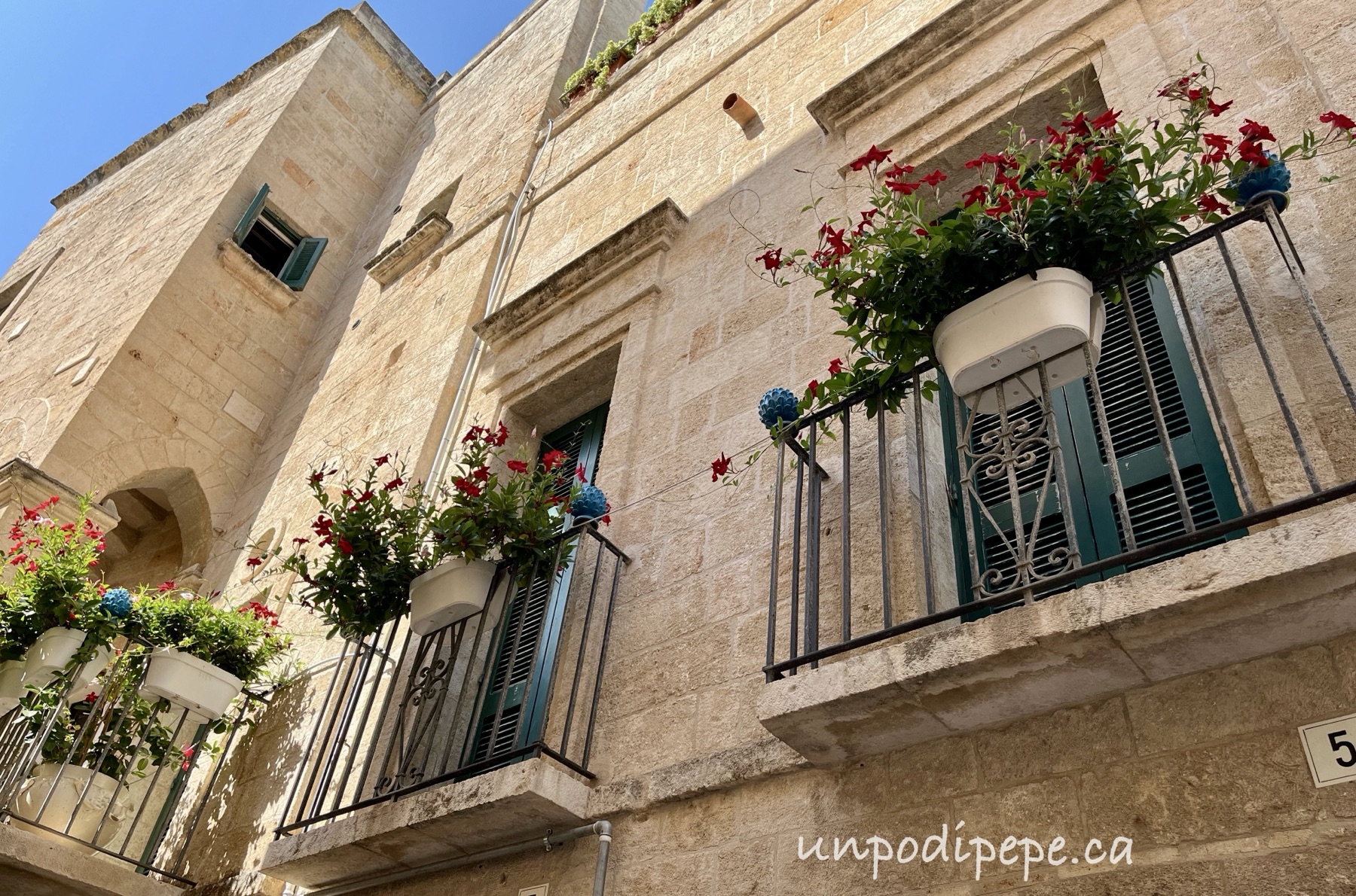
Secoli fa, le famiglie nobili pugliesi utilizzavano i pumi come ornamenti sulle facciate degli palazzi, sulle scale, sui angoli delle ringhiere dei balconi e ai piedi del letto delle coppie di novelli sposi. Venivano anche spesso offerti come regali di nozze. I pumi erano originariamente disponibili solo per le famiglie ricche, poiché erano le uniche che potevano permettersi ceramiche decorative. Oggi il pumo è un emblema della Puglia e viene spesso utilizzato come gioiello, bomboniera o souvenir pugliese. A volte ha la forma di un bocciolo di rosa o di una pigna e può anche essere un diffusore di fragranze per ambienti, una lampada decorativa, un portacandele o una bottiglia.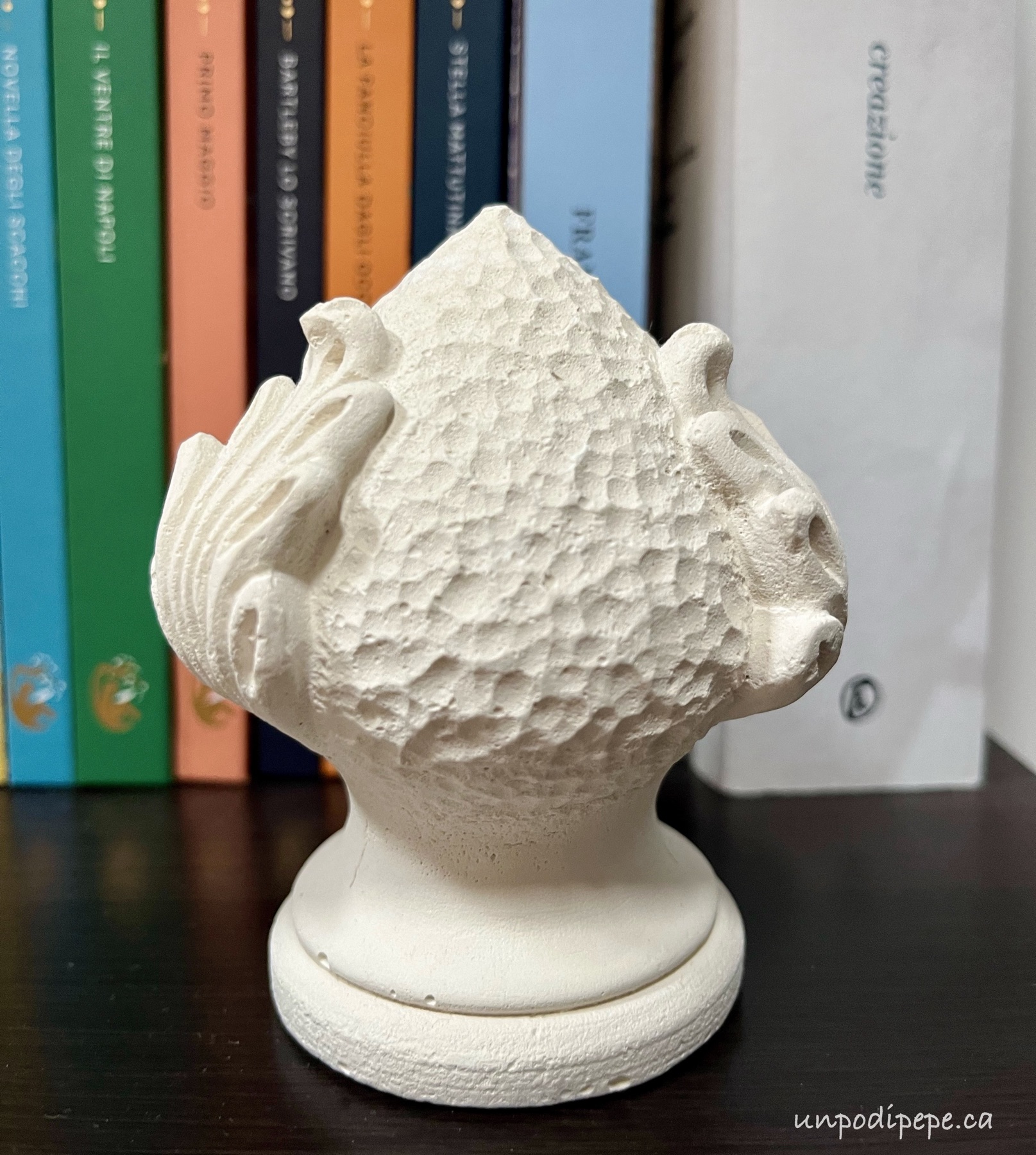
Buona fortuna, Cristina
 Un po' di pepe
interesting, I learn something with every post. 😊
Just when I thought I knew everything…. Thank you for this fascinating information. Saluti!
Prego Pamela 😎
Enjoyed your blog …. beautiful shots .😀
Grazie Susanne!
Cristina, I so enjoyed reading about “i pumi.” I had seen them many times before but did not know their significance. Now that I’ve read this fascinating piece of information, whenever I see a “pumo” I will think about what you have taught me. Grazie mille.
Carla
Hopefully you will gave your own pumo someday Carla! Ciao, Cristina