• Home
  • About me/Chi sono
  • Contact

Un po' di pepe

~ …… (oon∙poh∙dee∙PEH∙peh) Cristina writes about interesting stuff /Cristina scrive di cose interessanti

Un po' di pepe

Category Archives: Italocanadesi

In Vino there are Memories

24 Friday Jan 2025

Posted by Un po' di pepe in Amici e Famiglia, Bilingual posts, Italocanadesi, Vino

≈ 14 Comments

Tags

Food writing, Italian Canadian Literature, Italocanadesi, Pugliese Traditions, vino cotto, Winemaking

To celebrate my birthday, today I am posting my story from the recently published anthology ‘A Literary Harvest: Canadian Writing about Wine and other Libations’.  I hope you enjoy it as much as I enjoyed writing it.  It is followed by an Italian translation.  Per l’italiano, leggi sotto.  Salute!….

When I look into a glass of wine, I see more than a delicious beverage to sip and enjoy. I see tradition and family, and a piece of my cultural heritage. I think of my Nonno’s vineyard in Puglia and I imagine my ancestors tilling the soil. I also imagine the journey the grapes made, coming from Greece and the Balkans millennia ago, then again across the Atlantic to North America. Immigrant journeys, similar to ours.

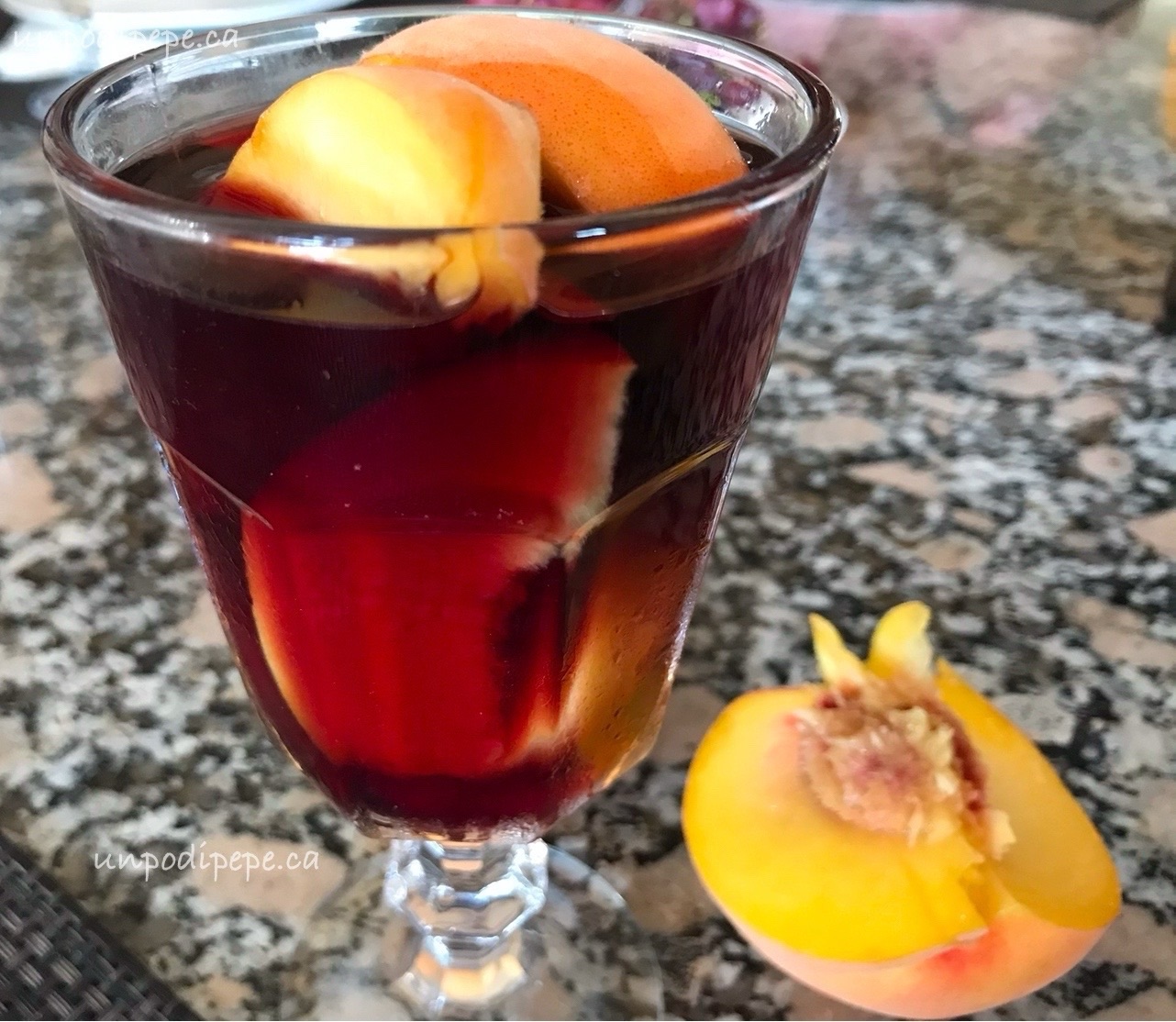
Wine is an integral part of growing up in an italocanadese family and is a staple of every family function. Everyone was allowed to have a bit of vino with dinner – it was exciting and made us feel grown up. Even when we were little … at first with 7-Up, Sprite or Ginger Ale, and eventually straight vino. In the summer, everyone looks forward to la pesca in vino. This involves cutting up a fresh peach, placing the slices in a glass, then filling it with vino. After the wine is consumed, lovely, sweet, wine-saturated peach slices await you for dessert. The peach slices take up most of the space in the glass, so the amount of wine to drink is really very little.
Wine making season is mid- to late-September, right after the pomodori are canned and stored in the cantina. The grapes grown in the back-yard garden are mostly for eating, so wine grapes are purchased from the Okanagan Valley. This is an area with summer weather similar to southern Italia … hot and dry during the day and colder at night. This combination produces the sweetest grapes.

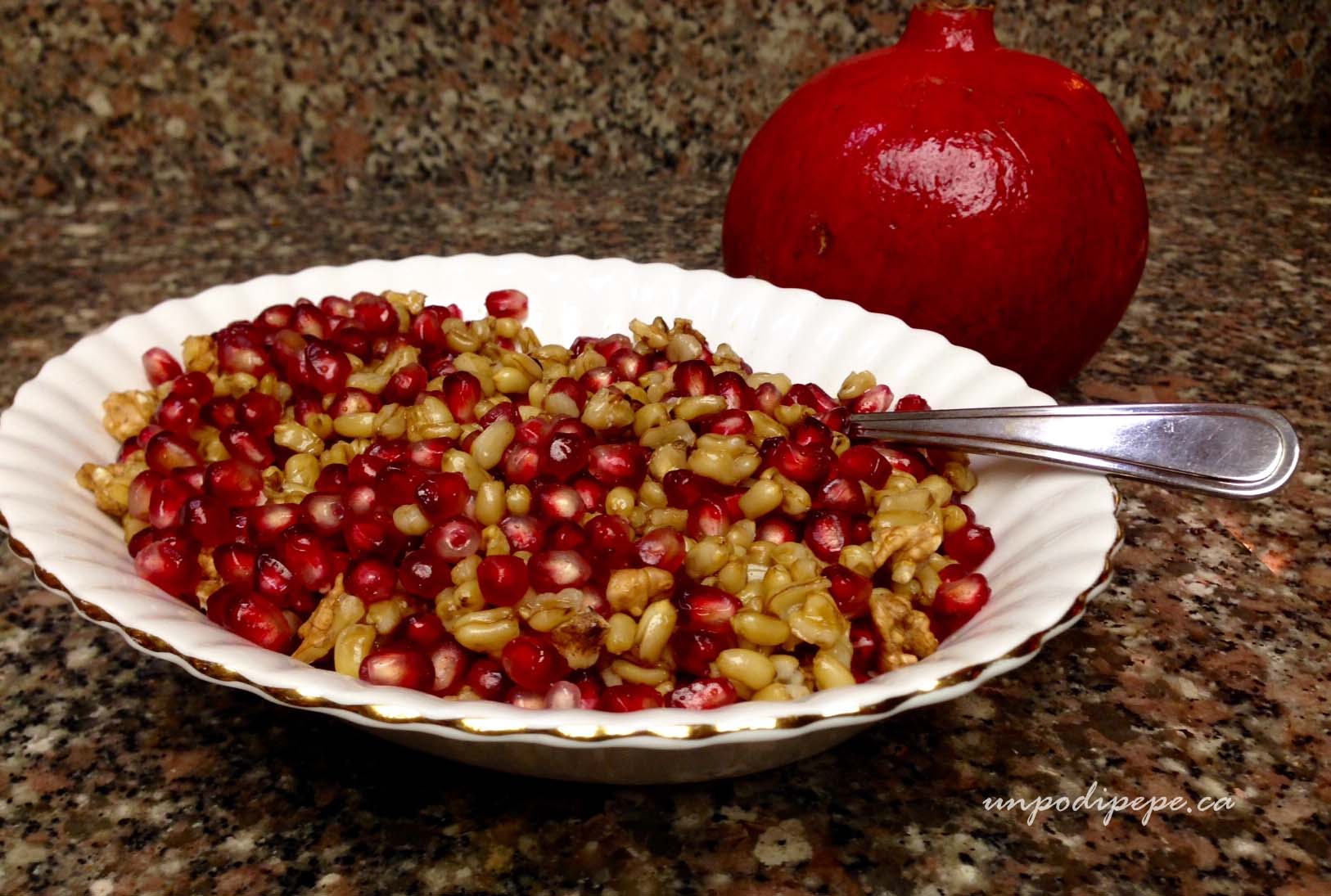
Making vino is a real family affair. When the grapes arrive, everyone who is free lends a hand, even the little ones, the nipotini. We help cart the boxes of grapes from the truck and empty them straight into the hand cranked grape crusher on top of a barrel.  Everything goes in;  skins, seeds and stems. Then we break apart the boxes, or else the wasps soon descend- Vespe know a good thing when they smell it! All month the aroma of fermenting grapes fills the garage!Mamma takes some of the mosto, the wine must, and boils it down like molasses to make vino cotto.  It really should be called mosto cotto, but we have always called it vino cotto. The thick, sweet liquid is poured over boiled wheat berries on November 1st to celebrate Tutti i Santi, All Saints’ Day. This traditional dish, in the local dialect, is called muscitaglia, from the words in Greek and Latin mosto and talia (grain). Walnut pieces and pomegranate seeds are added when available. Vino cotto is also drizzled on cartellate, a traditional Pugliese Christmas treat, and even on snow, like a vino cotto slushie!
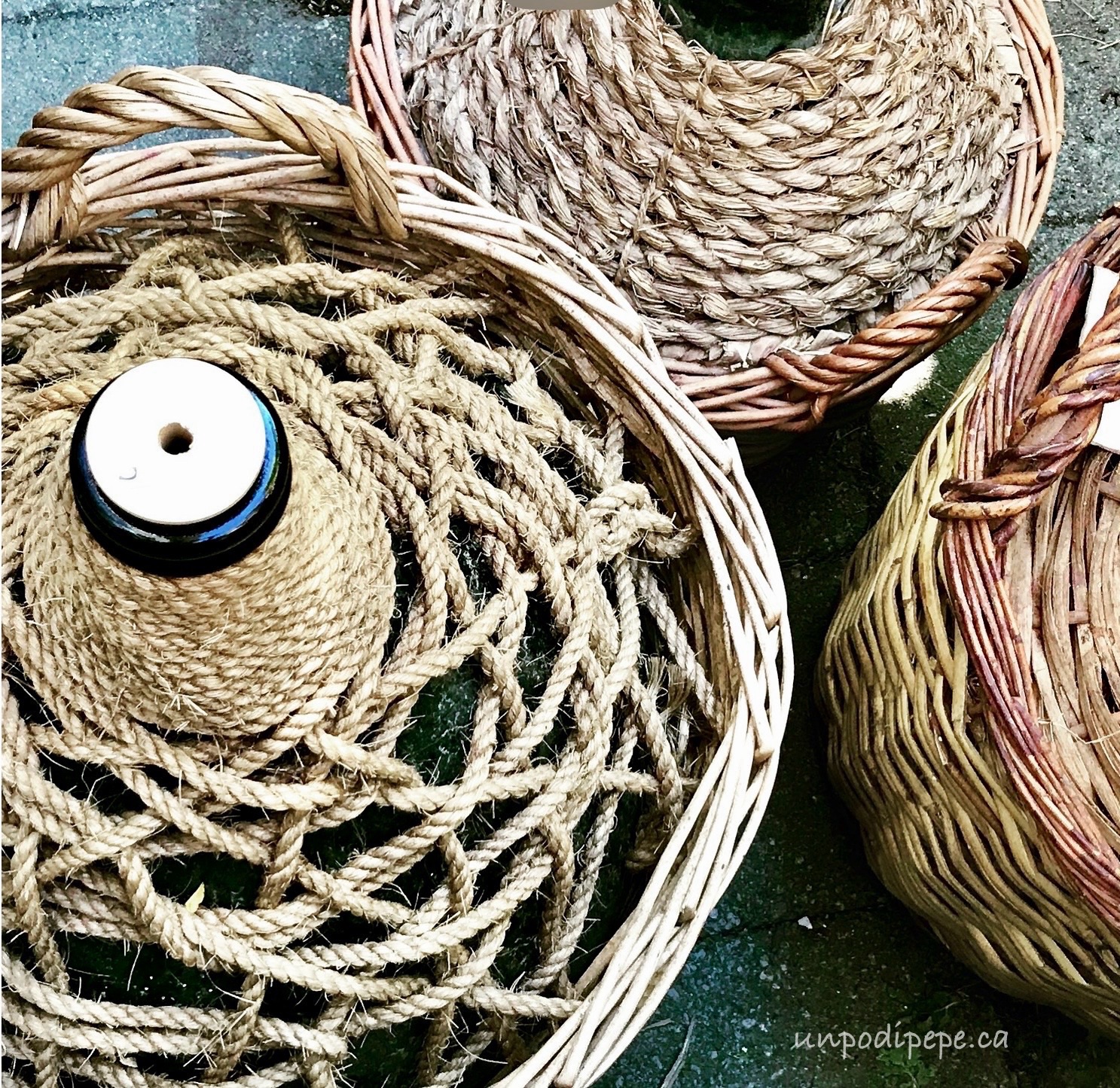
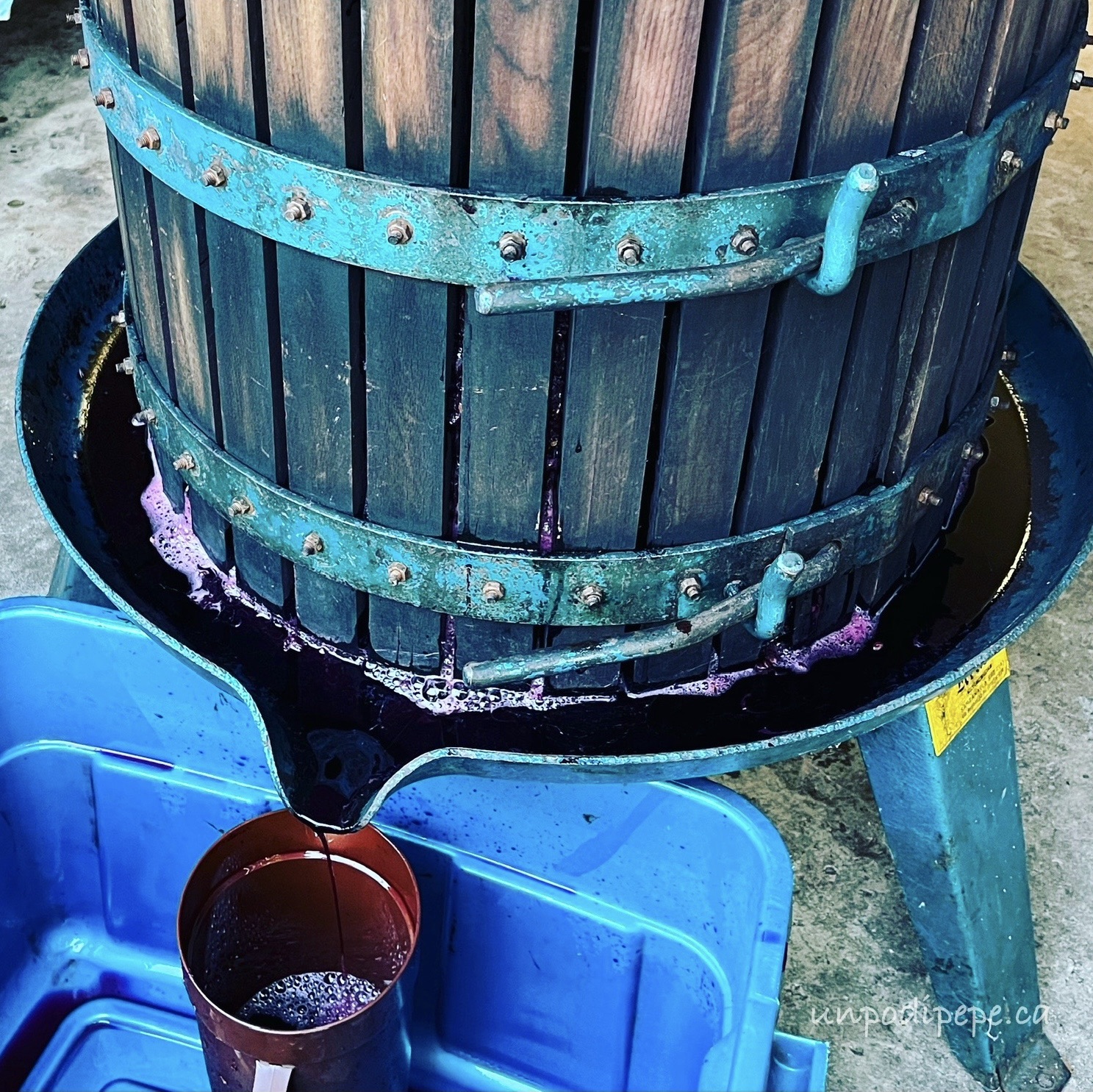
When ready, the fermented grapes are transferred to the old wooden torchio, for pressing. Since there are no preservatives added, our vino is stored in large, bell-shaped, wicker-covered glass damigiane, and siphoned into bottles only as needed. The wine needs to be tramutato a few times. This involves transferring it from one damigiana to another, to remove sediment. Like everything else Papà does, this is done according to the phases of the moon. Vino is tramutato during la luna calante, the waning moon, although the damigiane are still left open to air. On November 11th, the feast day of Saint Martin, the new vino is tasted and then the damigiane are closed until bottling. The old proverbs say “A San Martino, ogni mosto diventa vino” which means “On St Martin’s Day, every must turns into wine”, and ‘A San Martino, si lascia l’acqua e si beve vino’, ‘On Saint Martin’s Day, one abandons water and drinks wine’.
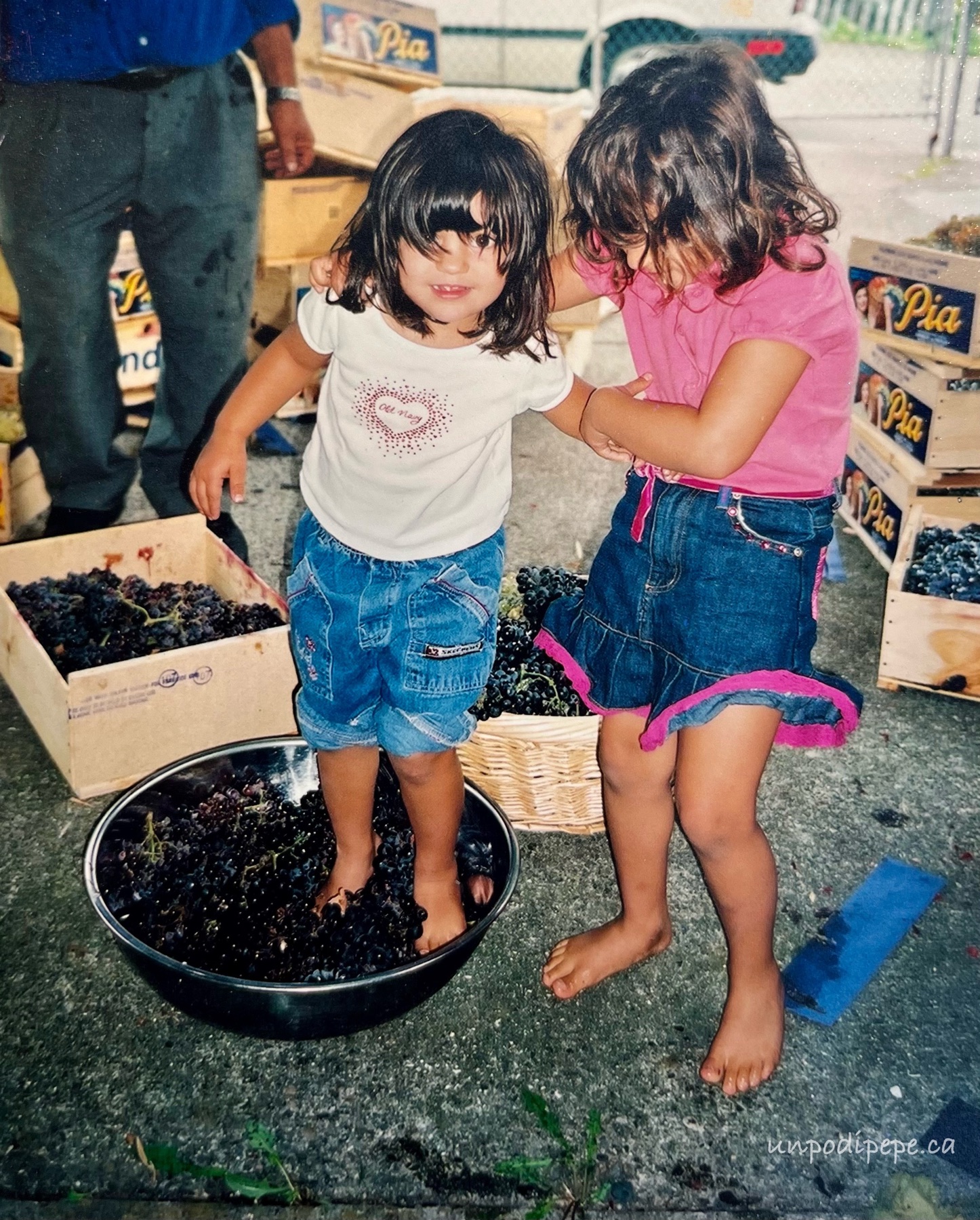
Papà makes the best vino. No sulfites or preservatives, just pure fermented grape juice. It has a full, robust flavour and does not leave you with a headache. Whenever anyone (anyone non-Italian, that is), asks him how he makes such good vino, he always has the same answer. “Ok … I tell you” … then he gets all dramatic… “for 2 weeks … I no wash the feet…” You can see where this is going. It is amazing how many people sit there open-mouthed for a few minutes and actually believe him! That is, until they see the mischievous smirk on his face. Just for fun, all of my nipotini have had photos taken à la “I Love Lucy,” crushing grapes in a half barrel or tub with their bare feet. These grapes are not added to il torchio, even though they did wash their feet. Salute!

         Published in ‘A Literary Harvest:  Canadian Writing about Wine and Other Libations. Editors Licia Canton, Giulia De Gasperi & Decio Cusmano.  Longbridge Books, 2025, p 94-96.
In Italiano:

Nel Vino ci sono Ricordi

Quando guardo dentro un bicchiere di vino, vedo più di una bevanda deliziosa da sorseggiare e gustare. Vedo tradizione e famiglia, e un pezzo del mio patrimonio culturale. Penso al vigneto di mio nonno in Puglia e immagino i miei antenati che coltivano la terra. Immagino anche il viaggio che hanno fatto le uve, provenienti dalla Grecia e dai Balcani millenni fa, poi di nuovo attraverso l’Atlantico fino al Nord America. Viaggi di immigrazione, simili ai nostri.

Il vino è parte integrante della crescita in una famiglia italocanadese ed è un elemento fondamentale di ogni festa familiare. A tutti era permesso bere un po’ di vino a cena: era emozionante e ci faceva sentire grandi. Anche quando eravamo piccoli… all’inizio con 7-Up, Sprite o Ginger Ale, e alla fine vino puro. In estate, tutti aspettano con ansia la pesca in vino. Ciò comporta tagliare una pesca fresca, mettere le fette in un bicchiere, quindi riempirlo di vino. Dopo aver consumato il vino, deliziose, dolci, fette di pesca sature di vino ti aspettano. Le fette di pesca occupano la maggior parte dello spazio nel bicchiere, quindi la quantità di vino da bere è davvero molto ridotta.

La stagione della vinificazione va da metà a fine settembre, subito dopo che i pomodori sono stati inscatolati e conservati in cantina. L’uva coltivata nel orto sul retro è destinata al consumo umano, quindi l’uva da vino viene acquistata nella Okanagan Valley. Questa è una zona con un clima estivo simile a quello dell’Italia meridionale… caldo e secco durante il giorno e più freddo di notte. Questa combinazione produce l’uva più dolce.

La produzione del vino è una vera e propria faccenda di famiglia. Quando arriva l’uva, tutti quelli che sono liberi danno una mano, anche i più piccoli, i nipotini. Aiutiamo a trasportare le casse di uva dal camion e le svuotiamo direttamente nella pigiatrice a manovella in cima a una botte. Ci mettiamo dentro tutto: bucce, semi e raspi. Poi rompiamo le casse, altrimenti le vespe scenderanno presto: le vespe sanno riconoscere una cosa buona quando la sentono! Per tutto il mese l’aroma dell’uva in fermentazione riempie il garage!

Mamma prende un po’ di mosto di vino, e lo fa bollire come la melassa per fare il vino cotto. Dovrebbe chiamarsi mosto cotto, ma noi lo abbiamo sempre chiamato vino cotto. Il liquido denso e dolce viene versato sui chicchi di grano bolliti il ​​1° novembre per celebrare la festa di Tutti i Santi, il giorno di Ognissanti. Questo piatto tradizionale, nel dialetto locale, è chiamato muscitaglia, dalle parole in greco e latino mosto e talia (grano). Pezzi di noce e semi di melograno vengono aggiunti quando disponibili. Il vino cotto viene anche versato sulle cartellate, un dolce natalizio tradizionale pugliese, e anche sulla neve, come un granita di vino cotto!

Quando è pronto, l’uva fermentata viene trasferita nel vecchio torchio di legno, per la pressatura. Poiché non vengono aggiunti conservanti, il nostro vino viene conservato in grandi damigiane di vetro a forma di campana, ricoperte di vimini, e travasato nelle bottiglie solo quando necessario. Il vino deve essere travasato un paio di volte. Ciò comporta il trasferimento da una damigiana all’altra, per rimuovere i sedimenti. Come ogni altra cosa che fa Papà, questo viene fatto in base alle fasi lunari. Il vino viene travasato durante la luna calante, anche se le damigiane vengono comunque lasciate all’aria aperta. L’11 novembre, giorno della festa di San Martino, si assaggia il vino nuovo e poi le damigiane vengono chiuse fino all’imbottigliamento. I vecchi proverbi dicono “A San Martino, ogni mosto diventa vino” e “A San Martino, si lascia l’acqua e si beve vino”.

Papà fa il miglior vino. Niente solfiti o conservanti, solo puro succo d’uva fermentato. Ha un sapore pieno e robusto e non ti lascia il mal di testa. Ogni volta che qualcuno (chiunque non sia italiano, ovviamente) gli chiede come fa a fare un vino così buono, lui ha sempre la stessa risposta. “Ok… ti dico”… poi diventa tutto drammatico… “per due settimane… non si lavano i piedi…” Puoi capire dove vogliamo arrivare. È incredibile quante persone se ne stanno lì a bocca aperta per qualche minuto e ci credono davvero! Cioè, finché non vedono il sorrisetto malizioso sul suo viso. Solo per divertimento, tutti i miei nipotini si sono fatti fotografare alla “I Love Lucy”, mentre schiacciavano l’uva in una mezza botte a piedi nudi. Quest’uva non si aggiunge al torchio, anche se si lavano i piedi. Salute!

Pubblicato in ‘A Literary Harvest: Canadian Writing about Wine and Other Libations. editors Licia Canton, Giulia De Gasperi & Decio Cusmano. Longbridge Books, 2025, p 94-96.

Share this:

  • Click to share on Facebook (Opens in new window) Facebook
  • Click to share on Pinterest (Opens in new window) Pinterest
  • Click to share on X (Opens in new window) X
  • Click to email a link to a friend (Opens in new window) Email
  • Click to share on WhatsApp (Opens in new window) WhatsApp
Like Loading...

L’Albero di Natale-Rockefeller Center

08 Friday Dec 2023

Posted by Un po' di pepe in Feste, Italocanadesi

≈ 10 Comments

Tags

Albero di Natale, Christmas in New York, Italians in America, Natale, Rockefeller Center

December 8th is a national holiday in Italia and the official start of le feste Natalizie-the Christmas season.  It is also the day most Italiani put up and decorate their Christmas tree, l’ albero di Natale.

The most well-known albero di Natale is probably the one in Rockefeller Plaza in New York.  It is known around the world and visited by 125 million people each year. Usually, the tree is a giant Norway Spruce from upstate NY, sometimes it is even from Canada.  The tree goes up on the Wednesday evening after American Thanksgiving* and is lit from 5 am to midnight until after the epiphany.

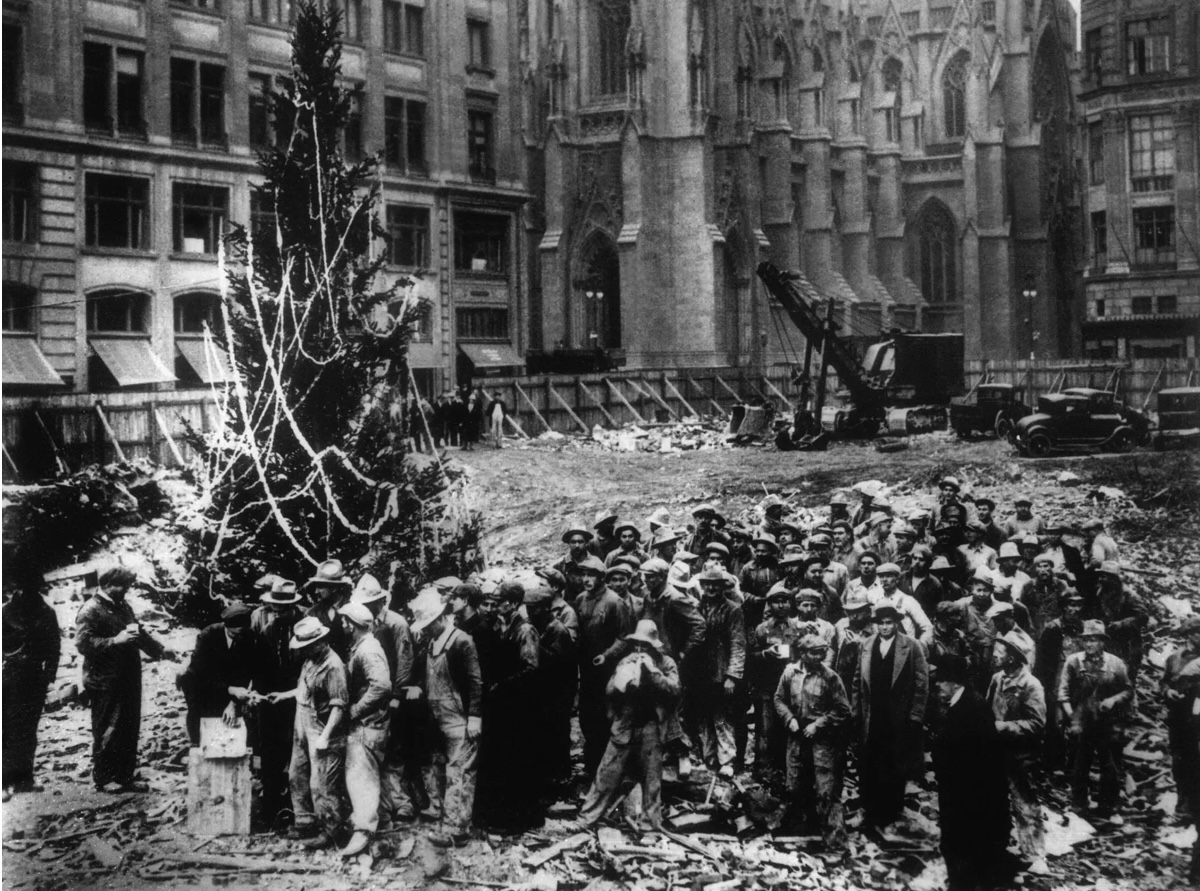
The tree may not go up on December 8th, but I recently found out that this famous tree tradition was started by Italian immigrant excavation workers.  On December 24th 1931 work had just begun on the future site of Rockefeller Center.  The first tree, a ‘small’ 6.1 m (20 ft) Balsam fir was brought to the site by Cesidio Perruzza.  Originally from Frosinone, he was one of a group of Italian excavation workers who built a lot of Manhattan. They pooled their money to buy the tree, wanting to bring Christmas cheer and to be thankful for being employed during economic depression.  The tree was decorated with paper garlands made by their families, gum wrappers, and the foil wrappers from blasting caps-since their job was blowing things up!

The photo from the Rockefeller Centre’s website shows workers lining up to collect their wages on Christmas Eve 1931 beside the tree.

By Christmas 1933, the job was completed and 30 Rockefeller Plaza opened.  The first ‘official’ tree was lit in the plaza and it was made an annual tradition.  It was a 15 m (50 ft) tree and according the Rockefeller Centre’s website, was intended as ‘a holiday beacon for New Yorkers and visitors alike’.  The skating rink was added below the tree in 1936. This is how a group of Italian excavation workers with hope and Christmas spirit started a beloved tradition.

Perhaps this is common knowledge for Italian Americans? Did any of you know about this? Let me know in the comments.

*I specify American Thanksgiving because in Canada Thanksgiving is in October, the same time as American Columbus Day

Photos of 2023 Rockefeller Center Christmas tree taken last week by my cuginetto, paparazzo Luciano Pepe

Photos of Dec 24, 1931 from Rockefeller Center website

Buon Natale, Cristina

Share this:

  • Click to share on Facebook (Opens in new window) Facebook
  • Click to share on Pinterest (Opens in new window) Pinterest
  • Click to share on X (Opens in new window) X
  • Click to email a link to a friend (Opens in new window) Email
  • Click to share on WhatsApp (Opens in new window) WhatsApp
Like Loading...

Italiese

21 Thursday Oct 2021

Posted by Un po' di pepe in Canada, Italian language, Italocanadesi

≈ 21 Comments

Tags

Code switching, Italian Diaspora, Italian language, Italian language in the world, Italiese, Italocanadese life

Italiese wordsThis week, we celebrate Settimana della lingua italiana nel mondo – Week of the Italian Language in the World.  The theme this year is Dante, the Italian, because 2021 is the 700th anniversary of his death.  I already wrote a Dante themed post earlier this year 700 years of Dante, so instead I am featuring a post on a topic that has a special significance for me-and probably any of you that grew up in an Italian immigrant household.  The rest of you will hopefully find it interesting too. 

Italiese is a language created by Italian immigrants in English speaking countries to express things they did not already have words for.  It is a combination of Italian, anglicized Italian words, italianized English words, and dialetto.  I grew up with Italiese, and I still sometimes use it with my parents, family and paesani.  When joking around with my siblings and cousins, it is like our own private language.  Some of my favourite Italiese words are disciuascia (dishwasher), i muscirums (mushrooms), boolsheet and sonamabeitch.  I will let you figure out the last 2 words!  Click the blue button to watch a short video :

Renowned Italiese scholar and fellow AICW member Dr Diana Iuele Colilli graciously agreed to answer some questions for me.

What made you want to study Italiese?

I wanted to research Italiese for my PhD dissertation, but my thesis director strongly discouraged me as he said I would be researching Italiese for my entire career.  He was right.  I have always been intrigued by language.  When I embarked on the path of a PhD in Italian linguistics I naturally gravitated toward the “language” that was used extensively in my home, alongside Calabrese.  My parents had a grocery store on St. Clair, so I heard Italiese all the time.  The variations fascinated me.

Why is Italiese important to Italocanadesi and the Italian diaspora in general?

Italiese is extremely important because it documents the language that Italian immigrants had to create when they arrived in Canada.  It demonstrates their resilience and their desire to fit in their adopted land. However, Italiese is a language of passage that is destined to die.  It has never been standardized, it is not used in literature or any other formal setting.  Once the immigrants die there will be no need to use it anymore.  As the child of immigrants, I use it every day with my parents and immigrant relatives.  I use it with my siblings (who grew up with it) for fun.  My children recognize it but don’t really use it beyond a few terms (garbiggio, ghellifrendi, etc) because they use standard English, French and Italian. Italiese is also important as a marker.  In Canada Italians have left their mark in so many industries (construction, food, fashion, etc).  It is important that we document how they spoke, how they assimilated linguistically.  If we don’t document it or keep it alive, as Italians assimilate into the Canadian fabric, we will have generations of Canadians of Italian extraction only.  Language is at the core of culture.  WIthout it, culture gets watered down to memories only.  If we don’t do everything possible to document Italiese, it will get to the point that we won’t know that Italians even immigrated to Canada.  That’s why Christine Sansalone, my late husband Paul Colilli and I have been frantically documenting Italiese through our theatre productions.  We now have 13 published plays that document Italiese in its purest form of the post-WWII period to today with its code-switching.

Does Canada differ from other countries in their Italian/English hybrid language?

It doesn’t.  That’s the beauty and the universality of Italiese.  Italiese is a hybrid language that has at its base (phonology, morphology and syntax) an Italian dialect but the terminology (lexicon) is that of the adopted English speaking country.  So, we have American Italiese, British Italiese, Canadian Italiese, Australian Italiese, South African Italiese …. the dialect mixed with the local English.  The differences will be found in the lexicon.  In Canada we say garbage, so the Italiese word is /garbíggio/.  However, in the US the term is trash, so the Italiese term is “tréscio” and the Australian term is “rábbiscia” because rubbish is used for our garbage.

How can we keep Italiese alive?

By using it.  By continuing to do research on it. However, it needs to be used not only in homes, but in businesses, offices and most importantly in literature. If Italian-Canadian writers would incorporate Italiese in their writings, it would give it much more prestige.

I have my own strong opinion on this, but what do you make of people who are embarrassed by Italiese or dialetto?

I think people are much more embarrassed of their dialects.  Many people who utilize Italiese don’t even realise that they’re using it. The stigma of using the dialect stems from social stigma of using it Italy.  At the time of immigration, the dialect was a marker for low social status.  There is a generation of Italians who were raised without.  Only in the last few years has there been a resurgence of the dialects.  Those stigmas were also felt by the immigrants who left their homeland.  We need to encourage the children and the grandchildren of Italian immigrants to use the “language” (dialect/italiese/mix of the two) that was passed on to them.  In a world in which English is the lingua franca, it’s easy to relegate the dialect/Italiese to the home, or to not use it all. 

Grazie Diana! Who would have thought the word garbage could be so interesting! For more information check out the website for Italiese TV and the You Tube video below.

Diana Iuele-Colilli holds a PhD in Italian Linguistics from the University of Toronto.  She was born and grew up in the Little Italy of St. Clair and Dufferin in Toronto.  Diana is an Emeritus Professor of Italian at Laurentian University in Sudbury, Ontario, where she still continues her research toward a dictionary of Italiese.  She is the author of many books dedicated to the Italian experience in Canada.  She is the co-author of 13 plays written in Italiese in its various forms.  She is also the president of the Paul Colilli Foundation, a non-profit organization that promotes and disseminates the positive image of Italy and Italian Canadians in Ontario.

Now I am motivated to write some poetry in Italiese! If you have been exposed to Italiese in your country, let us know in the comments.  Ciao, Cristina

Share this:

  • Click to share on Facebook (Opens in new window) Facebook
  • Click to share on Pinterest (Opens in new window) Pinterest
  • Click to share on X (Opens in new window) X
  • Click to email a link to a friend (Opens in new window) Email
  • Click to share on WhatsApp (Opens in new window) WhatsApp
Like Loading...

Internment of Italian Canadians

10 Thursday Jun 2021

Posted by Un po' di pepe in Canada, Italocanadesi

≈ 19 Comments

Tags

Camp Petawawa, Canadian history, Enemy aliens, Internment of Italian Canadians during WWII, Italians as enemy aliens

Today is the 81st anniversary of the internment of Italian Canadians during the Second World War. I am always amazed at how little is known -even by members of the Italian Canadian community-about this time in history when it was a crime to be Italian. In light of very recent events, I will take this teachable moment as an opportunity to increase awareness.

On June 10th 1940, Italy declared war on the UK, and Canada declared war on Italy. Within minutes, Italians living in Canada became ‘enemy aliens’, considered a threat to national security. Under the War Measures Act and DOCR (Defence of Canada Regulations) 31,000 Italian Canadians were fingerprinted and required to report to the RCMP on a regular basis. 610 Italians were taken from their families and sent to remote internment camps in Ontario, Quebec, Alberta and New Brunswick.

None of the internees were ever charged with a crime and were held prisoner for up to 4 years. The average time was 16 months. Internees ranged in age from 16-67 years and also included Canadian born Italians and 4 women. When eventually released, they were expected to pay the incidental costs of their internment. For generations, this event had long lasting, devastating effects on the internees and their families, and the Italian Canadian community as a whole.

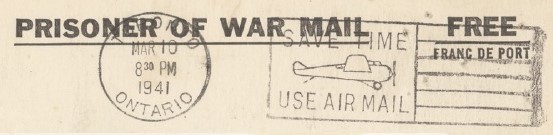
POW mail Columbus Center collection

Families had to cope with the trauma of seeing their spouse, parent or grandparent taken away, not knowing why, where to, or what would happen to them. In most cases, those interned were the main income earner for the family. Assets were seized and accounts frozen. Many businesses were forced into bankruptcy. There was no assistance from the government. For the entire community, this discrimination resulted in loss of work, loss of dignity and status. They suffered vandalism, verbal abuse, violence and shame, as well as fear for future generations. Little to no discussion occurred afterwards, as the internment was seen as shameful and most chose to remain silent-even with their own families. Many families were afraid to speak Italians to their children and grandchildren, and some even anglicized their names. A fellow AICW member whose father was detained but not interred told me about what it was like for them, even years afterwards. Rocks were thrown at their houses, and black-out curtains were used on basement and garage windows, so as not to be caught in the act of doing things that we ‘too Italian’ such as making wine.

In 2012, the AICW (Association of Italian Canadian Writers) received a grant from the Canadian government to publish 2 volumes related to the internment. Behind Barbed Wire is a collection of short fiction, memoir, poetry, drama and visual art inspired by the internment. Beyond Barbed Wire is a collection of essays examining the internment from historical, social, literary, and cultural perspectives. Many of the works are written by children and grandchildren of internees. They are available on the publisher’s website as free ebooks.

Behind-Barbed-Wire03
Beyond-Barbed-Wire-copy-1

Today, Canada is home to almost 2 million Italian Canadians. On May 27th 2021, in the House of Commons, Prime Minister Justin Trudeau formally apologized to those who were interned, their families, and the Italian Canadian community. Families of internees were also personally invited to a virtual reception, which scrolled through the names of those interned.  

In his statement, Trudeau stated ‘Canadians of Italian heritage have helped shape Canada, and they continue to be an invaluable part of the diversity that makes us so strong. Today, we acknowledge and address historical wrongs against the Italian Canadian community, we also show our respect for their great contributions to our country. To the tens of thousands of innocent Italian Canadians who were labelled enemy aliens, to the children and grandchildren who have carried a past generation’s shame and hurt and to their community, a community that has given so much to our country, we are sorry. Chiediamo scusa.’   

Learning about these events is a step towards ensuring history does not repeat itself. More information on the Italian internment can be found on the website Italian Canadians as Enemy Aliens: Memories of WWII.

Photos:

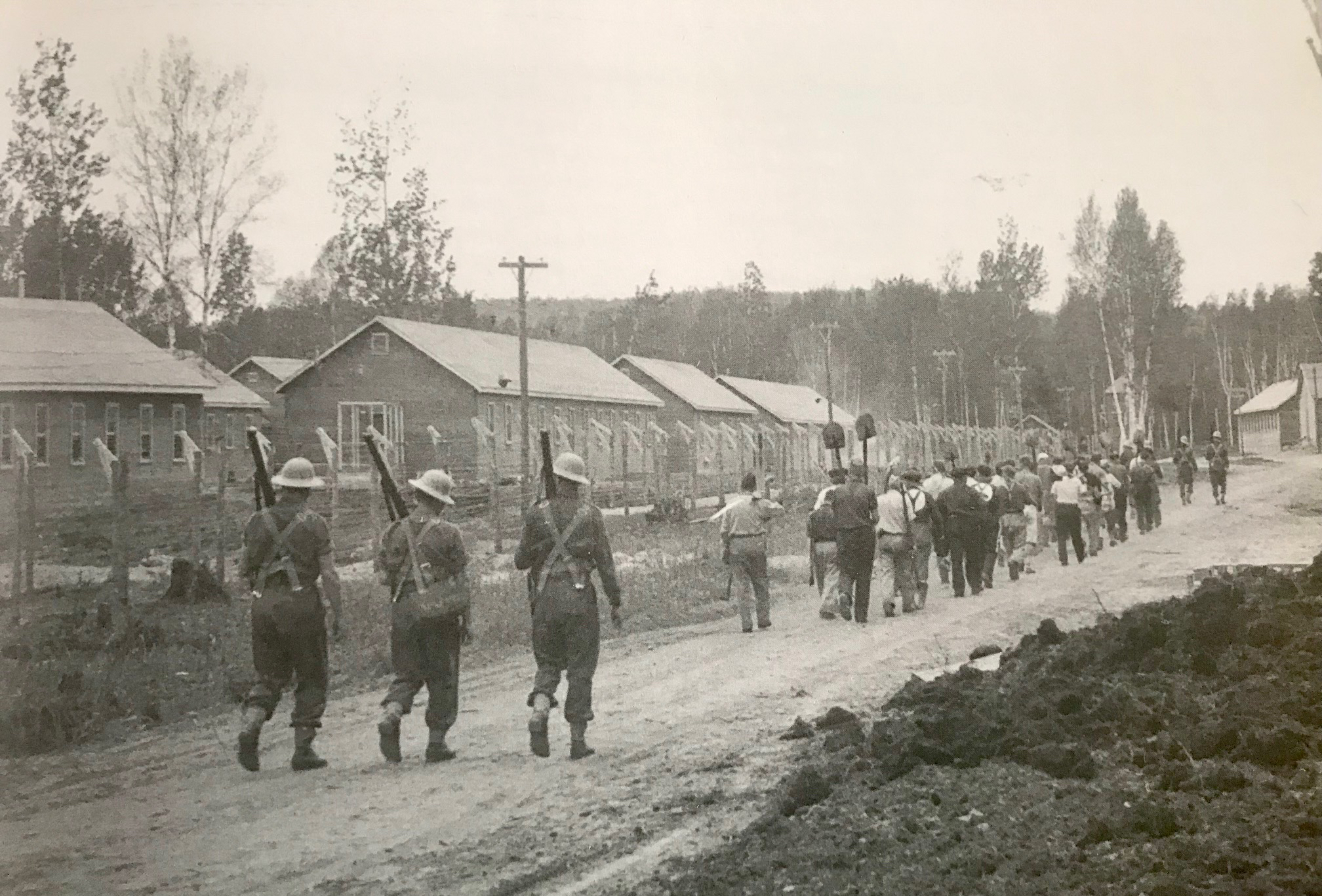
Camp Petawawa 1940 from http://www.italiancanadianww2.ca/villa/home updated to https://www.italianheritage.ca/italian-canadians-as-enemy-aliens-memories-of-world-war-ii-draft/

Nicola Germano at Camp Fredericton, 1943. Collection of Joyce Pillarella

Internees escorted by military guards back to POW Camp Petawawa, 1940. National Film Board of Canada photo.

Share this:

  • Click to share on Facebook (Opens in new window) Facebook
  • Click to share on Pinterest (Opens in new window) Pinterest
  • Click to share on X (Opens in new window) X
  • Click to email a link to a friend (Opens in new window) Email
  • Click to share on WhatsApp (Opens in new window) WhatsApp
Like Loading...

Writing about Italian Canadian Food Culture

04 Friday Sep 2020

Posted by Un po' di pepe in Bilingual posts, Italocanadesi, Mangiamo!

≈ 12 Comments

Tags

AICW, Culinary Culture, Food writing, Gastronomic history, Grano Arso, Italian Canadian Literature, Italocanadese life

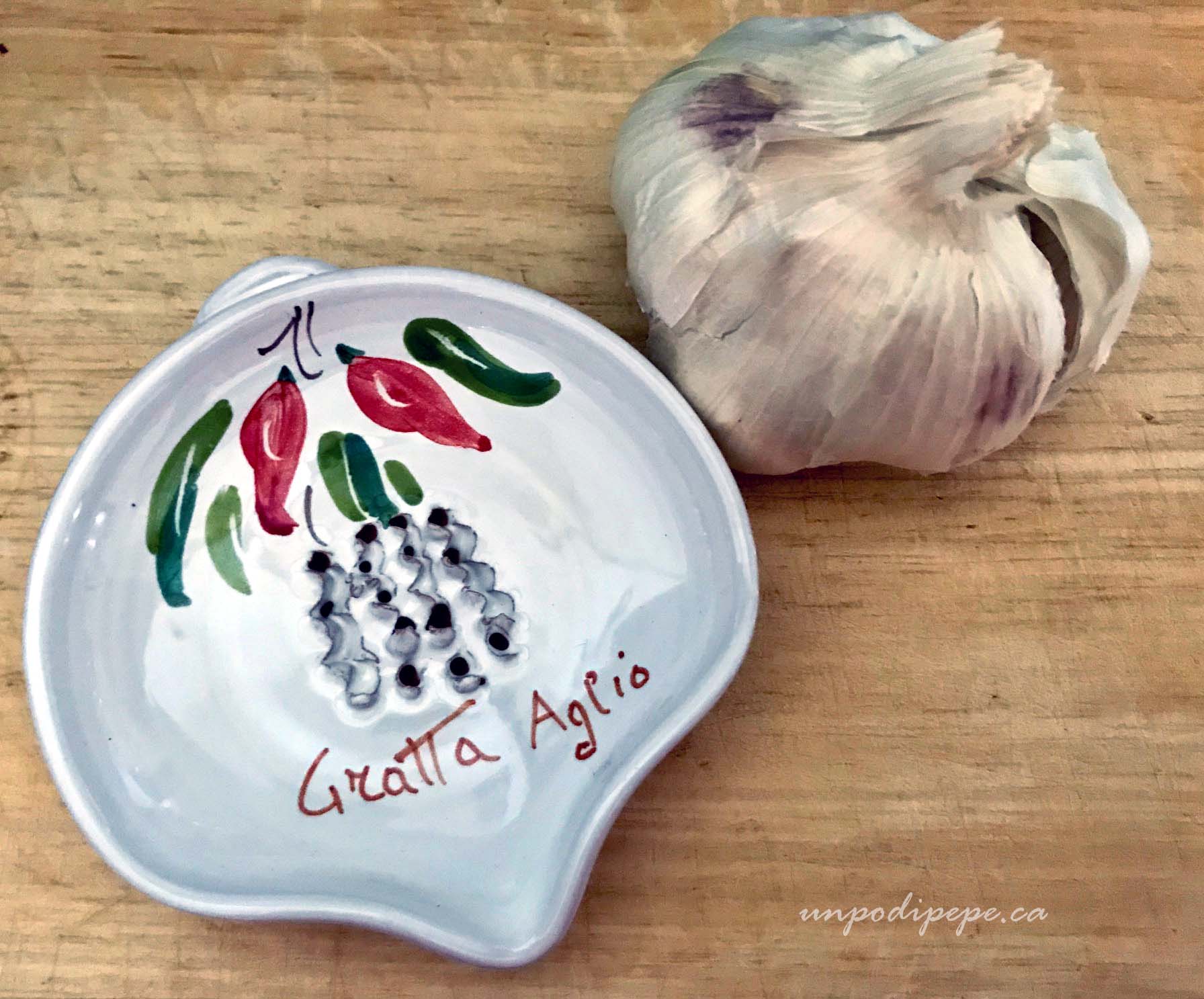
The Italian Cultural Institute of Montreal and the Association of Italian Canadian Writers (AICW), as part of a webinar series dedicated to writing, an experience animated by Italian-Canadian authors, translators, journalists, publishers and bloggers, are pleased to present “Can you smell the garlic? Writing About Italian-Canadian Food Culture”

Tuesday, September 8, 2020 – 5:00 pm EST

Nonna stirs tomato sauce bubbling in a cauldron in the garage, papà proudly pours a glass of his homemade wine, zie gather to make taralli and biscotti in the basement kitchen…

These culinary traditions are a treasure trove of material for the Italian-Canadian writer. How does nostalgia affect the relationship to food and writing about food? Push past the clichés, what complicates the rosy images? Is it more difficult to write in a critical or unsentimental mode about food and Italian-Canadian identity?

Domenico Capilongo, Monica Meneghetti, Cristina Pepe and Jim Zucchero will read mouth-watering prose and poetry and talk about the connections between food and their writing. The webinar will be moderated by former restaurant critic, Francesca M. LoDico. The series is hosted by the Secretary of the AICW Executive, Giulia Verticchio.

Event details & bios: https://iicmontreal.esteri.it/iic_montreal/en/gli_eventi/calendario/2020/09/senti-l-aglio-scrivere-sulla-cultura.html

Italiano: https://iicmontreal.esteri.it/iic_montreal/it/gli_eventi/calendario/2020/09/senti-l-aglio-scrivere-sulla-cultura.html

I will be reading about Grano Arso.  The webinar will be available to view later on the Istituto Italiano di Cultura-Montreal’s website and Facebook page.

In Italiano:
L’Istituto Italiano di Cultura di Montréal e l’Associazione degli Scrittori italo-canadesi (AICW), nell’ambito della serie di webinar dedicata all’opera della scrittura, un’esperienza animata da autori italocanadesi, traduttori, registi, giornalisti, editori, bloggers…, sono lieti di presentare il webinar intitolato “Senti l’aglio? Scrivere sulla cultura culinaria italocanadese”.
Nonna mescola la salsa di pomodoro che ribolle in un calderone nel garage, papà versa orgoglioso un bicchiere del suo vino fatto in casa, le zie si riuniscono per fare taralli e biscotti nella cucina del seminterrato… Queste tradizioni culinarie sono un tesoro di materiale per lo scrittore italo-canadese. In che modo la nostalgia influenza il rapporto con il cibo e la scrittura sul cibo? Superare i cliché, cosa complica le rosee immagini? È più difficile scrivere in modo critico o non sentimentale sul cibo e sull’identità italo-canadese?
Domenico Capilongo, Monica Meneghetti, Cristina Pepe e Jim Zucchero leggeranno brani e poesie da “leccarsi i baffi” e parleranno delle connessioni tra il cibo e la loro scrittura. Il webinar sarà moderato dal già critico di ristoranti, Francesca M. LoDico. La serie è ospitata dalla Segretaria dell’Esecutivo AICW, Giulia Verticchio.
**********
Buon appetito, Cristina

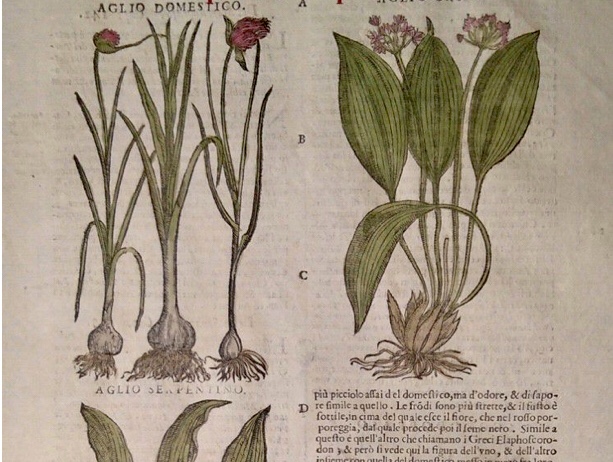
Garlic drawings

Share this:

  • Click to share on Facebook (Opens in new window) Facebook
  • Click to share on Pinterest (Opens in new window) Pinterest
  • Click to share on X (Opens in new window) X
  • Click to email a link to a friend (Opens in new window) Email
  • Click to share on WhatsApp (Opens in new window) WhatsApp
Like Loading...

Enter your email address to follow 'un po' di pepe' and receive notifications of new posts by email.

Join 511 other subscribers
Follow Un po' di pepe on WordPress.com

Popular Posts

  • Hairstyling in Ancient Roma
    Hairstyling in Ancient Roma
  • Espresso Cookies
    Espresso Cookies
  • Il Pumo Pugliese
    Il Pumo Pugliese
  • Panforte di Siena
    Panforte di Siena
  • Internment of Italian Canadians
    Internment of Italian Canadians
  • San Nicola
    San Nicola
  • Panettone Fatto in Casa
    Panettone Fatto in Casa

Recent Posts

  • Castel del Monte
  • ‘The Nuances of Love’
  • Hostaria Antica Roma~Eat like an Ancient Roman
  • Santa Maria in Aracoeli
  • Casino dell’Aurora~Villa Boncompagni Ludovisi
  • Nasoni di Roma
  • Bloghiversario #11
  • Fontana di Trevi
  • Acqua Vergine
  • Giubileo 2025
  • Sanremo 2025
  • In Vino there are Memories
  • A Literary Harvest
  • 2024~Un po’ di pepe Year in Review
  • Buon Natale 2024
  • Il Bicerin
  • Mercato Porta Palazzo
  • Torino
  • Catanzaro, Calabria
  • Il Pumo Pugliese
  • Artemisia Gentileschi
  • Cavalli di San Marco
  • Panzerotti
  • Torcello
  • 10 years of Un po’ di pepe!

Categories

Amici e Famiglia Architecture Art Art history Art projects Bilingual posts Blogging Canada Culture Feste Firenze Inspiration Italia Italian Folklore Italian language Italian life Italocanadesi Libri Mangiamo! Orsara di Puglia Parole piacevoli Photography Puglia Recipes Roma Travel Travel tips Uncategorized Vino

Archives

Un po’ di pepe on Facebook

Un po’ di pepe on Facebook

Start a Blog at WordPress.com.

  • Subscribe Subscribed
    • Un po' di pepe
    • Join 511 other subscribers
    • Already have a WordPress.com account? Log in now.
    • Un po' di pepe
    • Subscribe Subscribed
    • Sign up
    • Log in
    • Report this content
    • View site in Reader
    • Manage subscriptions
    • Collapse this bar
 

Loading Comments...
 

    %d