• Home
  • About me/Chi sono
  • Contact

Un po' di pepe

~ …… (oon∙poh∙dee∙PEH∙peh) Cristina writes about interesting stuff /Cristina scrive di cose interessanti

Un po' di pepe

Category Archives: Italia

The Miracle Players, Roma

15 Monday Jun 2015

Posted by Un po' di pepe in Culture, Italia, Roma, Travel tips

≈ 8 Comments

Tags

Foro Romano, Italian history, Italy travel tips, Roma, Roma english speaking theater, Roman Forum, The Miracle Players

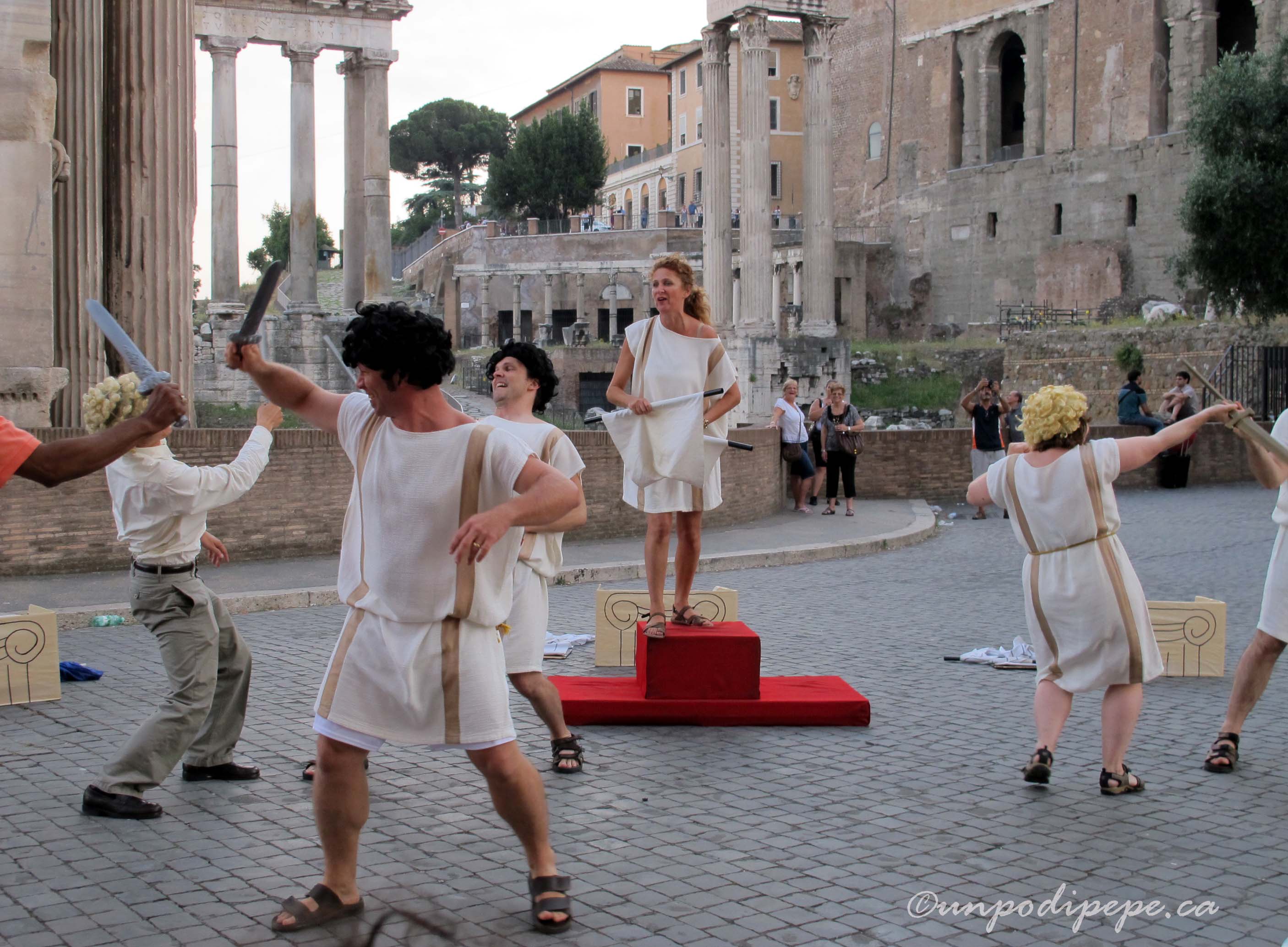
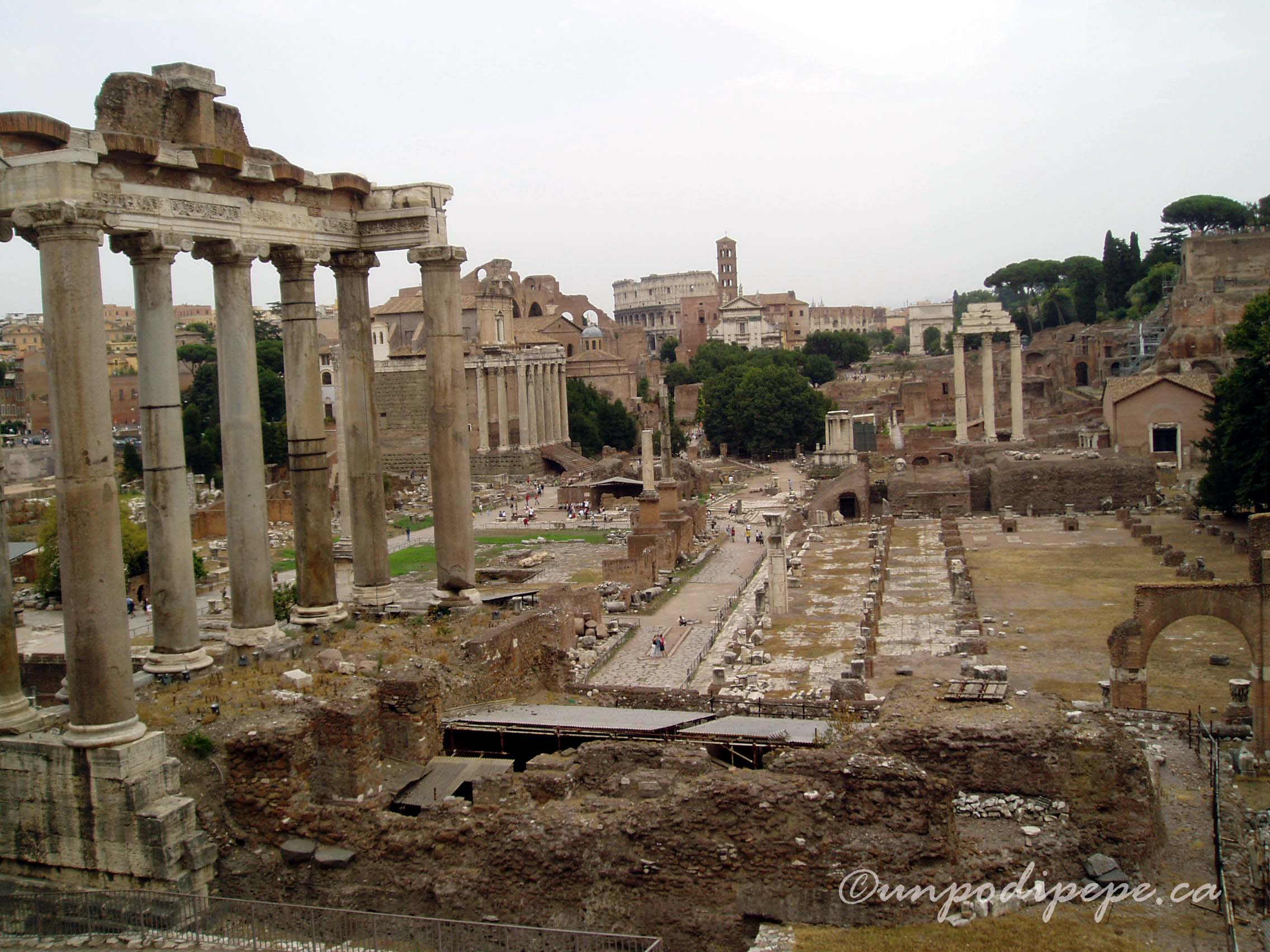
Miracle PlayersIf Monty Python meets the history of the Roman Empire sounds appealing, you will love the Miracle Players.  They are an English speaking theater group in Roma made up of expats from around the world.  They perform hysterically historical original comic works at the Foro Romano (Roman Forum) each summer.

Miracle Players2

Miracle Players performances feature volunteer swordfighters and high tech special effects!

Miracle Players performances feature volunteer swordfighters and high tech special effects!

I have been to 3 of their performances; ‘Caesar-More than just a Salad’, ‘The Life of Michelangelo’, and ‘The Seven Kings of Rome’.  This year they are performing the rhyming ‘Rome in a Nutshell’.

Miracle Players4

If you will be in Roma on a Friday between June 26 and July 31, check out the performance at 7:30pm sharp.  It is free and no reservation required. Get there early to sit on the stairs of the church facing the action-Chiesa dei Santi Luca e Martina. Bring something to sit on if your culetto doesn’t like hard stairs or pavement.

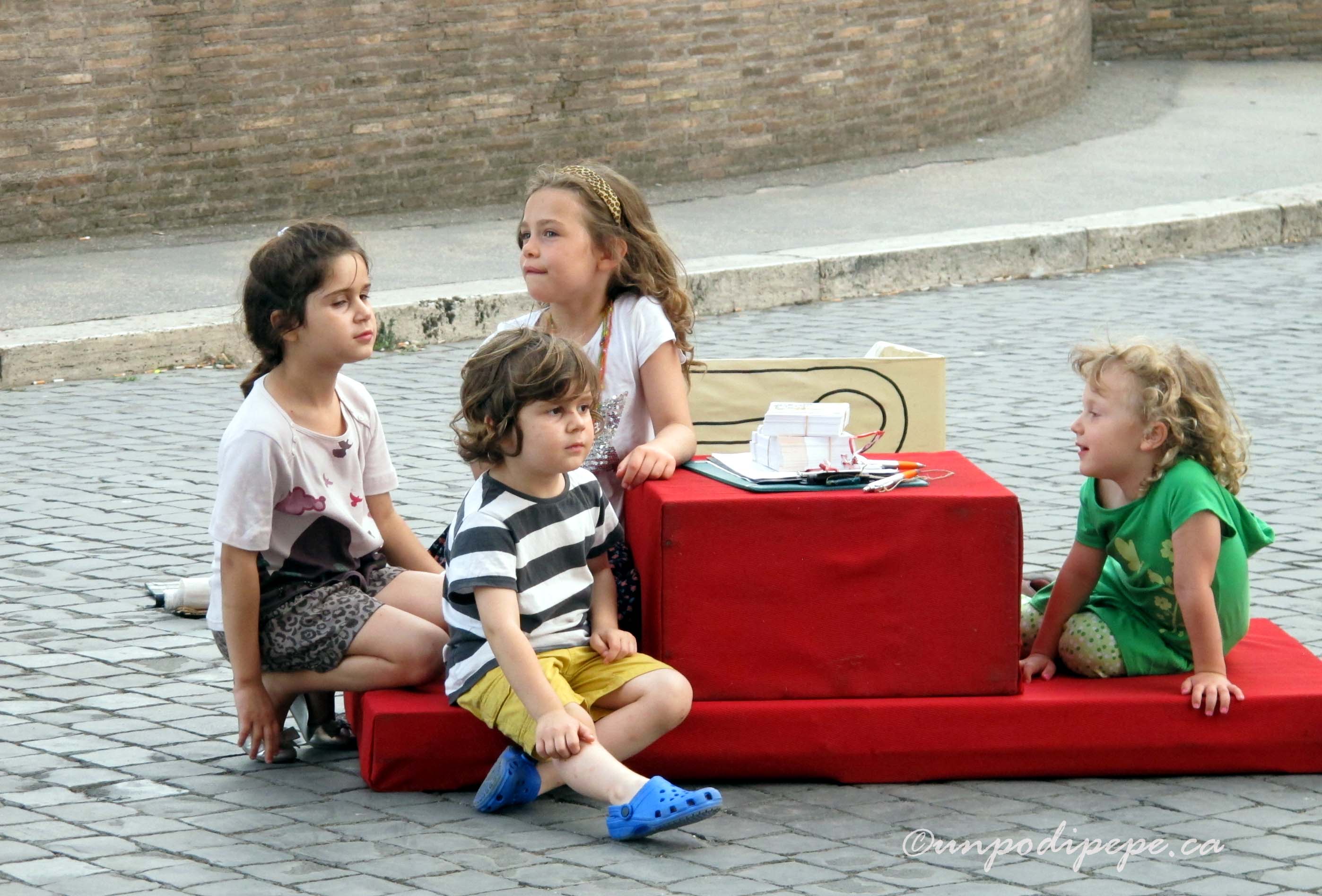
The production crew takes a break

The production crew takes a break

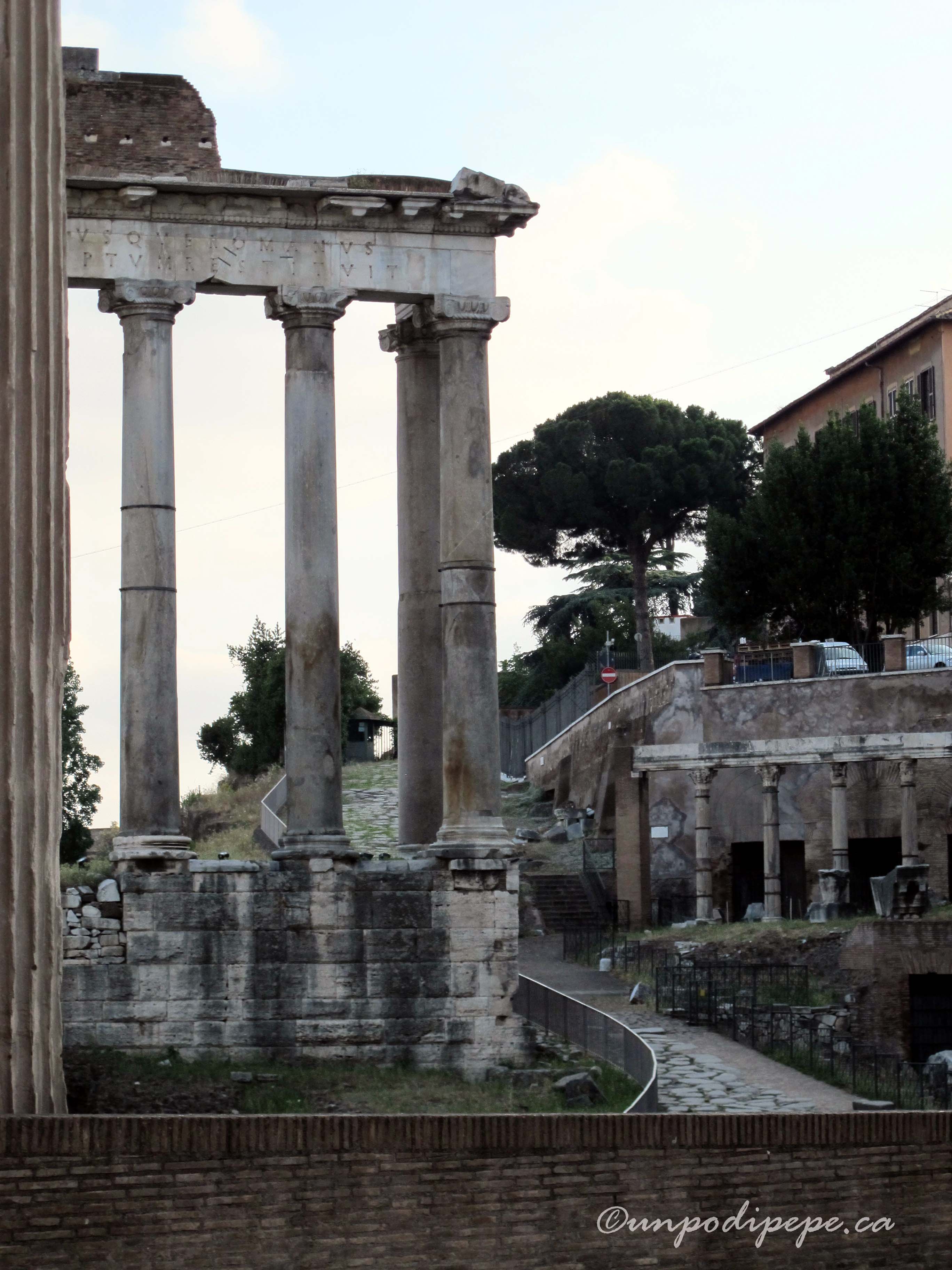
The performance is across from the Carcere Mamertino (Mamertine Prison) at the Roman Forum.  This is below the Campidoglio and behind Il Vittoriano.  The location is easy to get to.  Take the Metro B blue line to Colosseo and walk down Via dei Fori Imperiali.  There is a map on The Miracle Players website. The stage backdrop is the Roman Forum itself-how can you top that!  ForoRomano

Share this:

  • Share on Facebook (Opens in new window) Facebook
  • Share on Pinterest (Opens in new window) Pinterest
  • Share on X (Opens in new window) X
  • Email a link to a friend (Opens in new window) Email
  • Share on WhatsApp (Opens in new window) WhatsApp
Like Loading...

Dante Alighieri

31 Sunday May 2015

Posted by Un po' di pepe in Firenze, Italia, Italian language

≈ 19 Comments

Tags

Dante, Dante Alighieri, Firenze, Italian history, Italian language, Italian literature, La Divina Commedia

Statue of Dante in Piazza Santa Croce, Firenze

Statue of Dante in Piazza Santa Croce, Firenze

Auguri Dante!  2015 is the 750th anniversary of the birth of Dante.  His actual birth date is unknown, but he does provide clues in ‘Paradiso’ that he was born under the sign of Gemini.  In 1265, Gemini was mid May to mid June, a bit earlier than it is now.

Dante is known as the ‘Father of the Italian Language’.  His most famous work La Divina Commedia (The Divine Comedy) is considered a masterpiece, the first and also the greatest work of literature in the Italian language.  In the late medieval period, Latin was the only language for education, literature and religion.  La Divina Commedia was the first major work written in a language of ordinary speech, the way people actually spoke at home. Dante combined Tuscan and other dialects and some Latin, establishing the modern Italian language.  Even though La Divina Commedia was written in 1308-20 the language is understandable today.

La Divina Commedia is a long poem in 3 parts, emphasizing the importance of salvation and Divine love. It outlines Dante’s imaginary trip to Paradiso (Heaven), passing through L’Inferno (Hell) and Purgatorio (Purgatory) to get there.  It is also a critique of famous figures of his time. The work is filled with historical references and discusses politics, religion, ethics and love. La Divina Commedia has no jokes and is not funny.  The reason it is called a commedia is because it is not a tragedia (trajedy) and it has a happy ending.

Dante was born in Firenze (Florence).  He studied philosophy, poetry, and was also a pharmacist because nobles in public office had to belong to one of the city’s guilds.  This isn’t as strange as it sounds because books were sold by pharmacies at the time. Dante’s family was involved in the Guelfi/Ghibellini (Guelph/Ghibelline) conflicts.  The Guelfi supported the Papacy and the Ghibellini supported the Holy Roman Emperor -although there wasn’t actually one at the time.  The Guelfi split into 2 groups because the Pope at the time kept interfering with internal matters in Firenze.  The Guelfi Bianchi (White Guelphs) did not want the Pope involved in city politics and the Guelfi Neri (Black Guelphs) supported complete Pope authority.  Dante’s family were Guelfi Bianchi.  In 1302, Firenze was occupied by the Guelfi Neri and the Guelfi Bianchi, including Dante, were exiled. The other Guelfi Bianchi in exile were pardoned a few years later, but not Dante.  He was kind of a badass in exile and burnt his bridges by writing many nasty letters, so he stayed in Roma.  Dante was offered amnesty in 1315, but there were strings attached and a heavy fine which he couldn’t pay. He wrote La Divina Commedia while in exile and managed to write all of his opponents to eternal damnation, imaginatively making up all sorts of horrible existances for them in l’Inferno.  He obviously put a lot of effort into coming up with all of the horrible details! If Dante were alive today I think he would be writing political satire in Paris.

Dante never returned to his beloved Firenze.  He moved to Ravenna, where he completed Paradiso and died in exile in 1321.  He is buried in the the church of San Francesco. Firenze regretted what had happened and repeatedly asked for Dante’s remains. A tomb was built in 1829 in Santa Croce but the requests were refused. In June 2008, Firenze passed a motion rescinding his sentence and exile. Meglio tardi che mai/Better late than never!

Piazza Santa Croce with statue of Dante on the left.

Piazza Santa Croce with statue of Dante on the left.

Share this:

  • Share on Facebook (Opens in new window) Facebook
  • Share on Pinterest (Opens in new window) Pinterest
  • Share on X (Opens in new window) X
  • Email a link to a friend (Opens in new window) Email
  • Share on WhatsApp (Opens in new window) WhatsApp
Like Loading...

La Montagna Spaccata

17 Sunday May 2015

Posted by Un po' di pepe in Italia, Orsara di Puglia, Photography, Puglia

≈ 18 Comments

Tags

Montagna Spaccata, Montaguto, Orsara di Puglia, Parco Eolico di Montaguto, Puglia, Southern Italy

Montagna Spaccata1

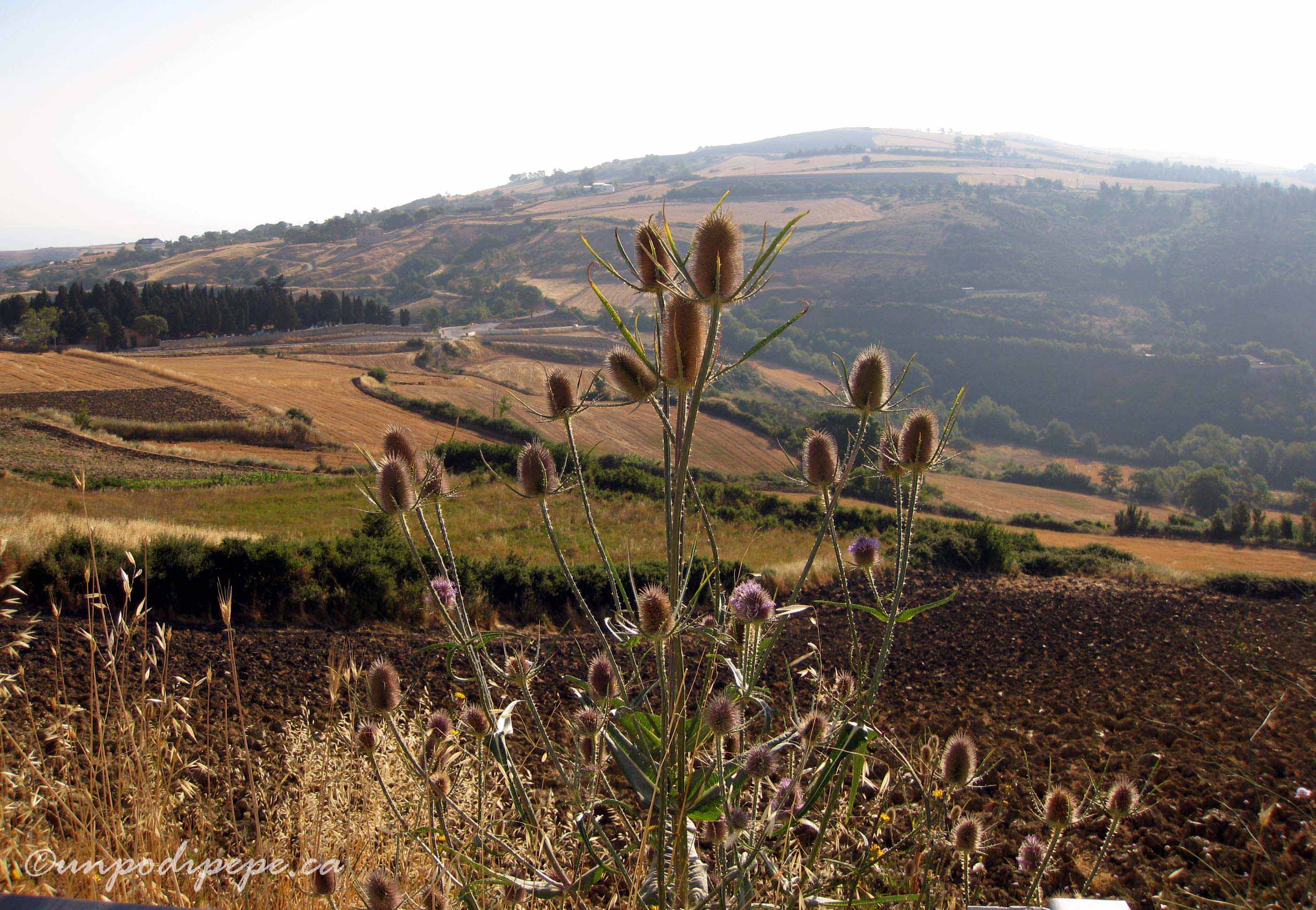
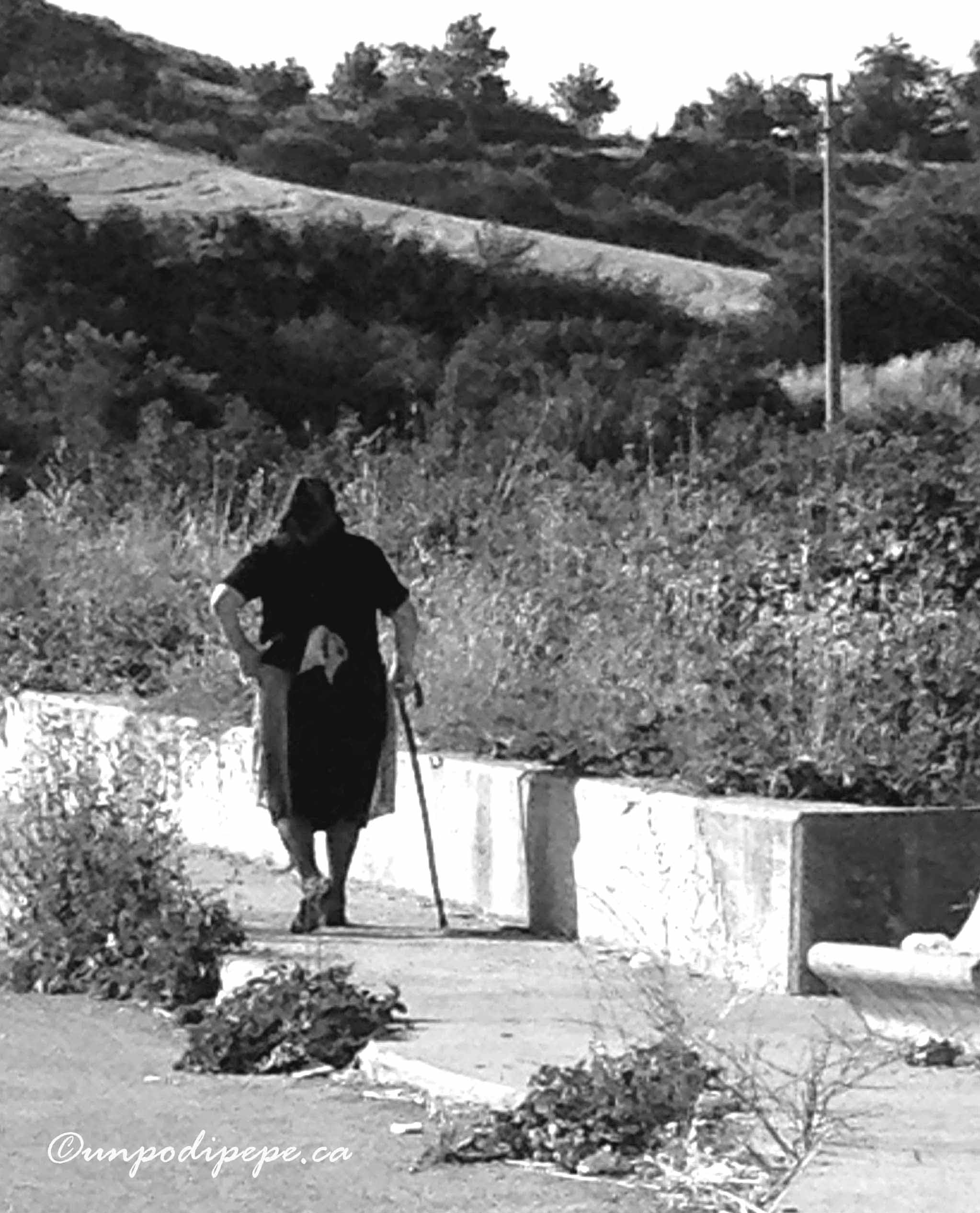
When I am in Orsara di Puglia, I go for a long passeggiata (walk) up the mountain almost every morning. When you spend weeks eating lots of yummy food, this is necessary. Orsara is already at 650-700 m elevation (2300 ft) and my walk is uphill a lot of the way so there is some good altitude there. I leave Orsara via Via Castagneto and take the Via Nuova, go past the Cimitero (cemetary) and then take the uphill zigzags to ‘La Montagna Spaccata’. At one time this was a steep windy dirt road, but now it is paved. I like to call it ‘la palestra di Madre Natura’ or ‘Mother Nature’s gym’.  In the early to mid morning and early evening many Orsaresi of all ages are out walking.

ViaNuova2

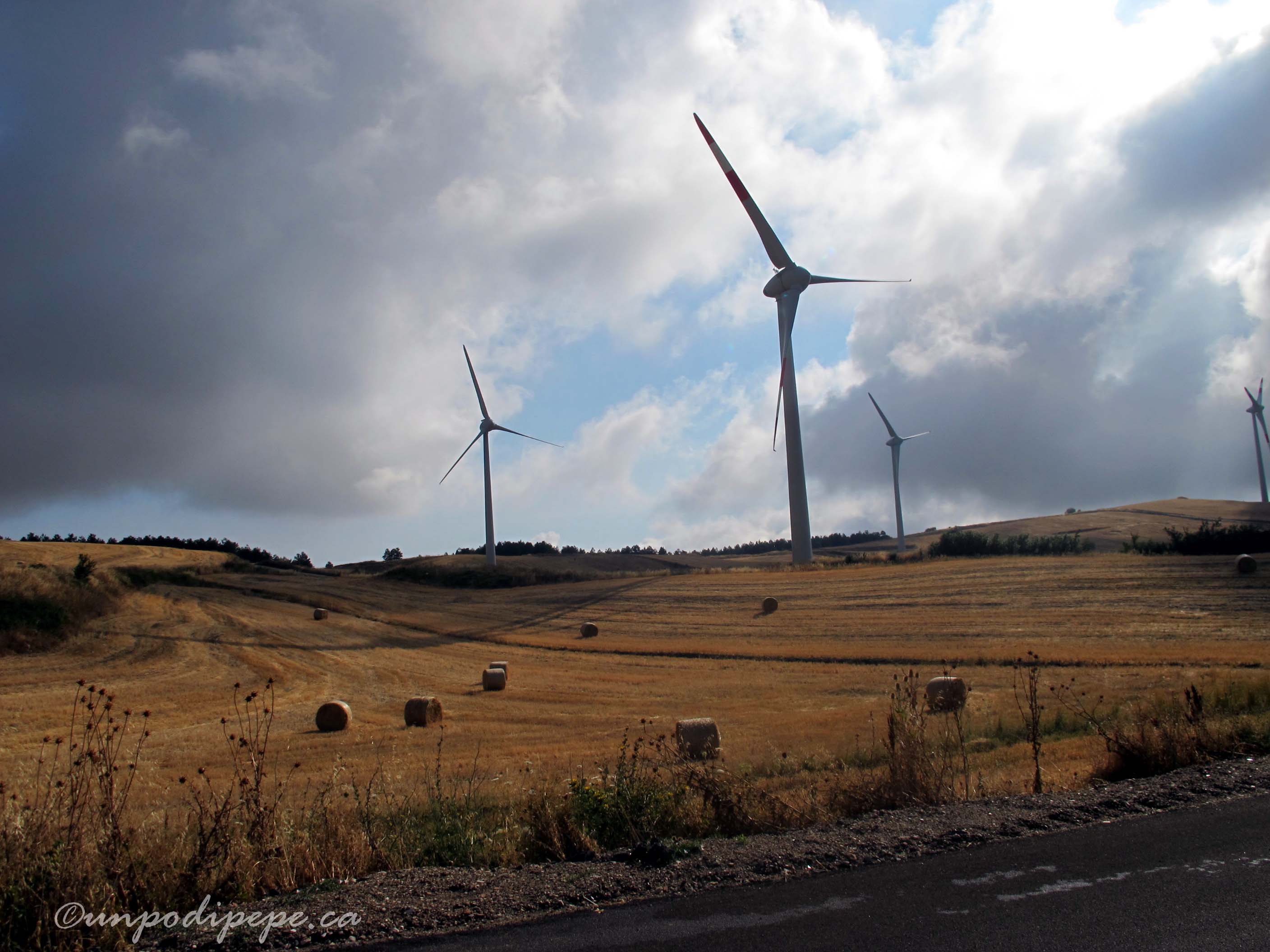
‘Spaccata’ means cracked or split, as in split into 2.  The reason for the name is that part of the mountain is in Puglia and part in Campania.  In fact, Montaguto, the closest village to Orsara, is in Campania, in the province of Avellino. Arriving at the ‘frontiera’ (border), you can see the difference in the asphalt where one regione has stopped paving and the other has started. Just beyond the border is the Parco Eolico di Montaguto (wind farm) and the road also flattens out a lot. I usually walk to this ‘frontiera’ and then walk back down.  Sometimes I go father, and a few times I have even walked all the way to Montaguto which is 6 km away.

Montaguto (AV) seen from a distance

Montaguto (AV) seen from a distance

I always thought Montagna Spaccata was just a ‘local’ name and that it had a real name.  I tried to find out, but no one seemed to know for sure.  I did some heavy duty research, consulting wikipedia….oops, I mean my amico Donato, who asked his amico Leonardo who consulted the official IGMI (Istituto Geografico Militare Italiano) military map …..and what do you know, Montagna Spaccata is the actual name!

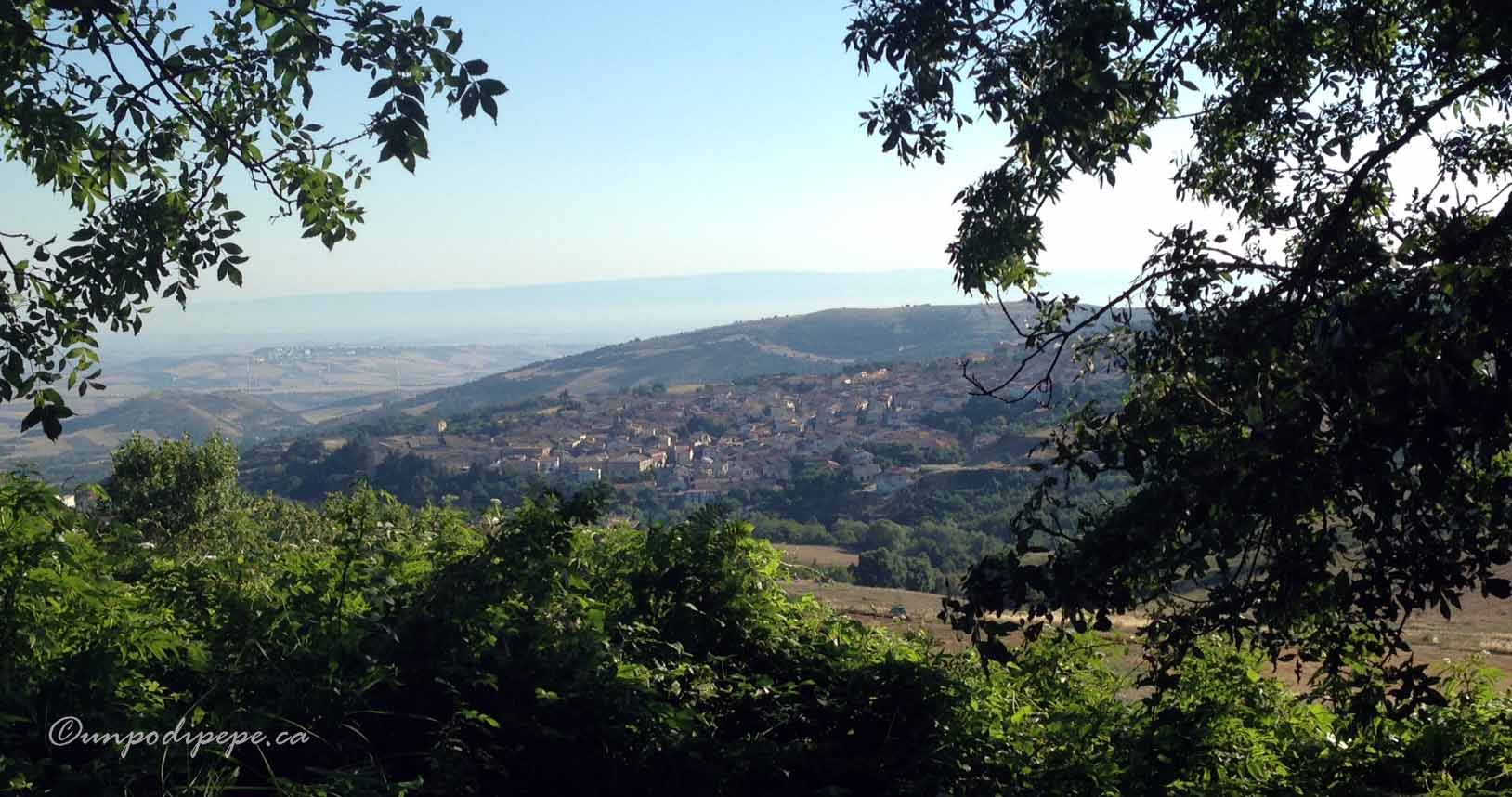
View of Orsara di Puglia

View of Orsara di Puglia

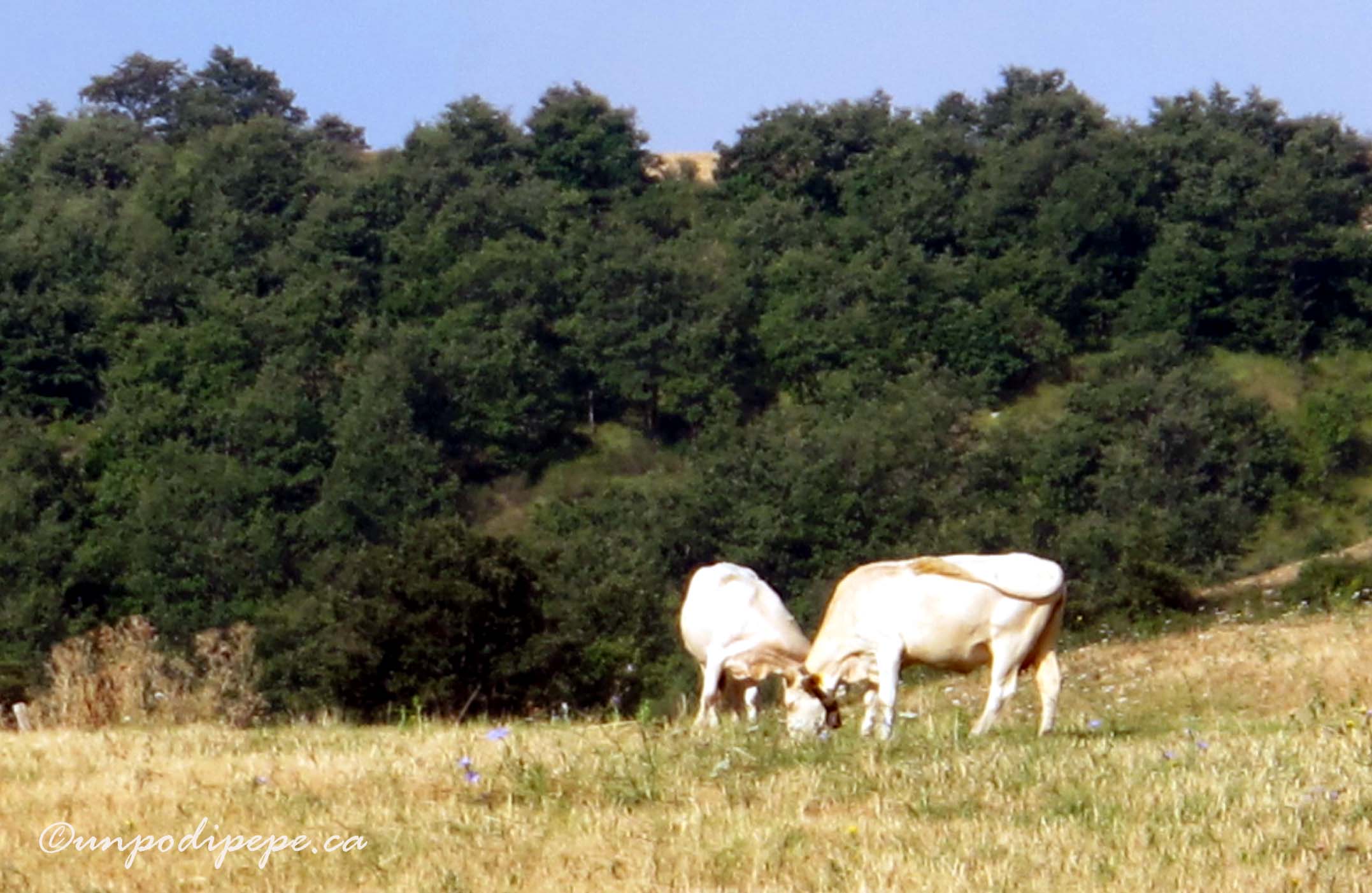
I love my morning passeggiata.  I can breathe in fresh aria di montagna (mountain air) and get some exercise-aka an excuse to eat more! I also enjoy and photograph some breathtaking scenery and views of Orsara di Puglia and even meet friends along the way.  See for yourself…..

Montagna Spaccata copy1

Orsaradipugliavista2

Pale eoliche (wind turbines) near Montaguto

Pale eoliche (wind turbines) near Montaguto

MuccheMontaguto

Share this:

  • Share on Facebook (Opens in new window) Facebook
  • Share on Pinterest (Opens in new window) Pinterest
  • Share on X (Opens in new window) X
  • Email a link to a friend (Opens in new window) Email
  • Share on WhatsApp (Opens in new window) WhatsApp
Like Loading...

Val d’Orcia Daytrip

03 Sunday May 2015

Posted by Un po' di pepe in Firenze, Italia, Travel tips

≈ 14 Comments

Tags

Abbazia Sant'Antimo, Cappella della Madonna di Vitaleta, Castelnuovo dell'Abate, Daytrips from Firenze, Daytrips from Siena, Firenze, Fondazione Il Bisonte, Italy travel tips, Monteriggioni, Pienza, UNESCO World Heritage Sites, Val d'Orcia

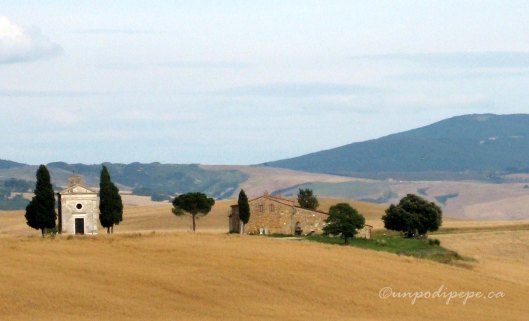
CappellaMadonnadiVitaleta

I wrote an email a while ago about my daytrip from Firenze to the Val d’Orcia with my amica Shannon.  I have sent that same email so many times to friends planning a visit to Toscana that I thought it would make a great blog post.

Shannon was studying printmaking at Il Bisonte in Firenze for a year and I went to visit her for a week . We decided to rent a car for a day and go exploring. Our start time was delayed and by the time we drove off it was almost mezzogiorno (noon). No plans were made regarding where to go, we just drove away from Firenze then headed south, towards Siena. We passed a sign for Monteriggioni, which neither of us had been to, so that was our first stop. Monteriggioni is a small 13th Century medieval walled village. Besides the intact 10m high walls and 14 square towers, Monteriggioni’s claim to fame is a mention from Dante in his Divina Commedia: Inferno, canto xxxi lines 41-42:

‘Come in su la cerchia tonda, Monteriggioni di torri si corona’

‘Like a circling round, Monteriggioni crowns itself with towers.’

Monteriggionicollage

Hunger set in, but we did not want to take time from our adventure to sit in a restaurant. At the Generi Alimentari (grocery/deli) we picked up some local goodies…prosciutto, finocchione (Tuscan fennel salame), pecorino di Pienza, fresh bread, and 2 glasses of Chianti—all for 11 €! They put it all in a cestino (basket) for us and we ate outside in the piazza. It was the best lunch ever.  See for yourself…..

Monteriggionilunch2

We got back in the car and headed towards the Val d’Orcia. When you see photos or postcards of the classic Toscana landscape with gentle rolling hills, vineyards and cipressi (cypress trees)…this is it!

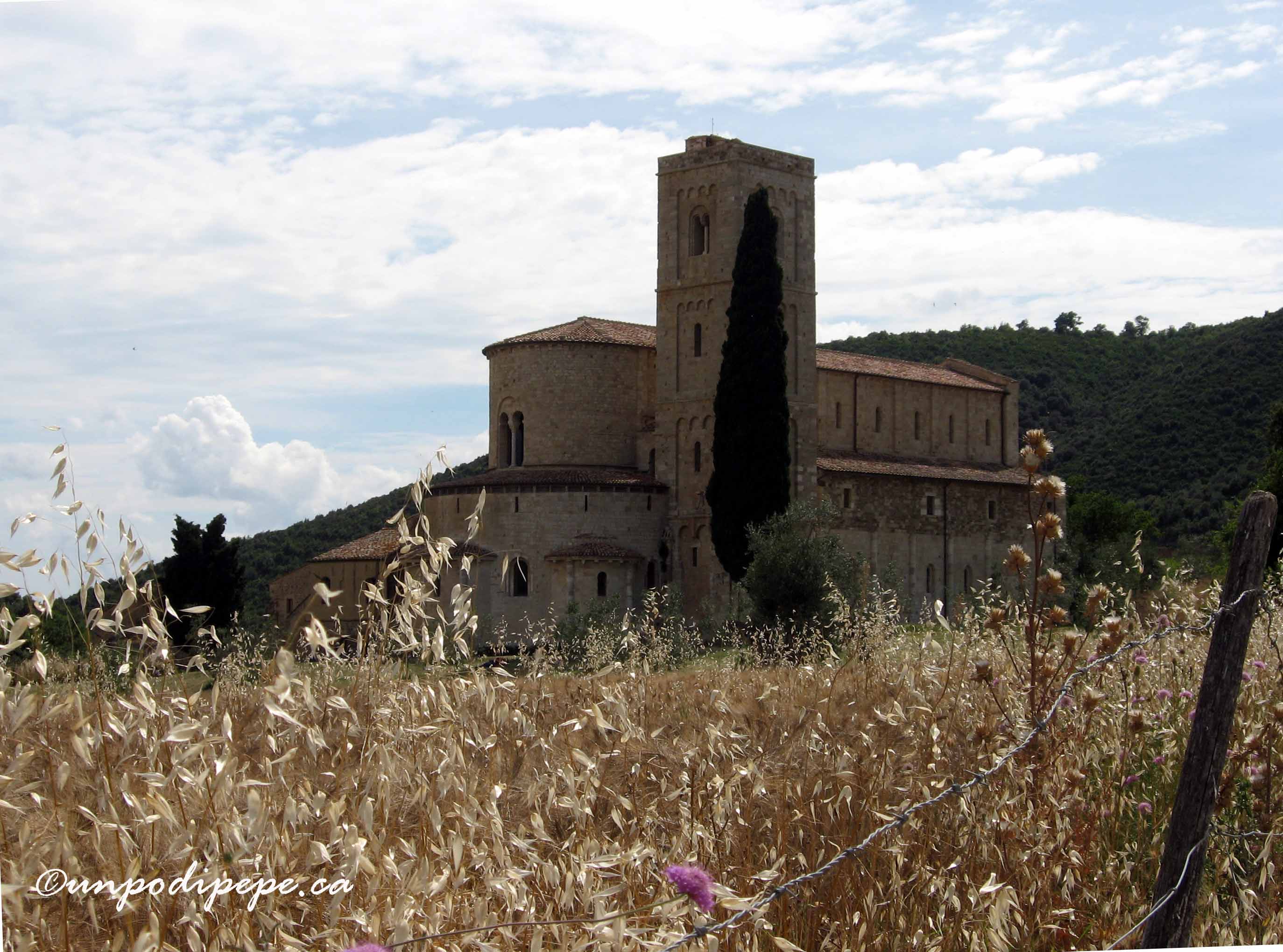
ToscanaThe entire Val d’Orcia is a UNESCO World Cultural Landscape.  When we stopped in Montalcino, there was a sign for the Abbazia Sant’Antimo. I had recently read about this beautiful Romanesque Abbey, so we drove to Castelnuovo dell’Abate, parked the car and walked down.

Sant'Antimo1Sant’Antimo is a heavenly place, in a valley surrounded by vineyards, olive trees and cypresses. Parallel to the bell tower stands a striking single cypress tree. A powerful monastery in the middle ages, Sant’Antimo was abandoned for a short period of about 500 years! Local contadini (farmers) apparently used the crypt as a wine cellar!

Sant'Antimo2Restoration work was done in the 1980’s and now it is home to a small Canonical order. 7 times a day there are vespers and Mass with Canto Gregoriano (Gregorian chanting). Sant’Antimo is worth going out of the way for. Next time I am there, I want  to walk the 10.5 km from Montalcino and take the bus back from Castelnuovo.

Castelnuovo dell' Abate

Castelnuovo dell’ Abate

Between San Quirico d’Orcia and Pienza the scenery was breathtaking, including one of the most photographed places in Italia, La Cappella della Madonna di Vitaleta. It is on private property so we weren’t able to visit, but we did lots of admiring from afar.

Cappella della Madonna di Vitaleta-unfinished mixed media painting

Cappella della Madonna di Vitaleta-unfinished mixed media painting

There were cipressi (chee•PRES•see) everywhere! I have a fascination with cipressi  and love to paint their ‘flame’ shapes and shadows. My nipotine have always called them ‘Zia’s trees’ and they love to paint them too. We came across some random sculpture among the cipressi with signs ‘Si prega di non appogiarsi alle sculture’ (Please don’t lean on the sculptures).

sculture

Pienza-formerly called Cortignano was the birth town of Pope Pio (Pius) II. In 1489, he rebuilt it to be an ‘ideal town’ according to Renaissance Humanist design concepts and renamed it after himself. He was a humble man! Because of this early vision of urban planning, the Centro Storico (historic center) of Pienza is a UNESCO World Heritage Site. I could have spent weeks sketching in Pienza!

Pienza Collage copy

After a brief visit to Montepulciano we had to start heading back towards Firenze. Our final stop was Castellina in Chianti to have pappardelle al lepere (thick ribbon pasta with wild rabbit sauce) which was so yummy! The ride to Castellina was spectacular.  We somehow ended up on a back road, the sun was setting and everything was sparkly and lavender! Just before mezzanotte (midnight) we arrived back in Firenze and dropped off the car. Our Val d’Orcia adventure lasted exactly 12 wonderfully unplanned hours.

Pienza

Pienza

Val d'Orcia daytrip

Val d’Orcia daytrip

Buon Viaggio! Cristina

Share this:

  • Share on Facebook (Opens in new window) Facebook
  • Share on Pinterest (Opens in new window) Pinterest
  • Share on X (Opens in new window) X
  • Email a link to a friend (Opens in new window) Email
  • Share on WhatsApp (Opens in new window) WhatsApp
Like Loading...

Over Lago Maggiore

22 Sunday Mar 2015

Posted by Un po' di pepe in Amici e Famiglia, Italia, Photography, Travel

≈ 8 Comments

Tags

Angera, Eremo Santa Caterina del Sasso, Isola Bella, Isola Pescatori, Isole Borromee, Italy travel tips, La Rocca d'Angera, Lago Maggiore, Lounge Bar La Noce, Milano daytrips, Palazzo Borromeo

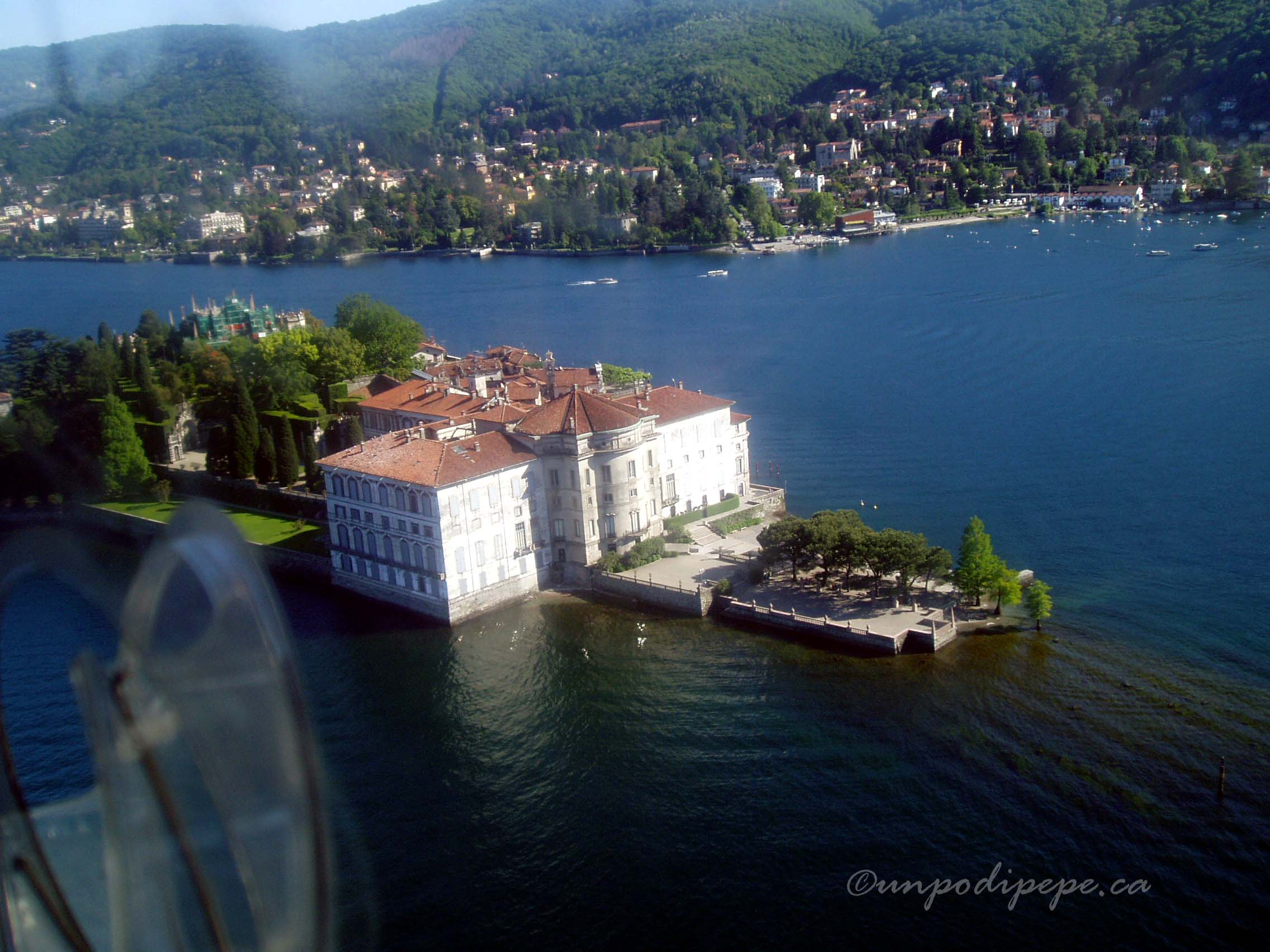
A few years ago I went to Angera on the eastern shore of Lago Maggiore to visit my cugini Rosa and Pasquale and their family.  They own Lounge Bar La Noce which is right on the lake. Pasquale took me up for a spin in his ultralight and I ended up with some ‘vista d’uccello’ (bird’s eye view) shots of l’Isole Borromee, 3 small islands in the Italian part of Lago Maggiore.

Isola Bella

Isola Bella is named for Contessa Isabella D’Adda, wife of Carlo Borromeo III.  It was once a big flat rock in the lake with a tiny fishing village.  Over a 40 year period in the 1600’s soil was brought in to build 10 terraces for the gardens and a summer palace.  Famous palace guests include Napoleon and Josephine.

Isola Madre

Isola Madre is the largest of the 3 islands.  The 16th Century Palazzo Borromeo was built by Count Lancillotto Borromeo -what an awesome name!  The English style Giardini Botanici dell’Isola Madre (Botanical Gardens) were built in the 18th Century on the site of a citrus grove.

Isola Pescatori

Isola Superiore dei Pescatori -usually just called Isola Pescatori, is named for the fisherman.  The village has about 50 permanent residents, and a few of them are actually still fishermen. Isola Pescatori was owned by the Borromeo family until the middle ages but is now part of Stresa. There are several hotels and restaurants on the island and taxi boat service from Stresa.

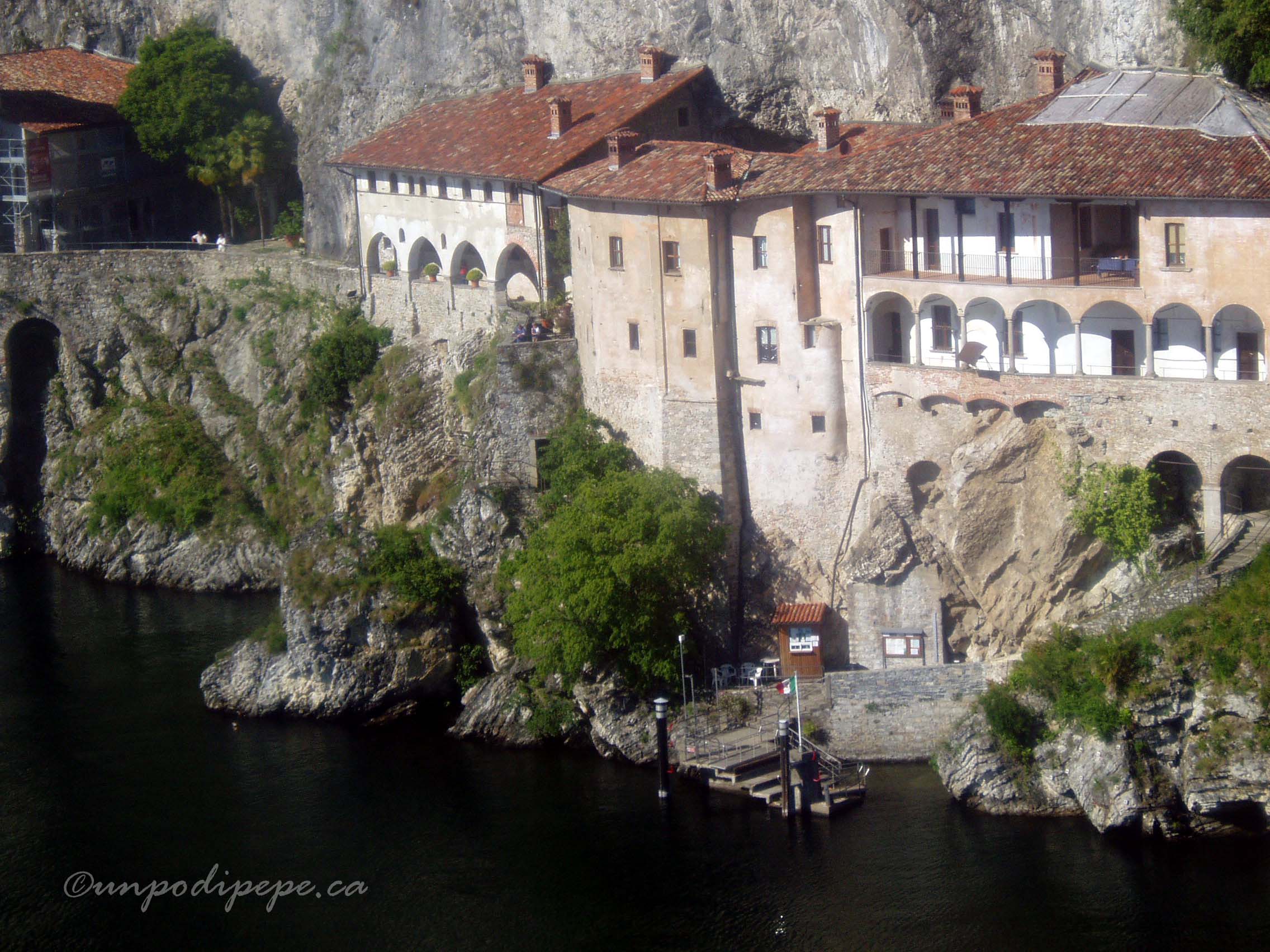
Eremo Santa Caterina del Sasso, a monastery founded by a man shipwrecked during a storm.  He swore that if he survived he would dedicate his life to building a monastery on the site.

Eremo Santa Caterina del Sasso, a monastery founded by a man shipwrecked during a storm. He swore that if he survived he would dedicate his life to building a monastery on the site.

La cabina di pilotaggio (cockpit) & i piloti!  I don't remember how we managed to take this blurry selfie in the cockpit?

La cabina di pilotaggio (cockpit) & i piloti! I don’t remember how we managed to take this blurry selfie in the cockpit?

La Rocca d'Angera on the hill with Lounge Bar La Noce below.  Photo Pasquale D'Ambrosio.

La Rocca d’Angera on the hill with Lounge Bar La Noce below. Photo Pasquale D’Ambrosio.

Angera (pop 5600) was an important lake point in Roman times, when it was called Angheria.  Today it is most famous for La Rocca d’Angera (Castello Borromeo) a fortress on top of a 200m hill overlooking Lago Maggiore.  The 1989 RAI miniseries ‘I Promessi Sposi’, based on the 1827 novel by Alessandro Manzoni was filmed here.  La Rocca is also home to Il Museo delle Bambole, a doll museum.  The Borromeo family still owns La Rocca d’Angera, Isola Bella and Isola Madre but they are accessible to the public. Boats to l’Isole Borromee (www.navigazionelaghi.it) are available from the lakefront towns of Stresa, Laverno, Pallanza and Intra.  Some hotels and restaurants also have their own private boat service.

Angera is a nice day trip from Milano.  There is no direct train but the closest route is the train to Sesto Calende then bus to Angera or the train to Arona and then a ferry across the lake to Angera. Buon Viaggio!

Cigne Angera

Share this:

  • Share on Facebook (Opens in new window) Facebook
  • Share on Pinterest (Opens in new window) Pinterest
  • Share on X (Opens in new window) X
  • Email a link to a friend (Opens in new window) Email
  • Share on WhatsApp (Opens in new window) WhatsApp
Like Loading...

I Trabucchi del Gargano

09 Monday Mar 2015

Posted by Un po' di pepe in Italia, Photography, Puglia

≈ 13 Comments

Tags

Il Gargano, Italia, Parco Nazionale del Gargano, Puglia, Punta Lunga, Southern Italy, Trabucchi del Gargano, Vieste

Il Trabucco Punta Lunga Mattina

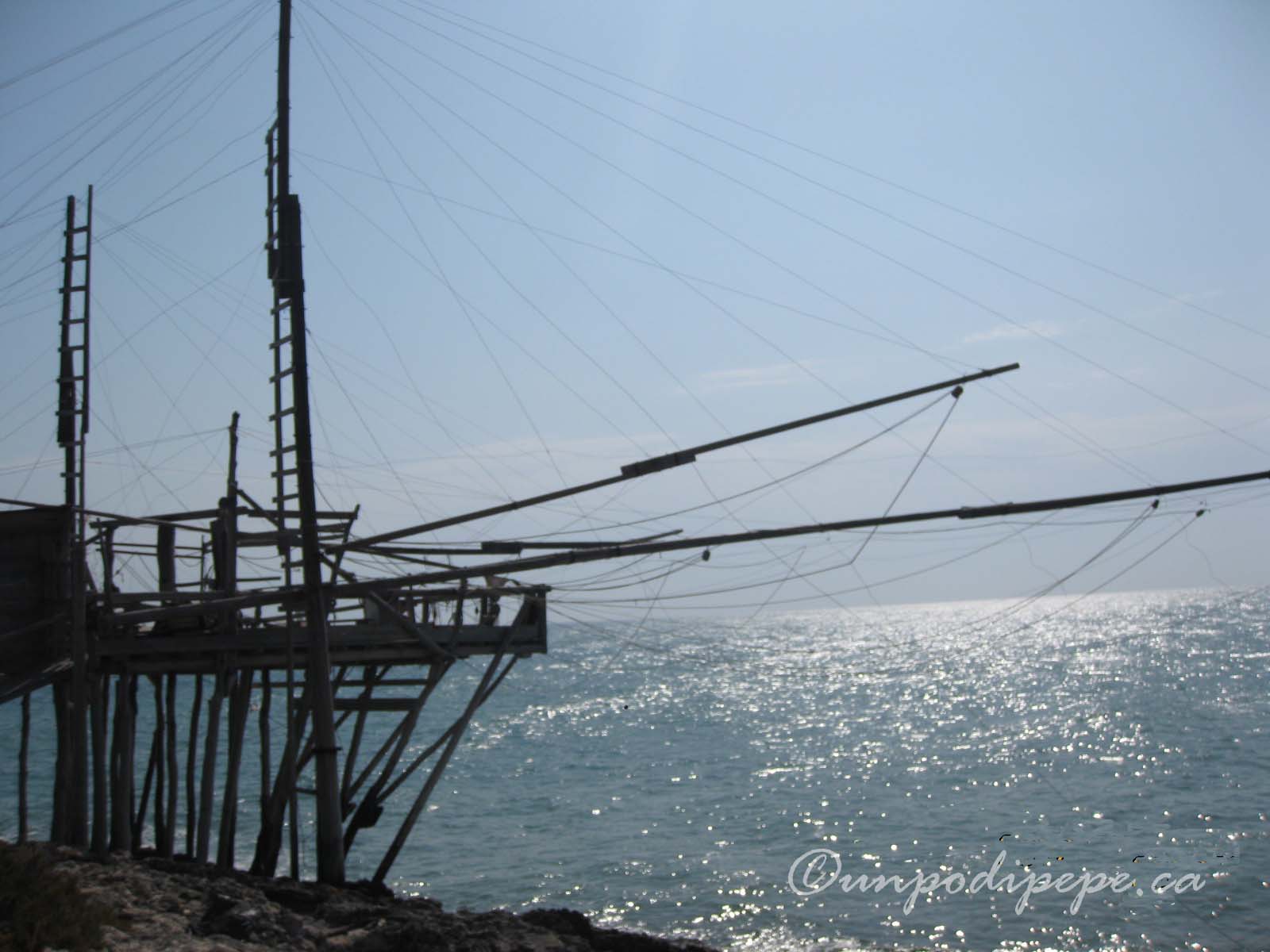
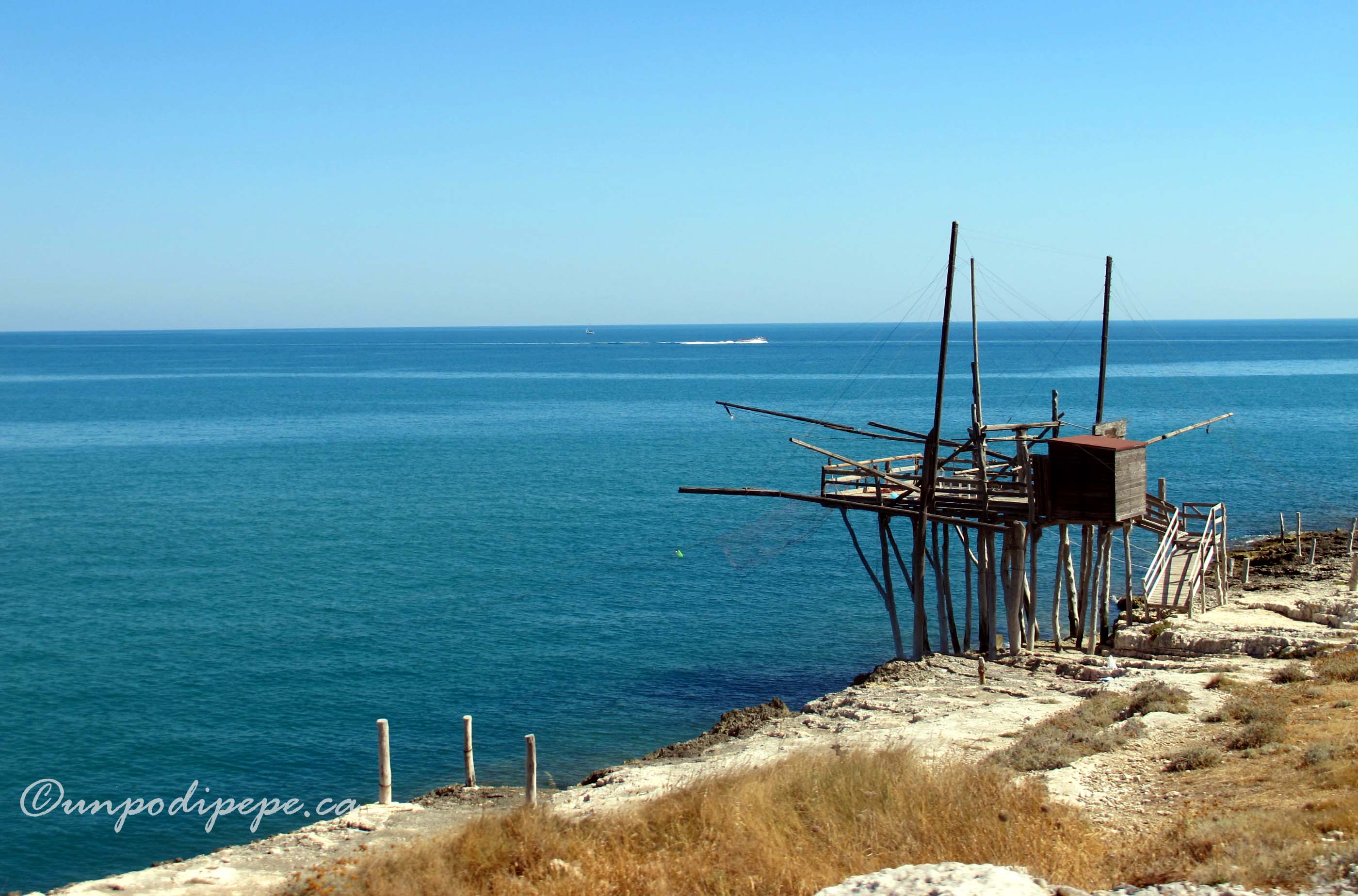
Trabucchi (tra∙BOO∙kkee) are fascinating old fishing contraptions found on the Adriatic coast of Abruzzo, Molise and Puglia. When I was young, I remember taking ‘L’Adriatico’-the night train from Bologna to Foggia- on a stormy night. With the sound of the wind and the waves the crowded train was not a place I was going to get any sleep.  Once the train reached the coast, I spent most of the trip looking out the window watching the waves crashing onto these strange giant spidery things in the water.  To my wild imagination, they seemed like giant wooden aliens or octopi that would come to life at any moment with their tentacles thrashing in the surf.

Trabucco Torre Porticella

Trabucco Torre Porticella

A trabucco is made up of a wooden platform on poles anchored to a rocky cliff or promontory, with several long wooden arms jutting out over the sea.  The arms have a system of ropes and winches suspending a giant narrow-mesh net called a trabocchetto.  Trabucchi are made of Aleppo pine which is abundant in the area and is resistant to salt and weather conditions.

Trabucco San Lorenzo

Along the coast of the Promontorio del Gargano (Gargano Promontory) there are 13 working trabucchi between Peschici and Vieste.  The oldest dates from the 18th century.   They are protected as National cultural heritage sites within the Parco Nazionale del Gargano.  Here is a link to a Trabucchi del Gargano map.

Trabucco Punta Lunga

Trabucco Punta Lunga

Although there is no documentation, Pugliese historians believe the trabucco design is imported from the ancient Phoenicians. They really are an ingenious way of fishing to take advantage of the rocky coastline and crystal clear waters of the Gargano. Trabucchi are built facing SE or NW and where the water is at least 5 m deep, to take maximum advantage of the marine currents.

Trabucco Molinella

A trabucco requires 3-4 operators or ‘trabuccolanti’.  1 or 2 trabuccolanti look out for schools of fish swimming along coastal currents.  They give word, then the other 2 operate winches to drop the trabocchetto (net) and quickly hoist it back up full of fish.  Gargano fisherman of old really created an extension of the land-with a trabucco they were able to fish from the rocky cliffs and did not have to ‘get their feet wet’ or take boats out in dangerous agitated seas.

The view below Trabucco Punta Lunga

The view below Trabucco Punta Lunga

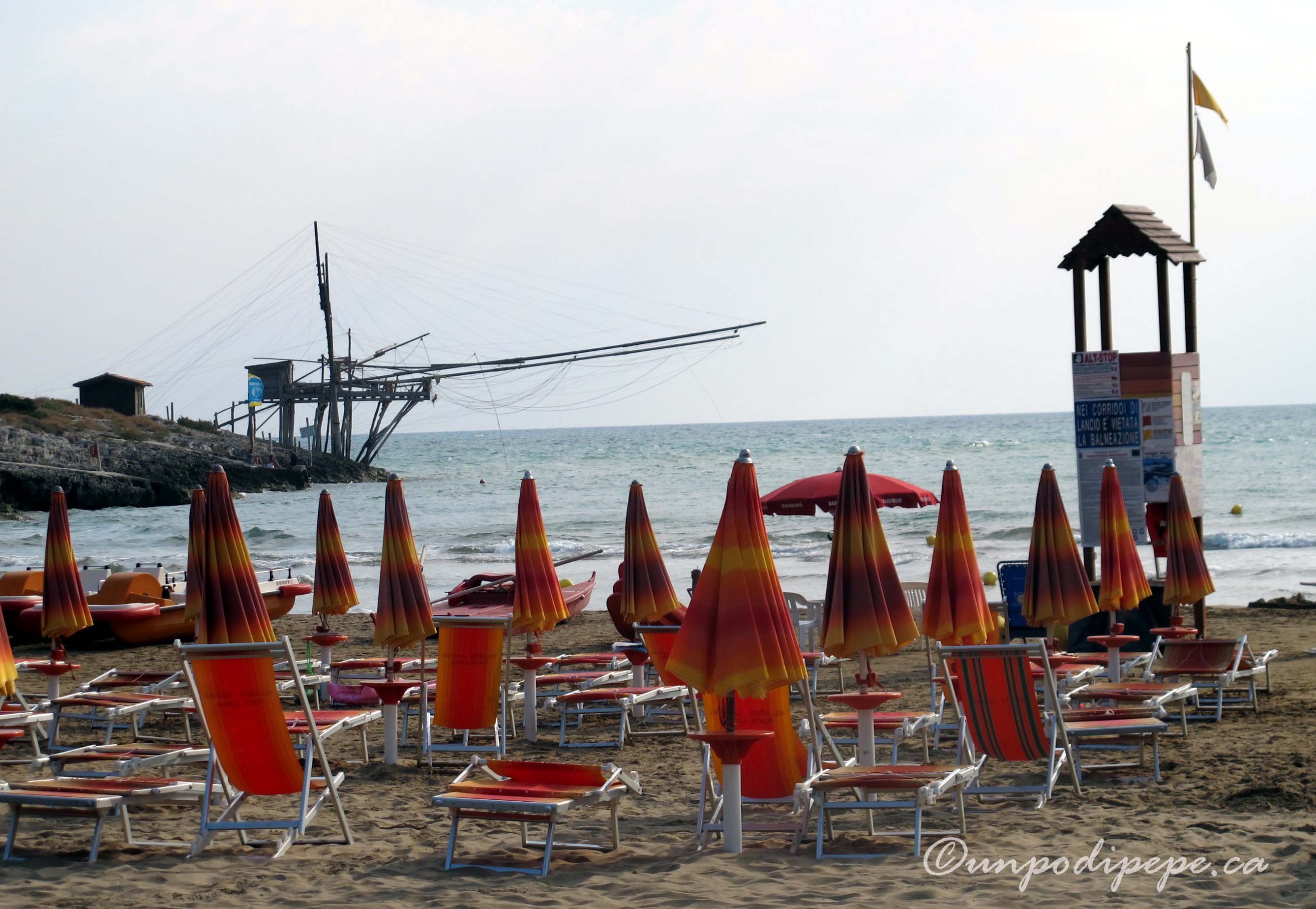
Trabucchi have become symbols of ancient maritime culture. I’ve been on several weekend camping trips in the Gargano with my cugini, and have been able to visit several trabucchi.  Imagine my excitement 2 years ago when the beach by our campsite at Punta Lunga, 2km north of Vieste had it’s very own trabucco!

Spiaggia Punta Lunga

Share this:

  • Share on Facebook (Opens in new window) Facebook
  • Share on Pinterest (Opens in new window) Pinterest
  • Share on X (Opens in new window) X
  • Email a link to a friend (Opens in new window) Email
  • Share on WhatsApp (Opens in new window) WhatsApp
Like Loading...

Centrale Montemartini

15 Sunday Feb 2015

Posted by Un po' di pepe in Architecture, Art, Art history, Culture, Italia, Photography, Roma

≈ 13 Comments

Tags

Al Biondo Tevere, Art history, Art Nouveau, Basilica San Paolo Fuori le Mura, Capitoline Museum, Centrale Montemartini, Cleopatra, Industrial archeology, Italy travel tips, Roma, Stile Liberty, Temple of Apollo Sosiano, Via Ostiense

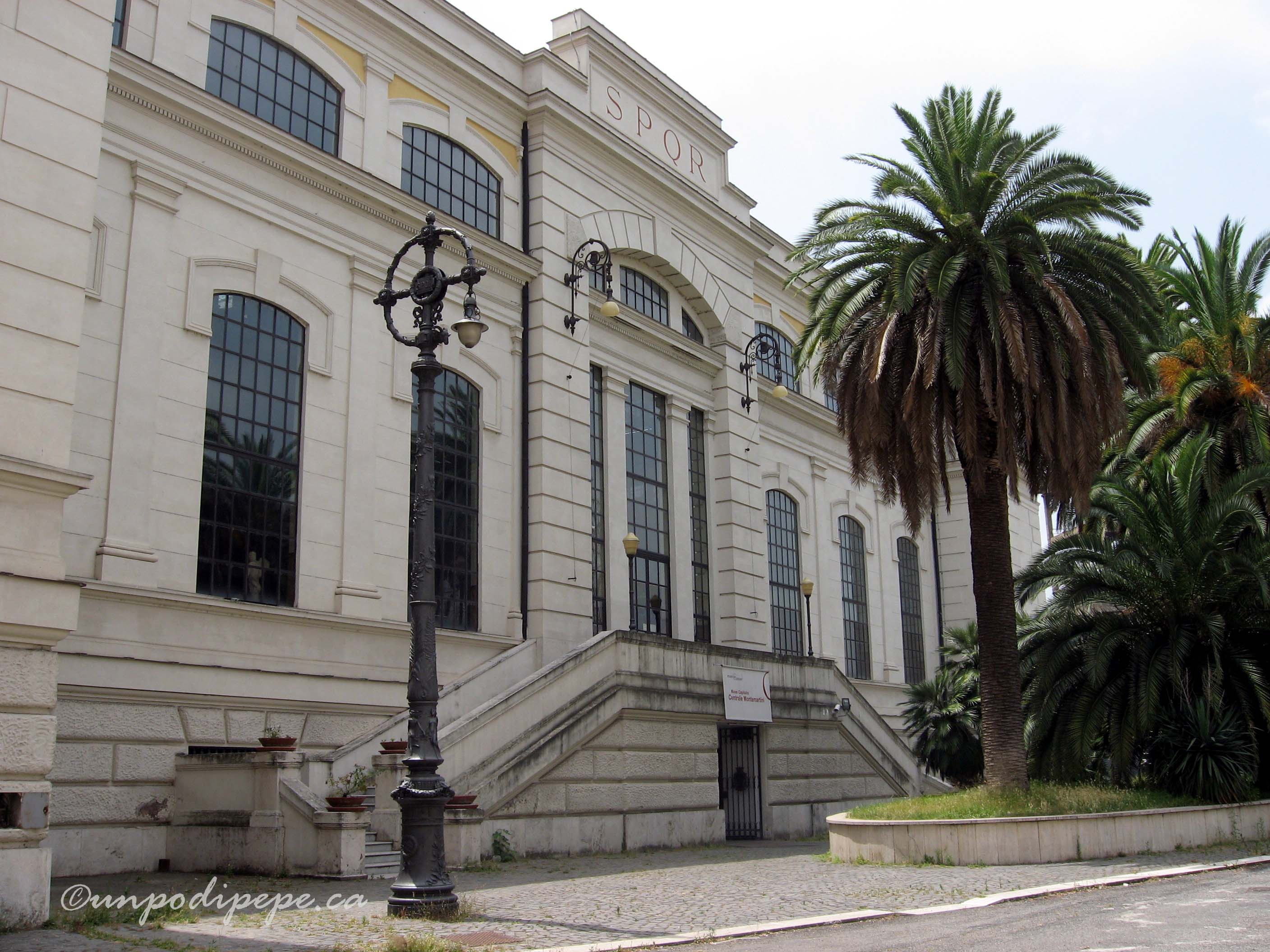
Centrale Montemartini is an amazingly awesome, undervisited museum and a stunning example of 20th Century industrial archeology.  Built in 1912 in Art Nouveau style (Stile Liberty), it was the first public electric plant in Roma, providing power for the surrounding area until it was abandoned in 1963.  Luckily the amazing architecture and historical importance saved it from demolition!

Amazon warrior in front of a diesel engine

Amazon warrior in front of a diesel engine

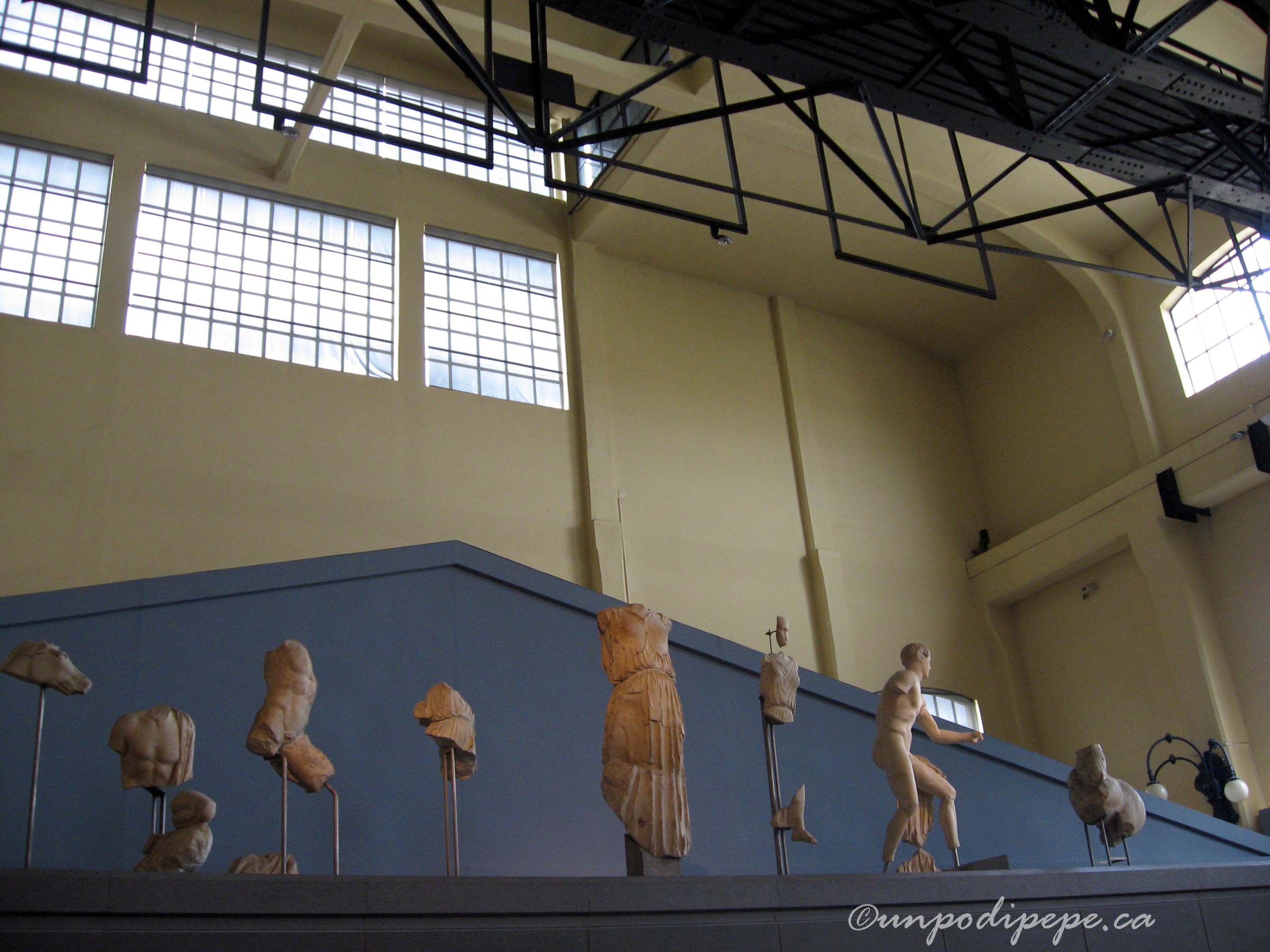
In 1997 during the Capitoline Museum renovation, Centrale Montemartini was used for a temporary exhibition ‘Le Macchine e gli Dei’ (The Machines and the Gods).  In 2005 it became a permanent space for part of the Capitoline collection, with all of the original thermoelectric equipment left in place.  Now you can visit a unique display of classical sculpture against an industrial  backdrop of steam boilers, diesel engines, catwalks twisting pipes and gauges.  It’s a blend of ‘vecchio e più vecchio’ (old and older), a stark contrast of ancient and industrial, art and science.  Antique white marble appears translucent against the blackness of the machinery.  The space is immense and silent, with high ceilings and tall windows providing natural light. The works of art are carefully chosen and placed so there is space to appreciate their beauty while you walk among them and contemplate the passage of time.Centrale Montemartini Sala Macchine3

The 400 pieces include ancient Roman sculptures, rare Greek originals brought to Roma, and Roman copies of Greek originals. They date from the 5th Century BC to the 4th Century AD and were found in the late 19th and early 20th Century. Most of the works are on the upper floor in 2 massive rooms.

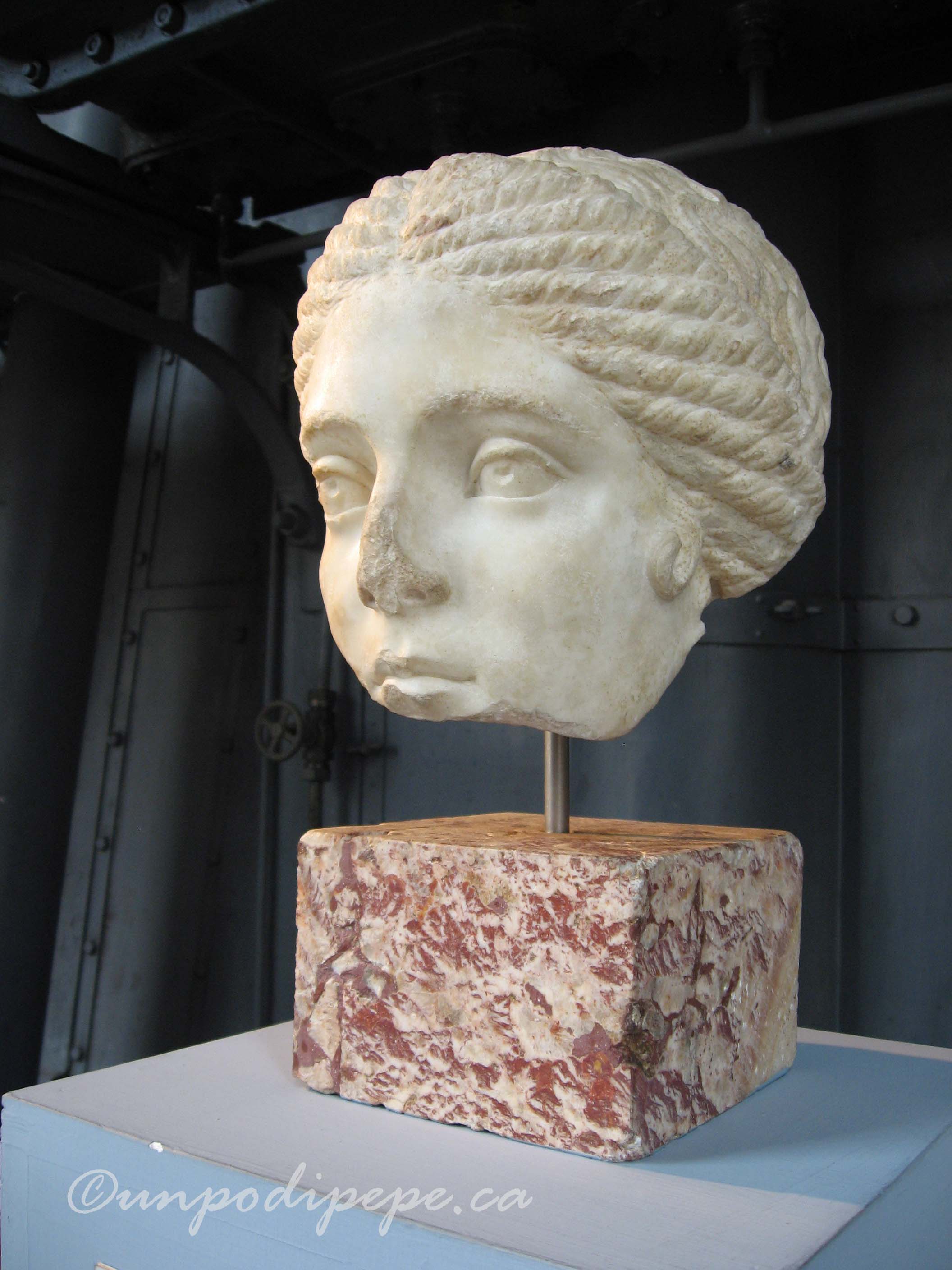
Partial female head, discovered in the garden of Villa Rivaldi in 1933 during construction of Via dei Fori Imperiali

Partial female head, discovered in the garden of Villa Rivaldi in 1933 during construction of Via dei Fori Imperiali

In Sala Macchine (Machine Room or Hall of the Machines) 2 hulking diesel engines are surrounded by Roman replicas of Greek statues.  At one end, a reconstruction of the pediment of the Temple of Apollo Sosiano depicts a battle between Greeks and Amazons.  These pieces are Greek originals found in the 1930’s near the Theater of Marcellus.  Above this installation hangs the old ‘carroponte‘ (Gantry crane).

Centrale Montemartini, Sala Macchine

Centrale Montemartini, Sala Macchine

Centrale Montemartini Apollo Sosiano

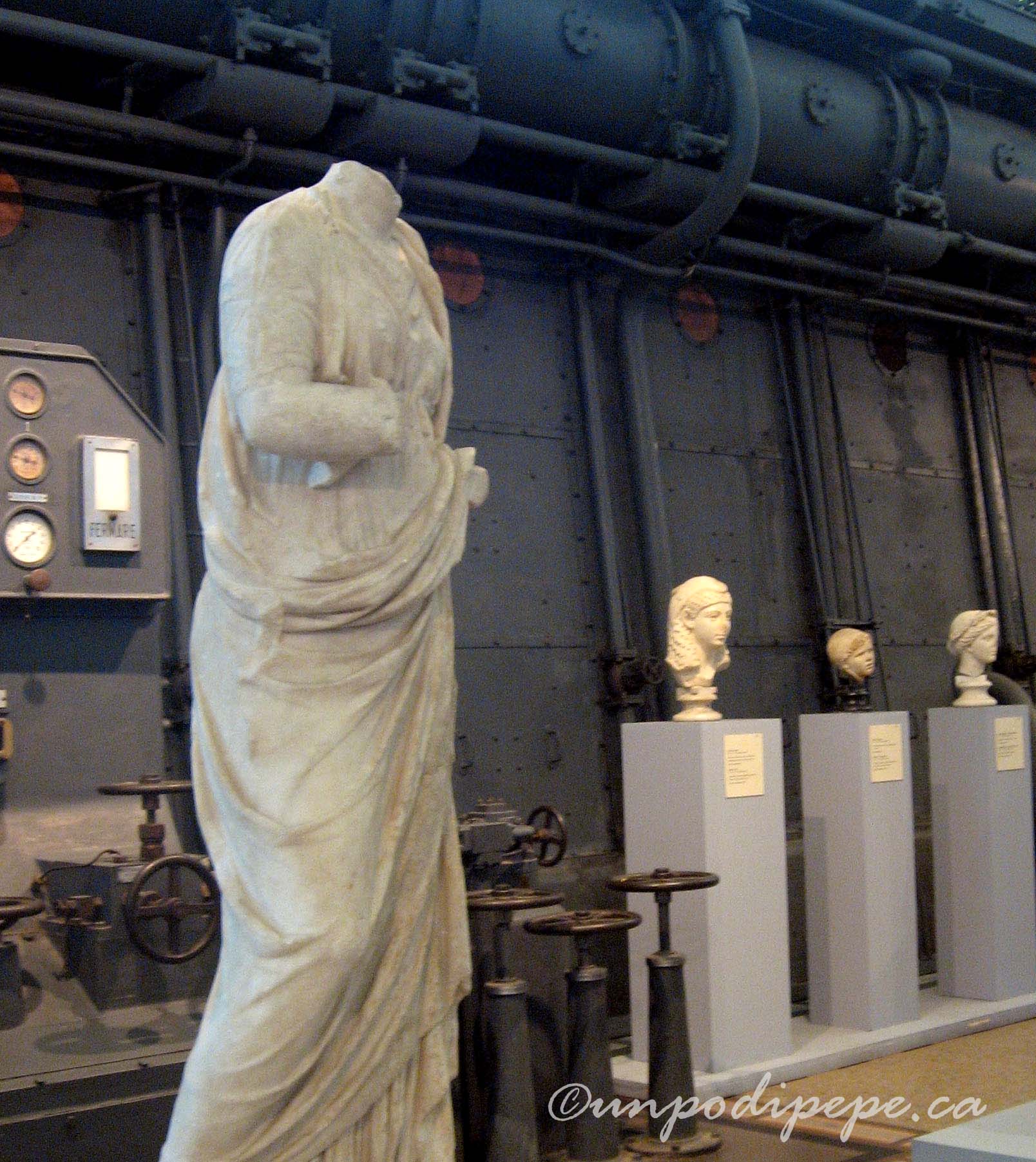
Other ‘meraviglie’ (wonders) include a bust of Cleopatra and the giant head, right arm and feet of an 8m high statue of the Goddess Fortuna found near Largo Argentina.  Her feet look very modern with their ‘infraditi’-thong style sandals!piedidifortuna

Sala Macchine. Bust of Cleopatra (to the right of the large statue)

Sala Macchine. Bust of Cleopatra (to the right of the large statue)

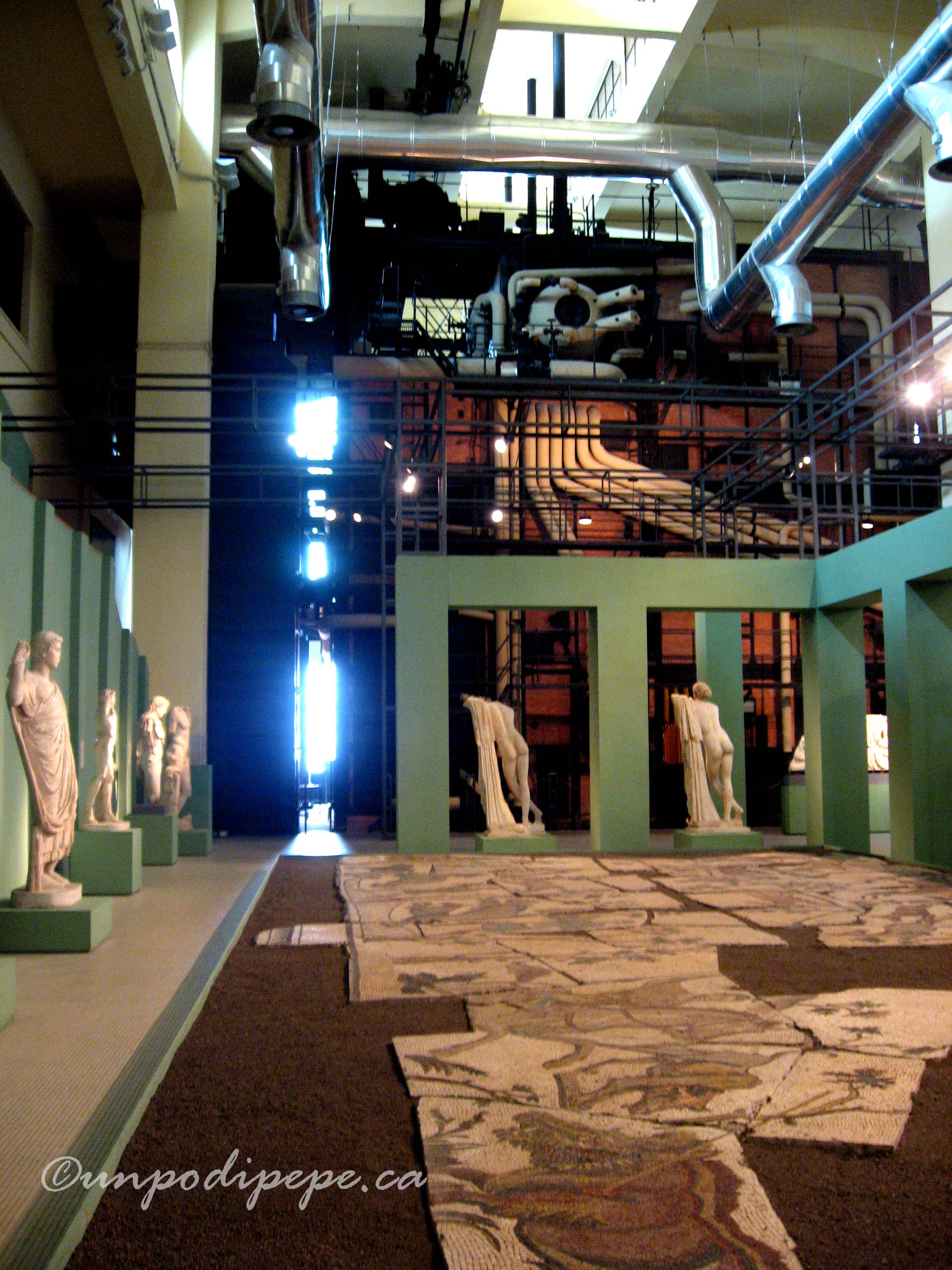
cleopatraSala Caldaie (Boiler Room) is named for its 15m steam boiler and features a large mosaic of a hunting scene found near Santa Bibiana.  The mosaic is surrounded by sculptures once adorning lavish Roman homes.Centrale Montemartini Sala Caldaie

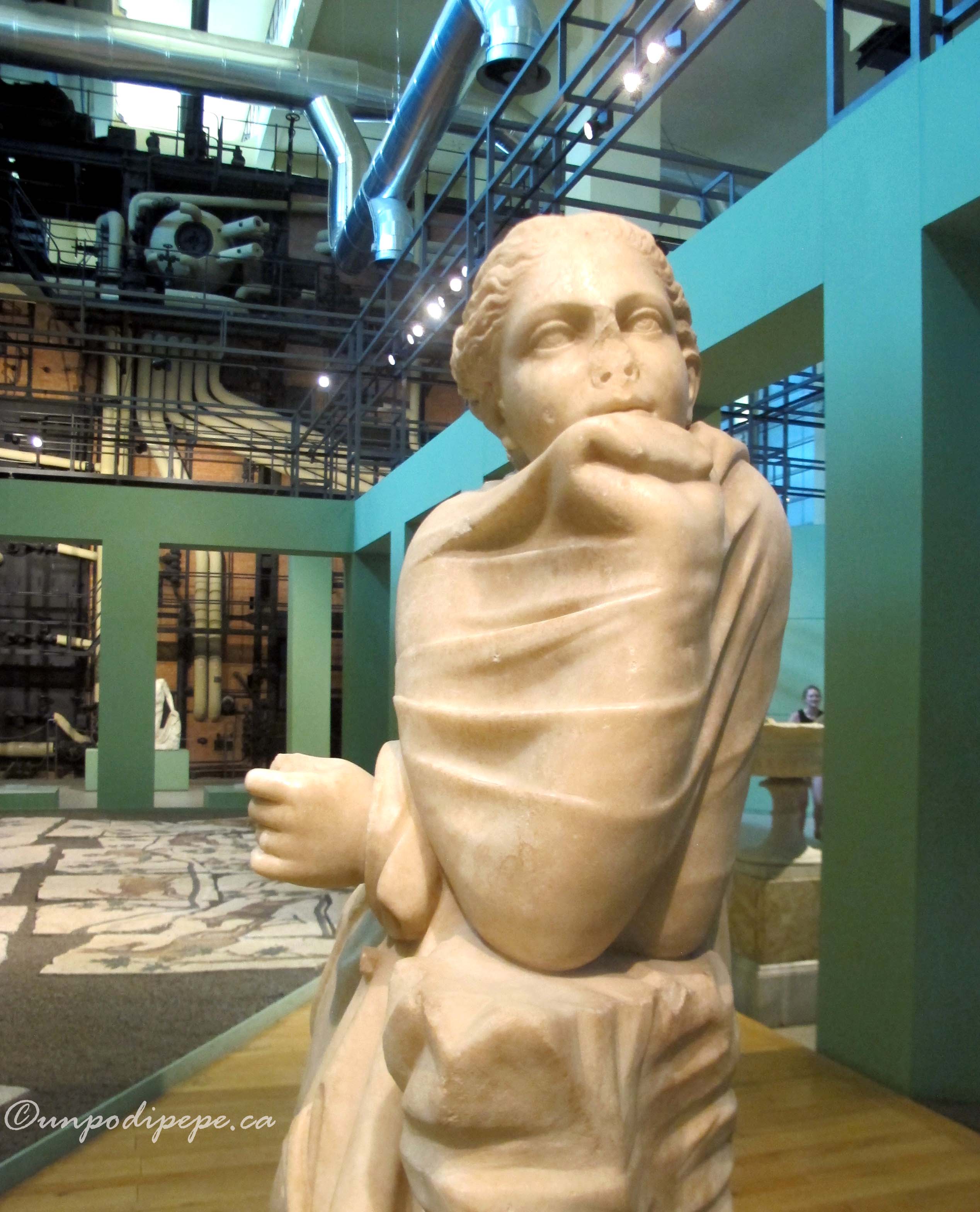
PolimniaI especially like the statue of Polimnia, muse of poetry and dance.  She has her elbows resting on a pillar and her shawl casually wrapped around her.  My other favourite in Sala Caldaie is the Sphinx Frieze, which seems to glow against the red brick wall.

Sala Caldaie. Sphinx Frieze with Acanthus Spirals. This was part of the Gardens of Sallust and likely represents the victory over Antony and Cleopatra.

Sala Caldaie. Sphinx Frieze with Acanthus Spirals. This was part of the Gardens of Sallust and likely represents the victory over Antony and Cleopatra.

There were only 4 or 5 other people in the museum both times I visited.  One of the staff told me that from October to May they have a lot of school groups visiting through their educational program, but June to September is not very busy.  This is opposite to most other museums!  I definitely recommend this amazing place, especially if you want to get away from crowds and lineups and see something truly unique. Even people who don’t like museums will appreciate this one-or at least find it oddly fascinating!Centrale Montemartini WarriorTorso

Centrale Montemartini is in the Ostiense area on the left bank of the Tevere.  It is south of Roma’s historic center but very accessible by Metro B line Garbatella stop.  When leaving the metro stop, you will cross a pedestrian bridge and then reach Via Ostiense.  Bus 23 goes along Via Ostiense and Stazione Ostiense is also nearby.

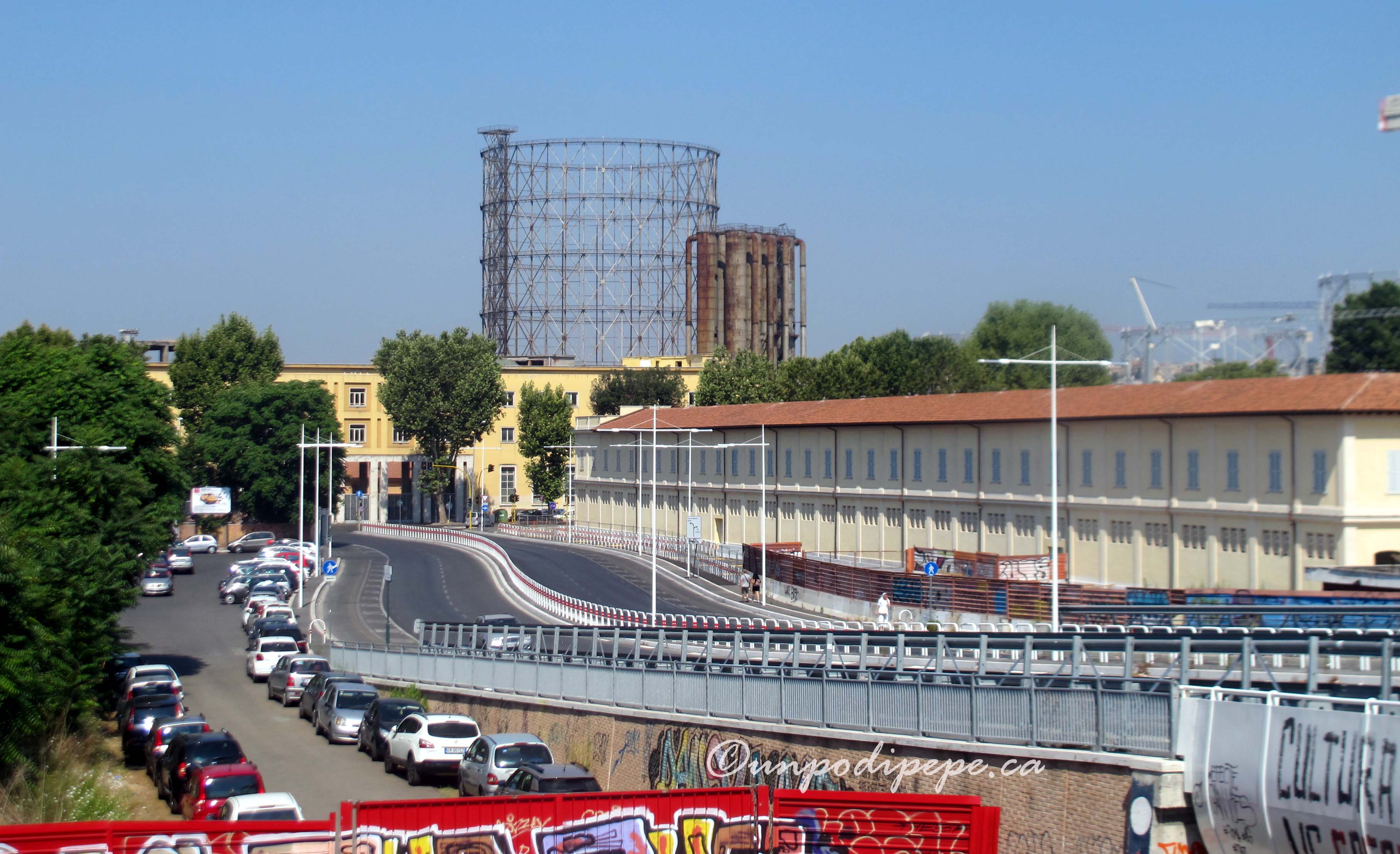
The view on exiting Garbatella Metro Stop.  Via Ostiense is in front, where the yellow building is.  Il Gasometro is behind it.  Centrale Montemartini is just to the left.

The view on exiting Garbatella Metro Stop. Via Ostiense is in front, where the yellow building is. Il Gasometro is behind it. Centrale Montemartini is just to the left.

The Basilica of San Paolo Fuori le Mura is walking distance, one metro stop away.  In between the Basilica and Centrale Montemartini is one of the oldest restaurants in Roma, Al Biondo Tevere at Via Ostiense 178 www.albiondotevere.it  serving Roman cuisine overlooking the Tevere.

Centrale Montemartini

Centrale Montemartini

www.centralemontemartini.org  Via Ostiense 106, open Tues-Sun from 09-19.  Admission is € 7.50 for adults or €16 for the Capitolini Card (valid 7 days).  The Romapass can also be used.  Don’t forget your sketchbook!

Ciao, Cristina

Share this:

  • Share on Facebook (Opens in new window) Facebook
  • Share on Pinterest (Opens in new window) Pinterest
  • Share on X (Opens in new window) X
  • Email a link to a friend (Opens in new window) Email
  • Share on WhatsApp (Opens in new window) WhatsApp
Like Loading...

‘Ratto delle Sabine’

13 Tuesday Jan 2015

Posted by Un po' di pepe in Art, Art history, Culture, Firenze, Italia

≈ 3 Comments

Tags

Art, Art history, Giambologna, Loggia dei Lanzi, Piazza della Signoria, Ratto delle Sabine, Renaissance art, Sculpture

OLYMPUS DIGITAL CAMERAOne of my favourite works of art is moving!  After 432 years in the Loggia dei Lanzi in Piazza della Signoria Firenze, Giambologna’s ‘Ratto delle Sabine’  (Abduction of the Sabine Women) is being moved to the Galleria degli Uffizi.  In November 2014 the Ministero dei beni e delle attività culturali e turismo (Ministry of cultural works and tourism) announced that the sculpture would be moving once a reproduction is made for the Loggia and funds are secured for the move.  If needs to be moved indoors to protect it from damage caused by pollution, rain, wind and even snow.

The sculpture was carved from a single block of flawed marble.  Does that sound familiar?  Remember the ‘Il Gigante-Michelangelo’s David’ post?.  It features 3 figures intertwined in a ‘figura serpentina’- a serpentine composition.  A man is lifting a woman into the air while another man crouches, and what they are doing is not really clear.  There is no dominant viewpoint or ‘good side’ to this sculpture. It has multiple viewpoints and makes the viewer want to move around and observe it from every angle.  This was probably the first work of art with more than one point of view.

There are 2 interesting things to note about the sculpture’s misleading title.  First of all, it is usually incorrectly translated into English as ‘Rape of the Sabine Women’.  ‘Ratto’ comes from the latin ‘raptio’ meaning abduction.  The second thing is that the subject matter was entirely made up-it was not the artist who gave this work its title!  Giambologna had no subject in mind when he sculpted this piece.  This was very unusual, but he was trying to demonstrate his ability to create a perfect upward spiralling vortex.  He was the official sculptor of the Medici family and you could say he was showing off.  When the work was completed in 1583, Francesco I de’Medici decided to put it on public display at the Loggia dei Lanzi.  The Loggia is like a large covered porch in the Piazza della Signoria, with 2 walls and 2 open sides.  Some guy named Vincenzo Borghini suggested the title and apparently no one could come up with a better one.  Am I the only one who finds this annoying?

I’ve had the opportunity to view this masterpiece many times and have even sketched it from different viewpoints.  I’m sure a lot of people don’t realize this is still the original sculpture and not a copy! I can totally understand that it needs to be protected from the elements, but once it is moved, you will have to book tickets online, wait in lineups……and you won’t be able to admire it for free on a midnight walk in the Piazza. If you have not seen ‘Ratto delle Sabine’ in the Loggia dei Lanzi yet, there is still time to get to Firenze before ‘il trasloco’-moving day!

Share this:

  • Share on Facebook (Opens in new window) Facebook
  • Share on Pinterest (Opens in new window) Pinterest
  • Share on X (Opens in new window) X
  • Email a link to a friend (Opens in new window) Email
  • Share on WhatsApp (Opens in new window) WhatsApp
Like Loading...

Un Giorno a Roma

15 Monday Sep 2014

Posted by Un po' di pepe in Italia, Roma, Travel, Travel tips

≈ 11 Comments

Tags

Bernini, Caravaggio, Colosseo, Elefantino, Fontana di Trevi, Il Vittoriano, Italia, La Barcaccia, Pantheon, Roma, Roma photography, Roma walking tour, Roman Forum, San Luigi dei Francesi, Tazza d'oro

TreviRoma truly is ‘la Città Eterna‘-the eternal city! I usually fly in and out of Roma then take the train to Foggia on my way to Orsara di Puglia. I often have one full day in the city at the beginning or end of my trip. When i’m in Roma for just 1 day, I have a usual ‘itinerary’. I do not actually recommend anyone go to Roma for just one day, especially for the first time. 5 days will do but more is better.  One day only gives you enough time to visit a few sites, so it is mostly an entire day of exploring the city on foot. The sites I choose to visit change a bit each time, but the route is basically the same.

I stay with a friend in the Basilica San Paolo area so I take the Metro blue line to the Colosseo stop, exit the station and take a few minutes to absorb the view across the street, which never fails to impress.

The view across the street from the 'Colosseo' metro stop!

The view across the street from the ‘Colosseo’ metro stop!

Then I turn right and walk along Via dei Fori Imperiali.  If you visit Il Colosseo, the ticket includes entry to the Forum, so you can walk through there.  Visiting these 2 awesome sites will take all morning, so they are not usually part of my ‘1 day’ itinerary.

View of the Roman Forum (Foro Romano)

View of the Roman Forum (Foro Romano)

Old meets new at the Foro Romano

Old meets new at the Foro Romano

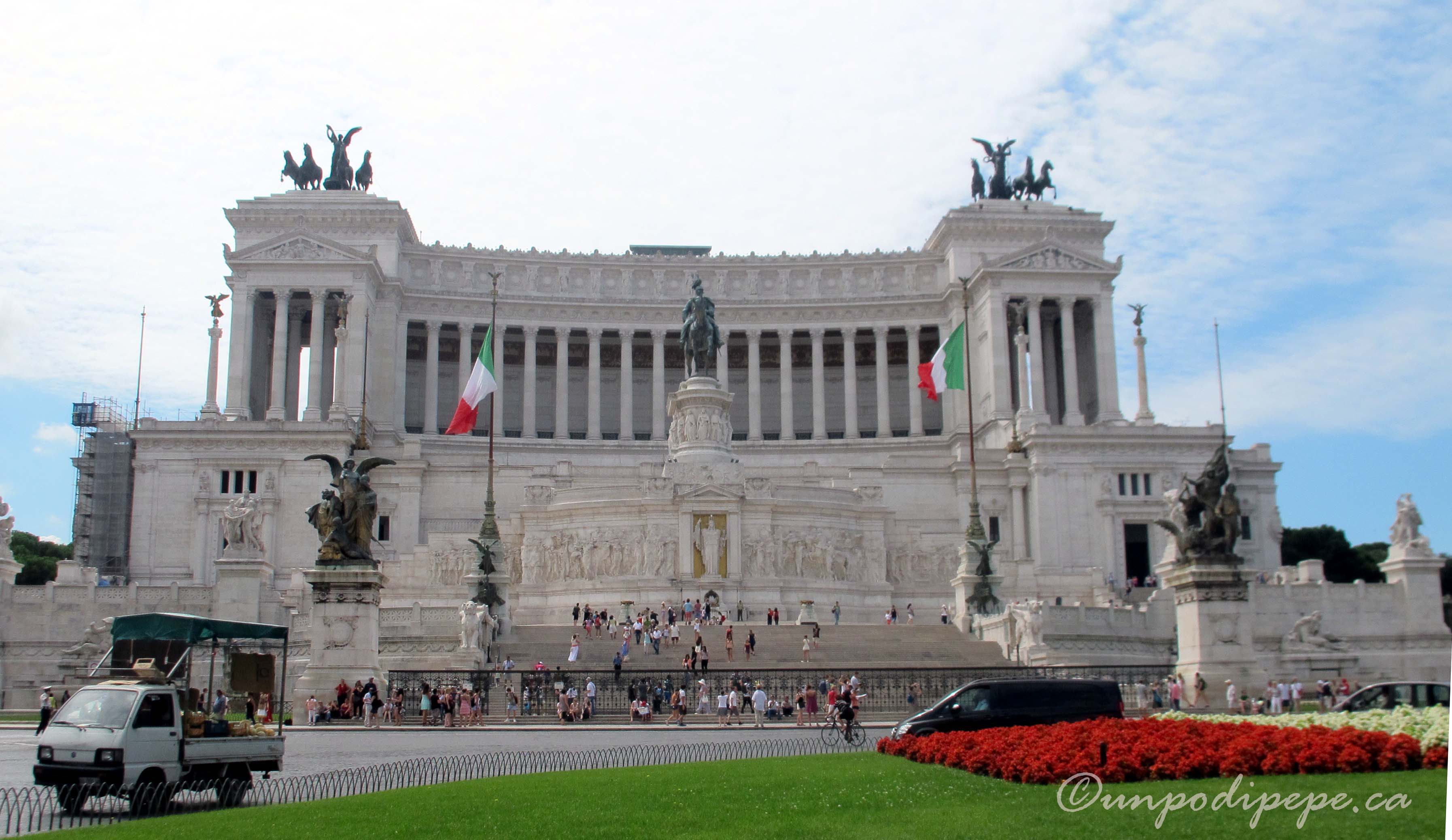
I walk along Via dei Fori Imperiali all the way to Piazza Venezia and Il Vittoriano, which is the neo-classical monument that looks like a giant wedding cake .

Il Vittoriano

Il Vittoriano

If you want some great views of Roma and are not afraid of heights, take the glass elevator to the rooftop terrace.

'Roma dal cielo' view from the roof of Il Vittoriano

‘Roma dal cielo’ view from the roof of Il Vittoriano

Then I turn right again and cross Piazza Venezia, which can be a bit of a challenge, and walk along Via del Corso. Via del Corso is lined with shops and goes all the way to Piazza del Popolo.
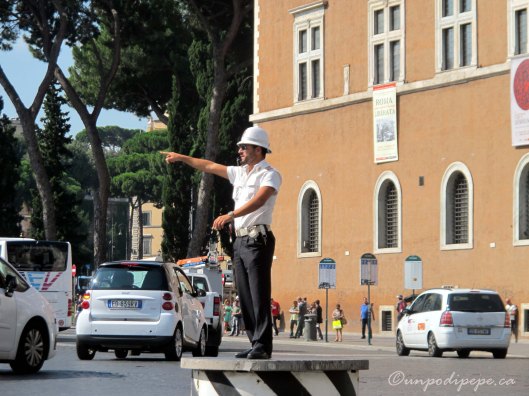
Crossing the street can be challenging! Photo taken by Vito!

Crossing the street can be challenging! Photo taken by Vito!

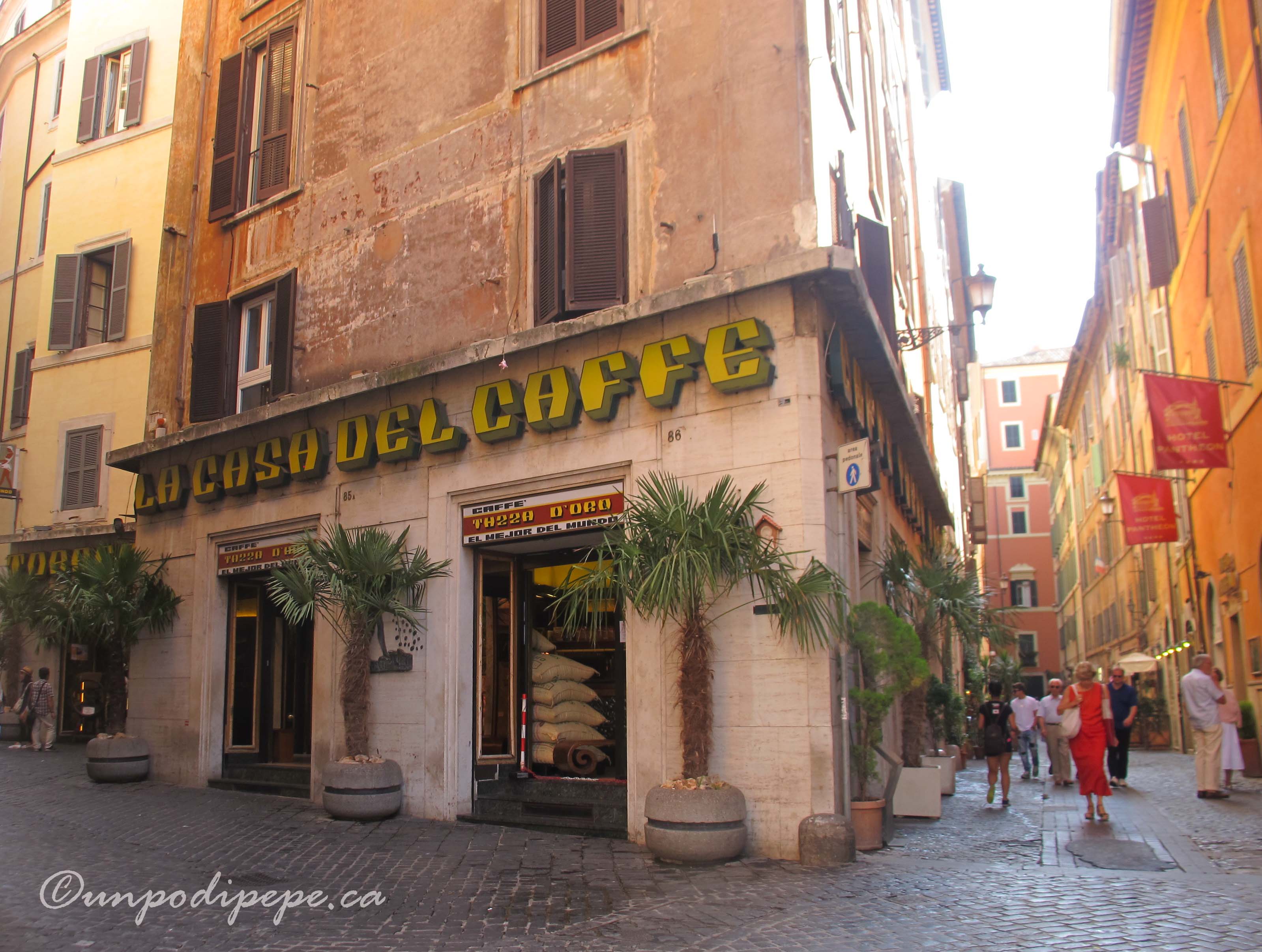
I turn into one of the side streets on the left and walk to the Pantheon-the domed architectural masterpiece that is absolutely not to be missed! The 2000 year old roof is the largest unreinforced concrete dome in the world. IlPantheonAcross the street I have an incredible granita di caffè at Tazza d’Oro.

Tazza d'Oro, Via degli Orfani 84

Tazza d’Oro, Via degli Orfani 84

Granita di caffe

Granita di caffe

Behind the Pantheon is Santa Maria Sopra Minerva with Bernini’s adorable ‘elefantino’ sculpture in the piazza.  I sometimes like to sit and sketch the pudgy little elephant carrying a 5m Egyptian obelisk on its back.

Bernini's elefantino in Piazza Minerva. Behind the obelisk, you can see the domed roof of the Pantheon.

Bernini’s elefantino in Piazza Minerva. Behind the obelisk, you can see the domed roof of the Pantheon.

The molto fancy ‘Grande Hotel de la Minerve’ across from the church has a roof bar with incredible views. Down a side street – Via del Gesù- is Poggi art supplies www.poggi1825.it , so of course I have to stop there and drool at all the stuff I can’t carry home. I also pop into the little Baroque gem San Luigi dei Francesi, which is the National church of France in Roma. It has 3 incredible Caravaggio paintings-the ‘San Matteo’ cycle, in the Capella Contarelli which you can see for free! No lineups, no online bookings!  I always put a coin in the box and light a candle when I visit a church. If you have more time, go on my Caffè con Caravaggio walking tour.

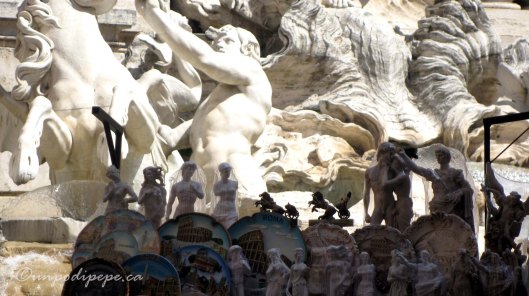
I walk down some side streets and get back onto Via del Corso going left.  A few blocks down I cross the street and walk to the Fontana di Trevi to toss in my coin. I am very superstitious about this, so I have to do the coin toss or I’m afraid I might not return to Roma!  That would be awful! Fontanaditrevi
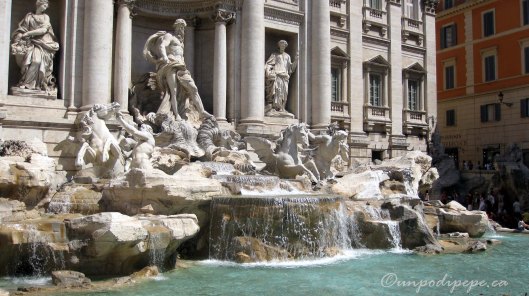
Fontana di Trevi

Fontana di Trevi

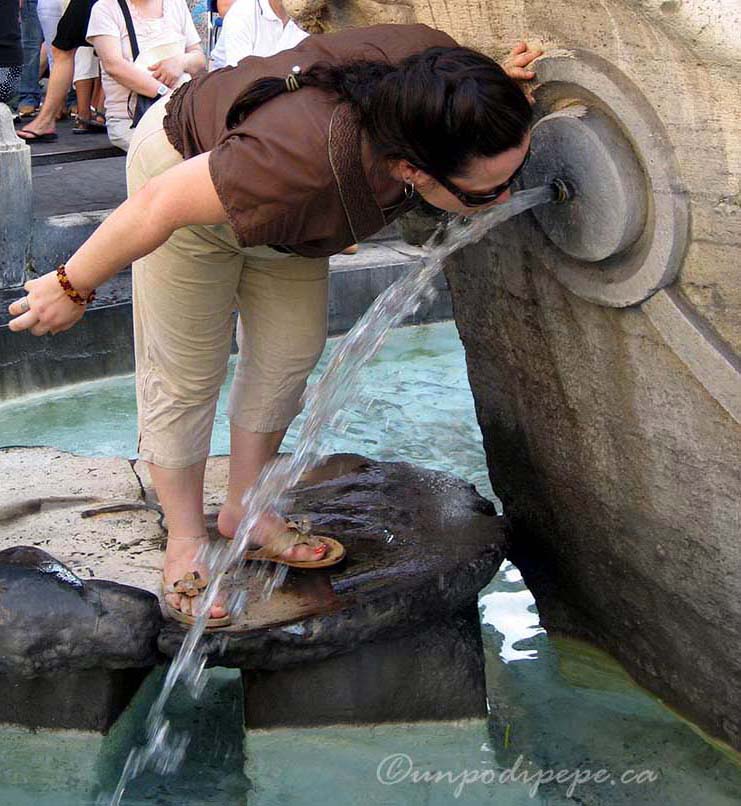
I look at all the tourists then head to my last stop- Piazza di Spagna. I never miss drinking from the Fontana della Barcaccia.  This is the Baroque fountain at the bottom of the steps that looks like a sinking ship. It was sculpted by both Bernini, Pietro and Gianlorenzo (father and son).  La Barcaccia has the best water ever, especially on a hot day –it comes straight from an ancient acqueduct Acqua Vergine and is always ice cold and refreshing.

La Barcaccia, Piazza di Spagna

La Barcaccia, Piazza di Spagna

Mmmm! Acqua freddissima!

Mmmm! Acqua freddissima!

From here I usually walk all the way back to the Colosseo metro stop to take the metro back home to San Paolo and pick up take-out suppli on the way. If I am too tired or have evening plans, I take the metro at Piazza di Spagna (red line) to Stazione Termini then change to the blue line for San Paolo.

Ci vediamo a Roma! Buon viaggio, Cristina

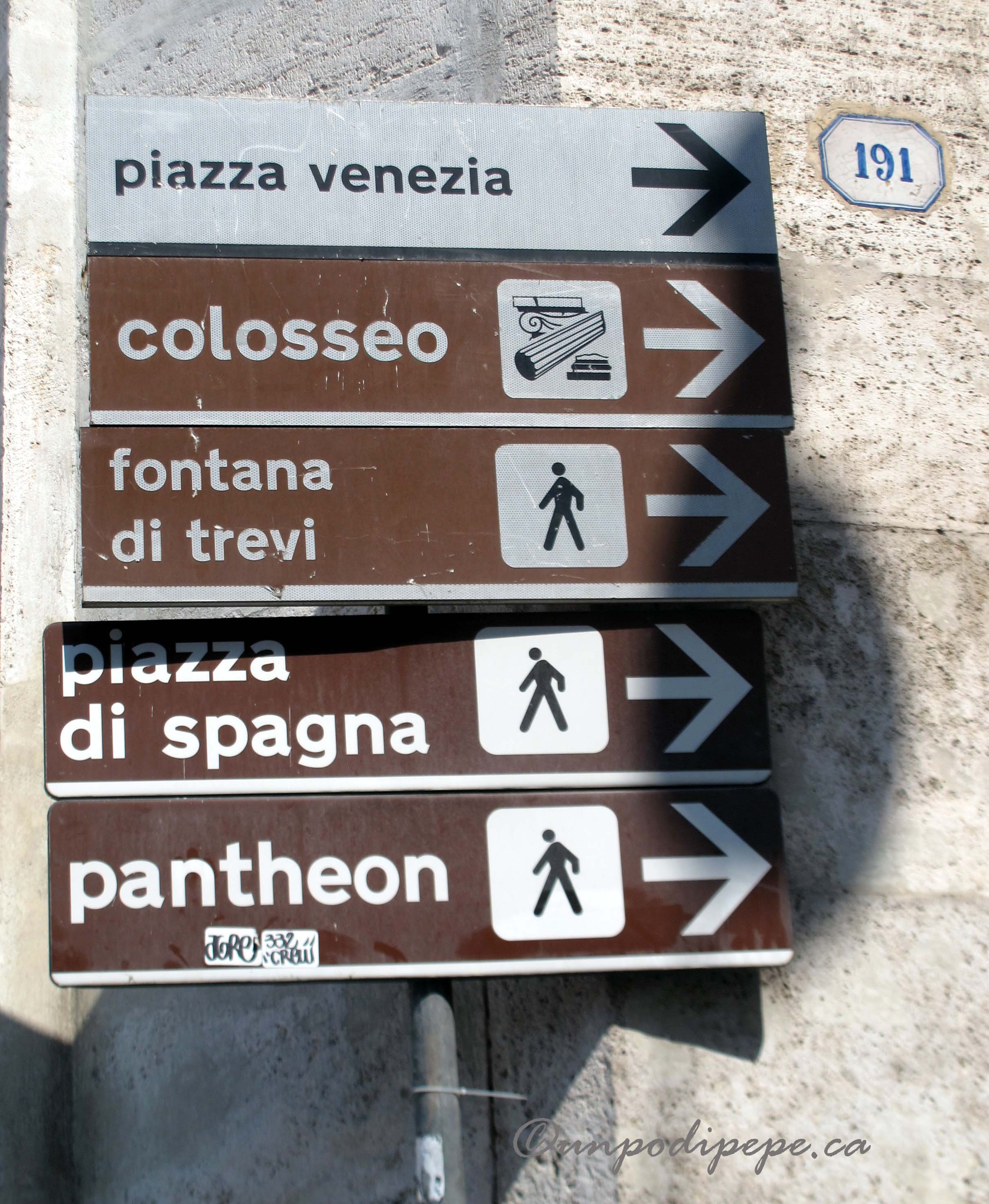
Handy signs at Piazza del Popolo

Handy signs at Piazza del Popolo

PS Stay tuned for future posts on things I like to do if I have more than one day in Roma:

  • Spend the day at the Vatican
  • Trastevere at night
  • Centrale Montemartini
  • Palazzo Massimo
  • Sketching at Piazza Navona
  • Visit more Caravaggio paintings for free at Santa Maria del Popolo
  • Go to Mass sung by cloistered nuns at Santa Brigida near Piazza Farnese

©2014 unpodipepe.ca

Piccoli gladiatori! Beware of fierce gladiators in training!
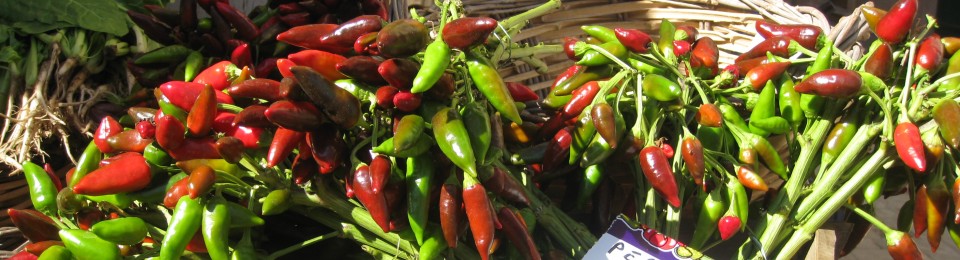
Piccoli gladiatori! Beware of fierce gladiators in training!

Share this:

  • Share on Facebook (Opens in new window) Facebook
  • Share on Pinterest (Opens in new window) Pinterest
  • Share on X (Opens in new window) X
  • Email a link to a friend (Opens in new window) Email
  • Share on WhatsApp (Opens in new window) WhatsApp
Like Loading...

Bambini, Soccer and World Peace

23 Saturday Aug 2014

Posted by Un po' di pepe in Culture, Inspiration, Italia, Italian life, Orsara di Puglia

≈ 4 Comments

Tags

Calcio, Inspiration, Orsara di Puglia, Soccer

orsaracampetto
Bambini are amazing. My 9 year old nipotino (nephew) Vito loves soccer (aka calico/football/futbol) and all things associated. He had predicted Germany would win the World Cup before it even started. Vito came to Orsara di Puglia this year, and really wanted to play, so our Zia called a friend whose son played and arranged to have them meet ‘sotto la sveglia’ (under the clock) at Porta San Pietro at 9pm. When we went to meet him, I also saw my friends’ son and asked him if he liked to play. Within minutes, all of the 10-11 year old boys in the area had gathered and enthusiastically arranged to meet the next morning at ‘il campetto’ (the small soccer field) for a game, then they all went for a passeggiata. It was the cutest thing ever and could have been a TV advertisement for the next world cup!
The next morning, they all showed up and there were enough boys for 2 teams. They played for 2 hours and Vito was excited that they all played as enthusiastically as he did. He understands Italian quite well, and even with all the loud ‘friendly arguing’ in dialetto and hand gestures, they had no problems communicating.  They were adorable, and got together to play 2 more times while Vito was there.  They even played in the afternoons in the narrow streets, and went out for pizza Margherita or a passeggiata in the evenings. I think that if bambini were in charge….. maybe there would be hope for world peace?

Share this:

  • Share on Facebook (Opens in new window) Facebook
  • Share on Pinterest (Opens in new window) Pinterest
  • Share on X (Opens in new window) X
  • Email a link to a friend (Opens in new window) Email
  • Share on WhatsApp (Opens in new window) WhatsApp
Like Loading...
← Older posts
Newer posts →

Enter your email address to follow 'un po' di pepe' and receive notifications of new posts by email.

Join 504 other subscribers
Follow Un po' di pepe on WordPress.com

Popular Posts

  • Hairstyling in Ancient Roma
    Hairstyling in Ancient Roma
  • Acqua Vergine
    Acqua Vergine
  • Santa Maria in Aracoeli
    Santa Maria in Aracoeli
  • La Trinità di Masaccio
    La Trinità di Masaccio
  • Contact
    Contact
  • Hostaria Antica Roma~Eat like an Ancient Roman
    Hostaria Antica Roma~Eat like an Ancient Roman
  • Visiting Galleria Borghese
    Visiting Galleria Borghese

Recent Posts

  • Pane e Salute
  • Sanremo 2026
  • Cucina Italiana Patrimonio UNESCO
  • 2025~Un po’ di pepe Year in Review
  • Castel del Monte
  • ‘The Nuances of Love’
  • Hostaria Antica Roma~Eat like an Ancient Roman
  • Santa Maria in Aracoeli
  • Casino dell’Aurora~Villa Boncompagni Ludovisi
  • Nasoni di Roma
  • Bloghiversario #11
  • Fontana di Trevi
  • Acqua Vergine
  • Giubileo 2025
  • Sanremo 2025
  • In Vino there are Memories
  • A Literary Harvest
  • 2024~Un po’ di pepe Year in Review
  • Buon Natale 2024
  • Il Bicerin
  • Mercato Porta Palazzo
  • Torino
  • Catanzaro, Calabria
  • Il Pumo Pugliese
  • Artemisia Gentileschi

Categories

Amici e Famiglia Architecture Art Art history Art projects Bilingual posts Blogging Canada Culture Feste Firenze Inspiration Italia Italian Folklore Italian language Italian life Italocanadesi Libri Mangiamo! Orsara di Puglia Parole piacevoli Photography Puglia Recipes Roma Travel Travel tips Uncategorized Vino

Archives

Un po’ di pepe on Facebook

Un po’ di pepe on Facebook

Start a Blog at WordPress.com.

  • Subscribe Subscribed
    • Un po' di pepe
    • Join 504 other subscribers
    • Already have a WordPress.com account? Log in now.
    • Un po' di pepe
    • Subscribe Subscribed
    • Sign up
    • Log in
    • Report this content
    • View site in Reader
    • Manage subscriptions
    • Collapse this bar
 

Loading Comments...
 

    %d