• Home
  • About me/Chi sono
  • Contact

Un po' di pepe

~ …… (oon∙poh∙dee∙PEH∙peh) Cristina writes about interesting stuff /Cristina scrive di cose interessanti

Un po' di pepe

Tag Archives: Cucina Pugliese

Panzerotti

26 Sunday May 2024

Posted by Un po' di pepe in Mangiamo!, Puglia, Recipes

≈ 7 Comments

Tags

brea, Cucina povera, Cucina Pugliese, Italian food, pan, Pizze fritte, Pugliese Traditions, Southern Italy

Panzerotti are a popular Pugliese street food.  In the spirit of ‘cucina povera’ where nothing is wasted, they came about from using leftover bread or pizza dough to make small, fried stuffed pizze. They are crispy outside, fluffy inside and mezzaluna (half moon) shaped.  Panzerotti can have a simple tomato and mozzarella filling, or prosciutto, prosciutto cotto (ham), or fresh sausage cut out of its casing and fried can be added.  Other common fillings include onion, olive, capers anchovies and tomato, and spicy pork, similar to a porchetta.

Panzerotto (singular) is the diminutive form of panza, dialetto for pancia, which means belly, because the dough swells up like a bloated belly when fried in oil!

Panzerotti Recipe:

Dough:

500 g total of flour:  -250g 00 flour (1¾ cups)

                                     -250g semola rimacinata*(2 cups)

10g (2 teaspoons) instant dried yeast

250 ml warm water

Pinch of sugar

60 ml (¼ cup) olive oil, plus more to grease the bowl

125 ml (½ cup) milk

5g (1 tsp) salt

Filling:

250 g passata di pomodoro or a tin of Mutti Polpa, which may need to be strained

Mozzarella -if using fresh mozzarella, drain first to decrease moisture

Prosciutto

Oregano or basil

My favourite ingredient-un po’ di pepe-a bit of pepper!

Sunflower oil for frying

Instructions:  Disolve the yeast in 1 cup water and a pinch of sugar or honey and let sit for 10 minutes.  Add all the flour(s) to a large mixing bowl or on a spianatoia (pasta board).  Make a hole in the center and add the milk, oil and water /yeast.  Mix together with a fork, slowly incorporating more flour.  Add salt last, then knead on a lightly floured surface for 10 minutes, until the dough is smooth and elastic. Add more flour if it is too wet, and more milk if it is too dry.

Lightly oil the bowl and place the dough back in.  Cover with a damp tea towel/cloth so it does not dry out, and let rise 2 hours or until doubled in size.

Roll out 14-15 balls (~ 50g each) and place on a cookie sheet lined with parchment paper.  Cover with a damp tea towel/cloth and let rise for 1 hour. The panzerotti will cook more evenly if they are all about the same size.

Add oregano or basil, and pepper to the tomato passata or polpa.  I do not add salt if using an already salty filling like prosciutto. Drain mozzarella to avoid extra moisture if using fresh.

One at a time, roll a ball of dough into a thin circle.  Add ½ to 1 tablespoon tomato mixture in the center and smooth it around with a spoon.  Do NOT go too close to the edges, and add more in the bottom half of circle.  Add other ingredients to the bottom half of the circle.  Fold in half, pressing edges firmly together, then double seal by folding the edge over again and pinch with fingers to make a fancy design. You do not want the panzerotti to open during frying.  This will make a mess of the oil.  Too much filling and /or too much moisture will also cause them to open.

Keep aside a small piece of dough to test the oil to see if it is hot enough. Fry in sunflower oil in batches of 2-3 panzerotti for 2-3 minutes per side or until golden and puffy.  You can spoon a bit of oil over the top to prevent bubbles-although I like the bubbles!  Drain on paper towels so they stay crispy and do not get soggy.  Fry right away, as if they sit, the dough continues to rise, making them more likely to open.  It is best to make panzerottiwith 2 people-1 to assemble and 1 to fry.  If you do not have 4 hands, put the filled panzerotti in the fridge as you make them, until ready to fry them all.  They are best served soon after frying. Makes about 14-15 panzerotti.  I usually double this recipe and freeze them.

Raw, stuffed panzerotti can also be frozen.  Fry them still frozen, as defrosting may turn them into soup.  Place a splash screen on top of the pan in case the oil spatters!

Panzerotti can also be baked at 200°C (295°F) for 20 minutes, although technically this makes them calzone. Brush the top with egg yolk or oil before baking or they may be dry.
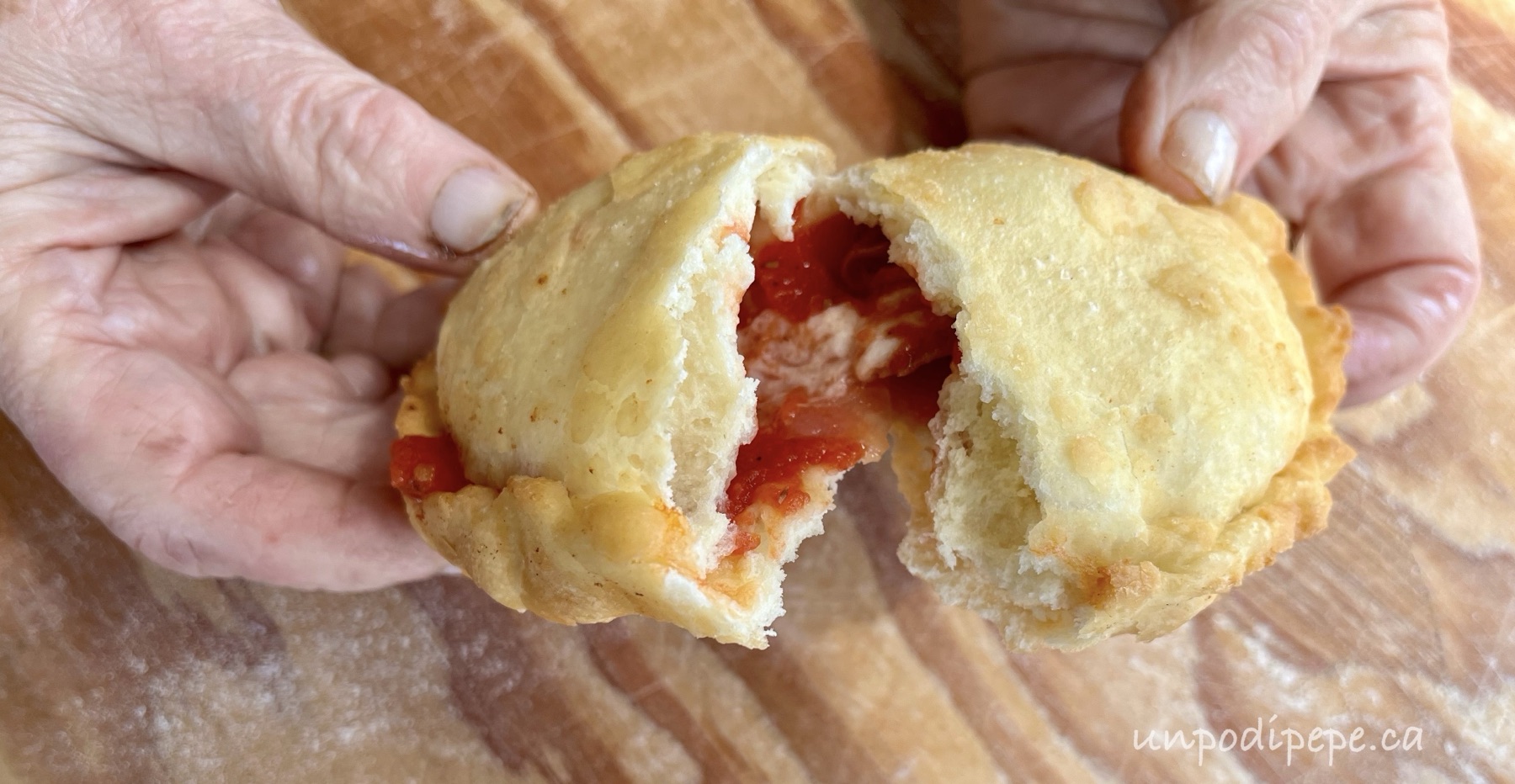
*Semola or semolina is the yellow durum wheat endosperm.  Semola rimacinata has been ground once more.  It gives the dough more of a bite to it.  You can just use 500 g All Purpose flour, but I find the best results using a combination of 00 and semola rimacinata.  It is also common to just use simple pizza or bread dough to make panzerotti, but those are more like stuffed pizze fritte.

**as with all recipes involving flour, it is always best to weigh with a scale rather than measure with cups.
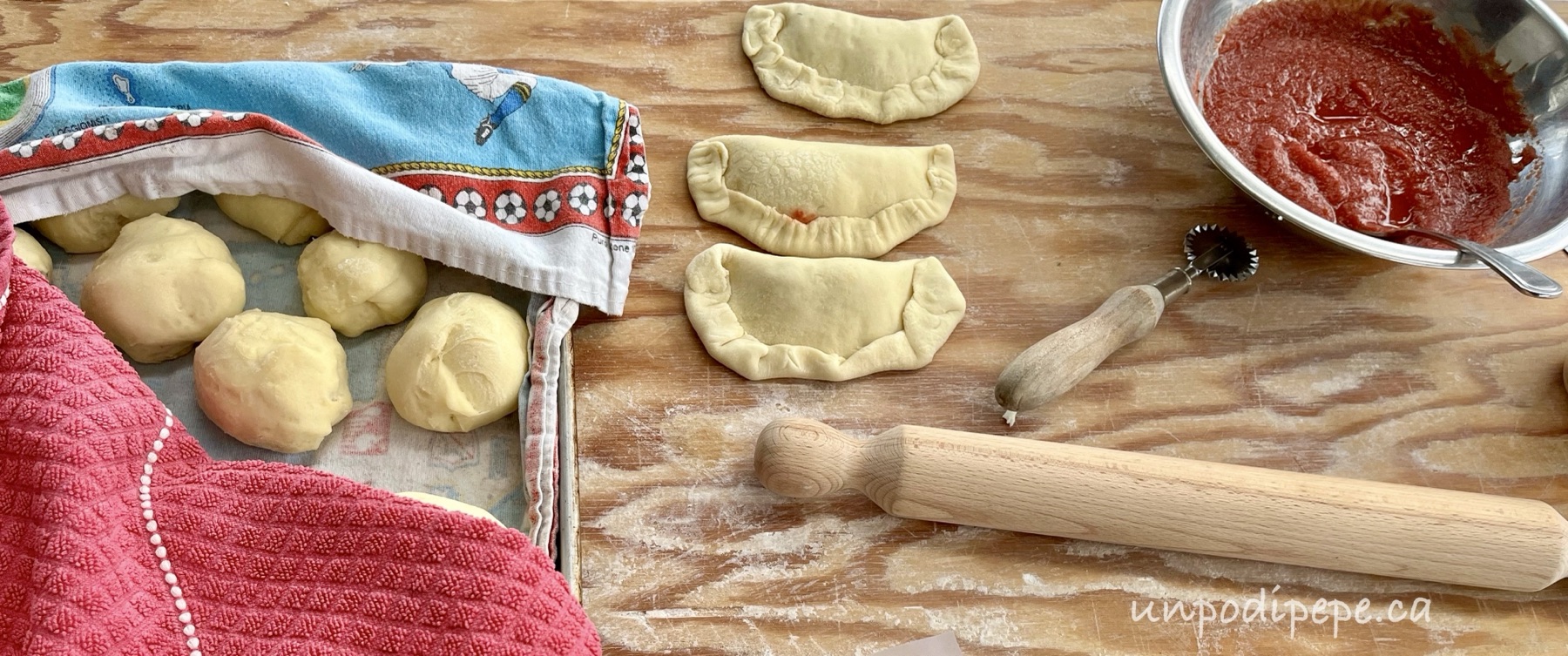
Buon appetito!  Cristina

Share this:

  • Click to share on Facebook (Opens in new window) Facebook
  • Click to share on Pinterest (Opens in new window) Pinterest
  • Click to share on X (Opens in new window) X
  • Click to email a link to a friend (Opens in new window) Email
  • Click to share on WhatsApp (Opens in new window) WhatsApp
Like Loading...

In my Kitchen in Puglia, 2023

12 Tuesday Sep 2023

Posted by Un po' di pepe in Amici e Famiglia, Italian life, Mangiamo!, Orsara di Puglia, Puglia

≈ 23 Comments

Tags

Barrel vaulted ceiling, Cucina Pugliese, Fiori di zucca, In my kitchen, Mozzarella di bufala, Orsarosa, Parmigiana di melanzane, Pugliese Traditions, Ravioli

I recently returned from 6 weeks at our little casa in Orsara di Puglia.  As usual, there was a lot of activity in the kitchen. Cucina povera, literally ‘food of the poor’, is what you will mostly find in Puglia.  Simple foods made with fresh local ingredients. Here are just a few of the things my family and I were up to in our tiny but functional summer kitchen in Orsara di Puglia. Since I have so much material to write about, I have kept it to gifts of food received from amici, parenti e vicini di casa -friends, relatives and neighbours.

About the space, the whole place is only 40m² (about 450 square feet) including a bedroom and bathroom.  That is about the size of a double garage.  The room with the cucina is also the living room, guest room (aka my room) and art studio. The highlight of the room is the amazing barrel vaulted stone ceiling, which is hard to fit in a photo. There is even the face of a Madonnina on one of the stones.We had a lot of visitors, many who came bearing gifts.  This lovely cestino, filled with locally grown vegetables was dropped off by one of our neighbours.

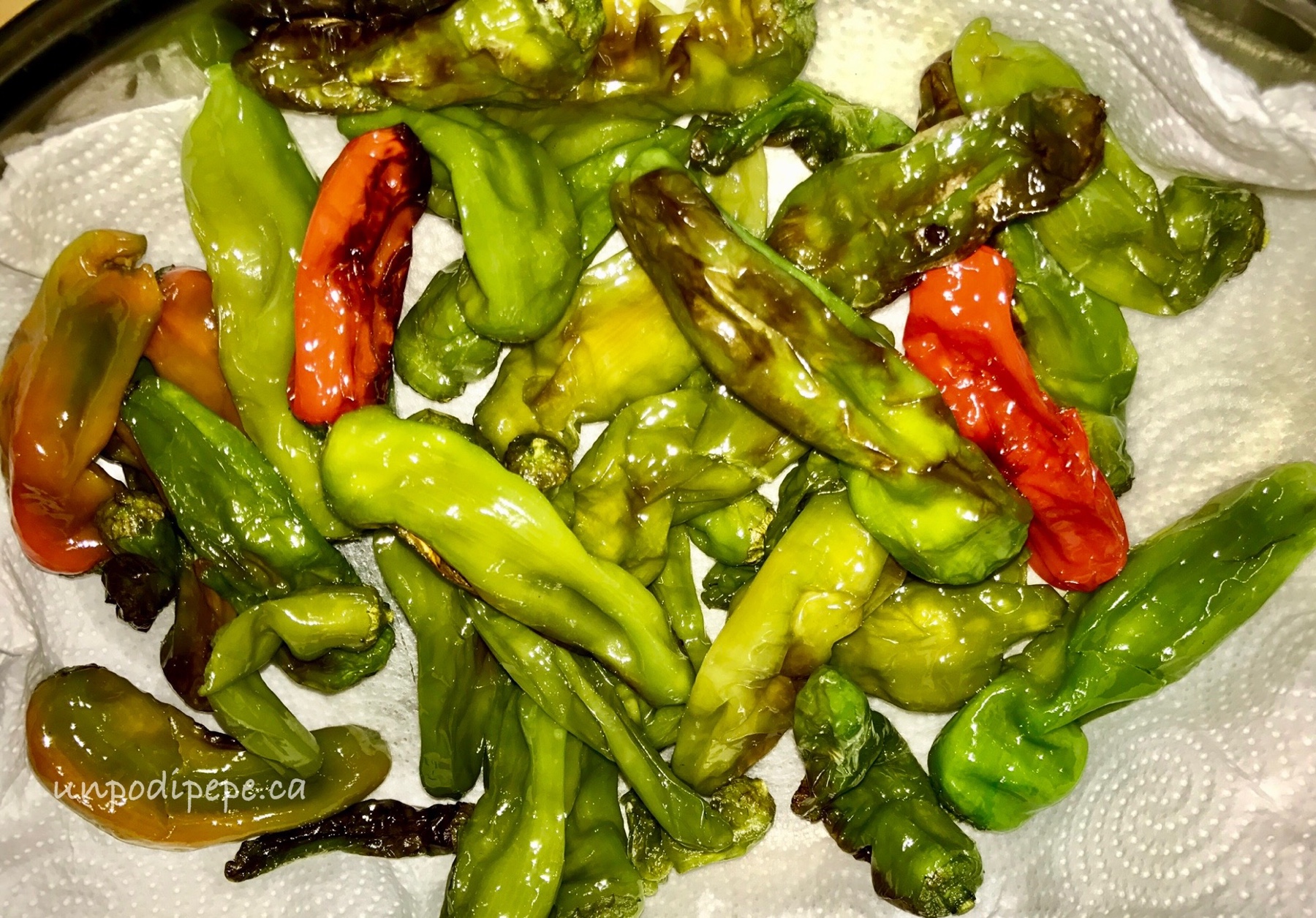
The melanzane (eggplant, or aubergine for the Brits) were stuffed and baked. The pulp was fried up with a bit of ground beef and pork, garlic, breadcrumbs and parmigiano, then stuffed and topped with tomato sauce and mozzarella. They were soooo yummy, but we only made them once, as it was so hot that having the oven on was painful!The long green and red peperoni or peppers in the cestino are called friarill’. They are sweet tasting, and as the name implies, are usually fried. Friarill’ on fresh bread taste heavenly!The gift of fresh eggs is amazing.  I used half of them to make fresh egg pasta for ravioli di ricotta e spinaci.  I froze them for the festa della Madonna della Neve Aug 5th. Freezing them was hard, as the freezer is so tiny. I make these often in Vancouver, and they are good-but the goat milk ricotta here is so incredibly good that they taste better.I was happy to use my spianatoia one more time.  That is the wooden pasta rolling board. It has a lip on one end so it stays put on the table and a handy carrying handle, just like the chair.

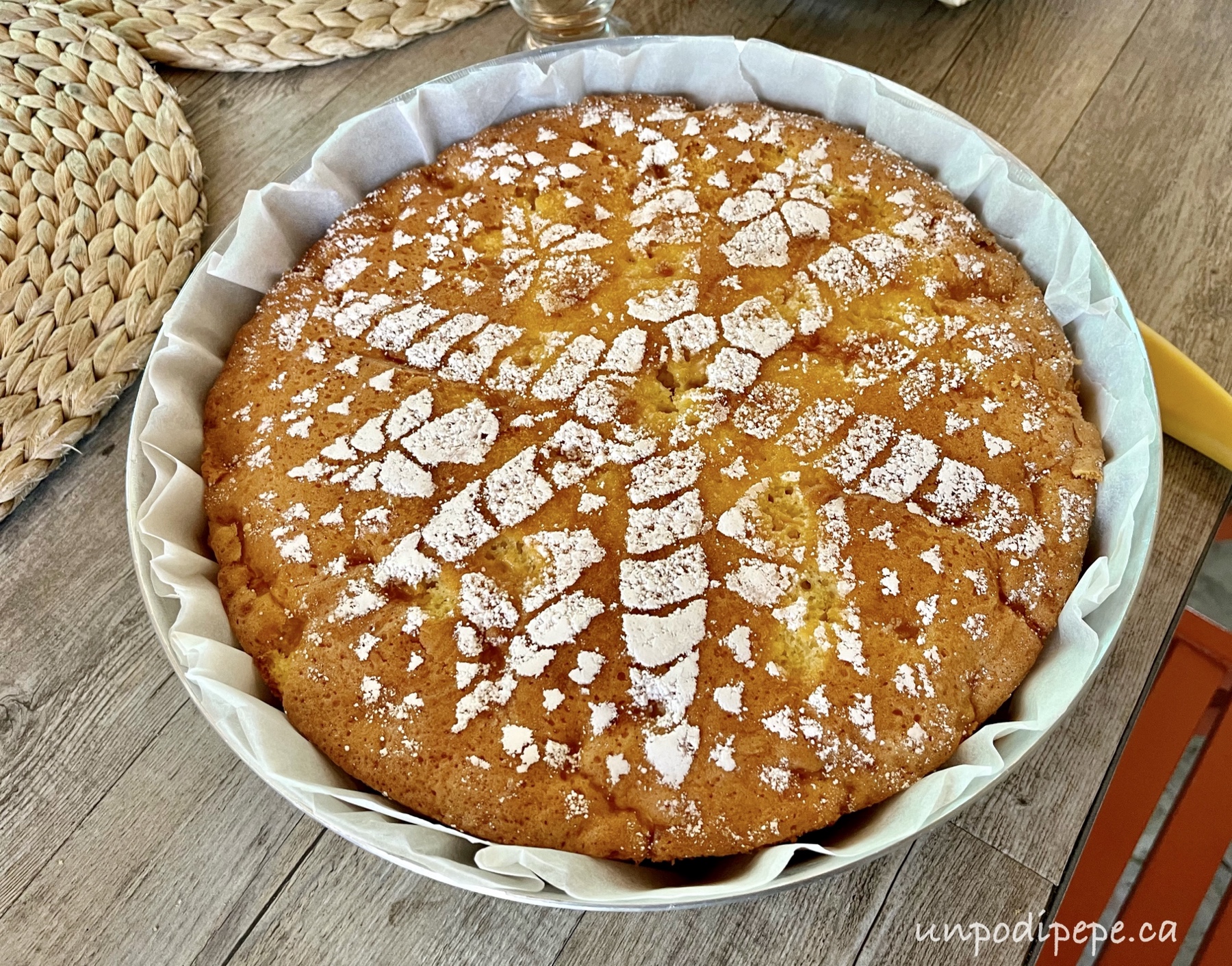
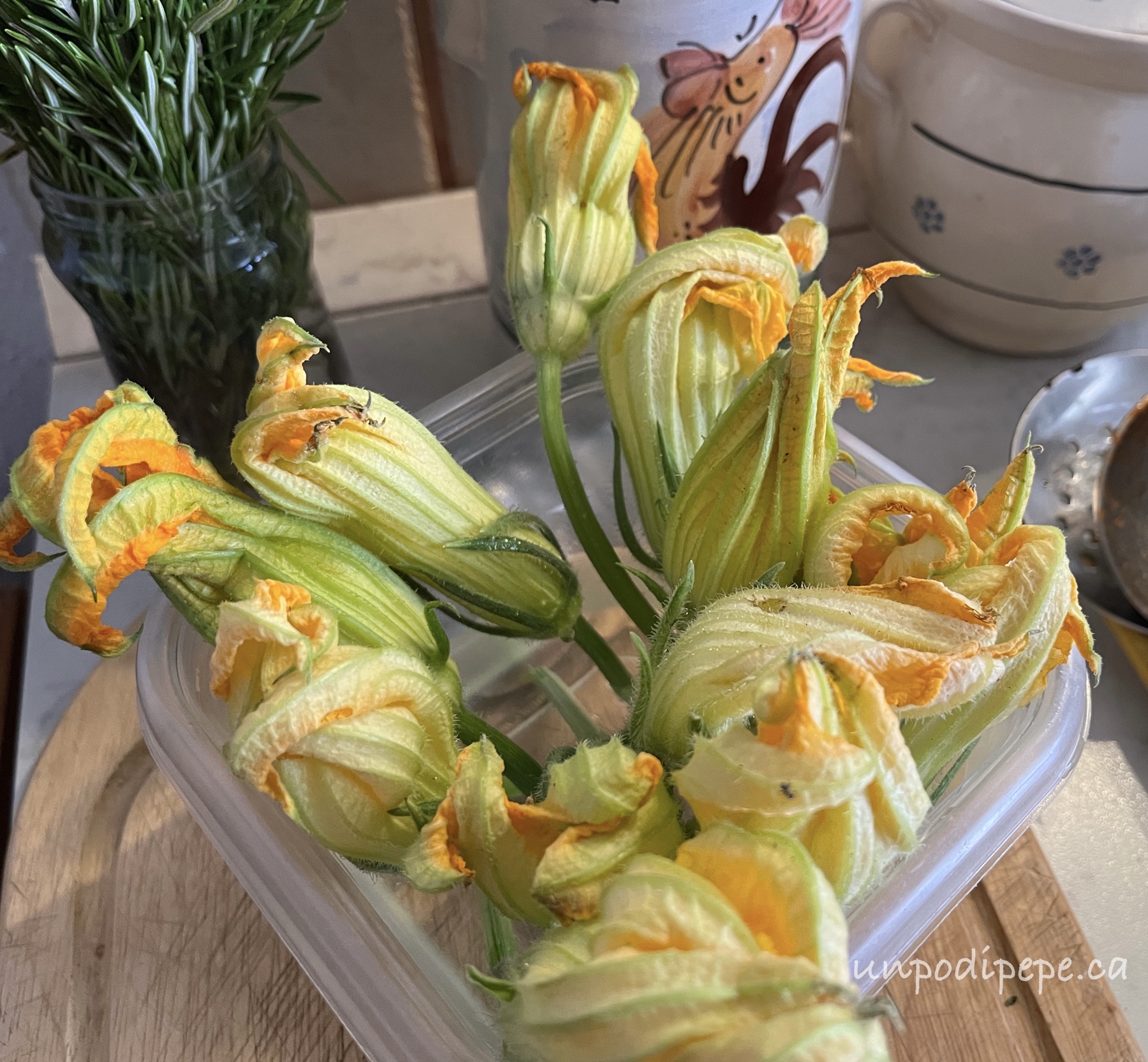
Mamma and I used the rest of the eggs to make Torta di mela, an apple cake.  We made it to bring to our family grigliata -BBQ- at the olive grove that was my Nonno’s. It had to be baked at 1 am as it was just too painful to turn the oven on during the day.La torta looked a bit plain, so I placed a clean crochet doily over the top and sprinkled icing sugar all over. The fancy shmancy design was left on the cake. I often have to do this to my Torta Caprese because the top always collapses a bit. Fiori di zucca are one of my favourite summer foods-and my favourite bouquet of flowers. My Zio brought over a LOT of them one day, an hour before we were going to be eating.  I stuffed some of them with what I had available. There were a few trecce-fresh, braided mozzarella, in the fridge and basilico growing out on the tiny terrazza. Once they were stuffed, I battered them in flour and mineral water with a few bonus ingredients like parmigiano and basilico, and then fried them.

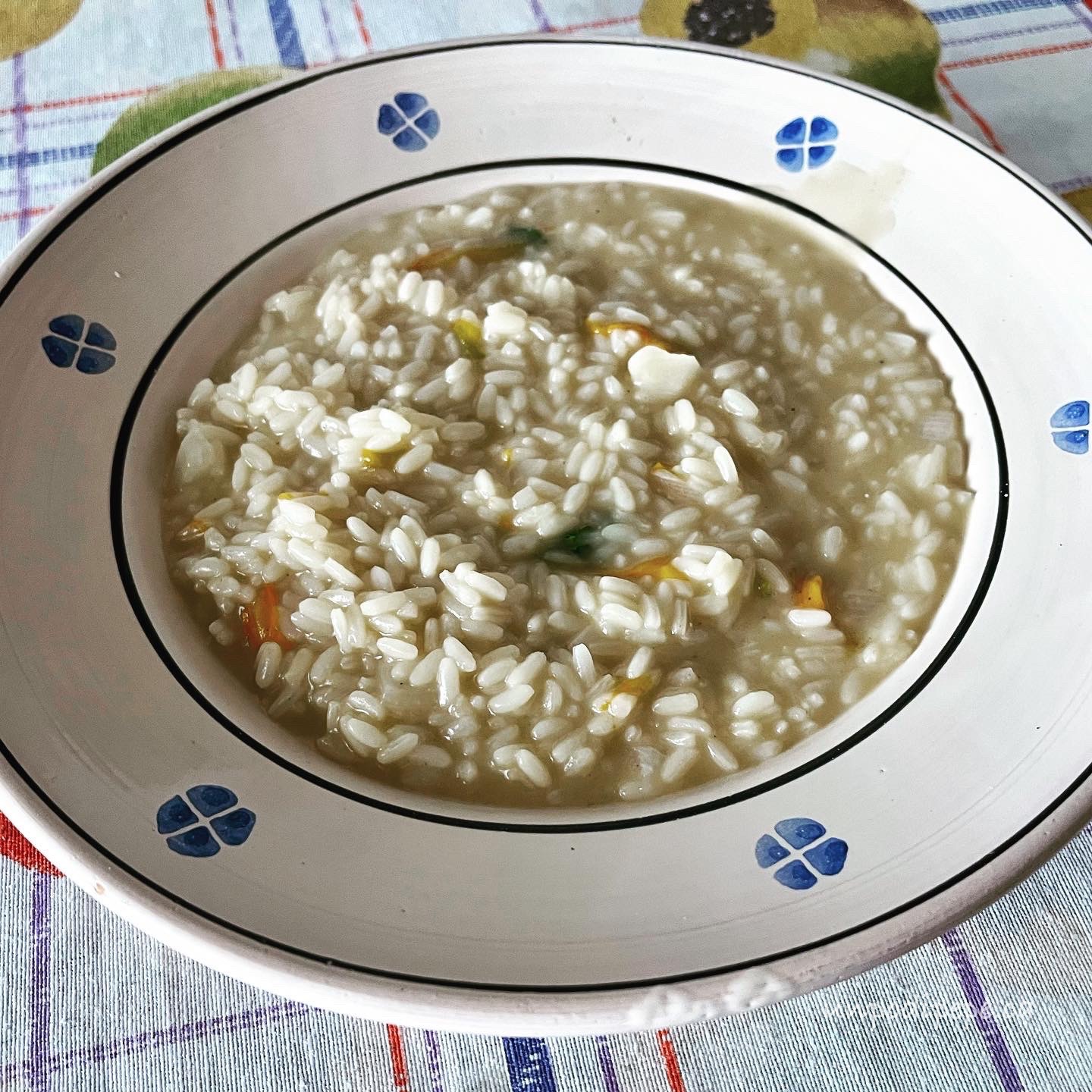
They were crunchy and delicious, but I only had time to use up less than half of my precious fiori.  Fiori di zucca are extremely delicate.  They only last a day 2 and do not freeze well.  Not wanting to waste them, once I finished the dishes, I drizzled olive oil on a baking pan, borrowed some caciocavallo from my neighbour, and stuffed a bunch more.  The stuffed fiori were placed in the pan, which went straight into the freezer to use a 4 days later.  Great idea, no?  Well-yes and no.  They had to be baked, since attempting to fry these beauties after freezing would turn them into mush. Baking them at 1am was not an option. We had to endure the heat but they were worth the sweat!A few fiori were saved to make risotto the next day.  This was a new thing for me, as I have never had so many fiori that I could make risotto.  More recipe ideas and harvesting tips can be found in the post Fiori di zucca. My amico Peppe Zullo gave me a few bottles of his vino rosato Amarosa.  Apparently the name Amarosa has been trademarked by someone else, so the vino is getting a name change.  It will now be named after Orsara’s women’s soccer (or football for the Brits) team….Orsarosa!Mercoledi/Wednesday is mozzarella di bufala day.  I came home from Procida on a Thursday and a friend had left me these melt in your mouth ones. They are from Masseria Li Gatti near Torremaggiore, SanSevero (FG). The mozzarella are in the new Pugliese serving bowls my sister brought from Polignano a Mare. The piattaia is full so I will need to find somewhere to display them.I hope this post has made you either hungry and drooling or wishing you could visit Puglia yourself.  Perhaps it has done both? Perché no?  I am already planning my next visit!  Buon appetito e buon viaggio, Cristina

Thanks Sherry from Australia for hosting the monthly food blogging event, In My Kitchen (IMK). Click the link to Sherry’s Pickings to read about other world kitchens this month. Buon appetito, Cristina

Share this:

  • Click to share on Facebook (Opens in new window) Facebook
  • Click to share on Pinterest (Opens in new window) Pinterest
  • Click to share on X (Opens in new window) X
  • Click to email a link to a friend (Opens in new window) Email
  • Click to share on WhatsApp (Opens in new window) WhatsApp
Like Loading...

In my Kitchen in Puglia, 2022

13 Saturday Aug 2022

Posted by Un po' di pepe in Italian life, Mangiamo!, Orsara di Puglia, Puglia

≈ 45 Comments

Tags

Amarena, Cucina Pugliese, Fiori di zucca, In my kitchen, Mozzarella di bufala, Orecchiette, Parmigiana di melanzane, Polpo, Pugliese Traditions, Ravioli

I recently returned from a long trip to Italia, after an unplanned 3 year ‘pandemic break’. We missed our little casa in Orsara di Puglia.  Once we cleaned up a bit, there was a lot of activity in the kitchen. Cucina povera, literally ‘food of the poor’, is what you mostly find in Puglia.  Simple foods made with fresh local ingredients. Here are just a few of the things my family and I were up to in our tiny but functional summer kitchen in Orsara di Puglia.

Starting with the space itself, the whole casa is 40m² (about 450 square feet) including a bedroom and bathroom.  That is about the size of a double garage.  The room with the cucina is also the living room, guest room (aka my room) and art studio. The highlight of the room is the amazing barrel vaulted stone ceiling, which is hard to fit in a photo.

We had a lot of visitors who came bearing gifts.  My favourite gift was the anguria -the huge watermelon on the counter.  It was grown by a friend and was delicious!  He also grew the cipolle.

Melanzane (eggplant, or aubergine for the Brits) and zucchine are plentiful in summer.  We made Parmigiana di melanzane e zucchine.  It was soooo yummy, but we only made it once as cooking it was painful.  It was too hot to have the oven on! Now this is my idea of a bouquet of flowers! Fiori di zucca are one of my favourite summer foods. I stuffed them with caciocavallo and basilico, then battered and fried them.  It was too hot to bake them in the oven.  They were eaten before I could take a photo.  Luckily they are easy to find here. I grow fiori di zucca in my garden in Vancouver, because they are impossible to find. Recipes and harvesting tips can be found in the post Fiori di zucca. 

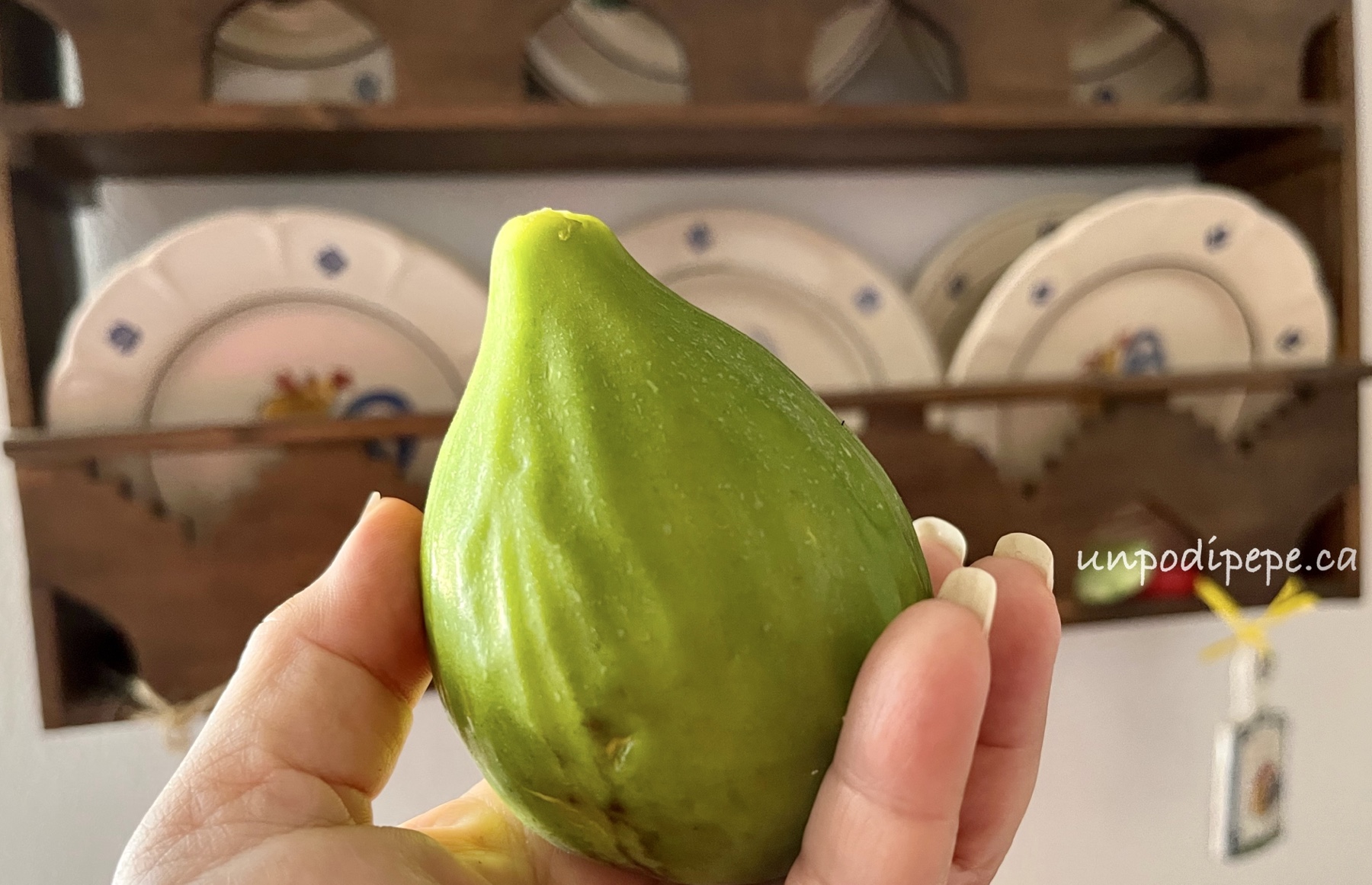
Fichi-figs-were everywhere.  Green, purple, small, big…even ginormous like this one in my hand.More fichi!basket of figsLast time I was here, I bought a spianatoia, although I only knew what is was called in dialetto.  It is a pasta rolling board with a lip on one end so it stays put on the table.  This one also has a handy carrying handle. I was only able to use it once in 2019, so I wanted to get some use out of it. I made ravioli di ricotta e spinaci a few times and filled the freezer.  I make them often in Vancouver, and they are good-but the goat milk ricotta here is so incredibly good that they taste better.

I did not get a chance to make my own orecchiette as I was too busy socializing, but we did eat them often.  I need to practice my technique!

Orecchiette con sugo

The cheese products in Puglia and Campania are drool-worthy!  Orsara has its own DOP cheese called cacioricotta, made with goat milk, but it never stays around long enough to be photographed!  Wednesday is mozzarella di bufala day. These melt in your mouth ones are from Masseria Li Gatti near Torremaggiore, SanSevero (FG).  

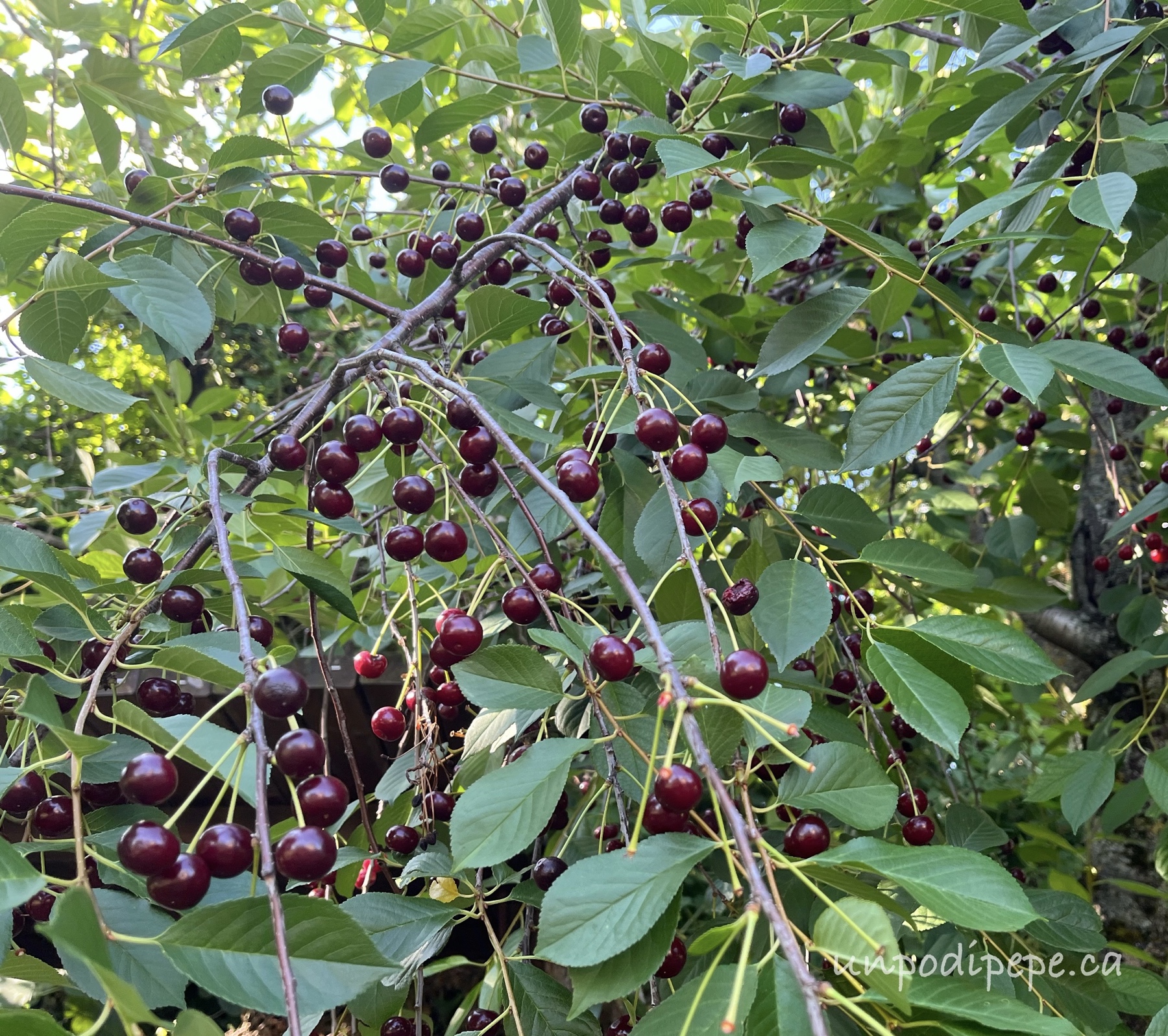
June is amarena season.  Amarene are sour wild cherries.  The word amaro means sour or bitter.  Everyone is busy picking them, making jam, canning them and making crostate.  I went amarena picking in my cousin’s olive grove.  Aren’t they gorgeous?Amarena cherries on the tree

Friends and relatives gave us amarene in syrup.  The absolute best place to use it is on top of gelato! I ate a lot of polpo or polipo on this trip.  They both mean Octopus and it is one of my favourite foods.  I will have to publish a post with all of my polpo photos.  This one of Mamma washing polpo in the kitchen sink was popular on instagram.washing octopusThis is the insalata di polpo that she made.  No leftovers.  Sorry, not sorry!Octopus salad

Cooking fish needs to be coordinated with umido day which is 3 times a week, otherwise the entire house will be puzzolente -stinky. Orsara now does la raccolta differenziata for garbage and recycling and it is extremely efficient!  Roma, are you listening?  The town has never looked so clean.  I will have to write a post about this.  Here is a sunny photo of l’umido pickup day.  This is not the kitchen, but these stairs do lead to it!

We went to a post-wedding meal in Alberona and stopped off at the caciocavallo store on the way home.  It was actually a farm and it was super-puzzolente!

Fresh caciocavallo needs to hang to dry.  The kitchen stone ceiling has a catnill’.  This is a metal ring like the ones outside that were used to tie up your donkey.  We couldn’t reach it to hang the caciocavallo, plus they tend to ‘sweat’ and leak a small amount of fluid until they dry.  Yuck.  who wants caciocavallo sweat to fall on their head?  It was hung from the fridge, next to the piattaia full of Pugliese plates.

I will leave you with one last photo of the cute little Ichnusa Sardinian beer bottle I brought home from camping in Mattinata.  I hope this post has made you either hungry and drooling or wishing you could visit Puglia yourself.  Maybe it has done both? Perché no?  I am already planning my next visit!  Buon appetito e buon viaggio, Cristina
Thanks Sherry from Australia for hosting the monthly food blogging event, In My Kitchen (IMK). Click the link to Sherry’s Pickings to read about other world kitchens. Buon appetito, Cristina

Share this:

  • Click to share on Facebook (Opens in new window) Facebook
  • Click to share on Pinterest (Opens in new window) Pinterest
  • Click to share on X (Opens in new window) X
  • Click to email a link to a friend (Opens in new window) Email
  • Click to share on WhatsApp (Opens in new window) WhatsApp
Like Loading...

Puglia~Mia Regione Preferita

26 Sunday May 2019

Posted by Un po' di pepe in Italia, Photography, Puglia, Travel, Vino

≈ 26 Comments

Tags

Cucina povera, Cucina Pugliese, Diomedes, Dolcevitabloggers, Parco Nazionale del Gargano, Romanico Pugliese, Southern Italy, Top 10 reasons to love Puglia, Trabucchi del Gargano, UNESCO World Heritage Sites, Vini di Puglia

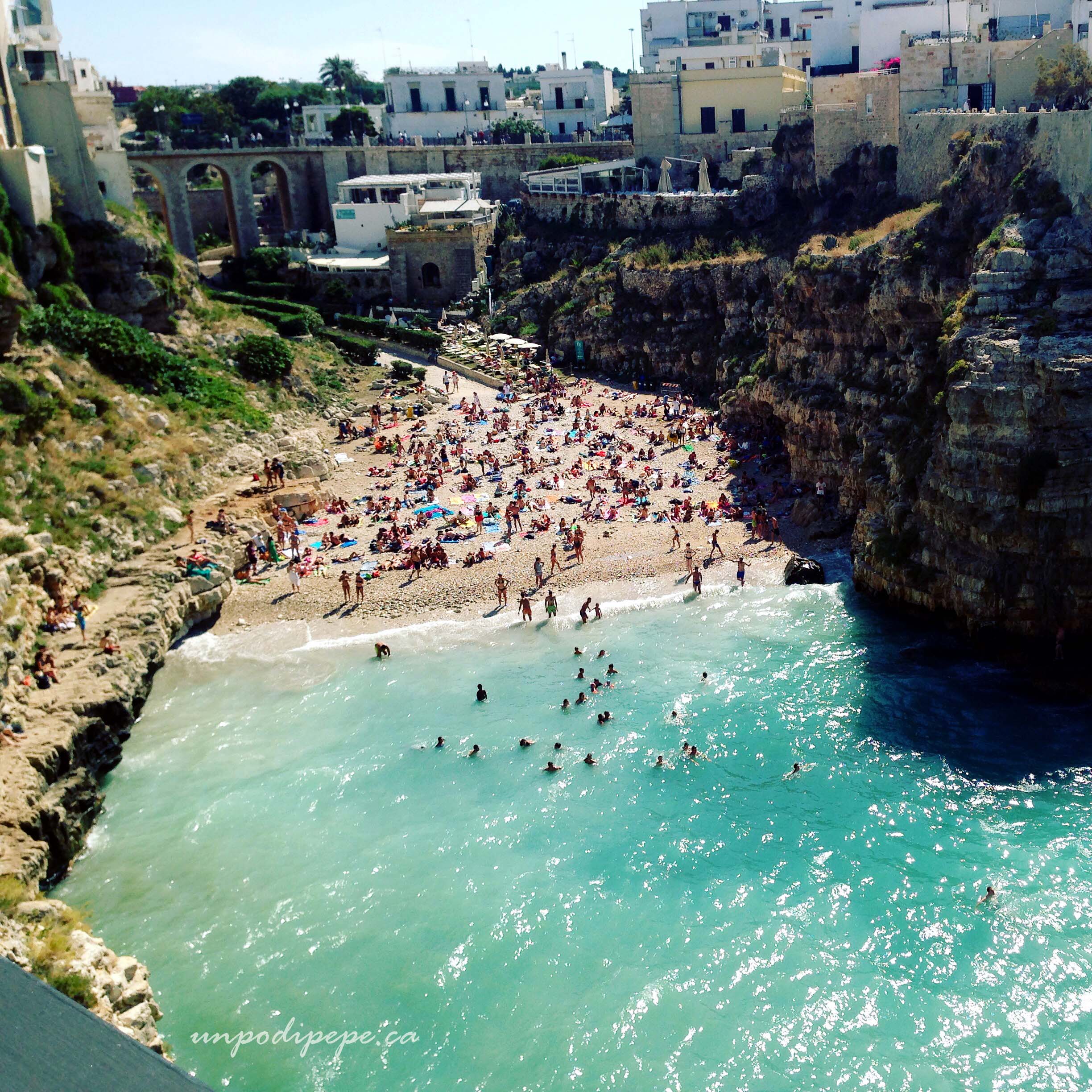
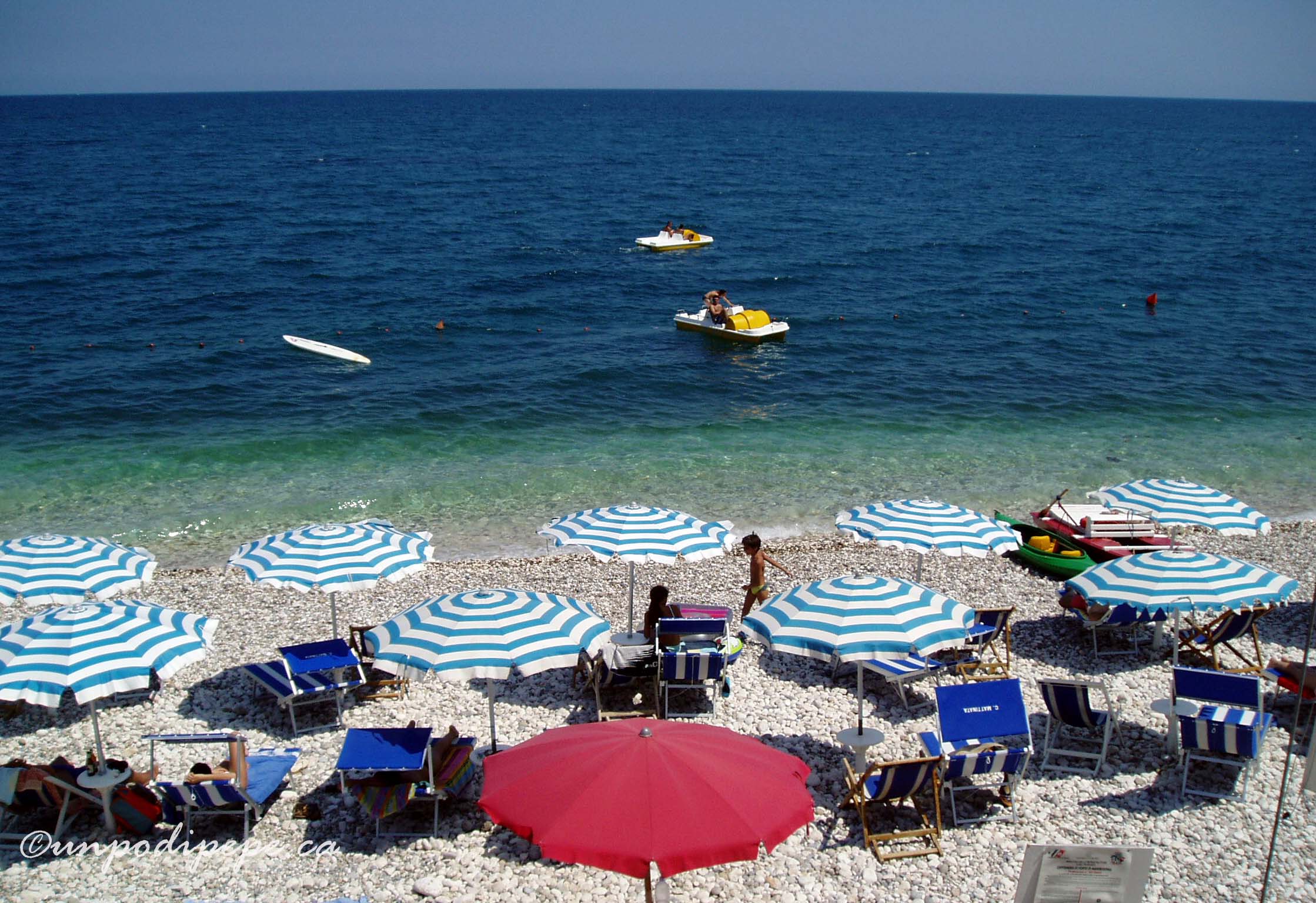
Italia has 20 regioni /regions. So far, I have been to 14 of them.  I love them all, but my absolute favourite is Puglia.  Why?  Well, aside from the obvious reason that it is home, there are countless others.  I have narrowed this post down to my top 10 reasons to love Puglia-in no particular order.  There are a lot of links to previous posts included here.  Please check them out!  Many of my Puglia posts were written when this blog only had about 27 readers, 80% of them related to me.  These posts need some new love!1) 840 km of coastline-That is a lot of beach!  The transparent turquoise colour of the water is real.Earlier this month, 13 Pugliese beaches received the environmental designation Bandiera Blu, including Polignano a Mare, Margherita di Savoia and Peschici.

2) Cucina Pugliese is rustic cucina povera or peasant food, focusing on the freshness and simplicity of the ingredients that are in season.   Orecchiette con sugo

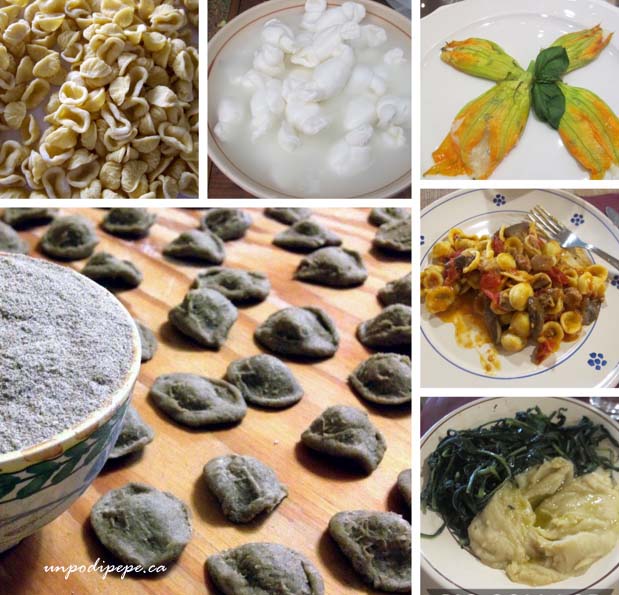
Pugliese specialties include orecchiette al sugo, orecchiette con cime di rape, grano arso, fave e cicorie, burrata, pancotto e patate, panzerotti, polpo, pesce, focaccia Pugliese, taralli, cartellate, pasticciotto, and pizza con la ricotta.  Everything is drizzled with Pugliese ‘liquid gold’, extra virgin olive oil.Cucina Pugliese 1

Cucina PuglieseI hope I have made you hungry.  Buon appetito!

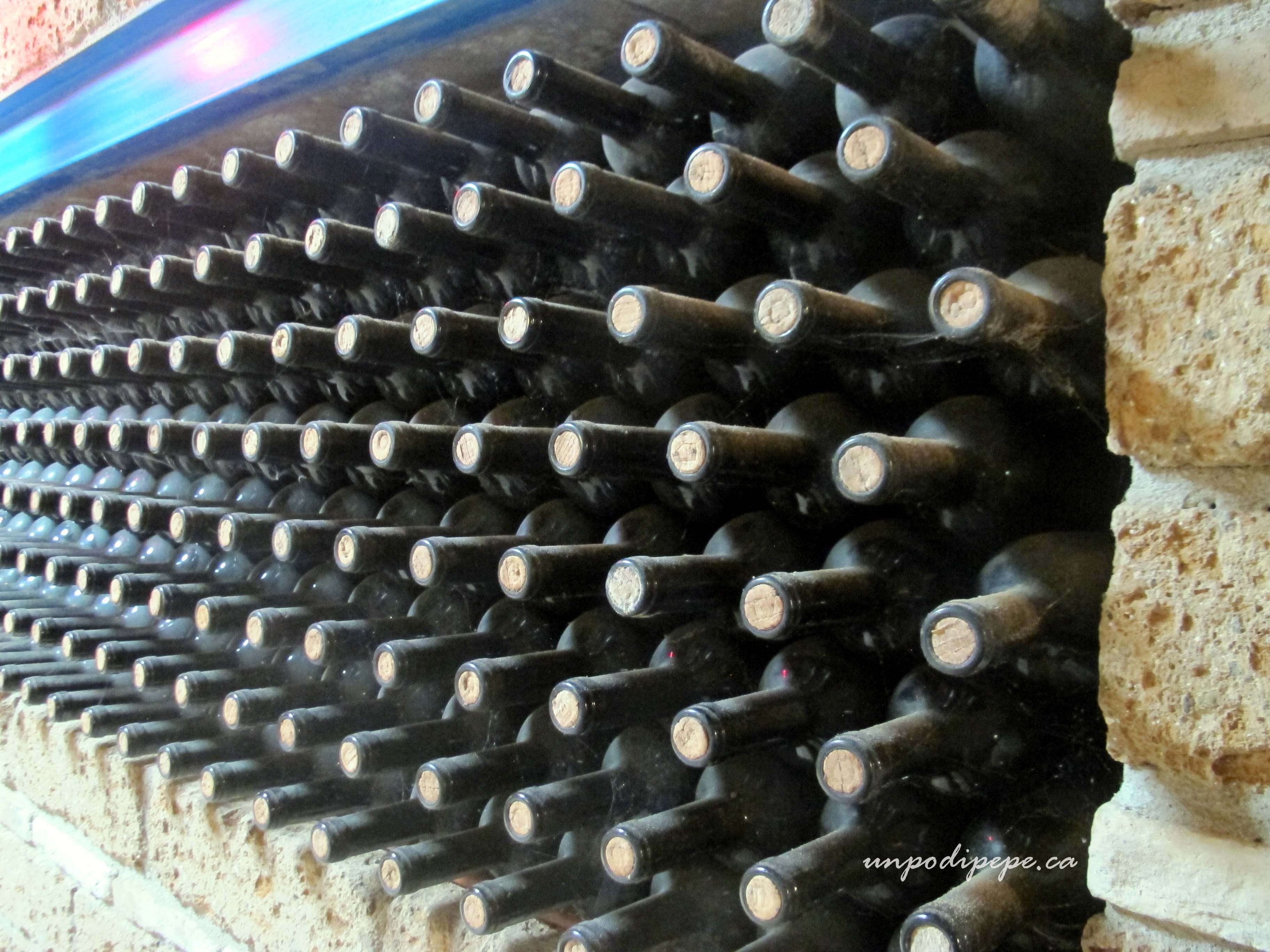
3) Vino- Oenotria ‘Land of Wine’ is the name the ancient Greeks gave Puglia. 425 km long, Puglia has a diverse agricultural landscape with mountains, plains, the Mediterranean sun, coastal sea breezes and fertile soil.  The climate is hot and dry, especially during the summer.  The name Puglia comes from the Latin ‘a pluvia’ meaning without rain. These environmental features, plus the presence of vitigni autoctoni (Native or Indigenous species of grapes) create an ideal environment for growing grapes and producing vino.

Vino is my favourite topic of research.  A few years ago, I published a Vini di Puglia trilogy-a series of 3 blog posts on the wines of Puglia!  Vini di Puglia is about the ‘big 3’ Negroamaro, Nero di Troia and Primitivo.  Part 2 Aglianico to Zibibbo is about all the other grapes of Puglia plus a glossary of viniculture terms in Italiano.  Il Tuccanese a grape native to Orsara di Puglia is the last post in the trilogy. Salute!

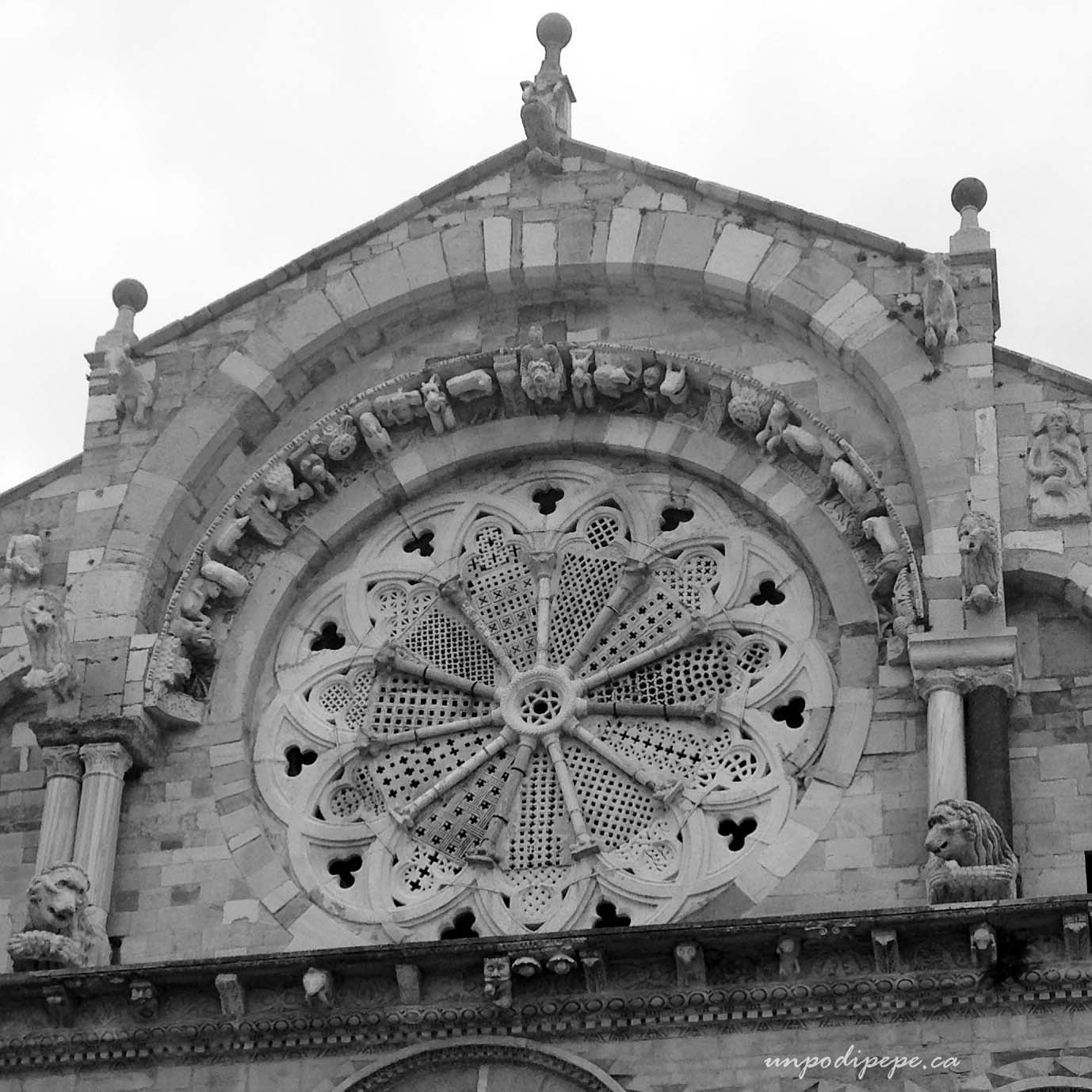
4) Architettura. Puglia has it’s own architectural style-Romanico Pugliese (Pugliese Romanesque).  Puglia was at the crossroads between Europe and the Crusades in the 11th-13th Century.  Many cattedrale were built in this style,  including those in Troia, Trani, Bari, Otranto, Molfetta, Bitonto, Siponto and Ruvo di Puglia.  Romanico Pugliese is a unique architectural style distinguished by elements of both Eastern and Western elements. These include vaulted ceilings, Byzantine semicircular cupolas, porticoes held up by marble lions, and intricate decorations with classical Byzantine and Arab features. The Romanesque Cathedrals in Puglia are on the UNESCO heritage sites tentative list, which is the step before heritage designation.  Troia cattedrale Romanica Pugliese

The 11 sectioned rosone pictured here of the Cattedrale di Troia built in 1145 AD looks like it is woven in stone.  Other architectural styles specific to Puglia are the Barrocco Leccese found in Lecce and the mysterious Castel del Monte near Andria built by Federico II, which is its own unique entity.

5) Promontorio del Gargano One of the most beautiful areas on earth, Il Promontorio del Gargano (gar·GAH·noh) is the promontory sticking out above ‘il tacco’, the heel of Italia.  You can also think of it as la caviglia-the ankle spur of Italia.  Surrounded by the Adriatico on 3 sides, the area is more like an island; biodiverse with unique flora and fauna. Most of the promontorio is a protected area and marine reserve, Il Parco Nazionale del Gargano, which includes le Isole Tremiti and the ancient Foresta Umbra. Fortunately, this has prevented development by large multinational hotels and resorts.San Domino Isole Tremiti, Puglia

Il Gargano is famous for picchi (woodpeckers) and other birds, 300 varieties of orchids, almonds and olives.  There are endless ancient hillside olive groves, pine forests, sea grotte, limestone cliffs, rocky shores, crystalline water and fresh seafood.

Baia delle Zagare, Puglia

Baia delle Zagare

The winding road around the Gargano, SS 89 from Foggia, has sharp turns and viste mozzafiato (VIS·teh moz·zah·FYAH·toh)-breathtaking views. One of my favourite viewpoints is La Baia delle Zagare, where the battle scene between the Amazons and Germans in the movie Wonder Woman were filmed!

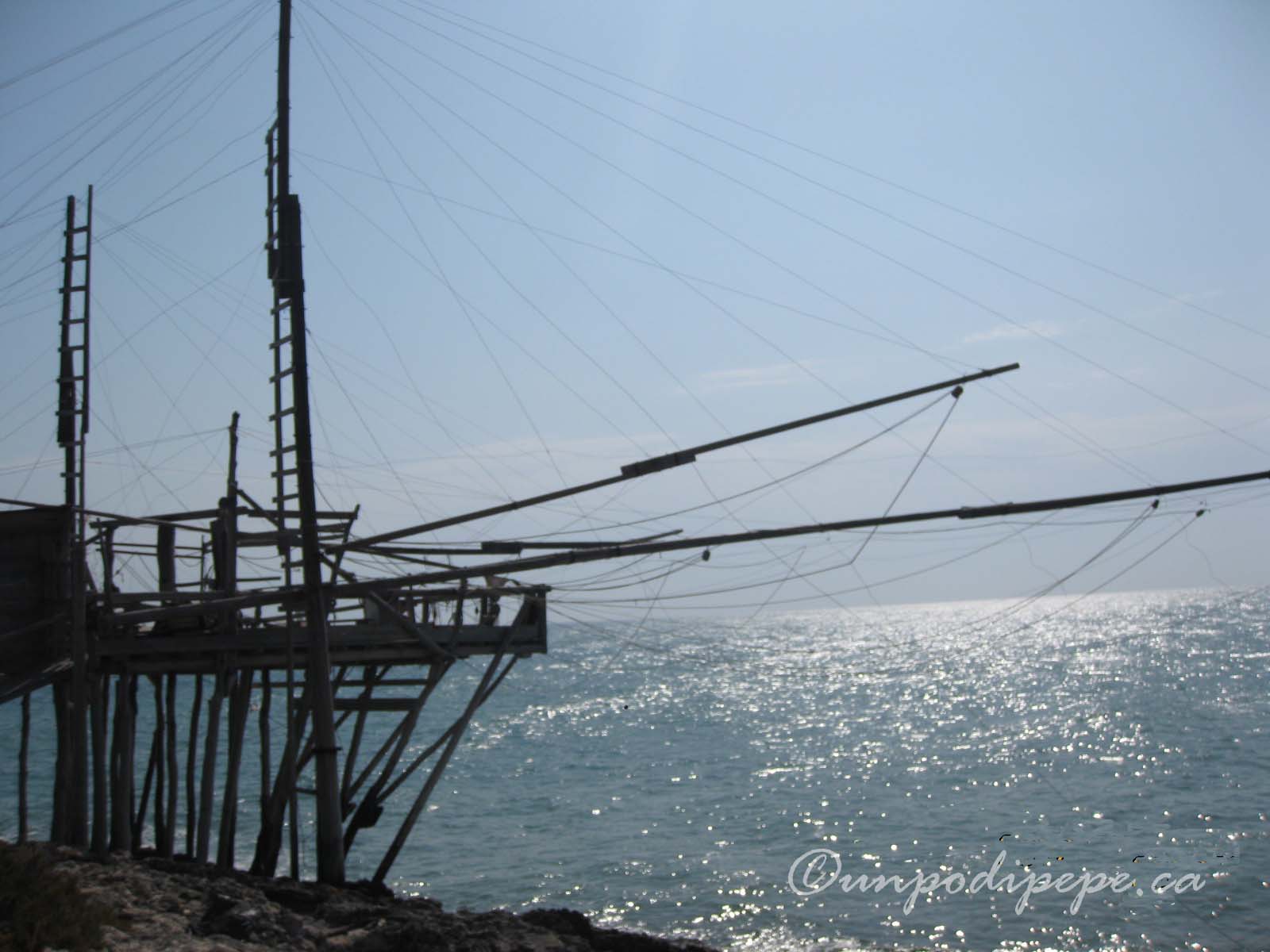
6)Trabucchi  Trabucchi (tra∙BOO∙kkee) are old fishing contraptions found on the Adriatic coast of Abruzzo, Molise and Puglia. The design probably dates back to the ancient Phoenicians.  Trabucchi have fascinated me since I was a child, taking l’Adriatico, the night train from Bologna to Foggia on a stormy night.  They looked like giant alien octopi coming out of the sea!  There are 13 functioning trabucchi on the coast of the Promontorio del Gargano between Peschici and Vieste, the oldest dating back to the 18th century.  They are protected as National cultural heritage sites within the Parco Nazionale del Gargano. Read more in I Trabucchi del Gargano.

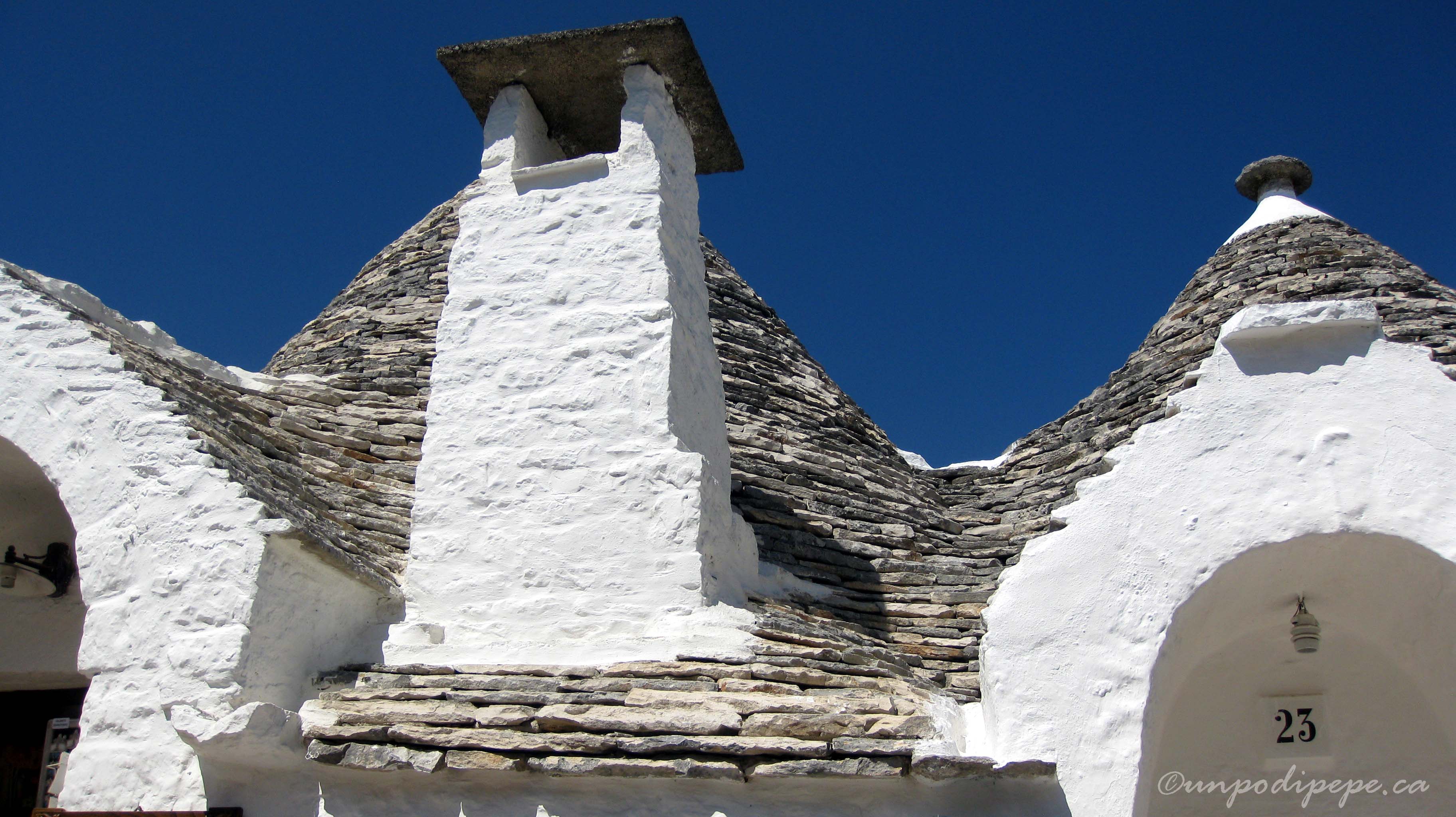
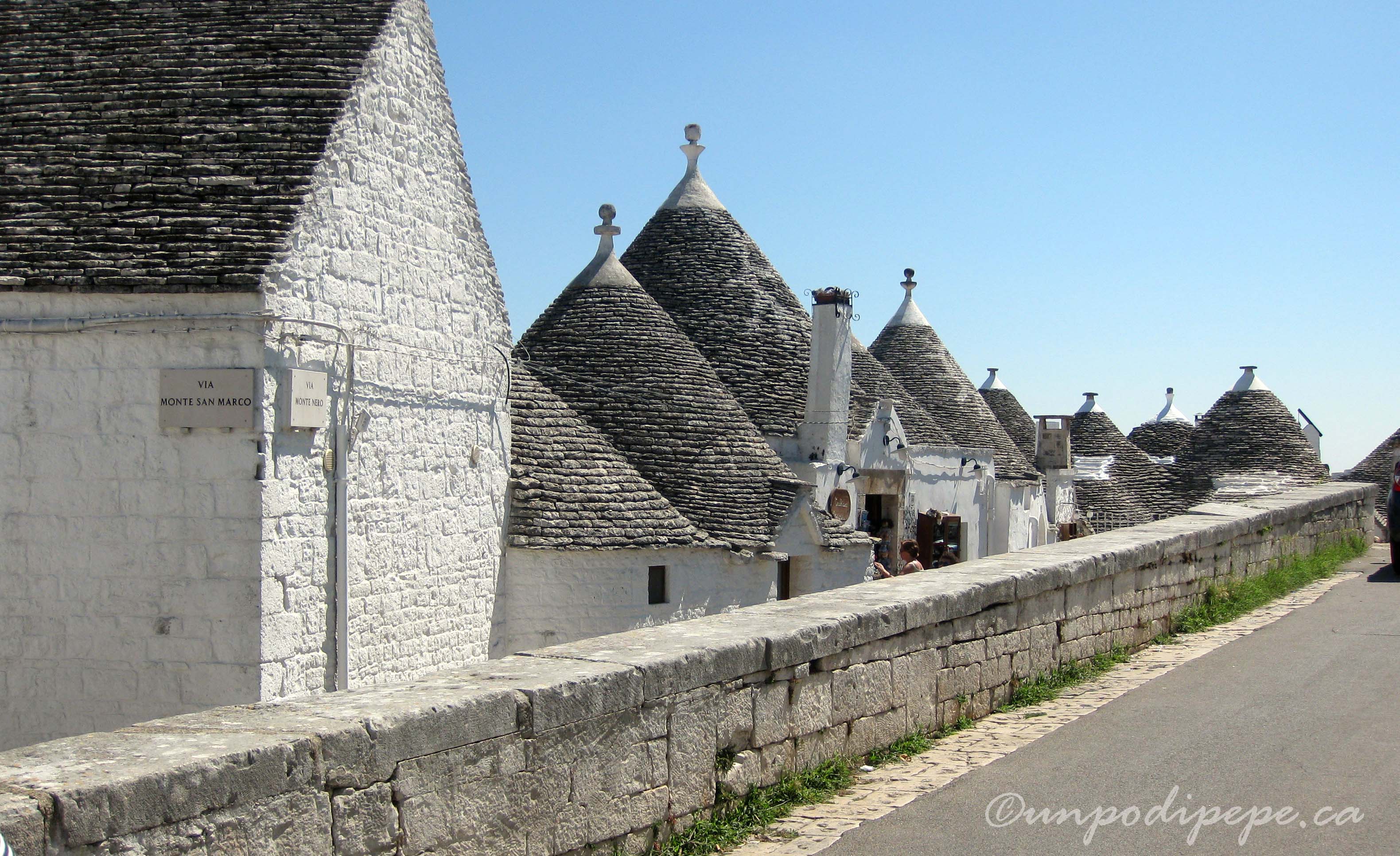
7) Trulli-These traditional limestone houses are unique to the Val d’Itria in Southern Puglia.  They were built ‘a secco’, which means dry-without mortar.  Trulli have domed cone-shaped roofs built up of overlapping grey limestone slabs called chiancharelle (kyan•ka•REL•leh). 

‘La Zona dei Trulli’ includes the areas around Locorotondo, Fasano, Cisternino, Martina Franca, Ceglie Massapica and the largest concentration of 1,620 trulli in Alberobello.  Alberobello and its trulli are a UNESCO World Heritage Site.  Read more about trulli in I Trulli di Alberobello.   Trulli Alberobello8) History/Connection to the Iliad  Can any other region say it was founded by a Trojan War hero?  According to legend, after the fall of Troy the mythical hero Diomede (Diomedes) found out his wife had been unfaithful.  Instead of returning home to Argos, he sailed the Adriatic, created the Isole Tremiti, and then was invited by Daunus, King of the Daunia (modern Provincia di Foggia) to settle there.  Diomede allegedly planted the first grape vines in Puglia, brought with him from Greece. He also founded many other towns in Puglia.  Diomede was allegedly shipwrecked and died near the Isole Tremiti.

tomba di Diomede Isole Tremiti

La tomba di Diomede on San Nicola.

An unmarked Hellenic period tomb on San Nicola is known as ‘la tomba di Diomede’. According to legend, his crew was so upset that the Goddess Venus took pity on the grieving men and turned them into birds that continue to cry for their loss. The scientific name for the Great Albatross common in the area is ‘Diomedea’.  These birds look like seagulls and sounds like a crying newborn.  There is a scene in Fellini’s fim ‘Otto e mezzo’ (8½), where a cardinal tells this story to Guido (Marcello Mastroianni).

A Diomedea, San Domino

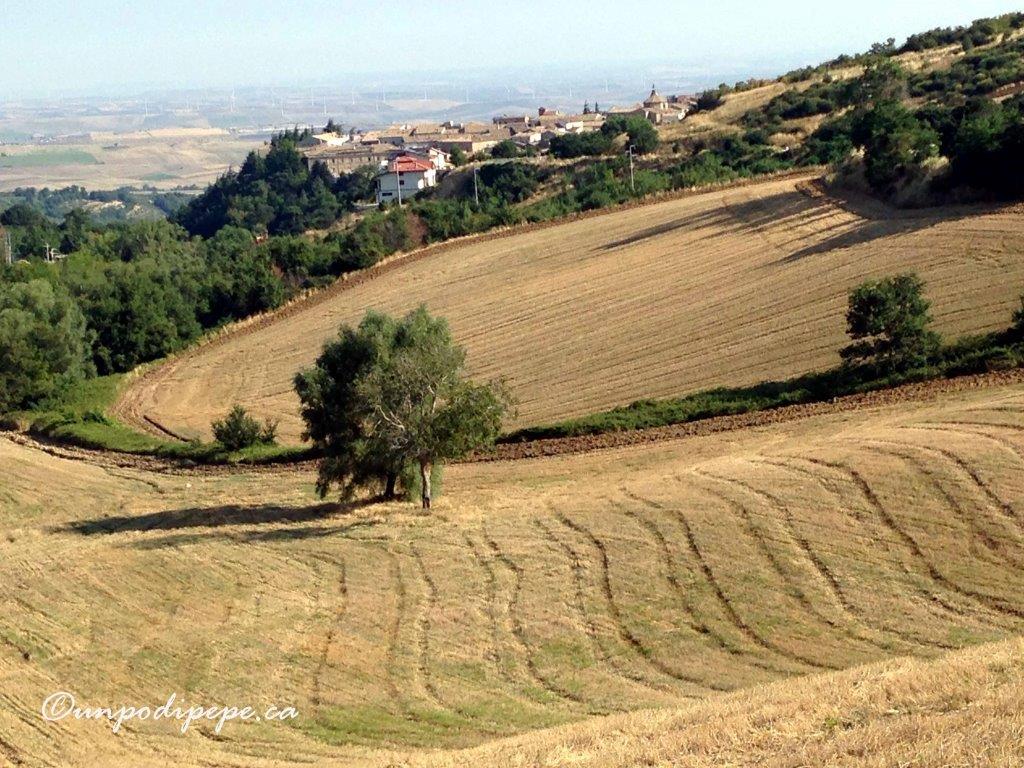
Orsara di Puglia landscape9)Paesaggi- The landscape of Puglia is varied and beautiful, made up of wheat fields, olive groves, vineyards and rocky coastline.  The region has 60 million olive trees,  including ulivi secolari-centuries old trees with knotted, gnarled trunks that have been twisted by time and wind.  Puglia’s trees produce 40% of the olive oil in Italia.

10) Slower pace Most of Puglia is still very much ‘real italia’, less commercialized and touristy, with great places to visit.  I am often told my photos look like they are from old movie sets.  Even though Puglia is often on the ‘places to see this year’ lists, it is uncrowded.  This is partly because it is poorly served by public transportation, and also because most foreigners visiting Puglia only go to the Salento and Alberobello! Italians from other regions travel to Puglia a lot, making it a great place to practice speaking italiano! Check out the posts A Perfect day in Italia and Il Sole di Metà Pomeriggio for more paese scenes.Fiat 500K Giardiniera AutobianchiHave you been to Puglia, mia regione preferita?  Let me know in the comments.

This post is written as part of the #dolcevitabloggers monthly blogging linkup, hosted by Jasmine, Kelly and Kristie the 3rd Sunday of the month.  Click the link to check out what the rest of the Dolce Vita bloggers have written on this month’s topic.Porto, San Domino, Isole Tremiti, Puglia

Ciao, Cristina
Share this:

  • Click to share on Facebook (Opens in new window) Facebook
  • Click to share on Pinterest (Opens in new window) Pinterest
  • Click to share on X (Opens in new window) X
  • Click to email a link to a friend (Opens in new window) Email
  • Click to share on WhatsApp (Opens in new window) WhatsApp
Like Loading...

Enter your email address to follow 'un po' di pepe' and receive notifications of new posts by email.

Join 511 other subscribers
Follow Un po' di pepe on WordPress.com

Popular Posts

  • Hairstyling in Ancient Roma
    Hairstyling in Ancient Roma
  • Espresso Cookies
    Espresso Cookies
  • Panforte di Siena
    Panforte di Siena
  • Il Pumo Pugliese
    Il Pumo Pugliese
  • San Nicola
    San Nicola
  • Panettone Fatto in Casa
    Panettone Fatto in Casa
  • Internment of Italian Canadians
    Internment of Italian Canadians

Recent Posts

  • Castel del Monte
  • ‘The Nuances of Love’
  • Hostaria Antica Roma~Eat like an Ancient Roman
  • Santa Maria in Aracoeli
  • Casino dell’Aurora~Villa Boncompagni Ludovisi
  • Nasoni di Roma
  • Bloghiversario #11
  • Fontana di Trevi
  • Acqua Vergine
  • Giubileo 2025
  • Sanremo 2025
  • In Vino there are Memories
  • A Literary Harvest
  • 2024~Un po’ di pepe Year in Review
  • Buon Natale 2024
  • Il Bicerin
  • Mercato Porta Palazzo
  • Torino
  • Catanzaro, Calabria
  • Il Pumo Pugliese
  • Artemisia Gentileschi
  • Cavalli di San Marco
  • Panzerotti
  • Torcello
  • 10 years of Un po’ di pepe!

Categories

Amici e Famiglia Architecture Art Art history Art projects Bilingual posts Blogging Canada Culture Feste Firenze Inspiration Italia Italian Folklore Italian language Italian life Italocanadesi Libri Mangiamo! Orsara di Puglia Parole piacevoli Photography Puglia Recipes Roma Travel Travel tips Uncategorized Vino

Archives

Un po’ di pepe on Facebook

Un po’ di pepe on Facebook

Start a Blog at WordPress.com.

  • Subscribe Subscribed
    • Un po' di pepe
    • Join 511 other subscribers
    • Already have a WordPress.com account? Log in now.
    • Un po' di pepe
    • Subscribe Subscribed
    • Sign up
    • Log in
    • Report this content
    • View site in Reader
    • Manage subscriptions
    • Collapse this bar
 

Loading Comments...
 

    %d