• Home
  • About me/Chi sono
  • Contact

Un po' di pepe

~ …… (oon∙poh∙dee∙PEH∙peh) Cristina writes about interesting stuff /Cristina scrive di cose interessanti

Un po' di pepe

Category Archives: Amici e Famiglia

In Partenza!

28 Saturday Oct 2017

Posted by Un po' di pepe in Amici e Famiglia, Italia, Parole piacevoli, Travel

≈ 13 Comments

Tags

Art retreat, Fucacoste e Cocce Priatorje, Italia in November, Ritiro artistico

Sono in partenza!  I am going on a recently planned trip to Roma, Orsara di Puglia and Lucca!  My amica Shannon, who some of you may remember from this post, has organized an artist retreat just outside of Lucca…so of course I have to go.  It just so happened I already had vacation scheduled for the week before, with no plans!  The week before the retreat includes November 1, which is the festa Fucacoste e Cocce Priatorje in Orsara di Puglia. For years I have been hearing about what an incredible experience the festa is.  Even my parents tell me stories about it. I have not ever attended because…. well really, who goes to Italia in November??? Apparently now I do!  I managed to rearrange my schedule and piece together another week to my vacation and off I go! Have a look at this lively 47 second video.

I had to find out how to say ‘artist retreat’ in italiano so I could explain what I was going to be doing to my famiglia.  The 2 best options I found are ritiro artistico and soggiorno creativo.

I arrive in Roma for the weekend, then will take the train to Orsara for the festa and a few days of hanging out and visiting with amici e famiglia.  I must admit I am a bit concerned because my little casa does not have heat!  Luckily the forecast is sunshine, and I have 2 of my Nonna‘s big blankets. I may buy a space heater or else bake biscotti every night so I can use the oven! My next stop is Lucca.  I will be at the retreat for a week and at the end of it we are having una mostra, an exhibit in Pietrasanta.  After the retreat I have a day and a half free, which I will probably spend in Firenze, since that is where I fly home from. As I explained in my summer post ‘Chiuso per Ferie’, which hardly anyone read, new posts will have to wait until I am back.  I will be posting to Instagram regularly, so check that out to see what I am up to!

Arrivederci, Cristina

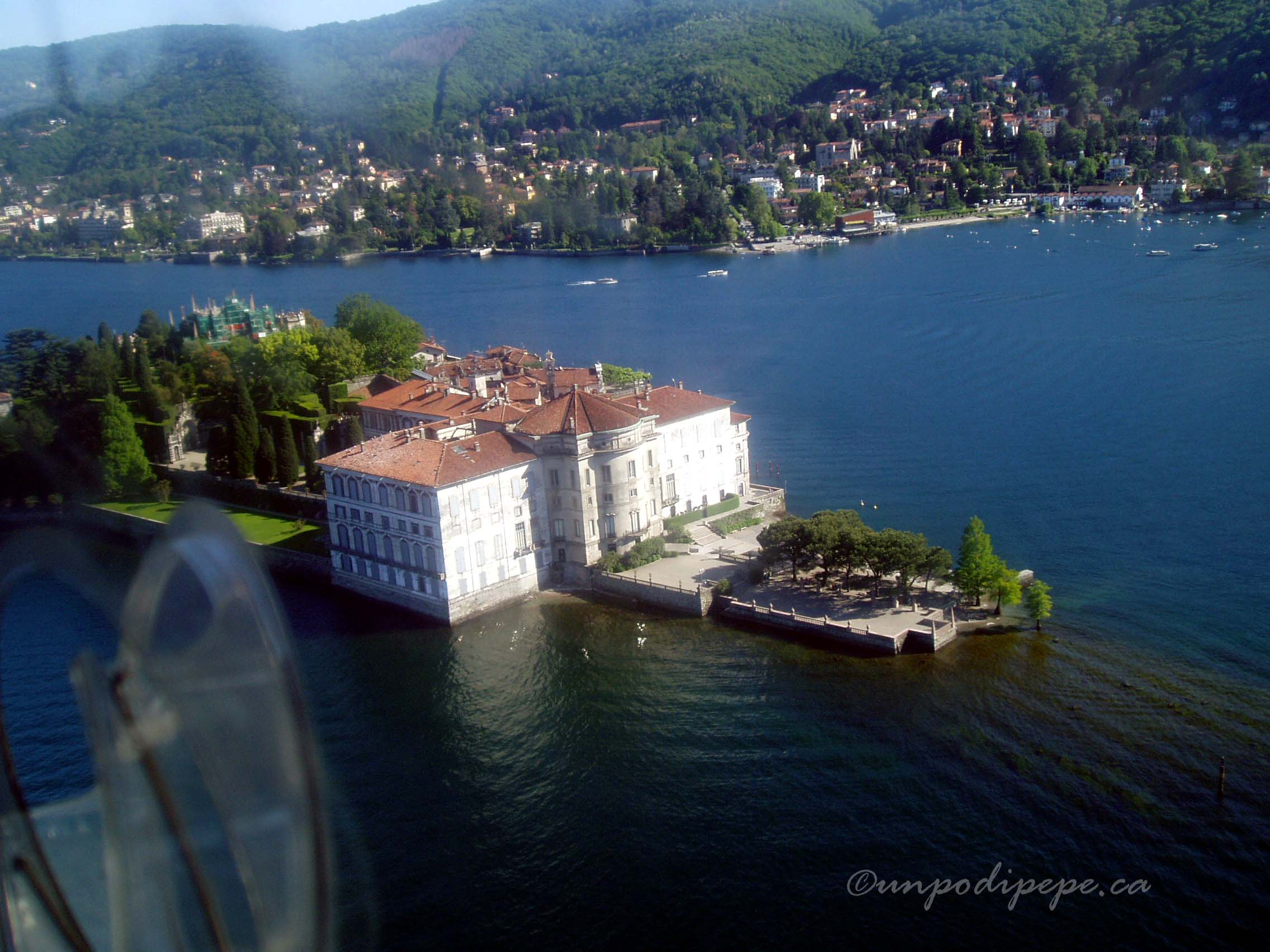
PS The photo was taken while flying over Stanley Park and downtown Vancouver

Share this:

  • Share on Facebook (Opens in new window) Facebook
  • Share on Pinterest (Opens in new window) Pinterest
  • Share on X (Opens in new window) X
  • Email a link to a friend (Opens in new window) Email
  • Share on WhatsApp (Opens in new window) WhatsApp
Like Loading...

Villa Jamele

21 Wednesday Jun 2017

Posted by Un po' di pepe in Amici e Famiglia, Italia, Orsara di Puglia, Photography, Puglia

≈ 9 Comments

Tags

Dalla terra alla tavola, Orsara di Puglia, Peppe Zullo, Southern Italy, Villa Jamele

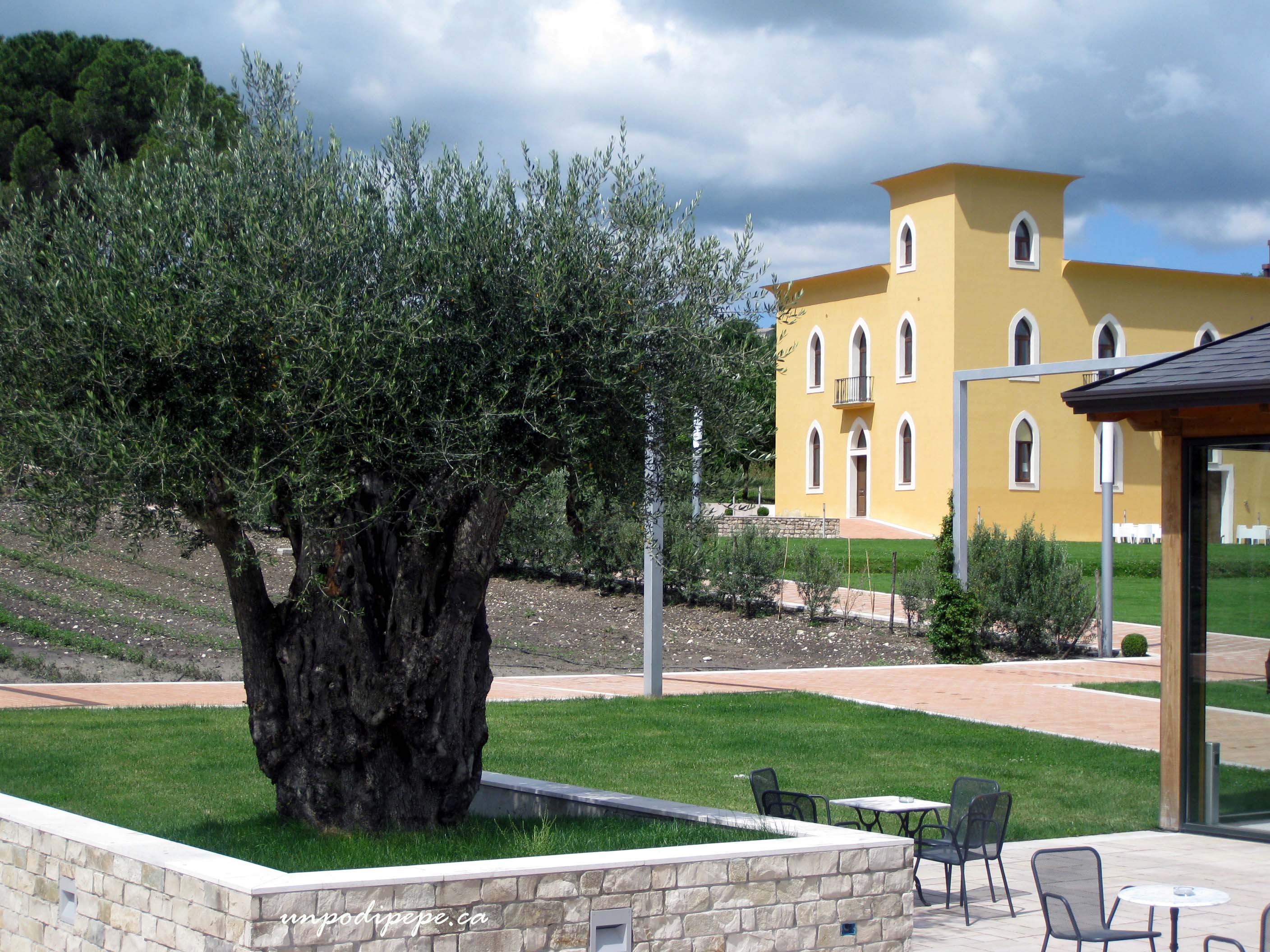
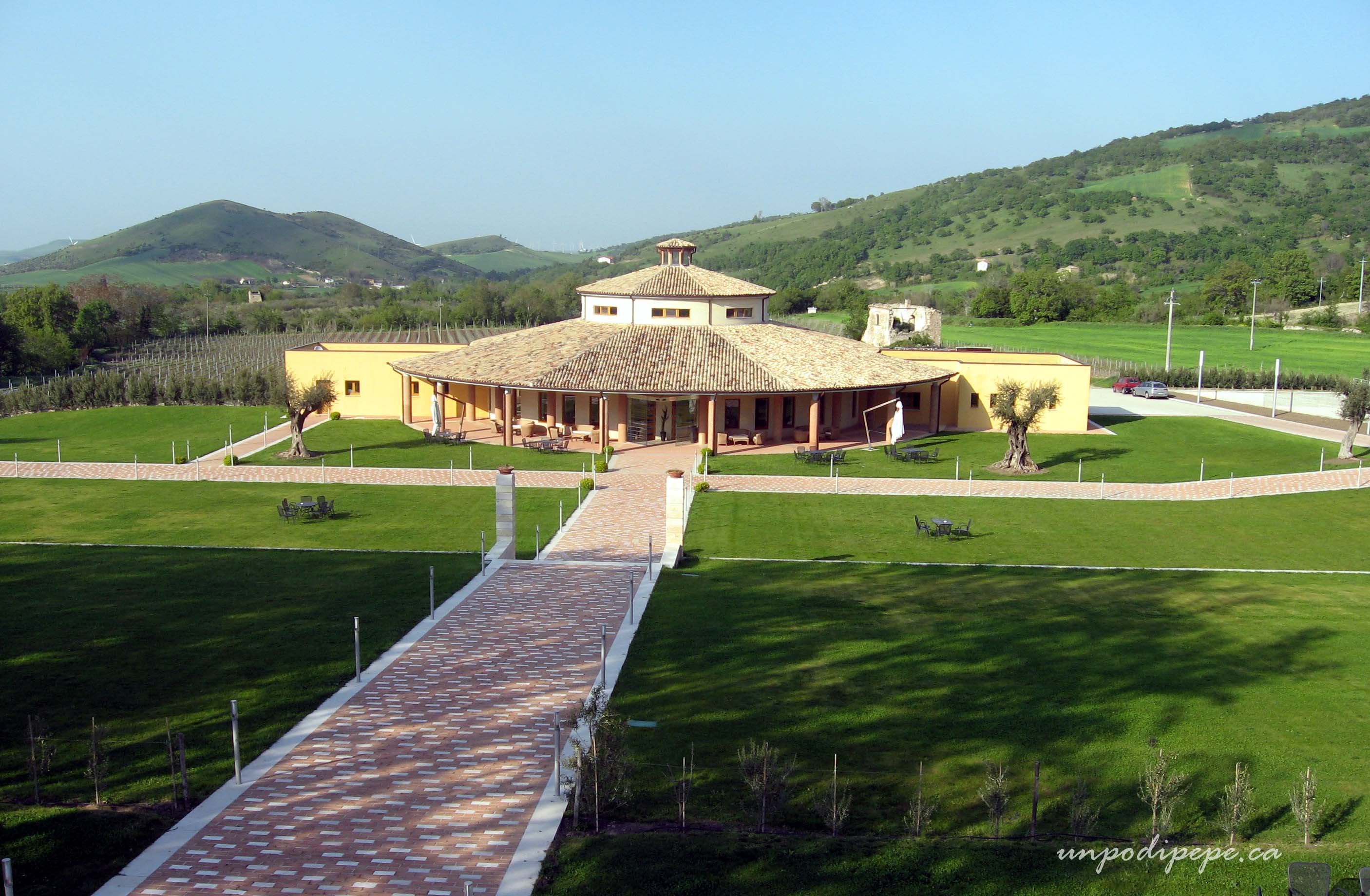
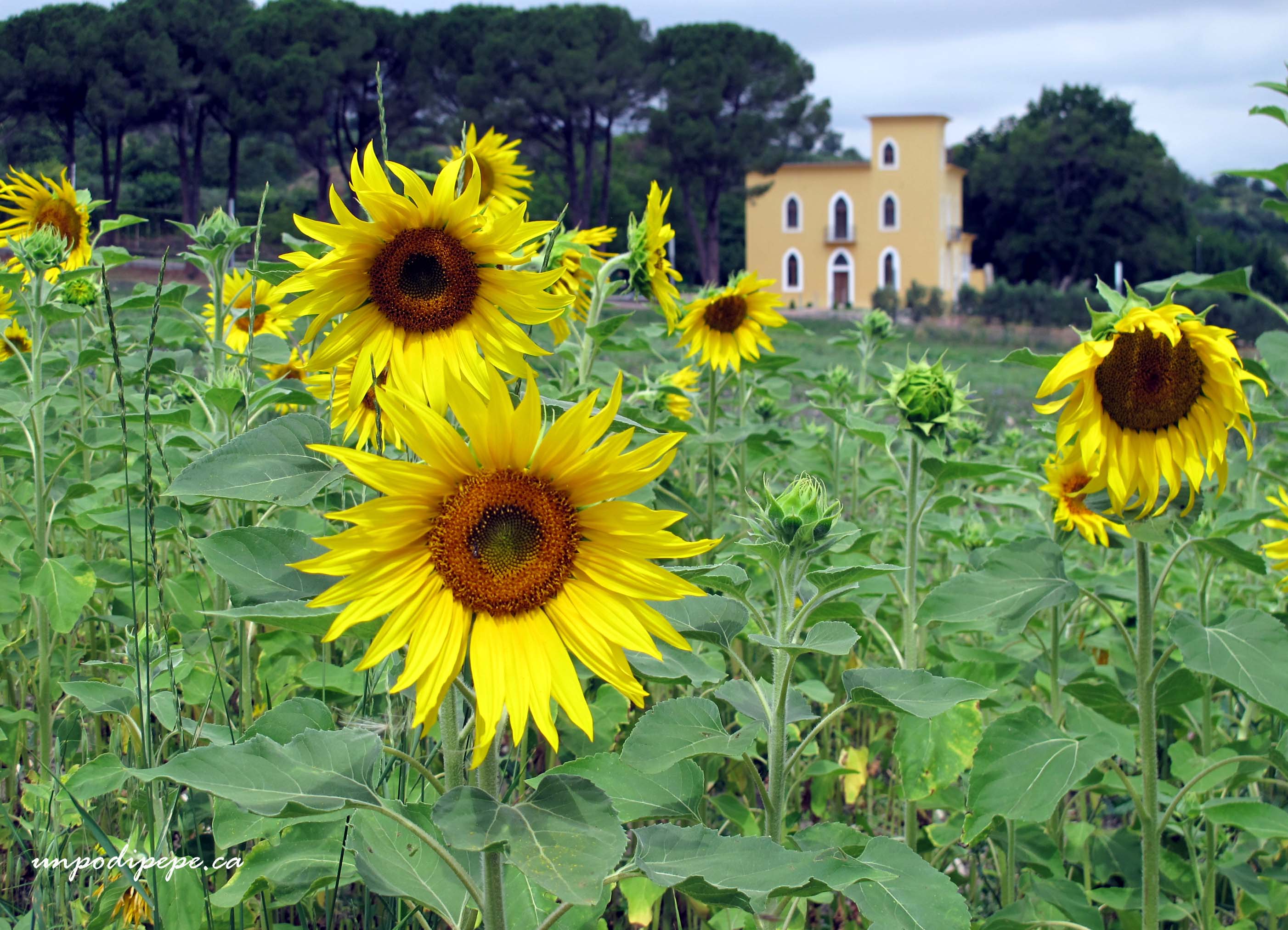
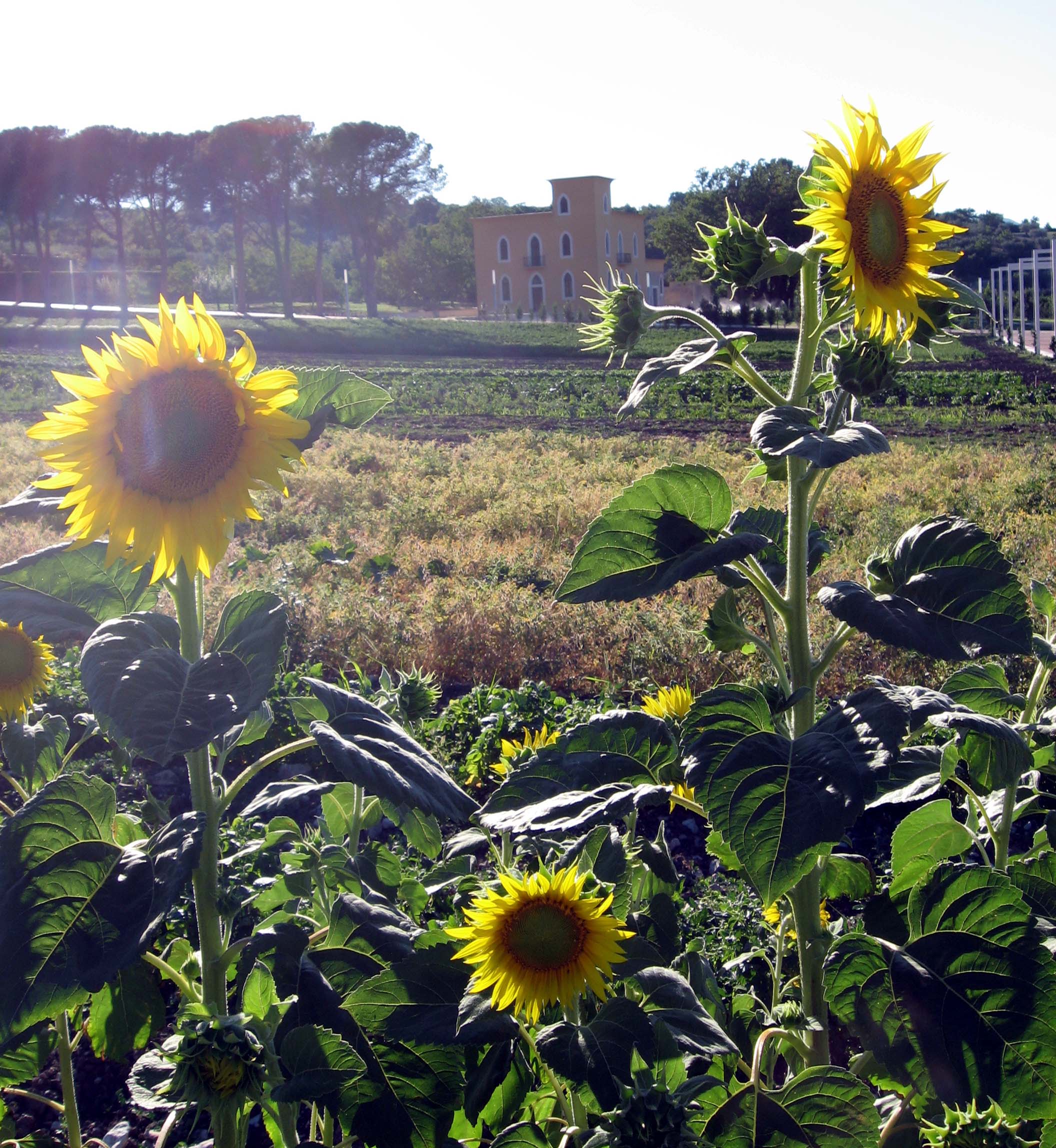
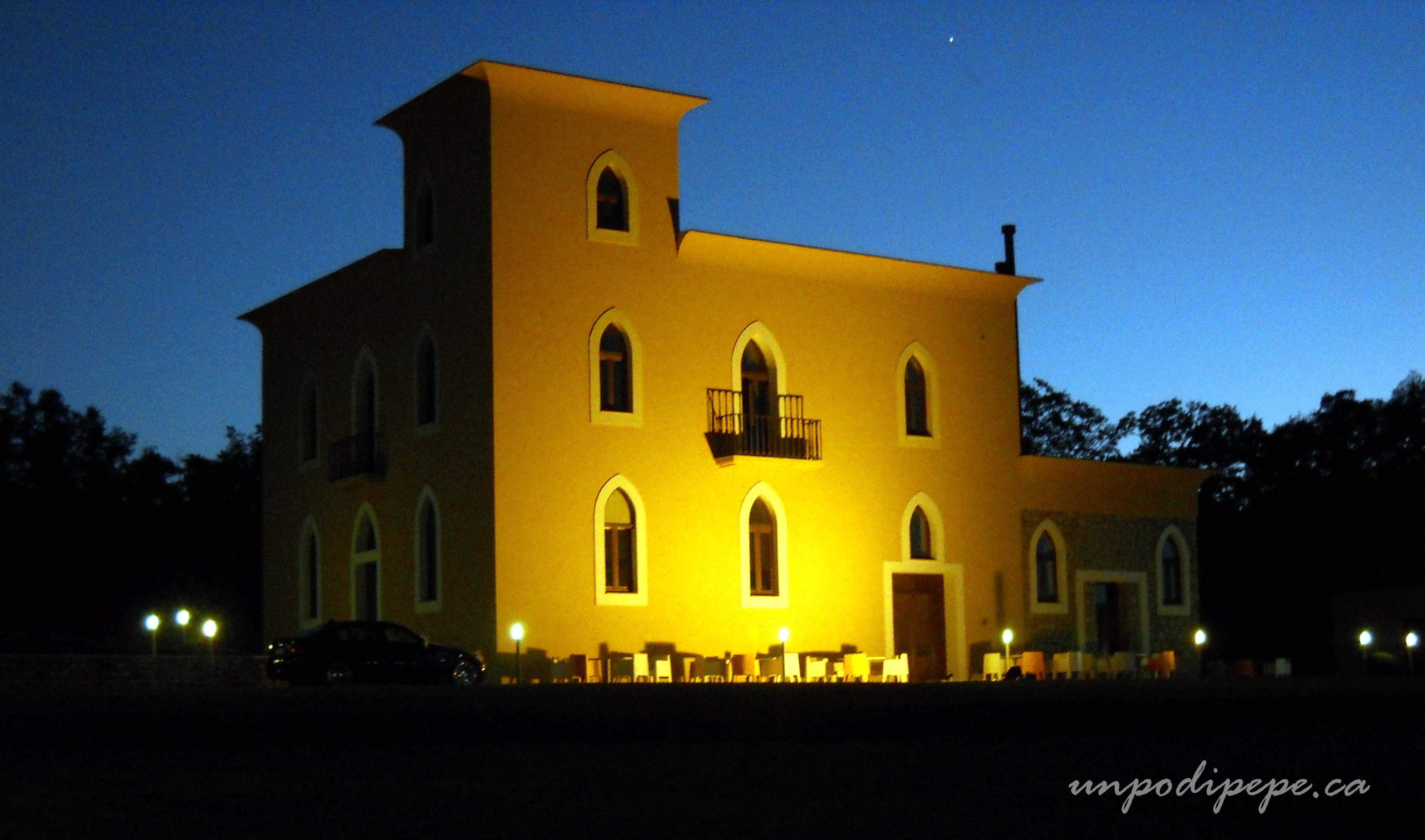
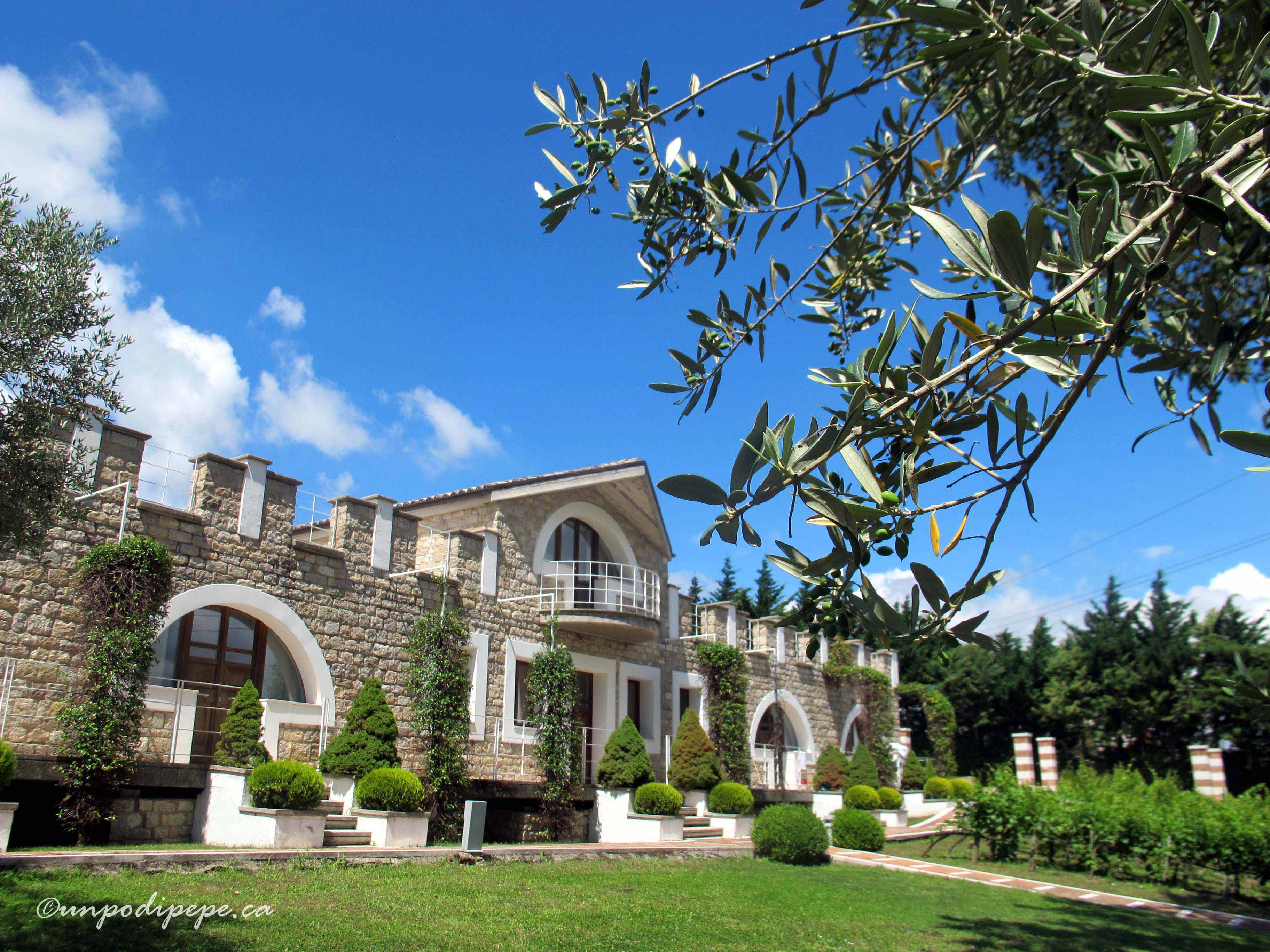
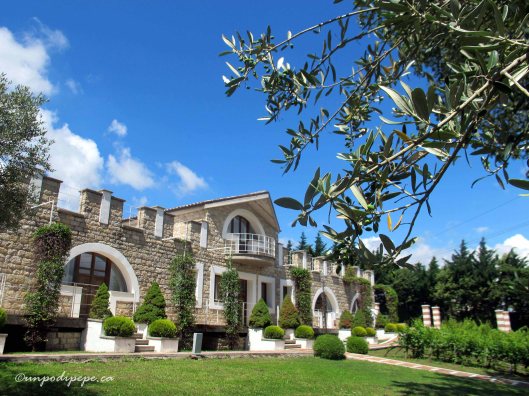
Villa Jamele (ya·MEH·leh) was mentioned in my post Peppe Zullo~Il Cuoco Contadino. Peppe’s 180,000 m² azienda agricola (agricultural estate) includes this second location acquired in 2004.  Villa Jamele is a few km down the road from Orsara di Puglia, towards Troia.  The property takes its name from the historic 1700’s villa of Hector Jamele, which has been reconstructed and is now home to an international cooking school and 5 guest rooms on the upper floor.

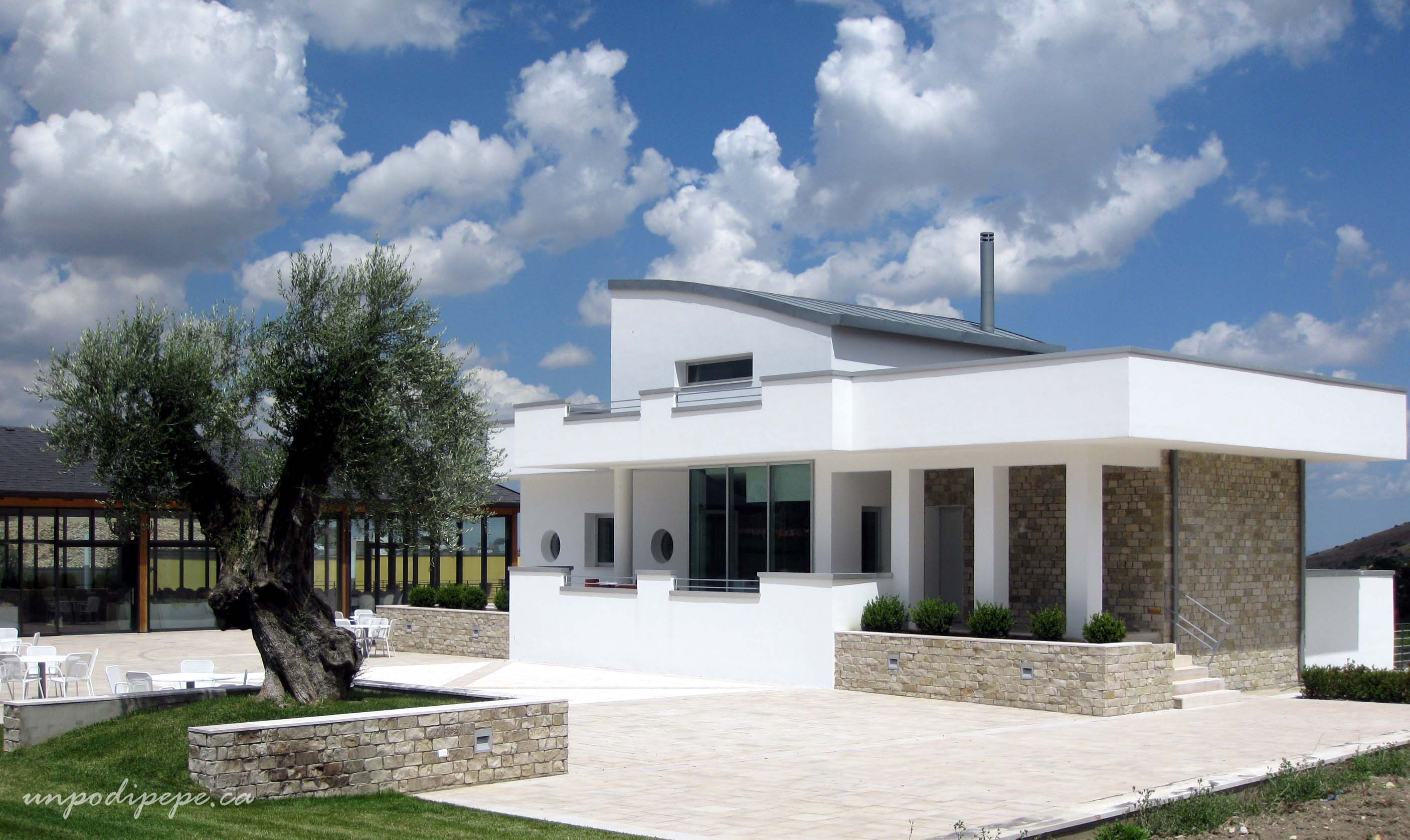
Sala Guadalajara is a large circular reception hall.  There is also a glass reception room, Sala Veracruz.  The photo below was taken from the roof terrace of Villa Jamele.

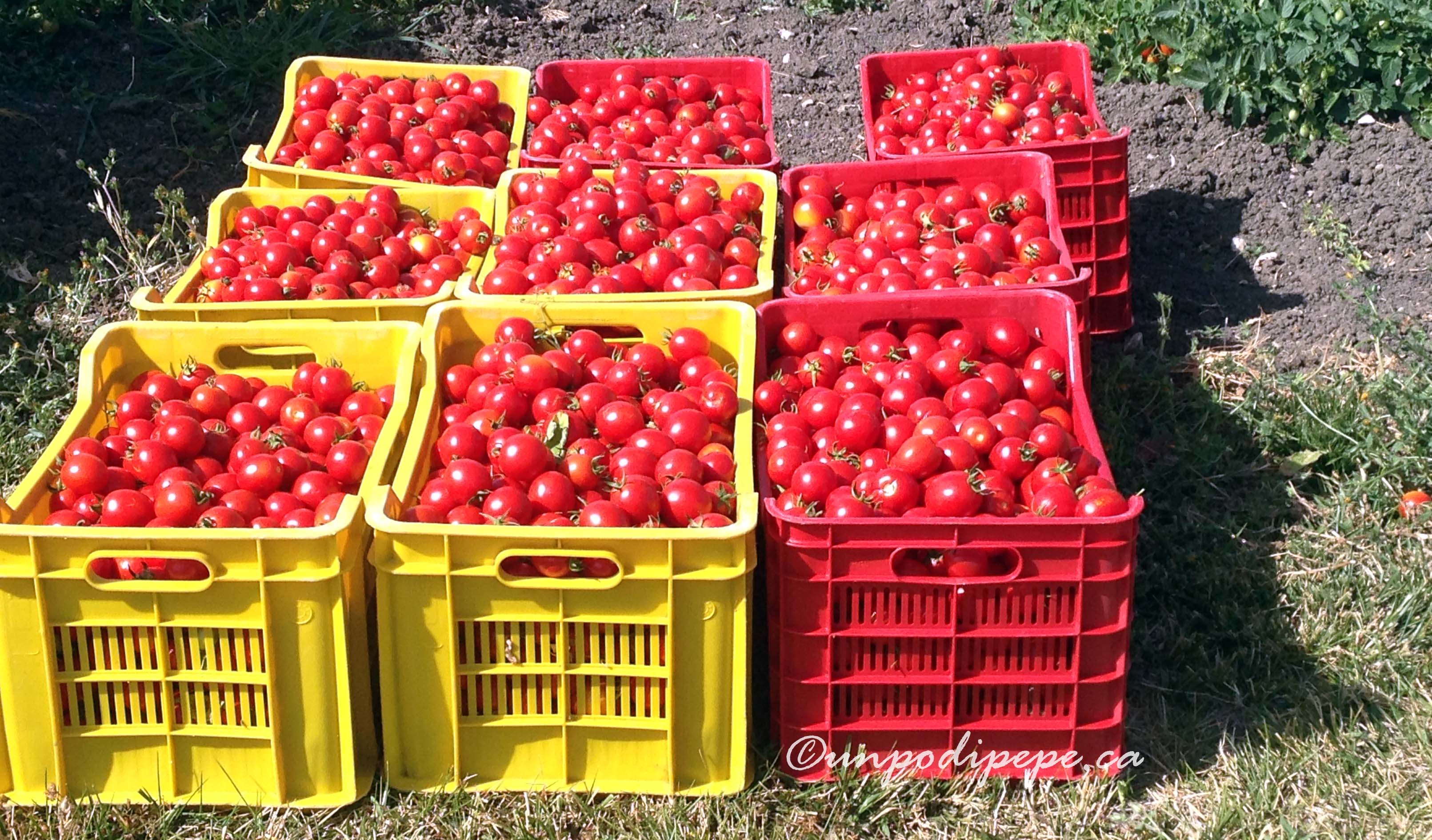
Dalla terra alla tavola is the philosophy at Villa Jamele.  This translates to ‘Field to table’. Food does not get any fresher. In addition to producing wine and olive oil, Peppe Zullo grows most of his own vegetables here at Villa Jamele, including pomodori which are canned on site in August. 

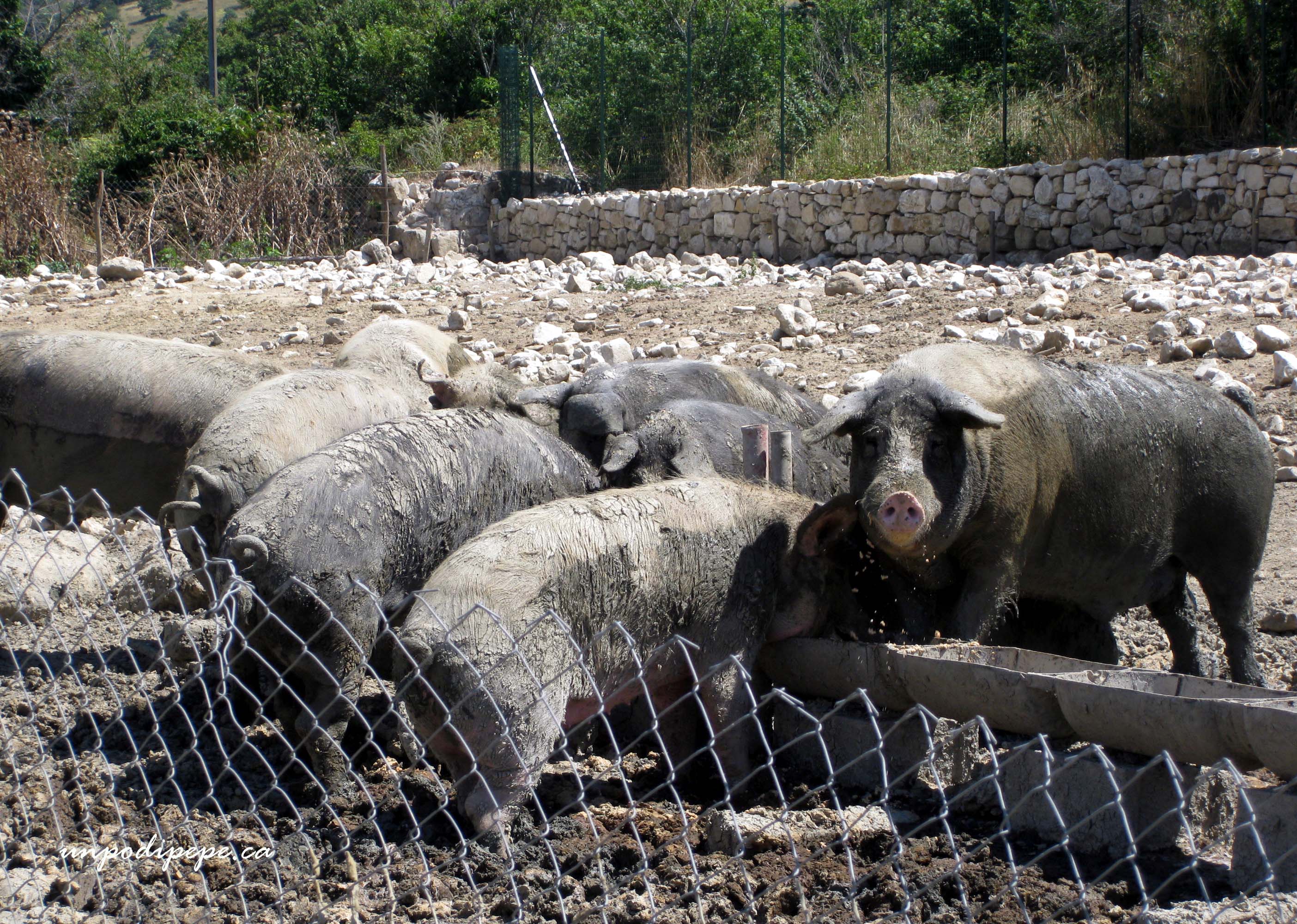
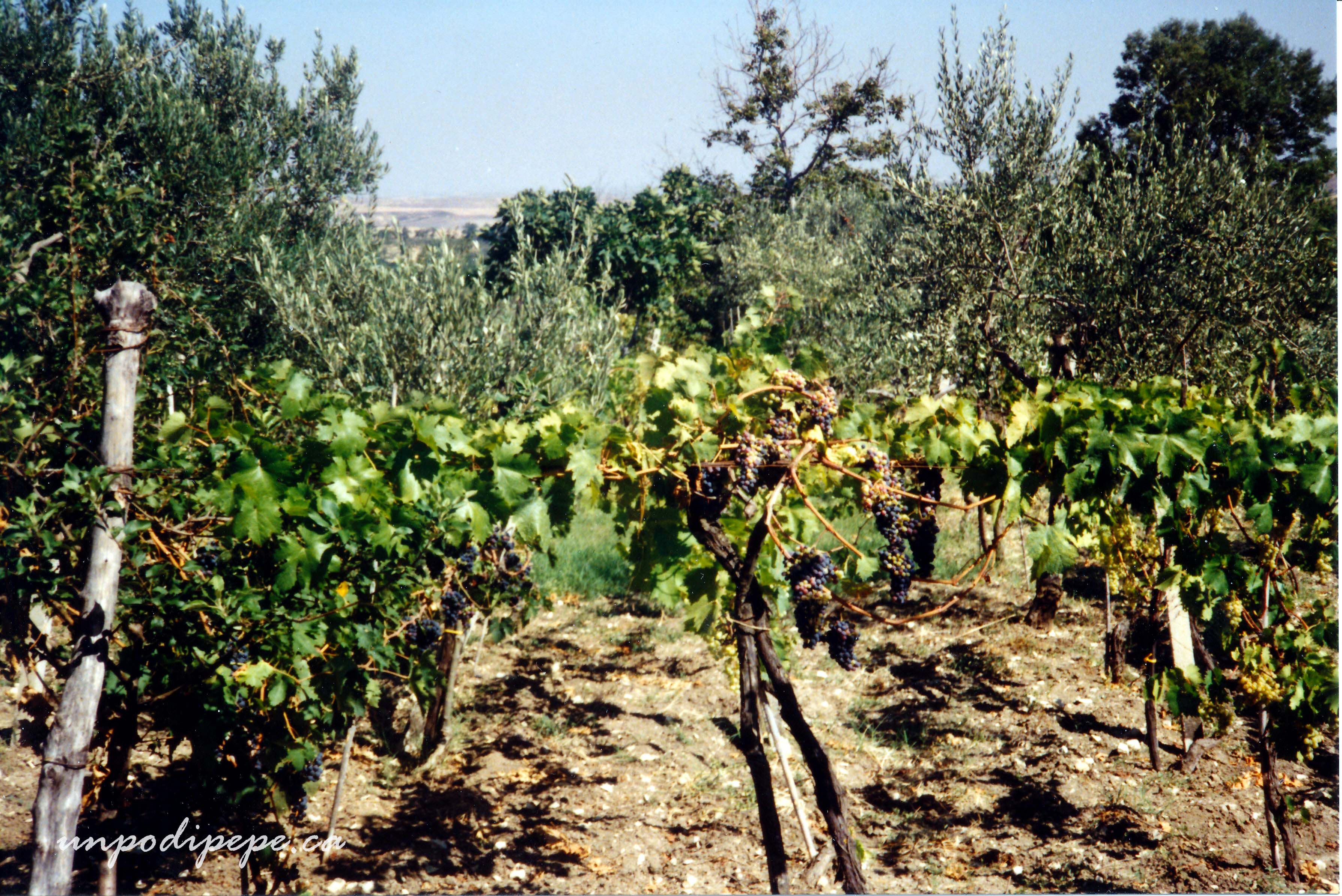
Il Bosco dei Sapori Perduti is a biodiverse orchard which includes over 50 varieties of fruit trees and herbs.  Peppe uses local, traditional products in his cooking, including wild greens and herbs such as boragine (borage), marasciuolo –a type of wild rucola found in Puglia, fiori di zucca, and wild asparagus. Behind Sala Guadalajara, past a reconstructed stone archway is a large vineyard where grapes for Peppe’s vini, Ursaria and Aliuva are grown.  Read more about them in this post.Also on the grounds is a pond and various animals, including ducks, geese, a donkey and one muddy but very photogenic maiale nero and his famiglia.

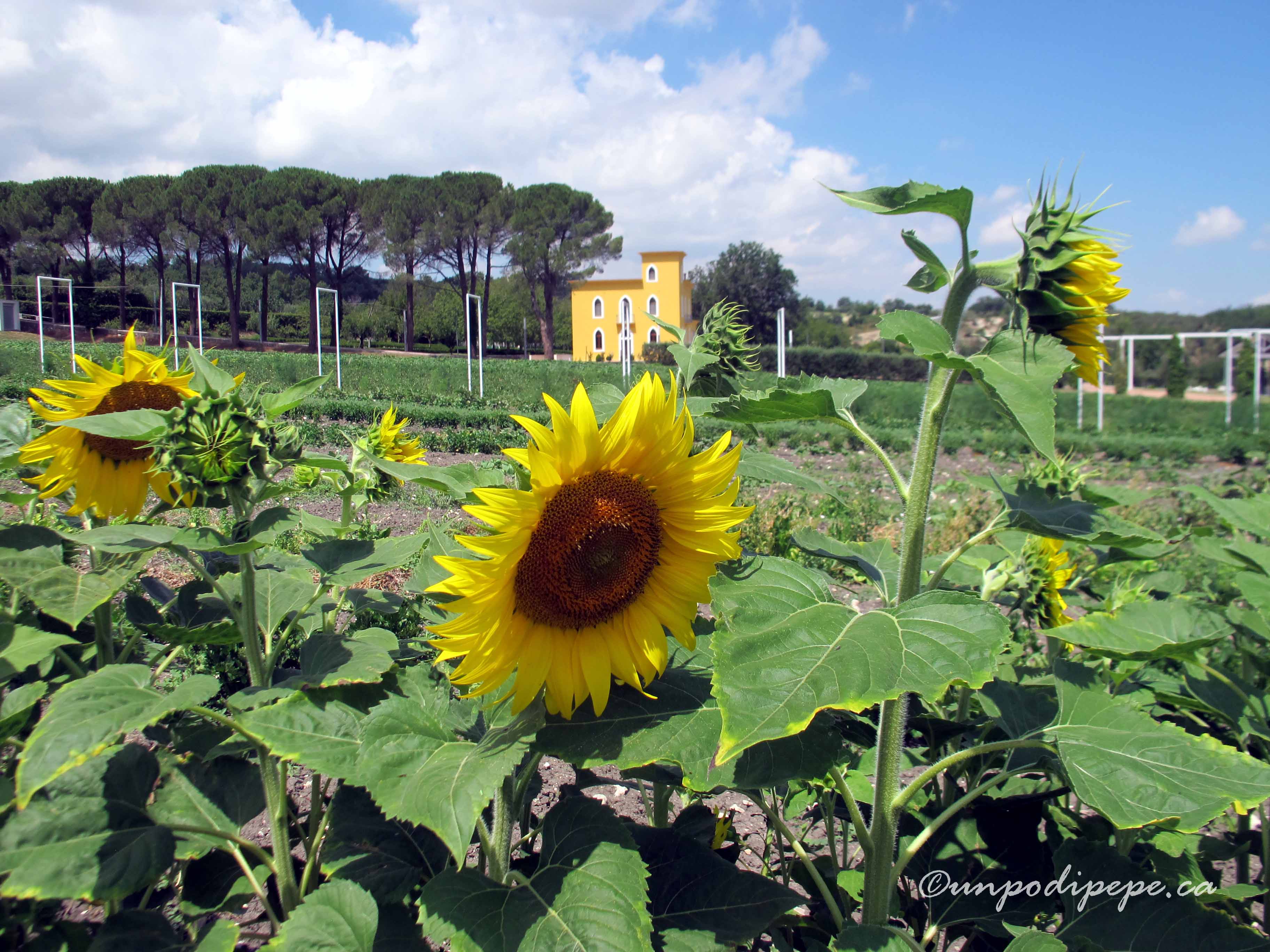
The Villa Jamele site is a tranquil oasis of green, dotted with ancient olive trees. My favourite area of Villa Jamele is the campo dei girasoli-a field of sunflowers blooming every July. 

La Scuola Internazionale di Cucina at Villa Jamele is open from September to November and February to April.  Classes can be organized for 8-16 participants. To book an event, suite, destination wedding , or make a reservation at Ristorante Peppe Zullo, call or email 39 0881 964763 info@peppezullo.it

Villa Jamele, Piano della Corte, Orsara di Puglia (FG) http://www.peppezullo.it

I hope you have enjoyed my favourite ‘scatti‘ of Villa Jamele! Ciao, Cristina

Share this:

  • Share on Facebook (Opens in new window) Facebook
  • Share on Pinterest (Opens in new window) Pinterest
  • Share on X (Opens in new window) X
  • Email a link to a friend (Opens in new window) Email
  • Share on WhatsApp (Opens in new window) WhatsApp
Like Loading...

Peppe Zullo~Il Cuoco-Contadino

28 Sunday May 2017

Posted by Un po' di pepe in Amici e Famiglia, Orsara di Puglia, Puglia, Vino

≈ 16 Comments

Tags

Italian food, Orsara di Puglia, Peppe Zullo, Pugliese Traditions, Southern Italy, Tuccanese, Wines of Puglia

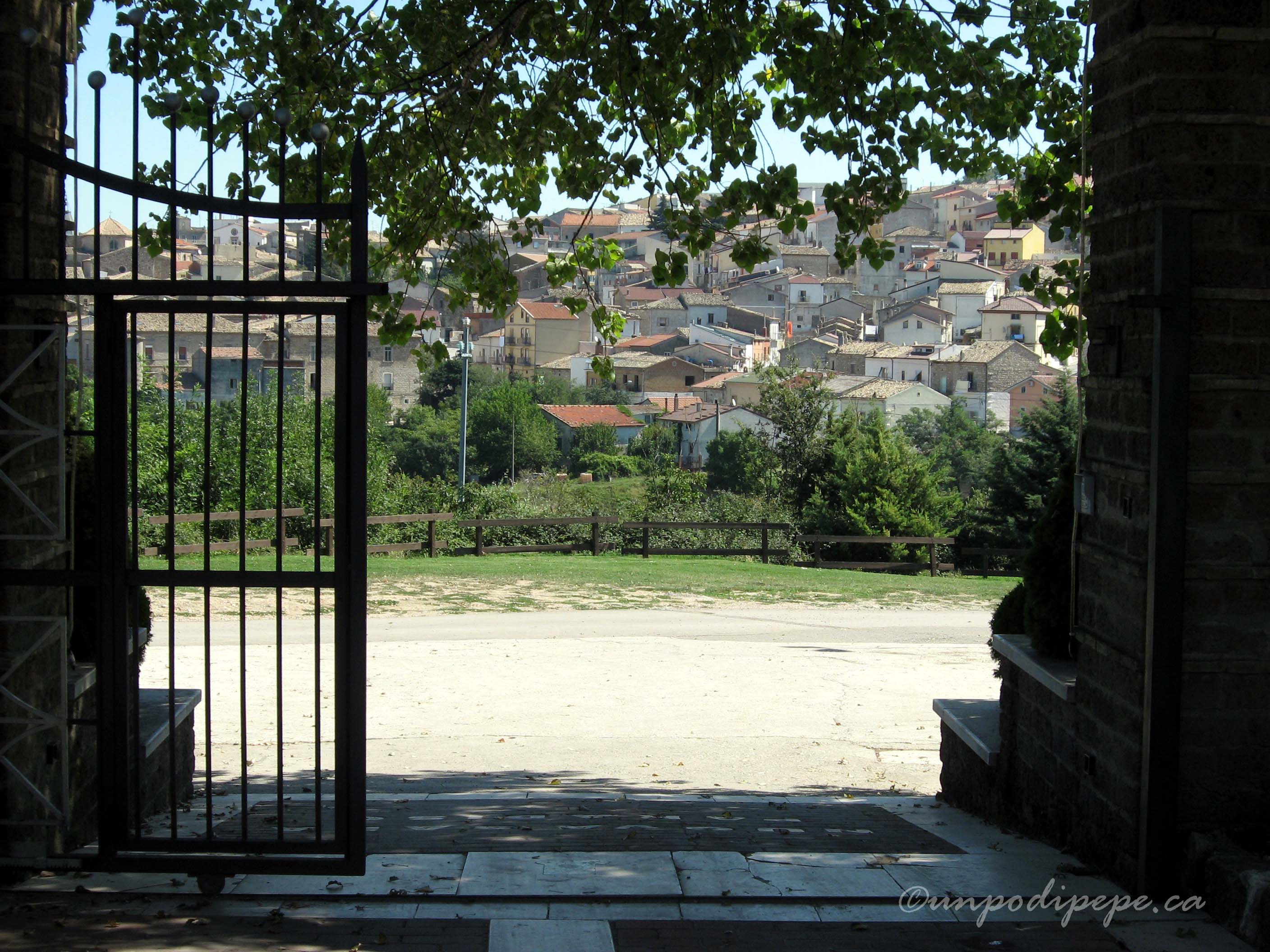
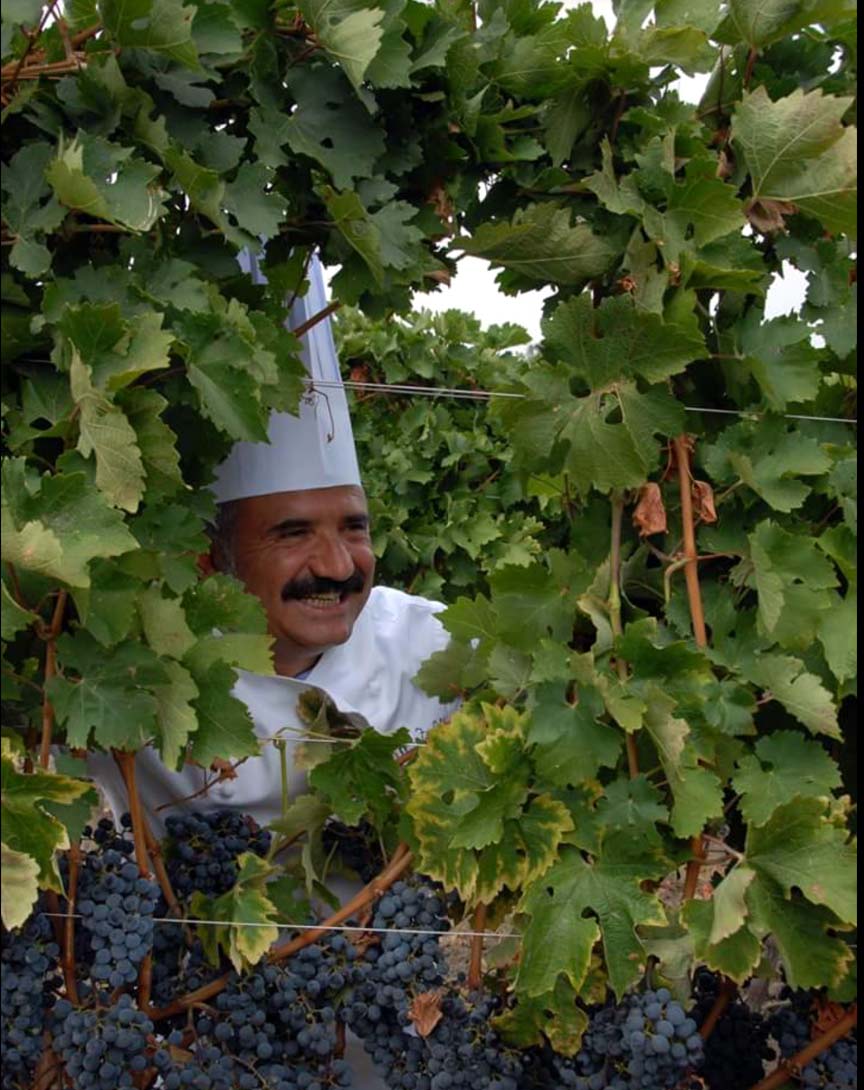
My amico Peppe Zullo is known as ‘Il Cuoco-Contadino’. At the age of 24, Peppe left Orsara di Puglia to work in Boston and Puerto Vallarta Mexico, where he opened a restaurant.  He moved back to Orsara and opened his ristorante in 1992 on his family land in the Piano Paradiso area.  Piano Paradiso is an idyllic setting facing Orsara di Puglia, with spectacular views.  Peppe greets visitors with the appropriate salutation ‘Benvenuti in Paradiso’.

Peppe Zullo nel vigneto. Photo Nicola Tramonte

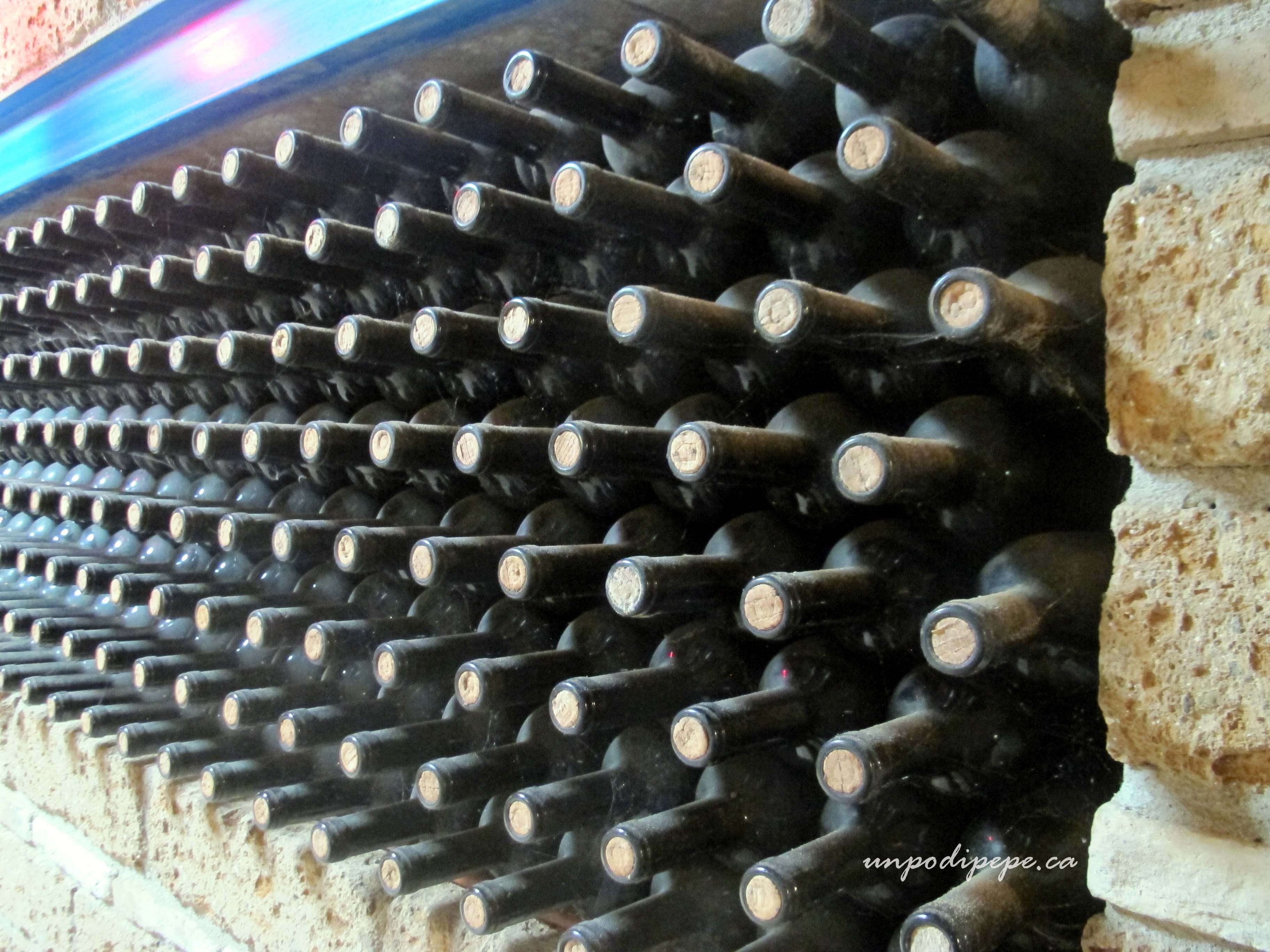
The Piano Paradiso site also includes a reception hall, Nuova Sala Paradiso and the award winning cantina. Peppe’s wine cellar La Cantina del Paradiso, designed by Nicola Tramonte was featured in the exhibit ‘Le Cattedrali del Vino’ at the Biennale di Venezia Archittetura in 2010. It is built into the side of a hill, with a vineyard on top! As Peppe likes to say, it’s the only cantina where you have to climb up stairs! This is the best place in town on a hot day! The cantina is built to resemble a subterranean small town with narrow streets and rooms. It also features colourful, whimsical original artwork by Leon Marino, an artist from Troia.
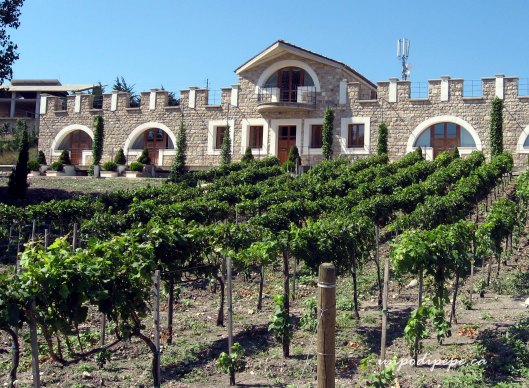

L’angelo contadino by Leon Marino

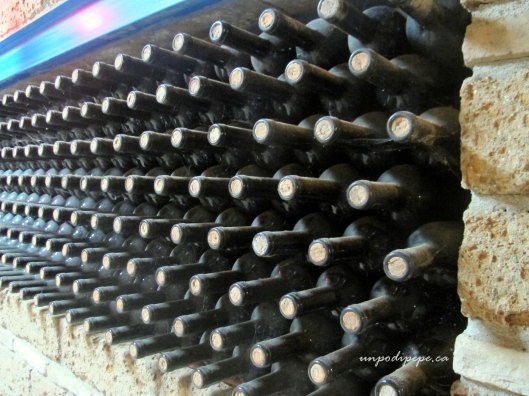
La Cantina is full of vino! Peppe Zullo produces about 25,000 bottles per year. His 2 wines are Aliuva and Ursaria. Aliuva is 80% Tuccanese 20% Uva di Troia (Nero di Troia) and Merlot.  Ursaria is 80% Tuccanese, 20% Uva di Troia and Cabernet, and is aged for 5 years in wood barrels. Peppe’s vino is served in his restaurant and event facilities and sold on site and at Peppe Zullo Point in Foggia. Read more in part 3 of my Vini di Puglia series- Il Tuccanese.
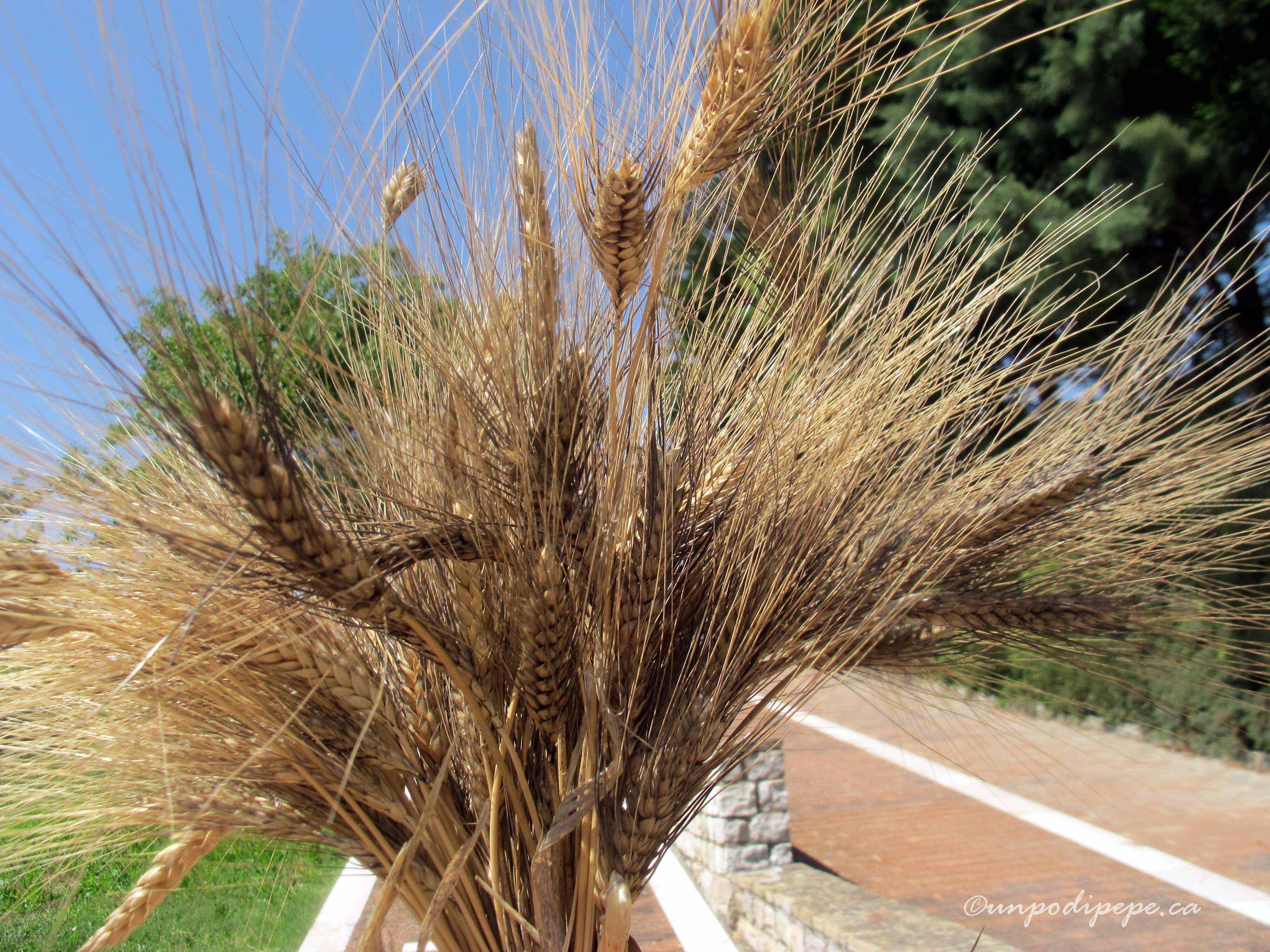
At the top of the hill, looking out over the vigna, are the Suites del Paradiso, 5 rental suites with a view of the rooftops of Orsara. Above the suites, at the top of the estate is a wheat field growing an ancient Pugliese strain called Senatore Cappelli.  We call it  ‘Strambell’ in Orsarese. Pale Eoliche, wind turbines belonging to Montaguto can be seen behind the field.  Also on site are Peppe’s home, offices, several places for outdoor receptions or enjoying the scenery and a fenced in area with fruit trees, sheep and horses.

Peppe’s 180,000 m² azienda agricola (agricultural estate) also includes a second location acquired in 2004.  Villa Jamele is a few km down the road towards Troia.  The reconstructed 1700’s villa is home to an international cooking school, with rooms on the upper floor. Villa Jamele is featured in the next post.

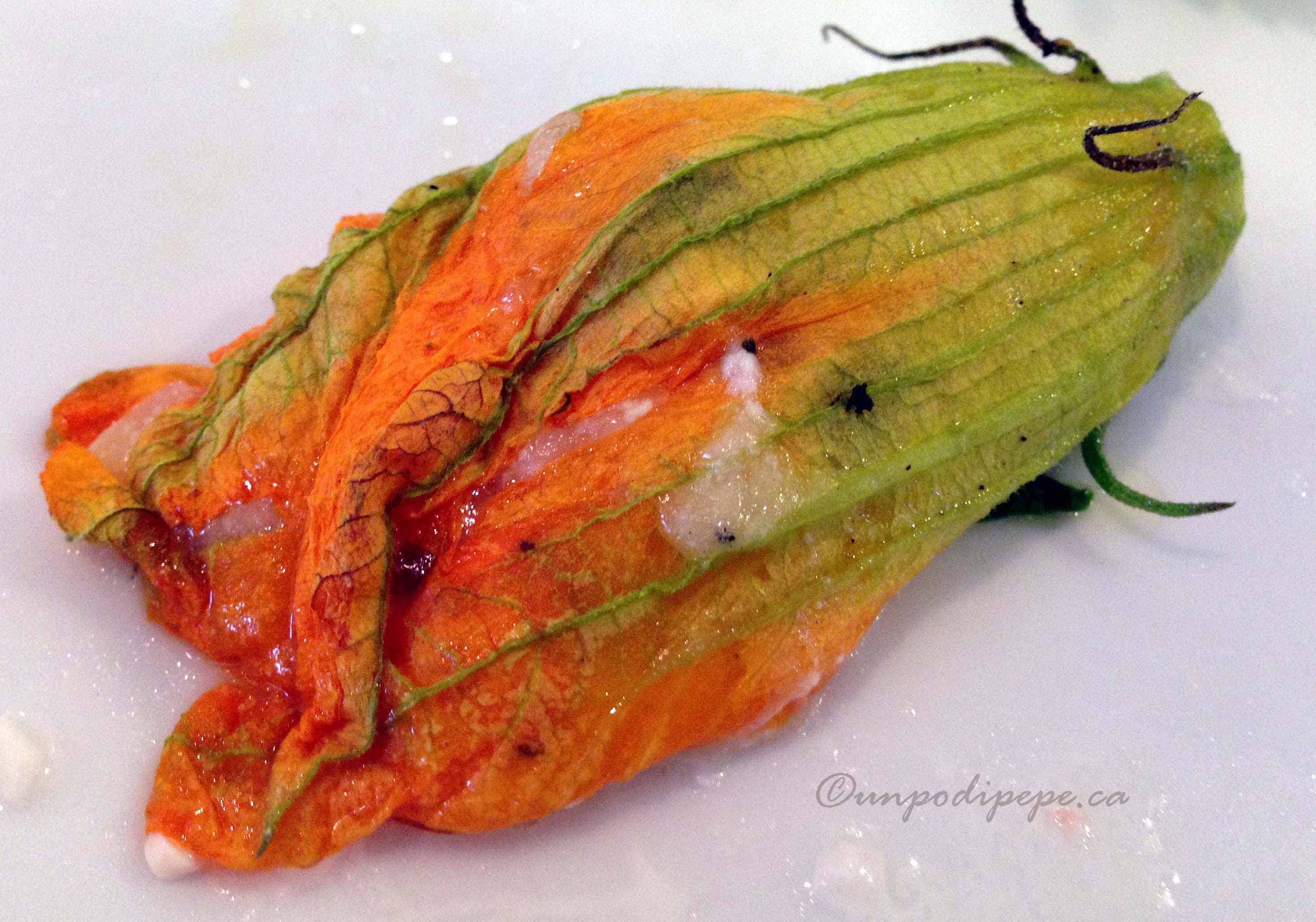
Dalla terra alla tavola or Cibo a km 0 is the philosophy here.  This translates to ‘Field to table’ or the ‘100 mile diet’. Food does not get any fresher. In addition to producing wine and olive oil, Peppe grows most of his own vegetables at Villa Jamele, including pomodori which are canned on site in August.  Il Bosco dei Sapori Perduti is a biodiverse orchard which includes over 50 varieties of fruit trees and herbs.  Peppe uses local, traditional products including wild greens and herbs such as boragine (borage), marasciuolo (a type of wild rucola found in Puglia), fiori di zucca, wild asparagus, Greek mint and Cacioricotta, a DOP goat cheese made only in Orsara. He makes bread and pasta with zucca and grano arso and also produces his own cheeses. One of Peppe favourite antipasti are ‘ostriche di montagne’ or ‘mountain oysters’.  These are lightly battered and fried foglie di Boragine – borage leaves. My favourite antipasto is fiori di zucca al forno ripieni di caciocavallo!
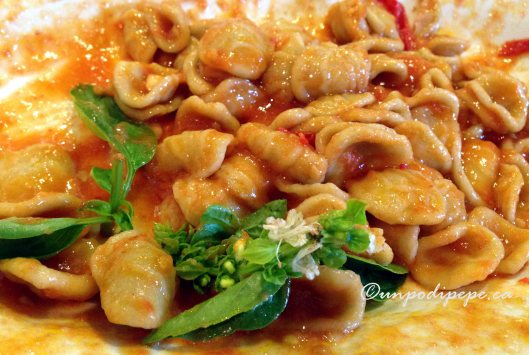
Orecchiette di grano arso al sugo, Ristorante Peppe Zullo Orsara di Puglia

Peppe is an ambassador for cucina povera and the gastronomic traditions of Puglia.  In the last few years, he has made frequent television appearances on RAI’s Uno Mattina and Geo & Geo. Check them ou on his Youtube channel. Appuntamento con la Daunia, a 2 day event celebrating local cuisine and products is held at Villa Jamele every year, the second week in October. I receive an invitation every year but have not been able to attend…yet.
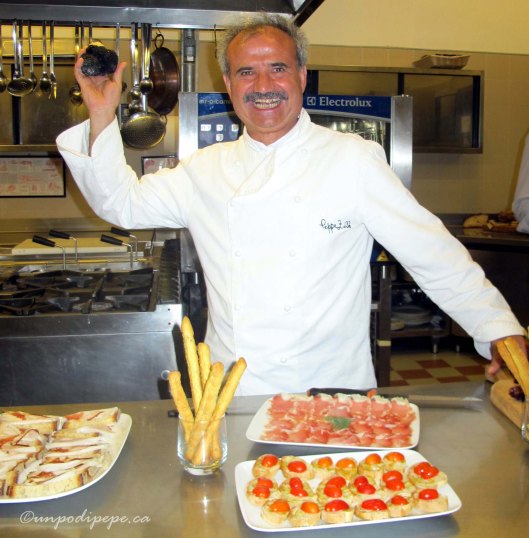
Peppe was the chef representing Puglia for the month of May at Expo 2015 in Milano. They served a lot of orecchiette di grano arso!  That same year, along with another Pugliese chef, he catered an Indian wedding for 1,000 guests in Borgo Egnazio, near Ostuni. In 2016 he catered the 80th birthday party for Lino Banfi-who plays the adorable Nonno on RAI’s ‘Un Medico in Famiglia’.

Peppe Zullo & Lino Banfi

Ristorante Peppe Zullo is open daily for pranzo, the mid-day meal. They are not open in the evening.  Afterwards, visit the cantina, vigneto or take a short passeggiata to Orsara.  La Scuola di Cucina at Villa Jamele is open from September to November and February to April.  Classes are 5 hours per day 6 days a week and can be organized for 8-16 participants. To make a reservation at Ristorante Peppe Zullo, book a suite, cooking class or destination wedding, call or email 39 0881 964763  info@peppezullo.it

Via Piano Paradiso, Orsara di Puglia FG www.peppezullo.it

Peppe is on Facebook, Instagram(@peppezullo), Twitter(@peppezullo2), and Youtube
Stay tuned for posts on Villa Jamele and La Cantina del Paradiso.  Ciao, Cristina
Share this:

  • Share on Facebook (Opens in new window) Facebook
  • Share on Pinterest (Opens in new window) Pinterest
  • Share on X (Opens in new window) X
  • Email a link to a friend (Opens in new window) Email
  • Share on WhatsApp (Opens in new window) WhatsApp
Like Loading...

Italian Street Food Cookbook

05 Saturday Nov 2016

Posted by Un po' di pepe in Amici e Famiglia, Culture, Libri, Mangiamo!

≈ 24 Comments

Tags

Italian food, Italian Street Food Cookbook, Paola Bacchia

Italian Street Food by Paola BacchiaItalian Street Food: Recipes from Italy’s Bars and Hidden Laneways is finally available, and I just received my copy!  Some of you may remember in February I had the pleasure of being a ‘recipe tester’ for Paola Bacchia of Italy on my Mind for this book. I tested the recipe for Fiadoni Abbruzzesi which were squisito.  I have made them several times now and can’t wait to try more of the recipes.Fiadoni Abruzzesi
A country’s street food is usually reflective of its ‘real’ food…what people actually eat.  Paola draws on her own experiences growing up in an Italian family, and also her frequent ‘on site’ experiences travelling the back streets of Italian cities.  Many of the recipes are similar to things I grew up eating too.  Besides the yummy and genuine recipes, the book is visually stunning.  Most of the photos were taken by Paola.  The cover is not a teaser-the inside is just as beautiful.  Each recipe also comes with a story about the history of the food and Paola’s personal experience with where she tasted it. I know some of you are drooling and jealous reading this, but you can order your own copy from Amazon.

Paola is Italoaustraliana, living in Melbourne and her roots are in the Veneto and Istria.  She teaches cooking classes in Melbourne and is a guest instructor at the  Anna Tasca Lanza Cooking School in Sicilia.  Her blog was voted best food blog twice in the ITALY magazine blog awards.  Cool fact-Paola was also a contestant on Masterchef Australia! Buon Appetito, Cristina

Share this:

  • Share on Facebook (Opens in new window) Facebook
  • Share on Pinterest (Opens in new window) Pinterest
  • Share on X (Opens in new window) X
  • Email a link to a friend (Opens in new window) Email
  • Share on WhatsApp (Opens in new window) WhatsApp
Like Loading...

Vini di Puglia Part 3~Il Tuccanese

25 Saturday Jun 2016

Posted by Un po' di pepe in Amici e Famiglia, Feste, Italia, Orsara di Puglia, Puglia, Vino

≈ 21 Comments

Tags

Festa del Vino Orsara di Puglia, Leonardo Guidacci, Peppe Zullo, Pugliese Traditions, Traditional Festivals in Puglia, Tuccanese, Wines of Puglia

iltuccaneseguidacci

Tuccanese (too∙can∙NEH∙seh) is a rare grapevine grown almost exclusively in and around Orsara di Puglia, Provincia di Foggia. It was previously thought to be a clone of Sicilian Perricone brought to Orsara by a Sicilian noble family or that it was a clone of Piedirosso.  A 2008 Italian DNA study found a close genetic relationship between Sangiovese, the well-known ‘Chianti’ grape and 10 other grapes including Tuccanese. Sangiovese has many ‘strains’ but the grapes and resulting wine are very different. The name Tuccanese is probably a corruption of ‘Toscanese’ or ‘Tuscanese’ meaning ‘from Toscana’.  Tuccanese may have been brought from Toscana by the Majorca-Strozzi family from Firenze, who held a duchy near Avellino in the 1600’s. Small pockets of Tuccanese grapes grown for private family use are also found in Campania, in Calitri, Montecalvo Irpino and Bagnoli Irpino, the farthest being 80 km from Orsara.

Vigneto Tuccanese. Photo Leonardo Guidacci

Vigneto Tuccanese. Photo Leonardo Guidacci

Tuccanese was in danger of extinction but attention to local viniculture in the last 20 years has resurrected it.  Now Tuccanese is an example of Artigianato vitivinicolo-artisan winemaking. The vines do well at Orsara’s 650m altitude and the high calcium and clay content of the soil.  Tuccanese grapes are very resistant to environmental conditions, immune to illnesses, and mature late- in the first 2 weeks of October.  Wines made with Tuccanese are a dark ruby red, dry, tannic and full bodied with a high alcohol content. They have notes of berry, plum, licorice and pepper. Tuccanese is definitely ‘un vitigno locale’, as it is really known only in and around Orsara, where several families grow it for their own table wine.  Really good table wine. My Bisnonno grew Tuccanese on his land at La Cupa, although the vines are no longer there.  Now the land has 81 beautiful olive trees.

Vigneto, La Cupa 1994

Vigneto, La Cupa 1994

BottiglieCantinaParadiso

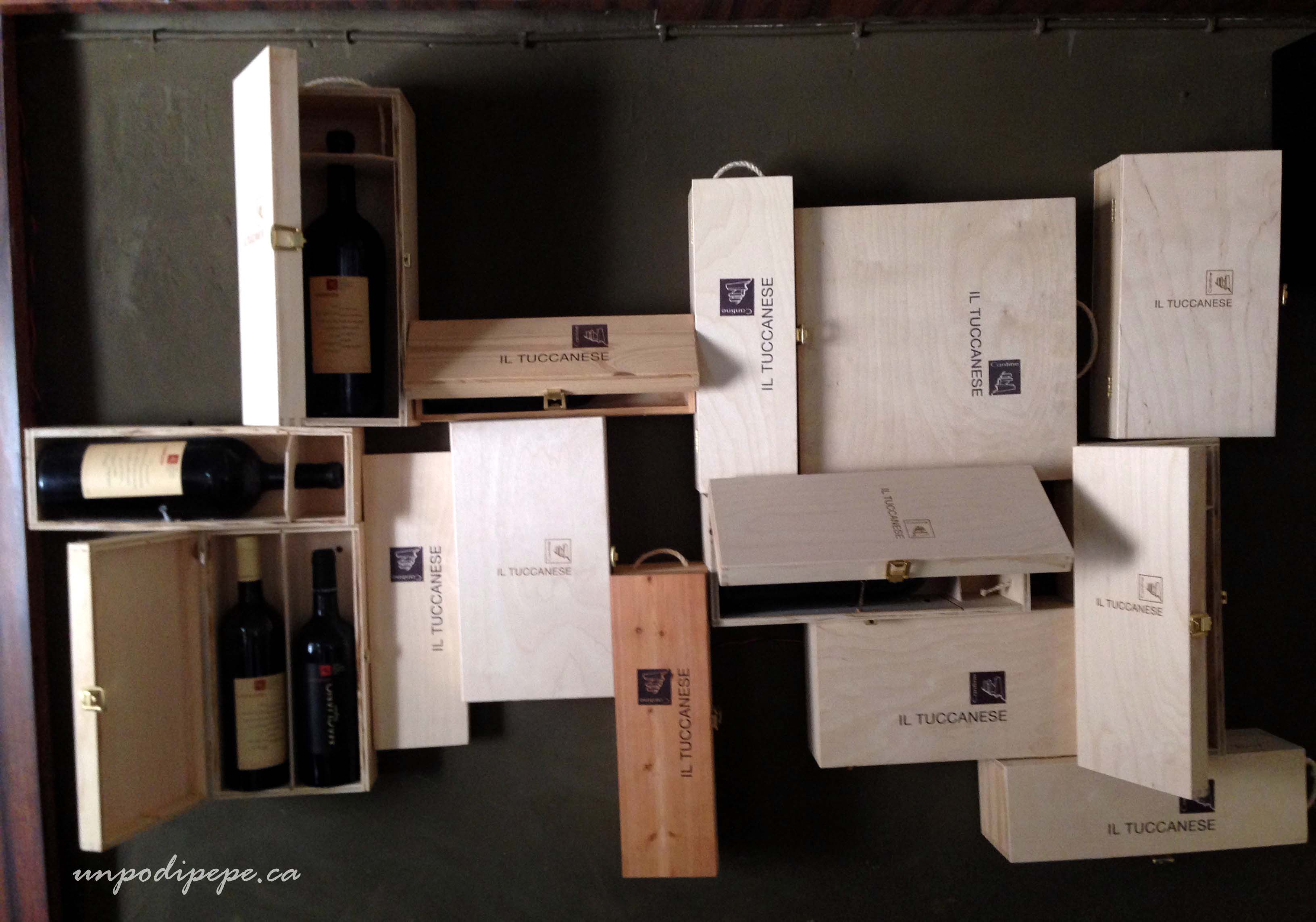
Tuccanese has not yet been discovered by the world, but there are 2 commercial producers, both in Orsara di Puglia. One is my amico, il cuoco-contadino Peppe Zullo and the other is my neighbour, architect Leonardo Guidacci! You won’t find these bottles at your local liquor store!

Peppe Zullo nel vigneto. Photo Nicola Tramonte

Peppe Zullo nel vigneto. Photo Nicola Tramonte

Peppe Zullo produces 20-25,000 bottles per year. His 2 wines are Ursaria and Aliuva. Aliuva is 80% Tuccanese 20% Uva di Troia (Nero di Troia) and Merlot.  Ursaria is 80% Tuccanese, 20% Uva di Troia and Cabernet, and is aged for 5 years in wood barrels. Peppe’s vino is used in his restaurant and event facilities and the rest sold on site. Peppe’s wine cellar La Cantina del Paradiso, designed by Nicola Tramonte was featured in the architectural exhibit ‘Le Cattedrali del Vino’ at the Biennale di Venezia in 2010. It is built into the side of a hill, with a vineyard on top! As he likes to say it’s the only cantina where you have to climb up stairs! Stay tuned for a post about the cantina.Vignetodelparadiso

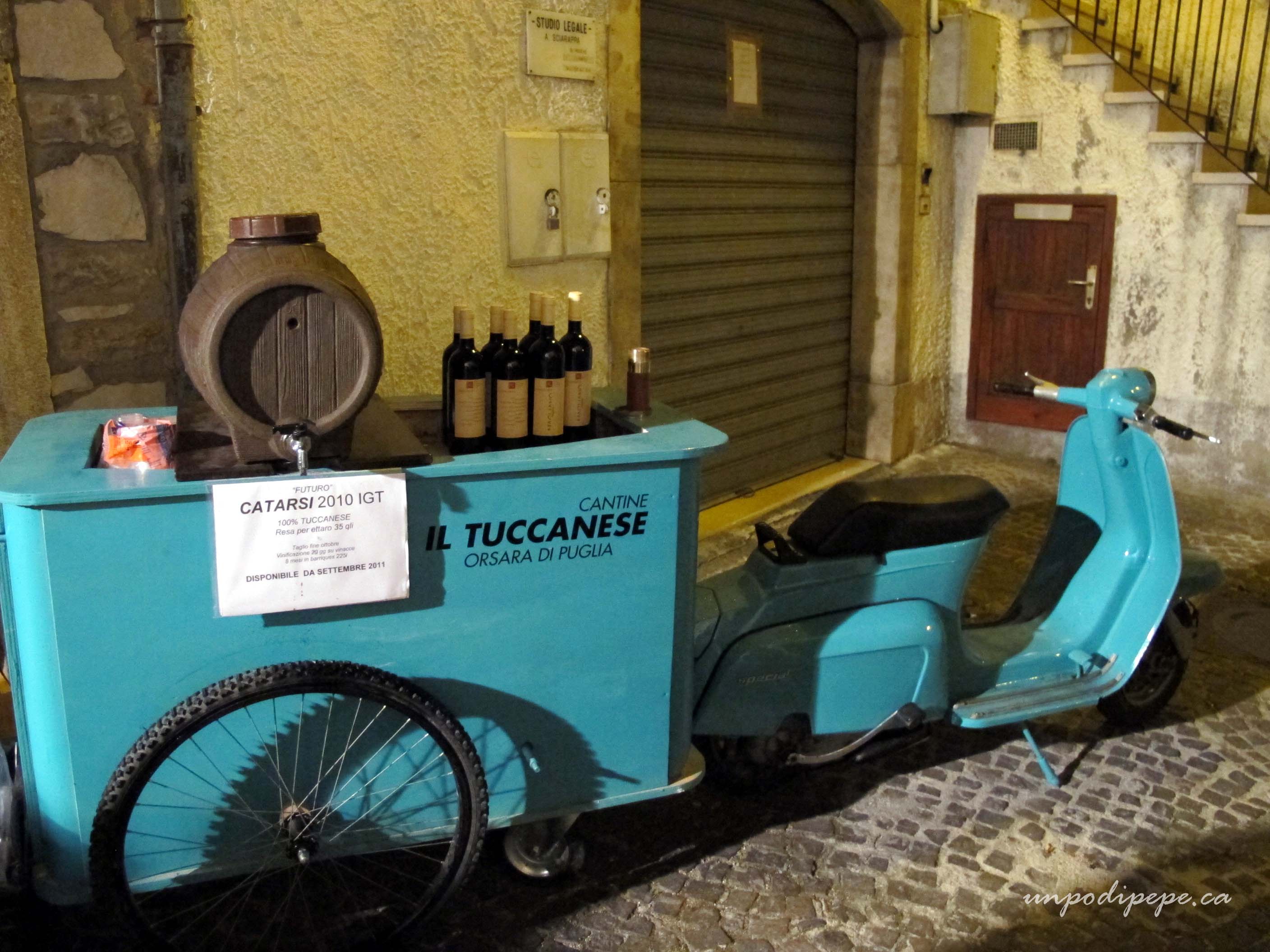
Leonardo Guidacci has been making wine since 1997. His cantina called ‘Il Tuccanese’ after the grape, produces 5,000 bottles per year. Leonardo’s 2 wines are Magliano and Sannoro. Magliano is 100% Tuccanese. It is named after the Contrada (district) of Magliano, where the grapes are grown. Sannoro is 80% Tuccanese 20% Aglianico. His showroom/tasting room/architectural office is in Piazza Municipio, around the corner from my house. You can go for wine tasting and also discuss plans for home renovation!

'Architettura e Vino', Leonardo Guidacci's showroom and studio in Piazza Municipio.

‘Architettura e Vino’, Leonardo Guidacci’s showroom and studio in Piazza Municipio.

iltuccaneseshowroom

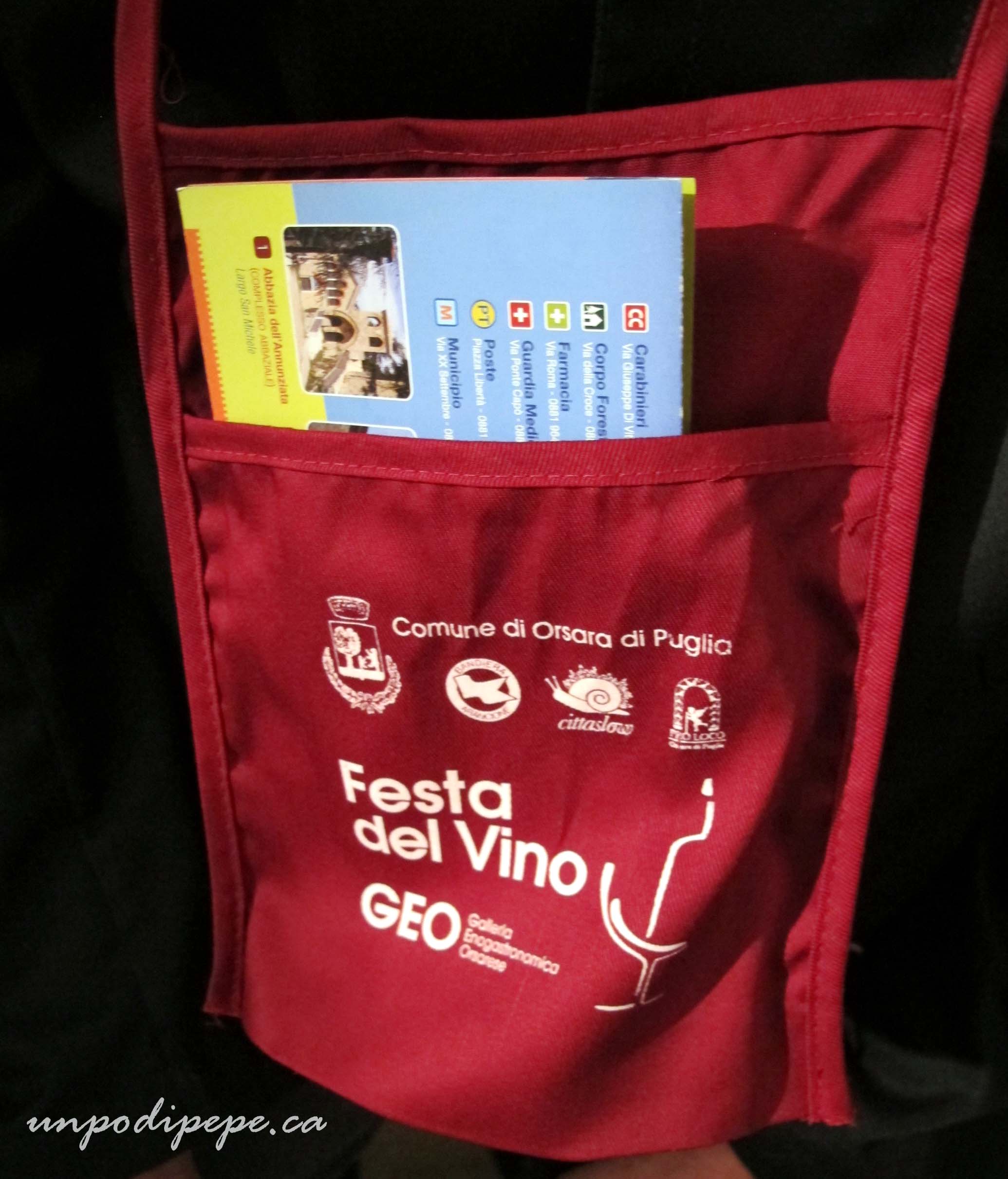
Festadelvino2011Orsara di Puglia hosts the 29th annual Festa del Vino tonight-the last Saturday in June.  Salute!Tuccanesefestadelvino

This is the third in a series of 3 Vini di Puglia posts.  Click on these links to read Vini di Puglia Part 1 and Vini di Puglia Part 2~Aglianico-Zibbibo.  The second post includes a glossary of Italian wine terms.  Salute, Cristina.

Share this:

  • Share on Facebook (Opens in new window) Facebook
  • Share on Pinterest (Opens in new window) Pinterest
  • Share on X (Opens in new window) X
  • Email a link to a friend (Opens in new window) Email
  • Share on WhatsApp (Opens in new window) WhatsApp
Like Loading...

Fiadoni Abruzzesi

12 Saturday Mar 2016

Posted by Un po' di pepe in Amici e Famiglia, Mangiamo!

≈ 8 Comments

Tags

Abruzzo, Fiadoni, Italian food, Italian Street Food, Italyonmymind

Fiadoni AbruzzesiThis weekend I had the pleasure of being a ‘recipe tester’ for Paola of Italy on my Mind for her upcoming cookbook on Italian street food and bar food. Paola is Italoaustraliana, living in Melbourne and her roots are in the Veneto and Istria.  She runs cooking classes in Melbourne.  In September she will be a guest instructor at the Anna Tasca Lanza Cooking School in Sicilia.  Paola was also a contestant on Masterchef Australia!

These cheese-filled Fiadoni were squisito and I will definitely be making them again soon.  I’m not able to share the recipe here-we’ll have to wait for Paola’s book!  Ciao, Cristina

Share this:

  • Share on Facebook (Opens in new window) Facebook
  • Share on Pinterest (Opens in new window) Pinterest
  • Share on X (Opens in new window) X
  • Email a link to a friend (Opens in new window) Email
  • Share on WhatsApp (Opens in new window) WhatsApp
Like Loading...

Grano Arso

12 Sunday Apr 2015

Posted by Un po' di pepe in Amici e Famiglia, Culture, Mangiamo!, Puglia

≈ 33 Comments

Tags

Cucina povera, Farina di grano arso, Foggia, Italian food, Monte Dauni, Pasta nera, Peppe Zullo, Pugliese Traditions, Southern Italy

farinagranoarsoorecchietteGrano arso literally means burnt wheat.  Flour made with it is ‘farina di grano arso’ and has a history going back many centuries as part of the gastronomic tradition of ‘cucina povera’ in Northern Puglia. Farina di grano arso was traditionally made from the bits of wheat left in the field after the harvest.  The stubble, called stoppie (STOHP•pyeh) or la ristoccia (rees•TOCH•chya) that was left in the fields was burned, then plowed back into the soil.  This was done as a quick and cheap way of clearing the fields.  It was also thought to aerate and fertilize the soil and kill weeds and pests.
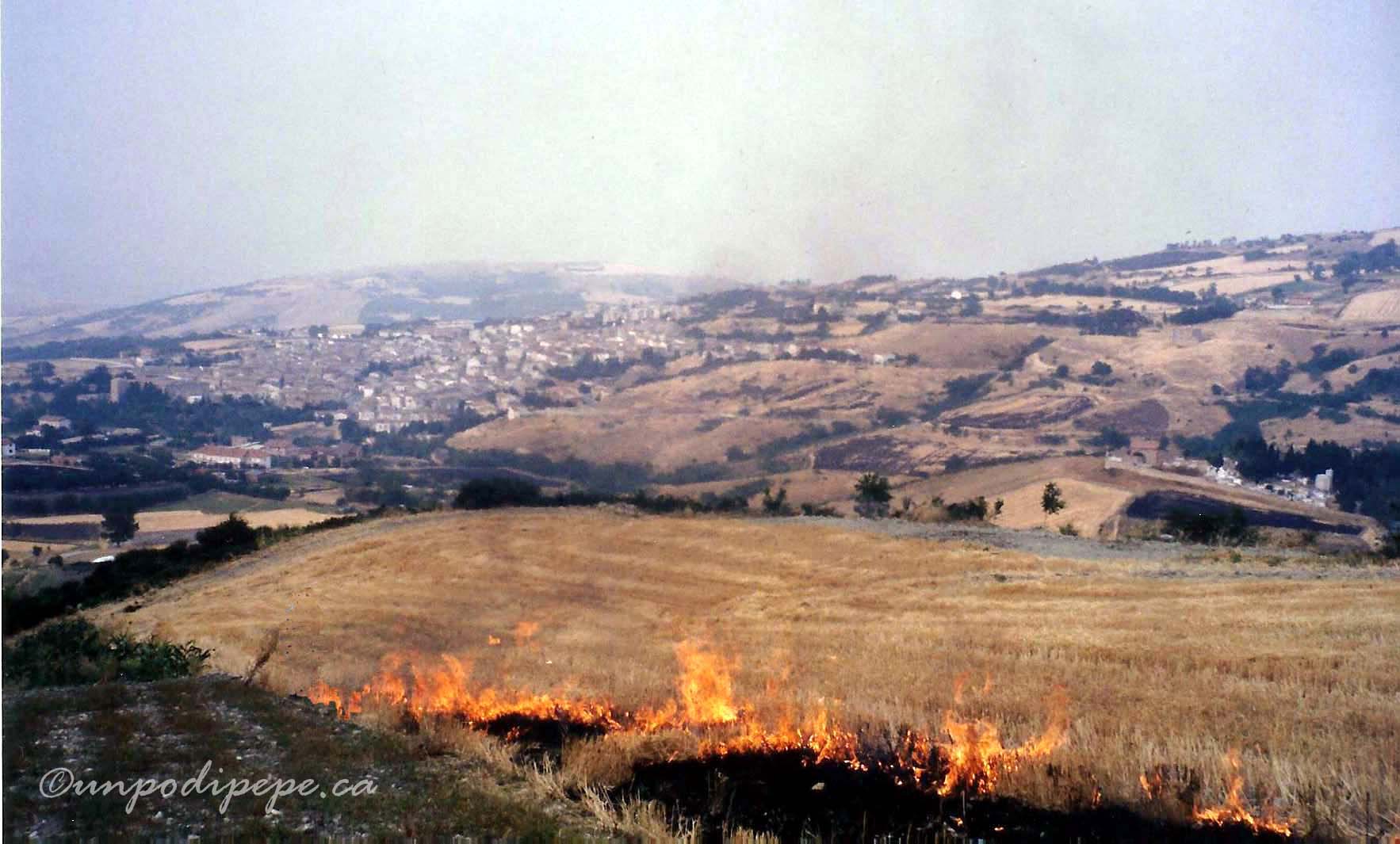
Bruciatura della ristoccia 1990

Bruciatura della ristoccia 1990

Ristoccia90In the short span of time between the burning and the plowing, poor farm workers (contadini) gathered burnt bits of wheat that were still usable and ground them by hand into farina di grano arso.  It was mixed with white flour, making pasta and bread more affordable, or traded to buy other foods.  ‘Pane nero’ (PAN•eh NEH•roh) or ‘pasta nera’ were considered the lowest quality of food and became a symbol of poverty-‘la miseria’ (mees•EH•ryah). ‘Pasta Nera’, an award-winning documentary that is not about grano arso, uses the title to accentuate the poverty in Southern Italia during and after the war.orecchiettepanoramo

We know that food is more than just nutrition.  The traditions and customs around food and its preparation are an integral part of a culture and teach us about the history of people and places at points in time.  Cucina povera (coo•CHEE•nah poh•VEH•rah)and cibo dei poveri (CHEE•boh dei poh•VEH•ree) literally translate to poor cooking and food of the poor, but what is meant is ‘peasant cooking’.  Farina di grano arso is important in a historical and cultural context as it really symbolizes the resilience and instinct to survive of our contadini ancestors.farinadigranoarso

Grano arso was nowhere to be found for many years, but today many Pugliese chefs, including mio amico, il ‘cuoco contadino’ Peppe Zullo use farina di grano arso.  It is used to make fresh traditional Pugliese pasta- orecchiette, cavatelli, fusilli, and sometimes bread and focacce. Peppe is representing Puglia for the month of May in the Italian Pavilion at Expo2015 Milano. The theme is ‘Nutrire il Pianeta; Energia per la Vita’/ ‘Feeding the Planet; Energy for Life’.   Appropriately, his feature dish for this event is cavatelli di grano arso e punti di asparagi verde.

Peppe Zullo's 'Cavatelli di grano arso con punti di asparagi verde' for Expo 2015

Peppe Zullo’s ‘Cavatelli di grano arso con punti di asparagi verde’ for Expo 2015

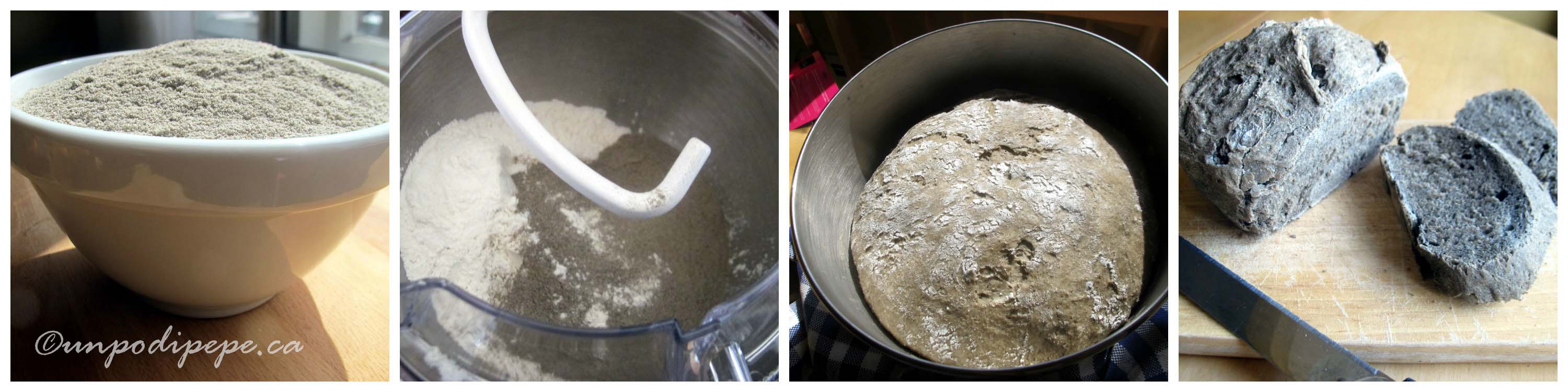
Bruciatura della ristoccia (broo∙chya•TOO•rah DEL•la rees•TOCH•chya), the burning of the stubble in the fields is now illegal due to carcinogenic concerns, destruction of soil nutrients, pollution and risk of forest fire. Today farina di grano arso is not completely burnt, it is commercially toasted.  The flavor, colour, texture and smell of pasta or bread made with farina di grano arso are really intense and unique. The flour is slightly grainy and the colour is grey like ashes- grigio cenere (gree•GEE•oh cheh•NEH•reh).  Pasta can range from grey to brown in colour depending on the percentage of farina grano arso used.  The smoked, nutty flavor reminds me a bit of toasted hazelnuts and the smell can be compared to lightly charred brick oven pizza crust. Most of the gluten is burnt off, so farina di grano arso can’t be used alone.  It absorbs more water than other flours and will become a sticky mess that doesn’t hold together. Mixing 10% to maximum 25% with other flours that contain gluten produces the best results.  Many people find pasta di grano arso easier to digest.

Panegranoarsocollage4

Not everyone is embracing the return of grano arso to the kitchen.  It disappeared because it is ‘un ricordo della miseria’-a reminder of poverty and there was vergogna (ver•GOH•nyah) or shame associated with having to eat pasta nera.  This is something that most Italians who lived through the war don’t want to be reminded of.  When I made the bread to photograph for this post, I brought it to my parents’ house for dinner.  Papà made a sour face and said ‘Solo che vedo questo pane mi viene la paura!’ (Just looking at this bread puts fear in me!)  He was kidding…sort of…I think?  Well he did eat 2 pieces anyways!

Making orecchiette di grano arso with my Mamma

Making orecchiette di grano arso with my Mamma

Farina di grano arso is available in Foggia and Andria.  Pietro Zito in Andria sells 1 kg bags online for 6 €, as well as pasta di grano arso. Even if it was possible to send to North America though, the cost would be astronomic.  Can you imagine Poste Italiane sending a bag of flour in the mail?  You could try toasting durum wheat semola yourself on a baking tray in the oven, but it will probably result in a visit from i pompieri (pohm∙•pee•EH•ree) -the fire department- when the smoke detector goes off.  I have a better idea- take a trip to Puglia and try pasta di grano arso in its natural environment! Buon Appetito!

Orecchiette di grano arso al sugo, Ristorante  Peppe Zullo Orsara di Puglia

Orecchiette di grano arso al sugo, Ristorante Peppe Zullo Orsara di Puglia

Share this:

  • Share on Facebook (Opens in new window) Facebook
  • Share on Pinterest (Opens in new window) Pinterest
  • Share on X (Opens in new window) X
  • Email a link to a friend (Opens in new window) Email
  • Share on WhatsApp (Opens in new window) WhatsApp
Like Loading...

Over Lago Maggiore

22 Sunday Mar 2015

Posted by Un po' di pepe in Amici e Famiglia, Italia, Photography, Travel

≈ 8 Comments

Tags

Angera, Eremo Santa Caterina del Sasso, Isola Bella, Isola Pescatori, Isole Borromee, Italy travel tips, La Rocca d'Angera, Lago Maggiore, Lounge Bar La Noce, Milano daytrips, Palazzo Borromeo

A few years ago I went to Angera on the eastern shore of Lago Maggiore to visit my cugini Rosa and Pasquale and their family.  They own Lounge Bar La Noce which is right on the lake. Pasquale took me up for a spin in his ultralight and I ended up with some ‘vista d’uccello’ (bird’s eye view) shots of l’Isole Borromee, 3 small islands in the Italian part of Lago Maggiore.

Isola Bella

Isola Bella is named for Contessa Isabella D’Adda, wife of Carlo Borromeo III.  It was once a big flat rock in the lake with a tiny fishing village.  Over a 40 year period in the 1600’s soil was brought in to build 10 terraces for the gardens and a summer palace.  Famous palace guests include Napoleon and Josephine.

Isola Madre

Isola Madre is the largest of the 3 islands.  The 16th Century Palazzo Borromeo was built by Count Lancillotto Borromeo -what an awesome name!  The English style Giardini Botanici dell’Isola Madre (Botanical Gardens) were built in the 18th Century on the site of a citrus grove.

Isola Pescatori

Isola Superiore dei Pescatori -usually just called Isola Pescatori, is named for the fisherman.  The village has about 50 permanent residents, and a few of them are actually still fishermen. Isola Pescatori was owned by the Borromeo family until the middle ages but is now part of Stresa. There are several hotels and restaurants on the island and taxi boat service from Stresa.

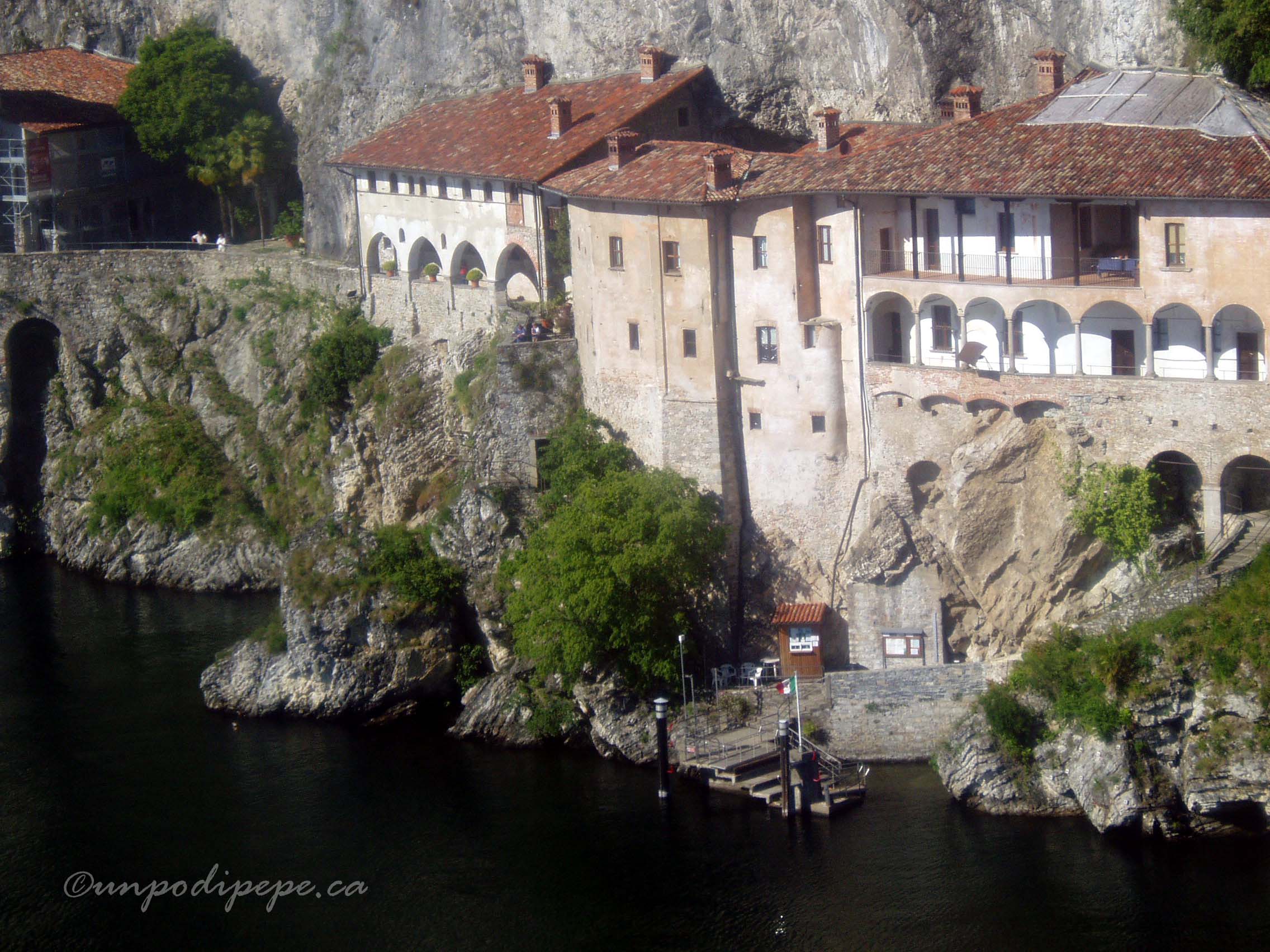
Eremo Santa Caterina del Sasso, a monastery founded by a man shipwrecked during a storm.  He swore that if he survived he would dedicate his life to building a monastery on the site.

Eremo Santa Caterina del Sasso, a monastery founded by a man shipwrecked during a storm. He swore that if he survived he would dedicate his life to building a monastery on the site.

La cabina di pilotaggio (cockpit) & i piloti!  I don't remember how we managed to take this blurry selfie in the cockpit?

La cabina di pilotaggio (cockpit) & i piloti! I don’t remember how we managed to take this blurry selfie in the cockpit?

La Rocca d'Angera on the hill with Lounge Bar La Noce below.  Photo Pasquale D'Ambrosio.

La Rocca d’Angera on the hill with Lounge Bar La Noce below. Photo Pasquale D’Ambrosio.

Angera (pop 5600) was an important lake point in Roman times, when it was called Angheria.  Today it is most famous for La Rocca d’Angera (Castello Borromeo) a fortress on top of a 200m hill overlooking Lago Maggiore.  The 1989 RAI miniseries ‘I Promessi Sposi’, based on the 1827 novel by Alessandro Manzoni was filmed here.  La Rocca is also home to Il Museo delle Bambole, a doll museum.  The Borromeo family still owns La Rocca d’Angera, Isola Bella and Isola Madre but they are accessible to the public. Boats to l’Isole Borromee (www.navigazionelaghi.it) are available from the lakefront towns of Stresa, Laverno, Pallanza and Intra.  Some hotels and restaurants also have their own private boat service.

Angera is a nice day trip from Milano.  There is no direct train but the closest route is the train to Sesto Calende then bus to Angera or the train to Arona and then a ferry across the lake to Angera. Buon Viaggio!

Cigne Angera

Share this:

  • Share on Facebook (Opens in new window) Facebook
  • Share on Pinterest (Opens in new window) Pinterest
  • Share on X (Opens in new window) X
  • Email a link to a friend (Opens in new window) Email
  • Share on WhatsApp (Opens in new window) WhatsApp
Like Loading...

La Festa del Papà

19 Thursday Mar 2015

Posted by Un po' di pepe in Amici e Famiglia, Feste

≈ 12 Comments

Tags

19 Marzo, Father's Day, Festa del Papà, Festa di San Giuseppe, March 19th

March 19th is La Festa del Papà (Father’s Day) in Italia.  In North America, Father’s Day is the 3rd Sunday in June, but in Italia it is always on March 19th.  I think the reason why is kind of adorable.  March 19th is la Festa di San Giuseppe (the feast day of St. Joseph) who was, of course, Jesus’ Papà!  In honour of La Festa del Papà, I’m sharing my very favourite photo of me and my Papà.  Cute-issimo, no?

Con il mio Papà, Orsara di Puglia

Con il mio Papà, Orsara di Puglia

Auguri a tutti i Papà del mondo e Buon Onomastico a tutti i Giuseppe, Giuseppina, Peppe, Pina e Giusy!

Share this:

  • Share on Facebook (Opens in new window) Facebook
  • Share on Pinterest (Opens in new window) Pinterest
  • Share on X (Opens in new window) X
  • Email a link to a friend (Opens in new window) Email
  • Share on WhatsApp (Opens in new window) WhatsApp
Like Loading...
Newer posts →

Enter your email address to follow 'un po' di pepe' and receive notifications of new posts by email.

Join 511 other subscribers
Follow Un po' di pepe on WordPress.com

Popular Posts

  • Hairstyling in Ancient Roma
    Hairstyling in Ancient Roma
  • Troia 1019-2019
    Troia 1019-2019
  • Hostaria Antica Roma~Eat like an Ancient Roman
    Hostaria Antica Roma~Eat like an Ancient Roman
  • Artemisia Gentileschi
    Artemisia Gentileschi
  • Catanzaro, Calabria
    Catanzaro, Calabria
  • Caffè con Caravaggio a Roma
    Caffè con Caravaggio a Roma
  • I Trulli di Alberobello
    I Trulli di Alberobello

Recent Posts

  • Sanremo 2026
  • Cucina Italiana Patrimonio UNESCO
  • 2025~Un po’ di pepe Year in Review
  • Castel del Monte
  • ‘The Nuances of Love’
  • Hostaria Antica Roma~Eat like an Ancient Roman
  • Santa Maria in Aracoeli
  • Casino dell’Aurora~Villa Boncompagni Ludovisi
  • Nasoni di Roma
  • Bloghiversario #11
  • Fontana di Trevi
  • Acqua Vergine
  • Giubileo 2025
  • Sanremo 2025
  • In Vino there are Memories
  • A Literary Harvest
  • 2024~Un po’ di pepe Year in Review
  • Buon Natale 2024
  • Il Bicerin
  • Mercato Porta Palazzo
  • Torino
  • Catanzaro, Calabria
  • Il Pumo Pugliese
  • Artemisia Gentileschi
  • Cavalli di San Marco

Categories

Amici e Famiglia Architecture Art Art history Art projects Bilingual posts Blogging Canada Culture Feste Firenze Inspiration Italia Italian Folklore Italian language Italian life Italocanadesi Libri Mangiamo! Orsara di Puglia Parole piacevoli Photography Puglia Recipes Roma Travel Travel tips Uncategorized Vino

Archives

Un po’ di pepe on Facebook

Un po’ di pepe on Facebook

Start a Blog at WordPress.com.

  • Subscribe Subscribed
    • Un po' di pepe
    • Join 511 other subscribers
    • Already have a WordPress.com account? Log in now.
    • Un po' di pepe
    • Subscribe Subscribed
    • Sign up
    • Log in
    • Report this content
    • View site in Reader
    • Manage subscriptions
    • Collapse this bar
 

Loading Comments...
 

    %d