• Home
  • About me/Chi sono
  • Contact

Un po' di pepe

~ …… (oon∙poh∙dee∙PEH∙peh) Cristina writes about interesting stuff /Cristina scrive di cose interessanti

Un po' di pepe

Category Archives: Italia

Roma: Passeggiata all’Aventino

19 Tuesday Jul 2016

Posted by Un po' di pepe in Italia, Roma

≈ 15 Comments

Tags

Aventine Hill, Bocca della Verita, Buco della Serratura, Giardino degli Aranci, Piazza Cavalieri di Malta, Roman walks, Santa Sabina

Giardino degli Aranci

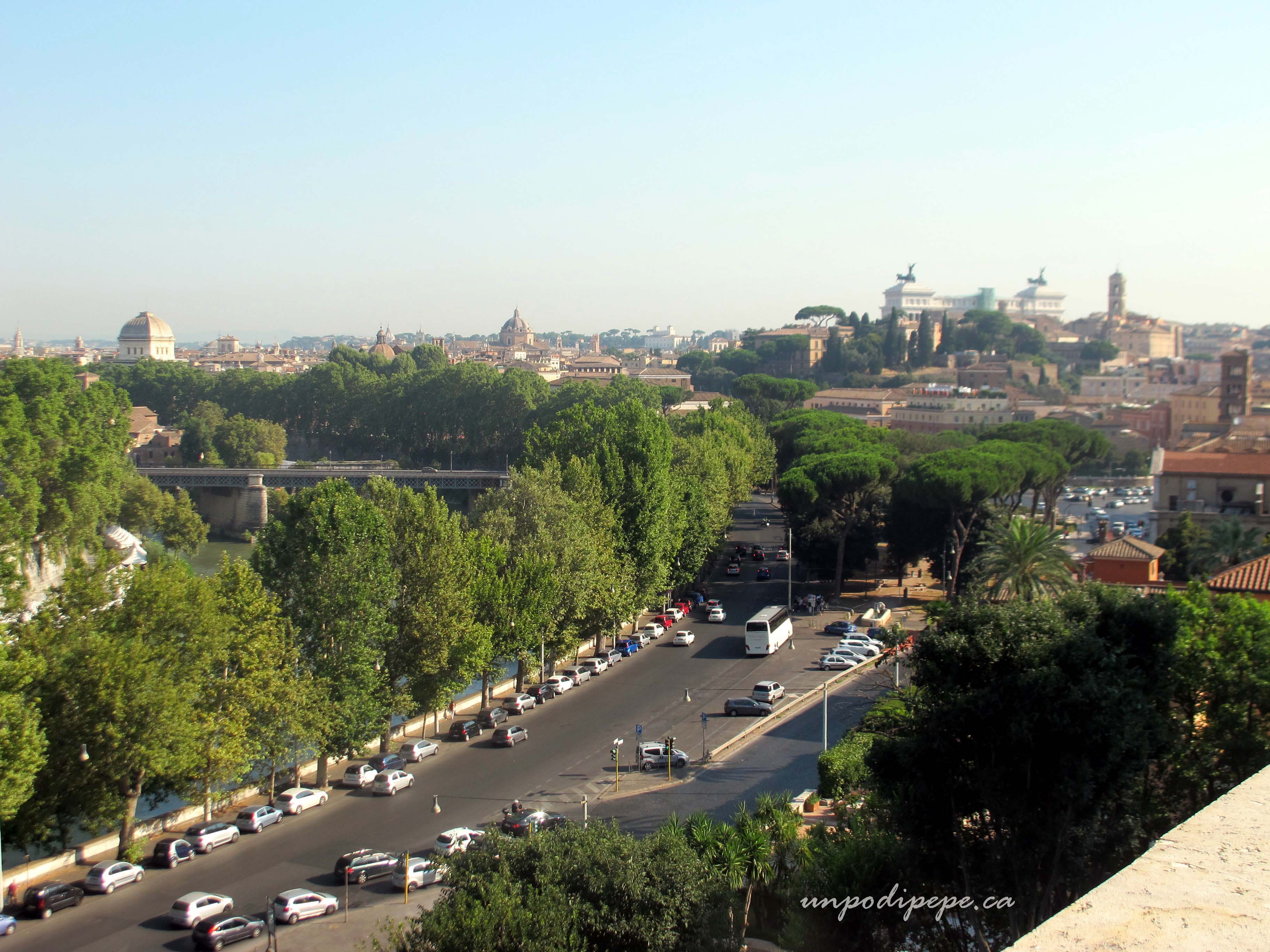
As usual I was awake far too early on my first morning in Roma. I set out on a mission to take some photos and a passeggiata before the Roman heat set in. The city of Roma was built on 7 hills.  L’Aventino-the Aventine Hill, is the furthest south. In the legend of the founding of Roma, l’Aventino was picked by Remo as the spot to build a new city, but his twin Romolo disagreed.  Remo was killed in the dispute, and Romolo built Roma on the Palatino-Palatine Hill.  L’Aventino was originally outside the city, and it was populated by refugees from areas Roma had conquered.   Then wealthy Ancient Romans started to build homes there and today it is still an elegant residential part of Roma. It is also the perfect place for a long, quiet passeggiata with beautiful views of Roma- without the crowds.Giardinodegliaranci2

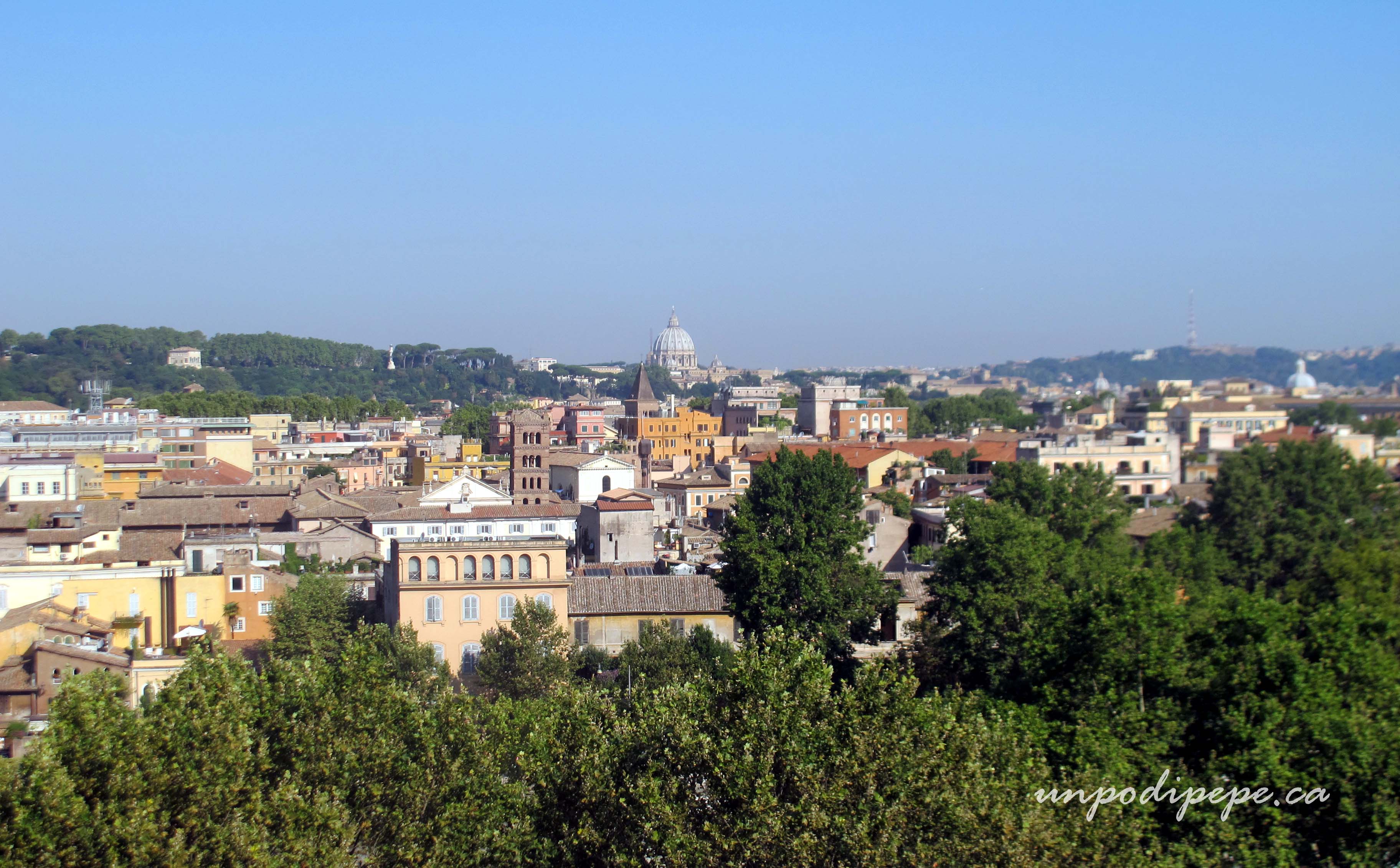
I started off by taking the Metro blue line to Circo Massimo, then heading up Viale Aventino, which was originally the ancient road between the 2 high spots of the hill. I passed beautiful homes and quiet streets as I walked uphill.  My first stop on Via di Santa Sabina was the walled Giardino degli Aranci. The orange grove was originally planted in the 13th Century by the Dominican monks of Santa Sabina, who brought the seeds from Spain . The Giardino has a platform at the end with beautiful panoramic views of Roma and the cupola of San Pietro.  A Roman friend once told me that when he was young, he and his friends used to have ‘arance’ fights in the Giardino with the oranges that fell on the ground!Fontana del Mascherone

In the piazza in front of Santa Sabina, near the door to Giardino degli Aranci is a wall fountain built in 1593. La Fontana del Mascherone floods an ancient Roman bathtub-a smaller version of the 2 giant ones in Piazza Farnese.  Santa Sabina all’Aventino, built right at the top of the hill in 422 AD is one of the oldest Roman basilicas.

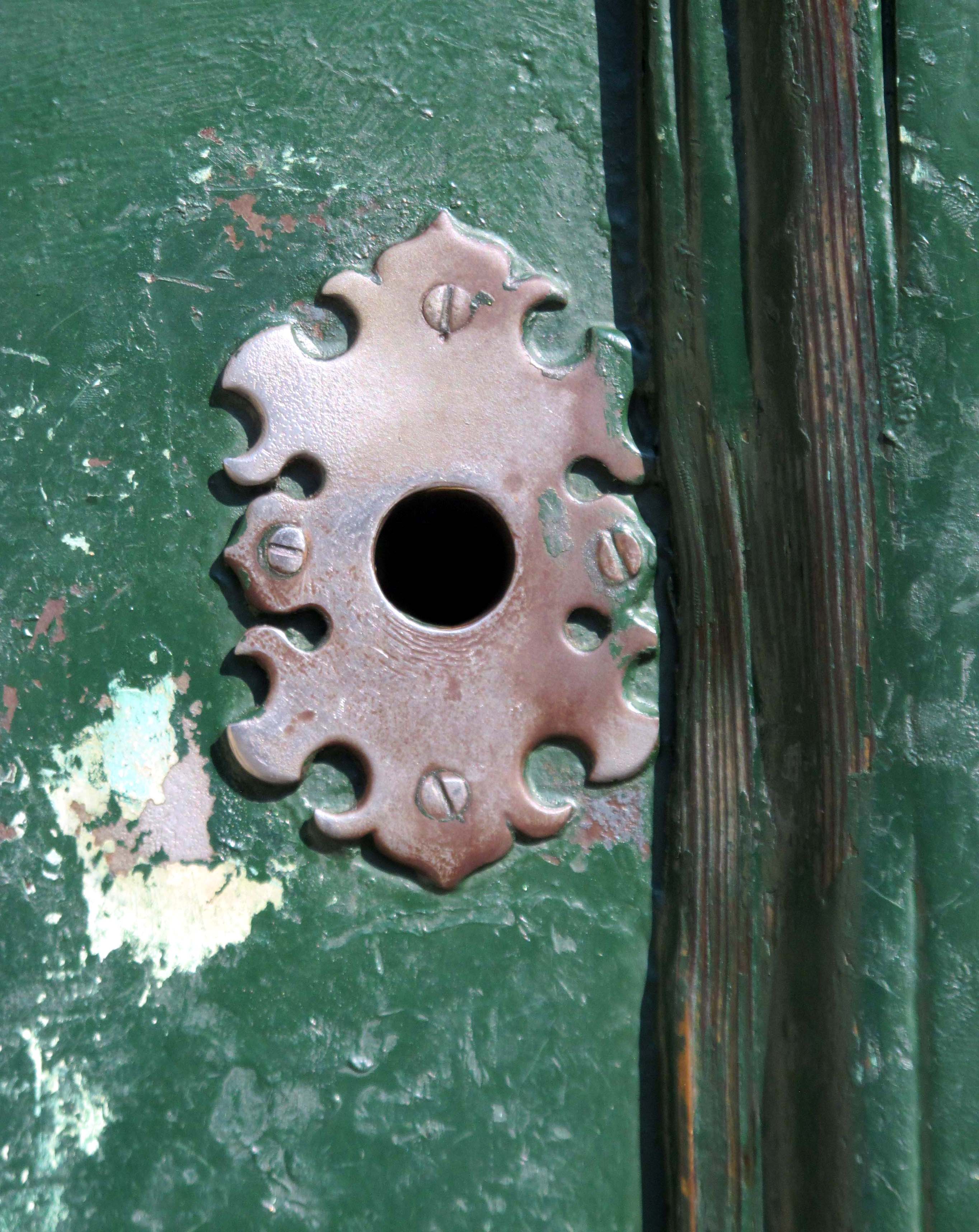
A short walk away, through a tree-lined residential neighborhood, is Piazza Cavalieri di Malta. This morning I had the whole piazza to myself! It is usually very crowded and full of taxis and people waiting in line in front of a heavy green door.  Cavalliere di MaltaThe door belongs to La Villa del Priorato di Malta.  I Cavalieri di Malta are a military order of knights founded in the 11th Century to look after the wounded in the Holy Land during the Crusades.  In 1798, Napoleon kicked them out of Malta and they moved their headquarters to Roma. The villa and the church inside, Santa Maria del Priorato, are not usually accessible to the public. The people standing in line are waiting to look through the keyhole, known as ‘il buco della serratura’.  I won’t spoil the surprise, so my photo is blurry on purpose.  You will have to see for yourself—unless you have seen La Grande Bellezza and the surprise has been spoiled!IMG_4218

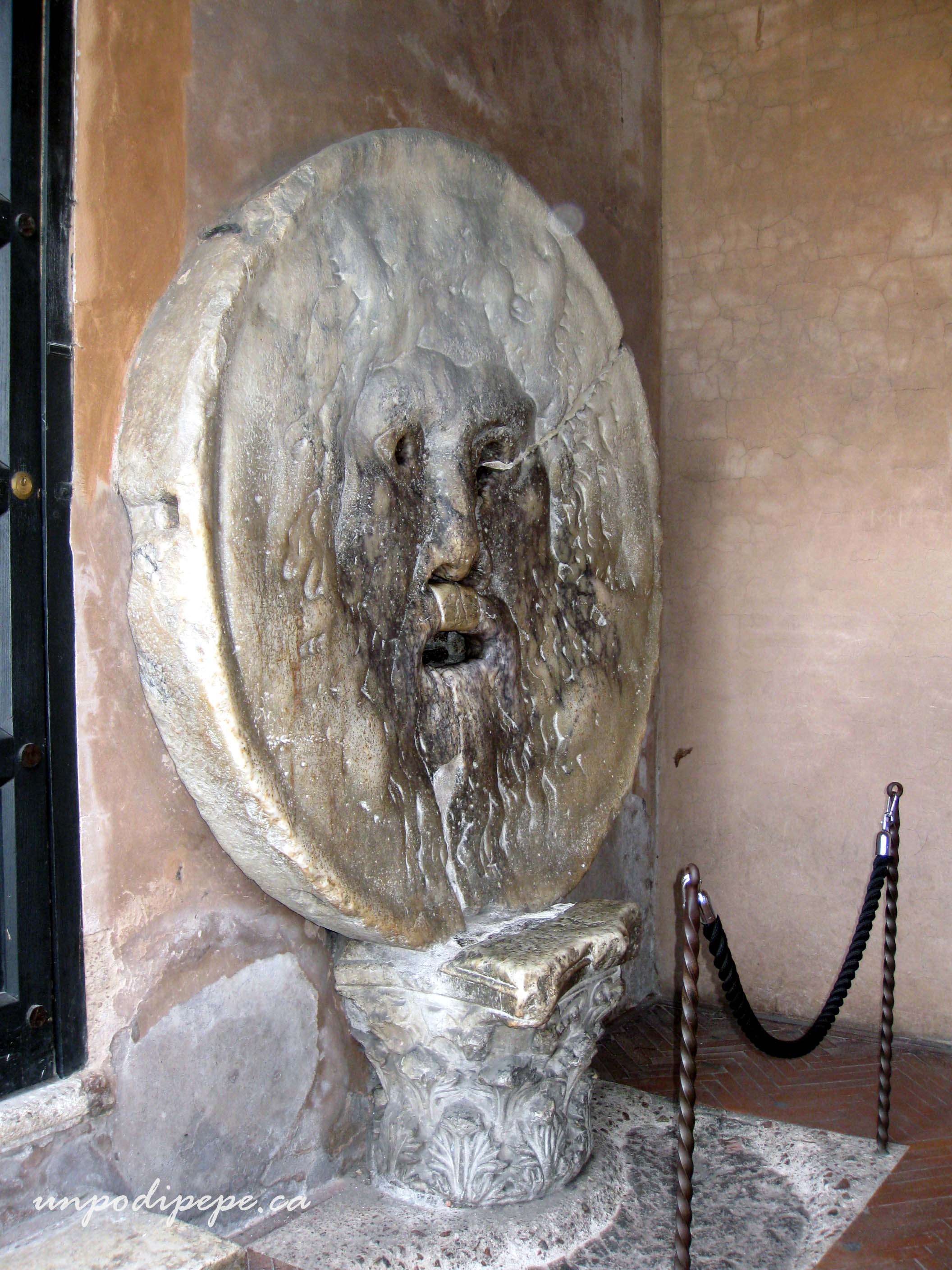
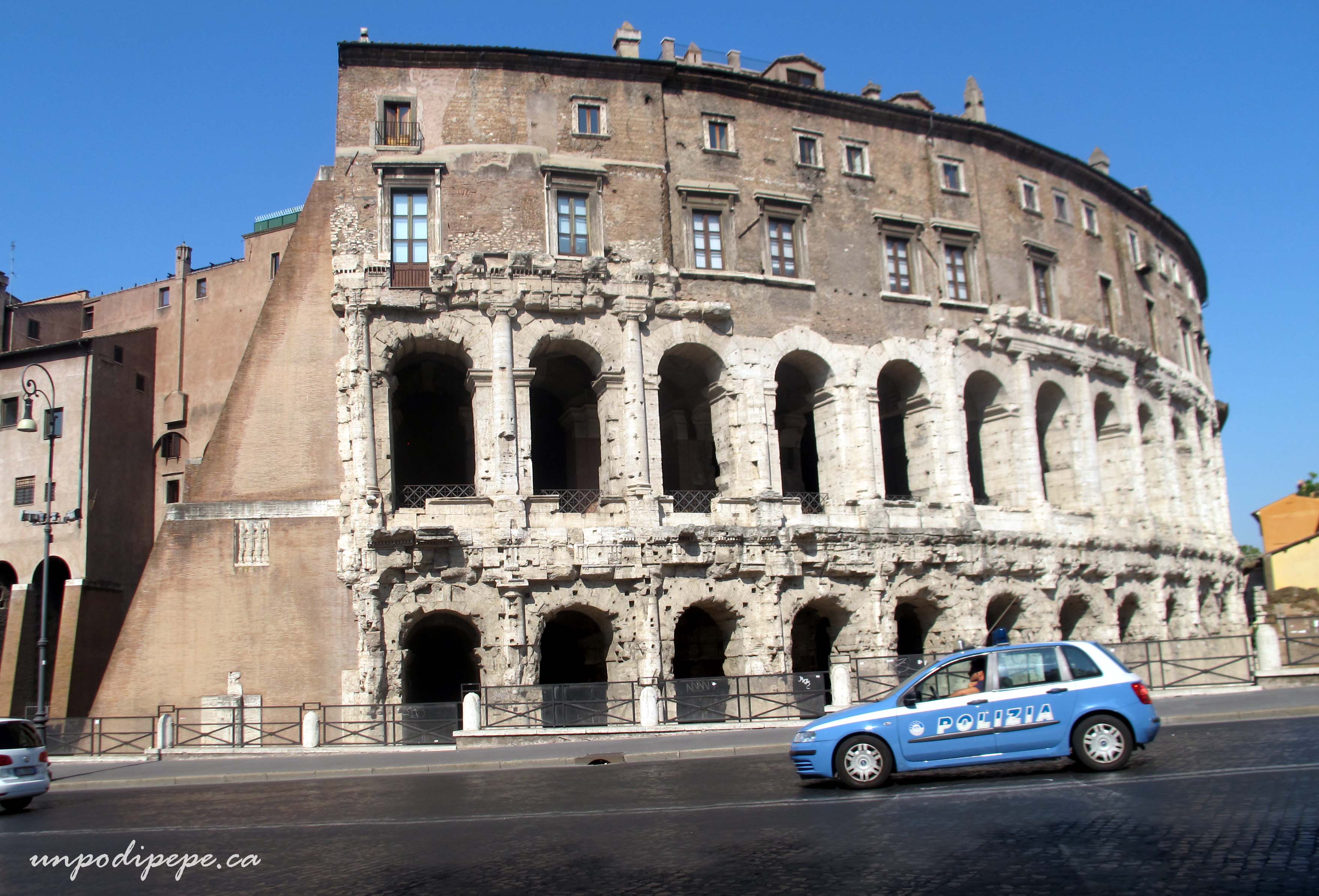
IMG_2385The walk back downhill was nice and I was able to admire the scenery and views as I walked back down Via Santa Sabina, then past Santa Maria in Cosmedin. This is the home of the famous ‘Bocca della Verità’ featured in the movie Roman Holiday.  There is usually a line of people waiting to stick their hand in its mouth!BoccadellaveritaAs I walked past il Teatro di Marcello, I was surprised to notice that there are private residences on the top floor.  Can you imagine living in Teatro Marcello!  I have heard about first time visitors to Roma thinking that Teatro Marcello is the Colosseo and being very confused! Teatro Marcello Polizia

By the time I reached Il Vittoriano, it was getting hot. Time for a granita di caffè! Arrivederci da Roma, Cristina

To read more about walking in Roma click on Un Giorno a Roma and Il Pantheon.

Share this:

  • Share on Facebook (Opens in new window) Facebook
  • Share on Pinterest (Opens in new window) Pinterest
  • Share on X (Opens in new window) X
  • Email a link to a friend (Opens in new window) Email
  • Share on WhatsApp (Opens in new window) WhatsApp
Like Loading...

Vini di Puglia Part 3~Il Tuccanese

25 Saturday Jun 2016

Posted by Un po' di pepe in Amici e Famiglia, Feste, Italia, Orsara di Puglia, Puglia, Vino

≈ 21 Comments

Tags

Festa del Vino Orsara di Puglia, Leonardo Guidacci, Peppe Zullo, Pugliese Traditions, Traditional Festivals in Puglia, Tuccanese, Wines of Puglia

iltuccaneseguidacci

Tuccanese (too∙can∙NEH∙seh) is a rare grapevine grown almost exclusively in and around Orsara di Puglia, Provincia di Foggia. It was previously thought to be a clone of Sicilian Perricone brought to Orsara by a Sicilian noble family or that it was a clone of Piedirosso.  A 2008 Italian DNA study found a close genetic relationship between Sangiovese, the well-known ‘Chianti’ grape and 10 other grapes including Tuccanese. Sangiovese has many ‘strains’ but the grapes and resulting wine are very different. The name Tuccanese is probably a corruption of ‘Toscanese’ or ‘Tuscanese’ meaning ‘from Toscana’.  Tuccanese may have been brought from Toscana by the Majorca-Strozzi family from Firenze, who held a duchy near Avellino in the 1600’s. Small pockets of Tuccanese grapes grown for private family use are also found in Campania, in Calitri, Montecalvo Irpino and Bagnoli Irpino, the farthest being 80 km from Orsara.

Vigneto Tuccanese. Photo Leonardo Guidacci

Vigneto Tuccanese. Photo Leonardo Guidacci

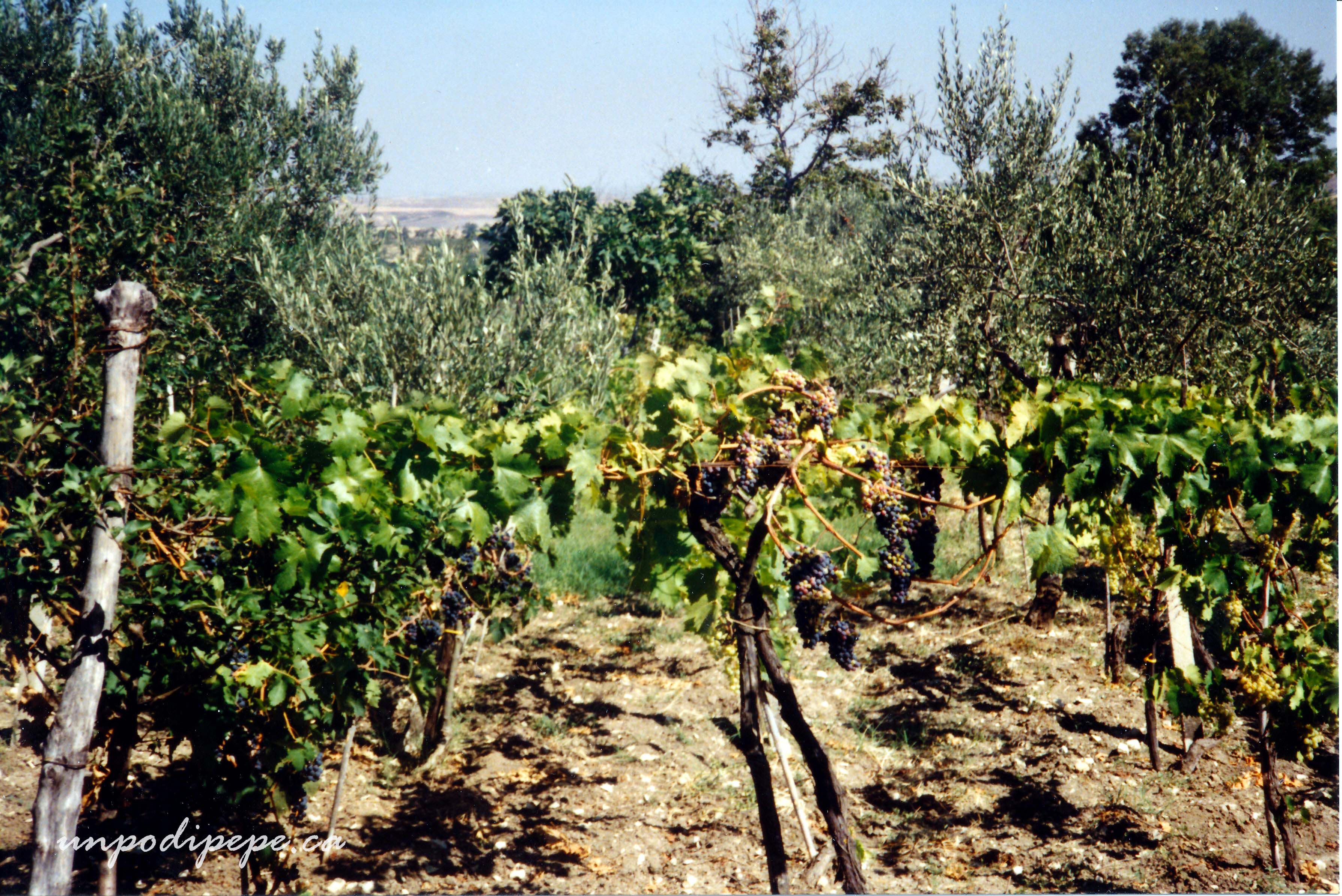
Tuccanese was in danger of extinction but attention to local viniculture in the last 20 years has resurrected it.  Now Tuccanese is an example of Artigianato vitivinicolo-artisan winemaking. The vines do well at Orsara’s 650m altitude and the high calcium and clay content of the soil.  Tuccanese grapes are very resistant to environmental conditions, immune to illnesses, and mature late- in the first 2 weeks of October.  Wines made with Tuccanese are a dark ruby red, dry, tannic and full bodied with a high alcohol content. They have notes of berry, plum, licorice and pepper. Tuccanese is definitely ‘un vitigno locale’, as it is really known only in and around Orsara, where several families grow it for their own table wine.  Really good table wine. My Bisnonno grew Tuccanese on his land at La Cupa, although the vines are no longer there.  Now the land has 81 beautiful olive trees.

Vigneto, La Cupa 1994

Vigneto, La Cupa 1994

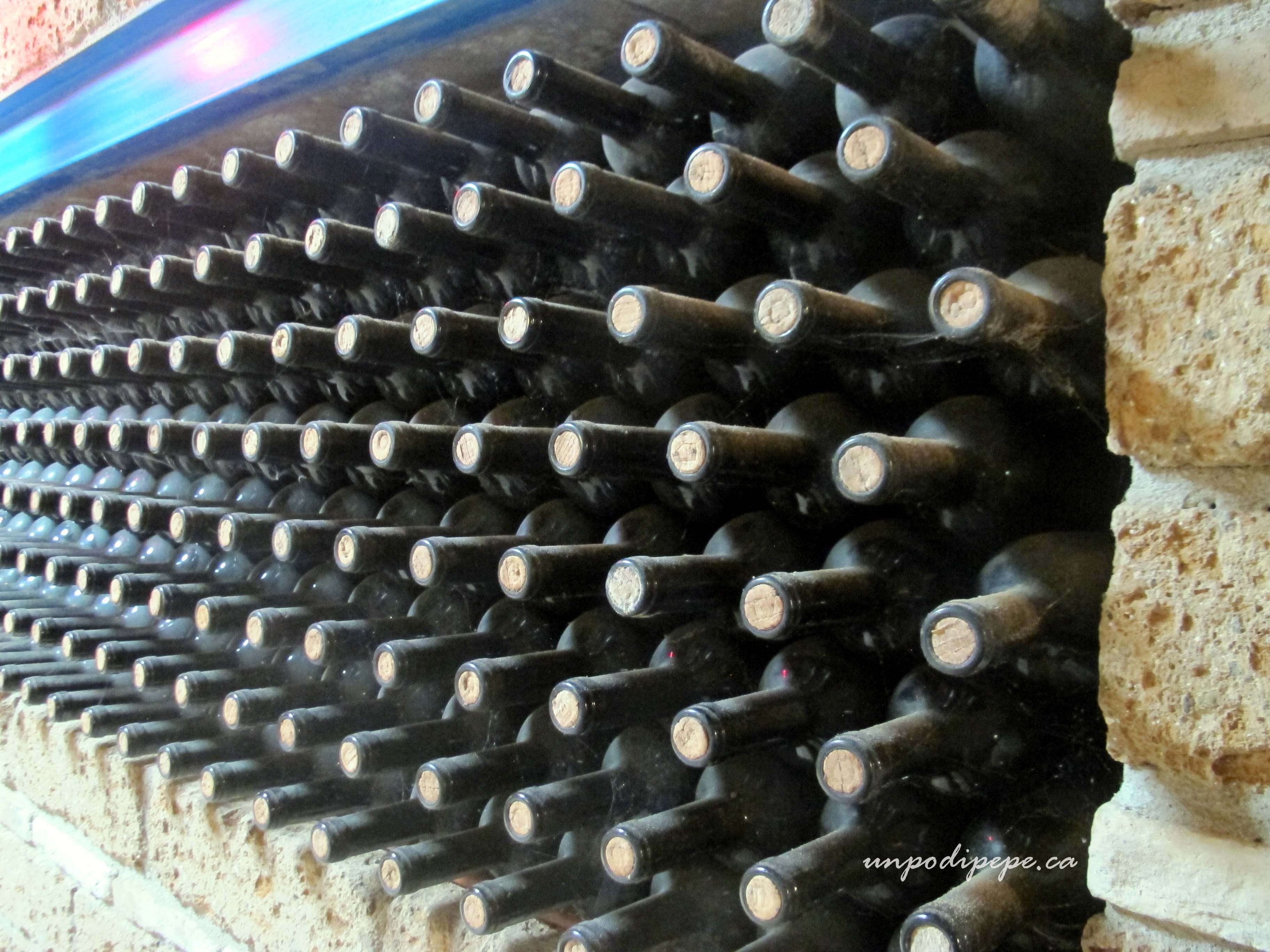
BottiglieCantinaParadiso

Tuccanese has not yet been discovered by the world, but there are 2 commercial producers, both in Orsara di Puglia. One is my amico, il cuoco-contadino Peppe Zullo and the other is my neighbour, architect Leonardo Guidacci! You won’t find these bottles at your local liquor store!

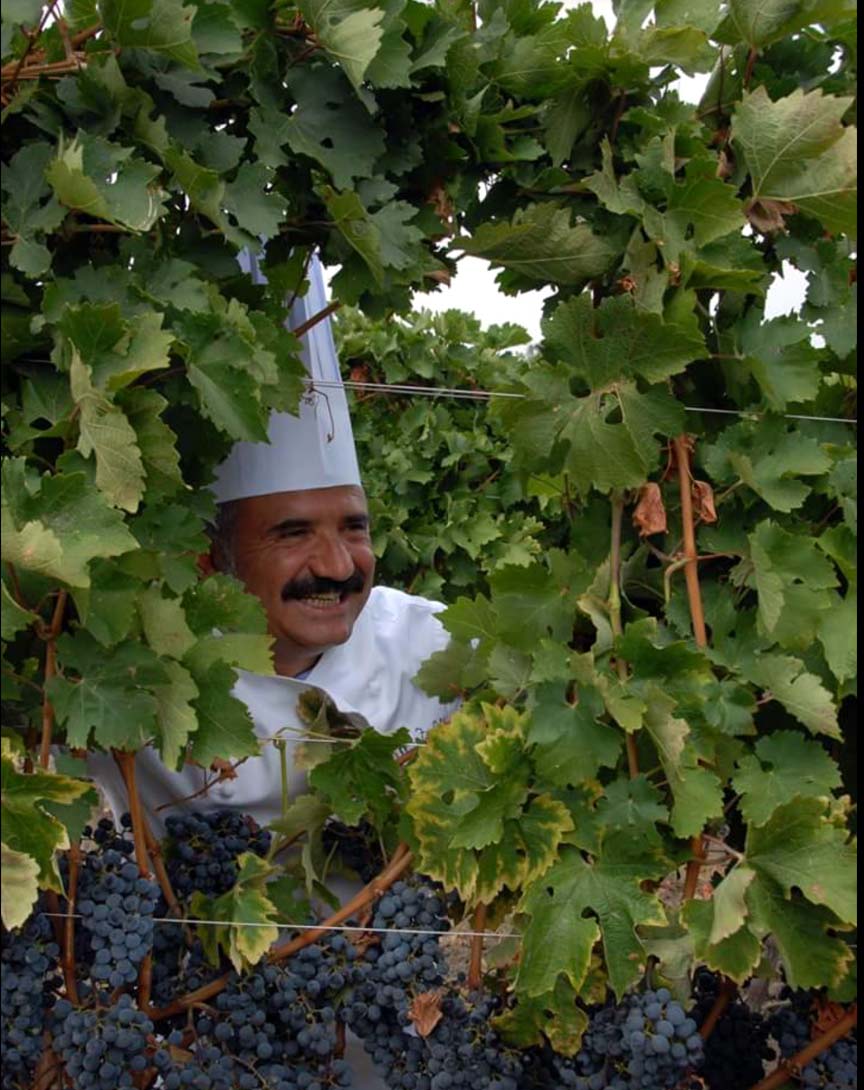
Peppe Zullo nel vigneto. Photo Nicola Tramonte

Peppe Zullo nel vigneto. Photo Nicola Tramonte

Peppe Zullo produces 20-25,000 bottles per year. His 2 wines are Ursaria and Aliuva. Aliuva is 80% Tuccanese 20% Uva di Troia (Nero di Troia) and Merlot.  Ursaria is 80% Tuccanese, 20% Uva di Troia and Cabernet, and is aged for 5 years in wood barrels. Peppe’s vino is used in his restaurant and event facilities and the rest sold on site. Peppe’s wine cellar La Cantina del Paradiso, designed by Nicola Tramonte was featured in the architectural exhibit ‘Le Cattedrali del Vino’ at the Biennale di Venezia in 2010. It is built into the side of a hill, with a vineyard on top! As he likes to say it’s the only cantina where you have to climb up stairs! Stay tuned for a post about the cantina.Vignetodelparadiso

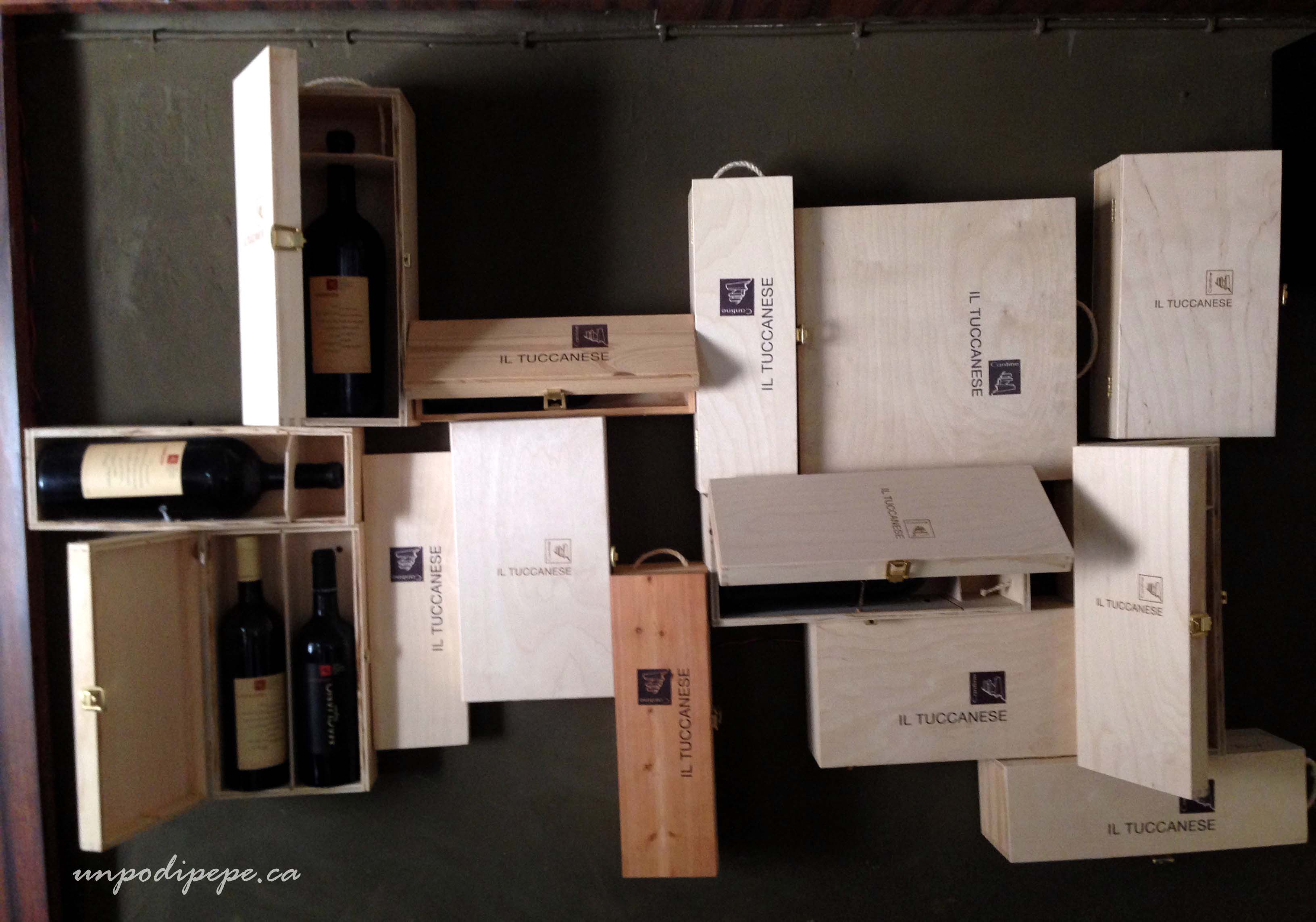
Leonardo Guidacci has been making wine since 1997. His cantina called ‘Il Tuccanese’ after the grape, produces 5,000 bottles per year. Leonardo’s 2 wines are Magliano and Sannoro. Magliano is 100% Tuccanese. It is named after the Contrada (district) of Magliano, where the grapes are grown. Sannoro is 80% Tuccanese 20% Aglianico. His showroom/tasting room/architectural office is in Piazza Municipio, around the corner from my house. You can go for wine tasting and also discuss plans for home renovation!

'Architettura e Vino', Leonardo Guidacci's showroom and studio in Piazza Municipio.

‘Architettura e Vino’, Leonardo Guidacci’s showroom and studio in Piazza Municipio.

iltuccaneseshowroom

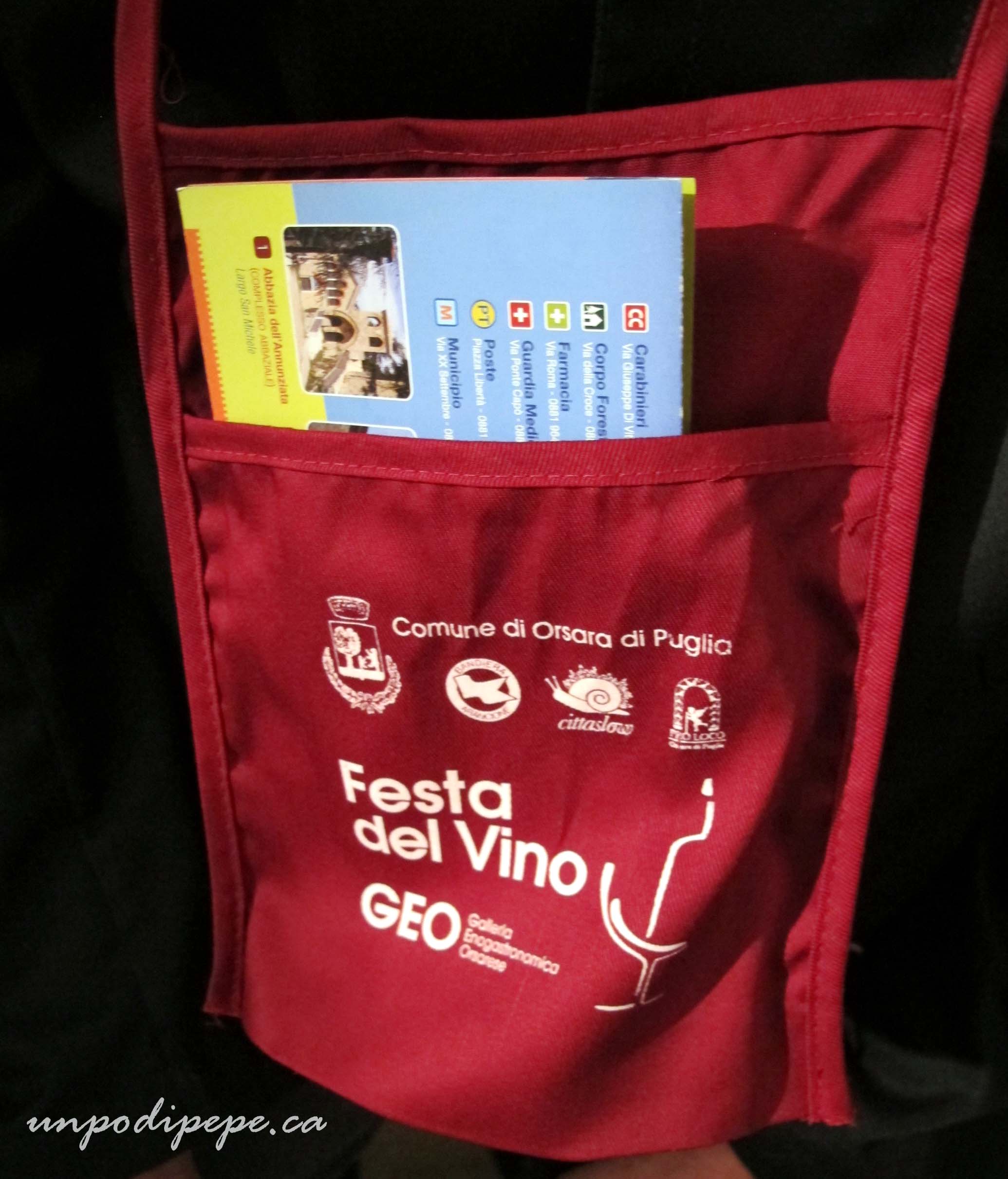
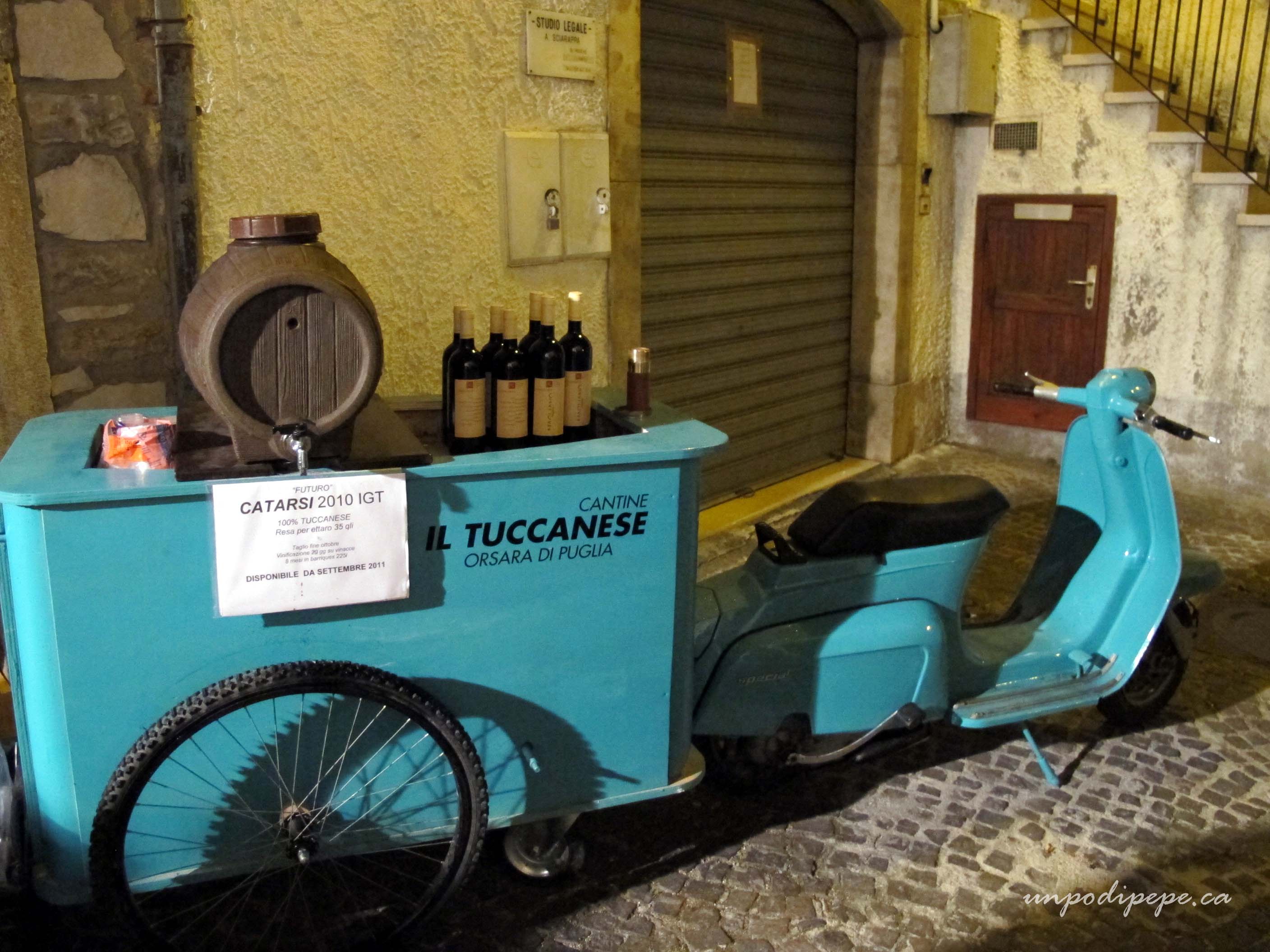
Festadelvino2011Orsara di Puglia hosts the 29th annual Festa del Vino tonight-the last Saturday in June.  Salute!Tuccanesefestadelvino

This is the third in a series of 3 Vini di Puglia posts.  Click on these links to read Vini di Puglia Part 1 and Vini di Puglia Part 2~Aglianico-Zibbibo.  The second post includes a glossary of Italian wine terms.  Salute, Cristina.

Share this:

  • Share on Facebook (Opens in new window) Facebook
  • Share on Pinterest (Opens in new window) Pinterest
  • Share on X (Opens in new window) X
  • Email a link to a friend (Opens in new window) Email
  • Share on WhatsApp (Opens in new window) WhatsApp
Like Loading...

Vini di Puglia Part 2~Aglianico to Zibibbo

12 Sunday Jun 2016

Posted by Un po' di pepe in Italia, Italian language, Puglia, Vino

≈ 16 Comments

Tags

Aglianico, Aleatico, Autochthonous vines, Bombino Bianco, Cacc'e Mmitt, Falanghina, Italian language wine glossary, Italian wines, Malvasia Nera, Moscato di Trani, Susumaniello, Verdeca, Wines of Puglia, Zibibbo

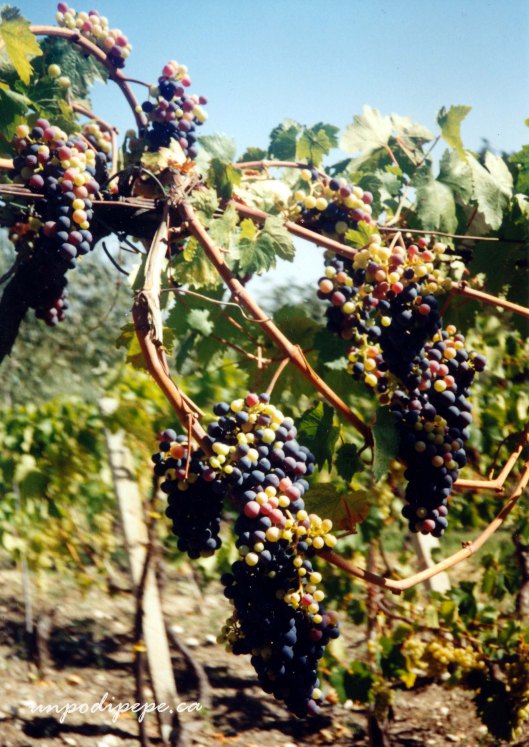
UvaLaCupa1994In my last post I wrote about the history of vini di Puglia and featured the 3 most common grapes. Puglia has many vitigni autoctoni (Autochthonous grapes or native grapes) that are not very well-known.  You might not ever try them unless you visit Puglia!  Many of these grapes were on the verge of extinction but are recently becoming more popular and grown with more care. You may have also noticed that most vini Pugliese are red.  80% of grapes grown are red, as the climate is too hot for most white grapes.
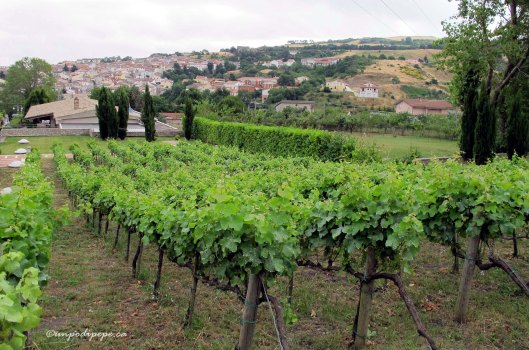
Il Vigneto del Paradiso, Orsara di Puglia

Il Vigneto del Paradiso, Orsara di Puglia

Aglianico (ahl·yah·NEE·koh) is named for ‘Hellanico’ meaning Greek or from Apulianicum, the Latin name for Puglia.  Brought to Italia by Greek settlers, it is found in Basilicata, Campania and in Puglia near the Basilicata border. It thrives in volcanic soil and is grown mostly near Monte Vulture, an extinct volcano in Basilicata (Aglianico del Vulture DOC).  Ripening late in October, it is full-bodied and musky with berry flavours, chocolate and plum aromas, firm tannins and high acidity. In Ancient Roma it may have been the main grape in the prized red Falernian wine, but there is no real evidence.

Aleatico (al·eh·ah·TEE·koh) Not the same grape as Aglianico.  Aleatico is a member of the Moscato famiy, so it is a sweet grape.  It is believed to be native to Puglia or possibly brought by the Ancient Greeks.  Grown in the Bari area and Salento, it is used for dessert wine and has the aroma of roses, berries and lychee. Aleatico di Puglia DOC, known for its pomegranate colour, is Aleatico with Negroamaro and Malvasia Nera.  Aleatico is also grown on Elba, where Aleatico di Portoferraio was enjoyed by Napoleon while he was in exile.UvaOrsaradiPuglia

Bombino Bianco means little white bomb.  The name may come from the word bonvino. Bombino Bianco is often confused with Trebbiano. In fact, in Abruzzo it is known as Trebbiano d’Abruzzo, but it is not the same as the Trebbiano grape that is grown in other parts of Italia.  So confusing! It is a late ripening, high yield crop that produces an inexpensive mild white vino. Because of the high yield and amount of juice it was known as ‘pagadebito’ or ‘straccia cambiale’ (‘debt payer’ or ‘invoice ripper’).  In the past, Bombino was grown as a ‘cash crop’ and shipped straight to Northern Europe, without even bottling, to be sold as generic white table wine.  It is now grown with more care, especially in the San Severo area of Foggia.  San Severo uses Bombino Bianco with Malvasia Bianca, Falanghina or Verdeca. There is also a Bombino Nero grape, used in Castel del Monte DOC red and rosé wines.Vignaorsaradipuglia

Cacc’e Mitt (KAH∙cheh∙MMEE∙te) is produced in the Monti Dauni of Foggia, in Lucera, Biccari and Troia.  It is made up of Uva di Troia with Montepulciano, Malvasia Nera, Susumaniello, and sometimes Bombino Bianco.  The name of this vino is dialetto for ‘togli e metti’ meaning ‘take out and put back’. This is often thought to mean the glass is always refilled because it is so drinkable. It actually refers to old winemaking techniques. The cantina and equipment were borrowed and shared, so the wine was made quickly and tubs emptied to give space to the next contadino.  Cacc’e Mitt was ‘vino dei poveri’ wine of the poor.  After the vendemmia, contadini would pass through again and collect what was left of the various grapes. This is why white grapes are also included.  The Cacc’e Mitt Festival is held every year in Lucera at the end of August/beginning of September.

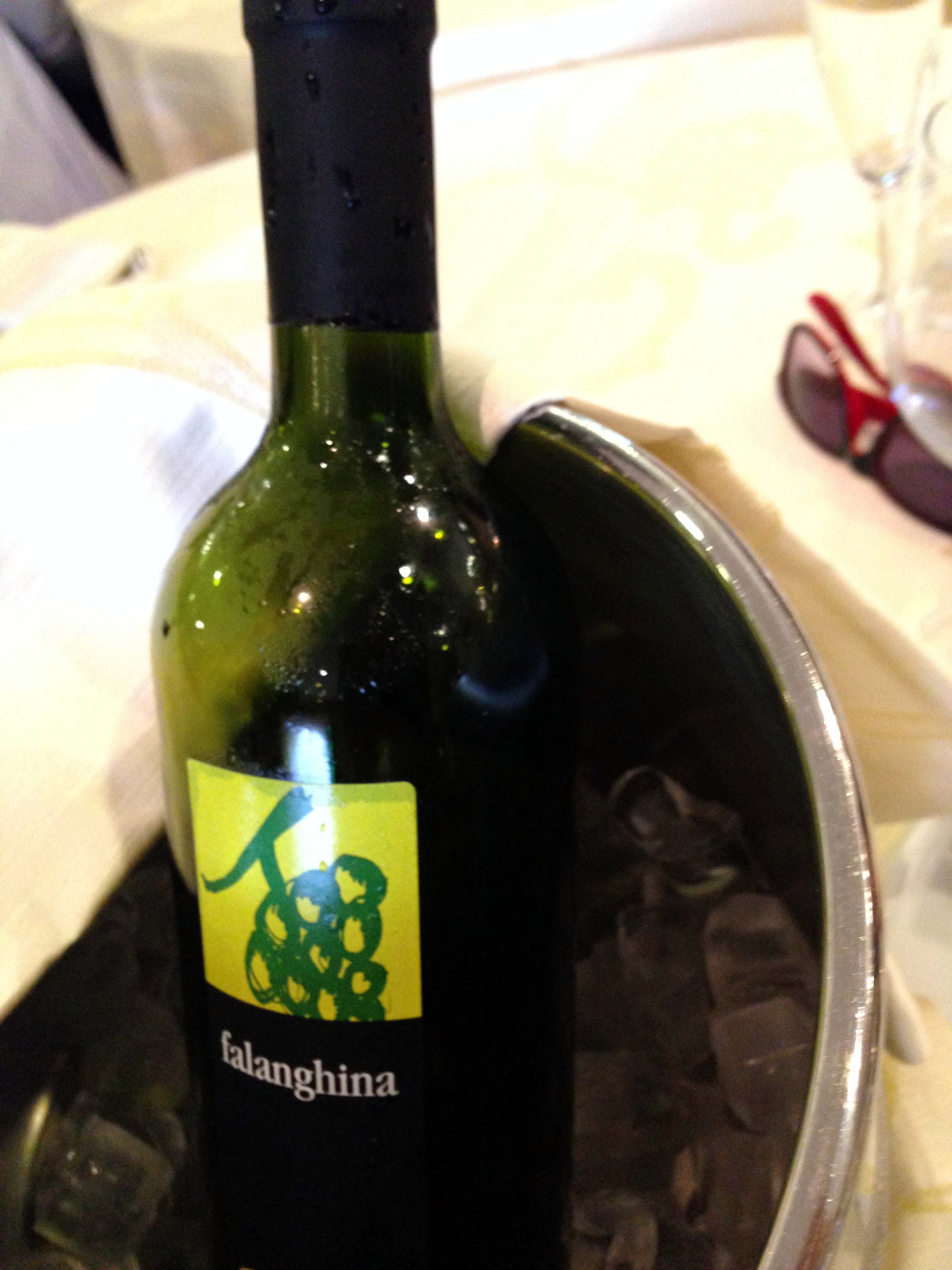
Falanghina is an ancient white grape brought by Greek settlers in the 7-8th Century BC.  The name comes from the Latin ‘falanghae’, the stakes that supported the grapevines.  I wonder if this is related to ‘phalanges’, the anatomical name for the finger bones? Grown in Puglia, but more common in Campania, Falanghina is yellow skinned and has a slight pine scent and orange, apple and pear aromas. Falanghina may have been one of the grapes in Falernian white, the most famous wine of Ancient Roma.Falanghina

Malvasia is the name of a group of related grapes from the Mediterranean, mostly white, with a handful of reds for blending.  Of ancient origin, the name comes from the Monemvasia fortress near Sparta or Malevizi on Crete. Malvasia is related to the Athiri grape grown all over Greece.  Malvasia was 1 of 3 major wines exported from Greece in the middle ages.  It grows well in dry climates, sloping terrain and well-drained soil.

Malvasia Nera –parents are Negroamaro and Malvasia Bianca Lunga. It is mostly a blending grape used with Negroamaro.  Salice Salentino wine is Negroamaro with 15% Malvasia Nera, Nardò is Negroamaro with Malvasia Nera di Lecce.  It has a dark colour and smells like chocolate covered cherries!villajamelevigna

Moscato di Trani The main grape in Moscato di Trani is Moscato Bianco, of Ancient Greek origins.  Trani is a beautiful port town that is definitely worth seeing. Wines from Puglia were traded via Trani to Venezia, starting in the 11th century.  In 1974, Moscato di Trani 1974, was one of the first vini Pugliese to achieve DOC status in.  It is vino dolce, a sweet dessert wine that goes well with almonds, pastries, and mild cheeses.  It is a gold colour with woody and spicy aromas.  Moscato di Trani is produced in the Trani and Bari areas and also in Cerignola and Trinitapoli, Provincia di Foggia.

Susumaniello, also called Somarello is among the most obscure grape varieties.  An ancient grape only found in Puglia, it is originally from Greece or Croatia.  It is the offspring of Sangiovese with the white Garganega grape. It is high yield and usually blended with Negroamaro and Malvasia Nera.  It is a deep ruby colour with the aroma of red berries, plums and peppery dark chocolate.  Somarello is dialetto for asinello or little donkey, implying the grapevines are heavily loaded like a donkey.

Tuccanese-Featured in Vini di Puglia post #3, coming soon!

Verdeca is a white blending grape from Croatia.  Verdeca + Primitivo are the parents for Plavina Crna, a red grape found only in Croatia. Interestingly, Verdeca is not found in Croatia today.  Verdeca is grown in the ‘trulli’ areas of Alberobello, Locorotondo, Cisternino, Fasano, Martina France, Ceglie Messapica and Ostuni.  Locorotondo DOC and Martina Franca DOC are delicate dry whites and spumanti made with Verdeca, Bombino Bianco and Malvasia grapes.Uvapianoparadiso
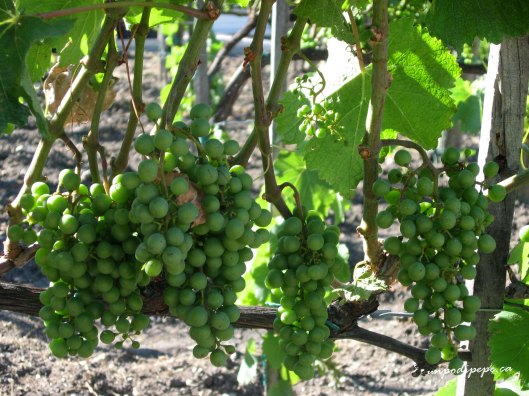
Zibibbo This last one is not a common grape in Puglia, but I had to include it for sentimental reasons.  I asked Papà what grapes were grown at La Cupa in my Nonno’s campagna. He said ‘Tuccanese, Malvasia Bianca, Mene di vacca and Zibib’.  Zibib?  What is a Zibib??? I looked it up and there actually is a grape called Zibibbo or Zibib.  It means ‘dried grape’ in Egyptian (Zibib) or Arabic (Zabib).  One of the oldest unmodified vines in existence, it is also called Moscato d’Alessandria. It is used to make Passito di Pantelleria, a white moscato from the Sicilian volcanic island of Pantelleria. The Zibib at La Cupa was planted by my Bisnonno Antonio in the early 1900’s so who knows how it got there!
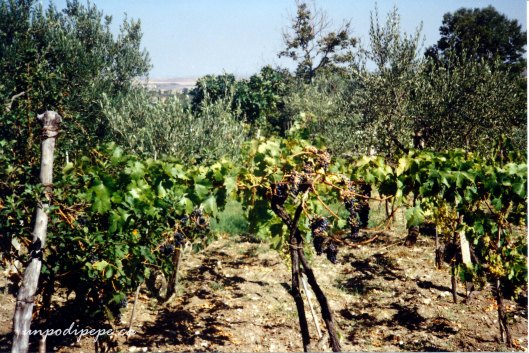
Vigneto, La Cupa 1994

Vigneto, La Cupa 1994

Un Lessico per Vinicolture/A Glossary of Viniculture terms

Botte=wood barrels

Contadino=farmer

Corposo=full-bodied

DOC/DOCG=Denominazione di Origine Controllata (G=e Garantita) =controlled designation of origin/controlled and guaranteed designation of origin.  A quality assurance label for Italian food products.

Raccolta=harvest

Uva=grape Uve=grapes

Vendemmia=the grape harvest

Vendemmiare=to harvest the grapes

Vigneto=vineyard

Vigna =vineyard

Viticoltura=viniculture/grape growing

Viticoltore=grape grower

Vitigno=species of grapevine

Vitigni autoctoni=autochthonous grapes, which are native or indigenous

Salute! Vini di Puglia Part 3, Il Tuccanese coming soon!
Share this:

  • Share on Facebook (Opens in new window) Facebook
  • Share on Pinterest (Opens in new window) Pinterest
  • Share on X (Opens in new window) X
  • Email a link to a friend (Opens in new window) Email
  • Share on WhatsApp (Opens in new window) WhatsApp
Like Loading...

Vini di Puglia

01 Wednesday Jun 2016

Posted by Un po' di pepe in Italia, Puglia, Vino

≈ 26 Comments

Tags

Autochthonous vines, Diomedes, Italian wines, Negroamaro, Nero di Troia, Primitivo, Pugliese Traditions, Southern Italy, Vini di Puglia, Wines of Puglia

Uvadipuglia

Oenotria, ‘Land of Wine’. This is the name the ancient Greeks gave to Puglia. 425 km long, Puglia has a diverse agricultural landscape with mountains, plains, the Mediterranean sun, coastal sea breezes and fertile soil.  The climate is hot and dry, especially during the summer months.  The name Puglia comes from the Latin ‘a pluvia’ meaning without rain. These environmental features, plus the presence of vitigni autoctoni (Native or Indigenous species of grapes) provide an ideal environment for growing grapes and producing vino.

Grape harvesting and winemaking are an ancient tradition in Puglia, where the soil has been tilled for centuries.  The vines are deeply rooted to an ancestral bond with the earth and local traditions. I find the surreal peace and tranquility in the vigneti to be very therapeutic and meditative.VillaJamelevigneto

The history of vinicoltura in Puglia is based on a bit of science, and a lot of legend. According to legend, after the fall of Troy the mythical hero Diomede (Diomedes) found out his wife had been unfaithful.  Instead of returning home to Argos, he sailed about the Adriatic, created the Isole Tremiti, and then was invited by Daunus, King of the Daunia (modern Provincia di Foggia) to settle there.  Diomede allegedly planted the first vines in Puglia, brought with him from Greece and beyond.Vignastradacupa

Vino Pugliese has always been consumed and enjoyed locally. In the past, Pugliese grapes were often harvested for quantity rather than quality. They were used to blend with underwhelming Italian and European grapes that needed substance or a boost in the alcohol content.  In Puglia, grapes develop high levels of sugar over the hot summer, resulting in wines that are high in alcohol.  Mass production decreased the value of Pugliese grapes and wine.  In the 1970’s and 1980’s, government funds were available for contadini to plant wheat.  Half of Puglia’s ancient vigneti/vineyards were cut down to make way for fields of wheat.  Some ancient vines were all but lost.  Now many are being replanted and there has been a resurgence of forgotten native grapes and lesser known grapes.  Vini Pugliese are finally getting the love they deserve! There are now over 30 Pugliese DOC wines and they are generally very well priced for the quality. I still say the best stuff doesn’t leave the region.  It is made in batches too small to export and is consumed locally.

La Cantina del Paradiso, Orsara di Puglia

La Cantina del Paradiso, Orsara di Puglia

Puglia can be roughly divided into 3 wine producing areas. The first is Northern Puglia including the Daunia (Provincia di Foggia) and the northern part of the Provincia di Bari, around Castel del Monte.  The second is the Provincia di Bari including Gioia del Colle and the Val d’Itria and the third is the Salento area or the ‘heel’ of italia.  It includes the Provincia di Lecce, most of the Provincia di Brindisi and part of the Provincia di Taranto. (I will add a map soon)

This is the first of 3 blog posts about Puglia and its native vines. I have been conducting my own personal research on this topic for many years.  The sacrifices I make for my readers knows no limits!

This post will include the 3 main grapes, Primitivo, Negroamaro and Nero di Troia.  Post number 2 Aglianico to Zibibbo will feature the lesser known vigni autoctoni and a wine vocabulary, and post number 3 will be dedicated to Tuccanese. Salute!

Vini Pugliese available at my local BC Liquor Store

Vini Pugliese available at my local BC Liquor Store

3 Main Vitigni Pugliese/Grapevines:

Primitivo is the most internationally well-known Pugliese grape.  It is grown across Puglia, especially in Taranto (Primitivo di Manduria) and the Gioia del Colle area in Bari.  The production of Primitivo has increased in recent years.  The name was given by a late 18th Century monk who studied botany.  It does not mean primitive, but comes from the Latin ‘Primatirus’ which means early ripening.  La vendemmia (the grape harvest) for Primitivo is August to early September.  It was previously known by other names, including Zagarese, possibly meaning from Zagreb.  In 1881, Primitivo vines were first brought to Manduria from Gioia del Colle as part of the dowry of Contessa Sabini di Altamura. Including vines in a dowry may sound strange, but also implies they must have been considered valuable!

Primitivo is ‘corposo’ (full bodied) and has lots of anthocyanins. The grape can turn much of its sugar content into alcohol, reaching up to 18% alcohol!  It is aromatic with hints of sour and black cherry, fig, blueberry and blackberry. Primitivo has a spiciness of pepper and licorice when grown in certain types of soil and it is often aged in oak. Not a productive vine, it gives low to medium yields. Primitivo ripens unevenly and will over ripen quickly.  If the tips are pruned in spring, a second harvest with a lower alcohol content is possible mid September to October. In Manduria, Primitivo grows on red soil.  It is also grown on volcanic soil, and even sand near the sea.

Primitivo arrived in Puglia from across the Adriatic thousands of years ago with the ancient Greeks. It may have crossed the Adriatic again in the 15th Century with Slavs and Greek Albanians arriving in Puglia to seek refuge from the Ottoman Turks.

Like all Italians, Primitivo has cugini, or cousins. Zinfandel has been proven by genetic analysis to be a clone of Primitivo and Crljenak Kastelanskj (Plavina) a vine on the coast and islands of Croatia. Pugliese immigrants in the 1800’s and early 1900’s likely brought their native grapes to California. Primitivo is also one of the parents of Plavac Mali, another Croatian grape.Stradacupaprimitivo

Negroamaro is grown almost exclusively in Puglia and is one of Italia’s most ancient vines.  It is grown all over Puglia, but especially in the Salento, the ‘heel’ of Puglia.  Since ‘niger’ is Latin for black and ‘amaro’ means bitter in Italiano, the name is thought to mean ‘Black bitter’, after its strong colour and tannins. The amaro part of Negroamaro is actually from ‘Mavros’ the Greek word for black.  In this case, Negroamaro actually means ‘black black’.  It is thought to have been brought to Puglia by Greek colonists around the 8th Century BC so it makes sense that the grape developed a hybrid Latin/Greek name.

Puglia is an ideal habitat for Negroamaro grapes as they tolerate hot and dry well, and are very adaptable to different soils, even in rocky areas. Negroamaro has a rich dark red colour and is corposo but not too tannic or acidic, making it very easy to drink! It has flavours of ripe plums and baked raspberries with hints of cinnamon and anise, and is rich in polyphenols including the antioxidant resveratrol.  La vendemmia for Negroamaro is after Sept 10 to the beginning of October. Negroamaro is usually used on its own, or blended with Malvasia Nera. The first rosé bottled in italia in 1943 was a Negroamaro rosé. My favourite Italian rock band is Negramaro without the ‘o’, from Lecce. I recommend listening to Negramaro with a glass of Negroamaro!

Nero di Troia (also called Uva di Troia) is named after and grown around Troia, in the Monti Dauni area of Foggia and near Castel del Monte.  Troia is only 14 km from Orsara di Puglia so I know it well!  Nero di Troia is thought to be those very vines brought by Diomedes from Troy when he was welcomed by the king of the Daunia!  Genetic analysis does show it originates in the Adriatic area.  We also know Nero di Troia was around in the 13th century during the reign of Federico II of Svevia.

Nero di Troia is a late ripening grape, with vendemmia in mid to late October. It is very purple skinned, rich in polyphenols and especially tannins but is not too acidic or tannic tasting. It has a spiced woody taste with hints of blackberry, licorice, cherry, black currant, black pepper and violets. Nero di Troia goes down nicely and leaves a silky feel on the palate.  Traditionally it has been blended with other grapes.  For example, Castel del Monte wines blend 75% Nero di Troia with 25% Montepulciano. In recent years, there has been a move towards appreciating the unique characteristics of Nero di Troia on its own and it is becoming increasingly well-known and appreciated.NerodiTroia

In Orsara Papà often buys Nero di Troia to drink at home with meals. It comes in a 3L plastic bottle at the grocery store for €5.50!  Seriously.  It has an expiry date and he transfers it into 4x 750 ml glass bottles.  It may not be the best Nero di Troia available, but it’s very good and the best value for $. Now you all know for sure I am not a wine snob!  Visit Troia the last Sunday in July for ‘La notte del Nero di Troia’. Maybe I’ll see you there?  Salute! CristinaPianoParadiso

Read the rest of the trilogy:

Vini di Puglia Part 2 Aglianico to Zibibbo

Vini di Puglia Part 3 Il Tuccanese

Ciao, Cristina

Share this:

  • Share on Facebook (Opens in new window) Facebook
  • Share on Pinterest (Opens in new window) Pinterest
  • Share on X (Opens in new window) X
  • Email a link to a friend (Opens in new window) Email
  • Share on WhatsApp (Opens in new window) WhatsApp
Like Loading...

San Gimignano

15 Friday Apr 2016

Posted by Un po' di pepe in Firenze, Italia, Photography, Travel

≈ 6 Comments

Tags

Dante Alighieri, Firenze, Italian history, Italy travel tips, San Gimignano, Siena, Torre Grossa, Toscana, UNESCO World Heritage Sites, Vernaccia di San Gimignano

Torri di San GimignanoSan Gimignano’s skyline looks like a Medieval Metropolis, complete with early grattacieli (grat•tah•chee•EH•lee = skyscrapers). It was known as San Gimignano delle belle Torri -San Gimignano of the beautiful towers. The site was an Etruscan settlement, then a castello called Silvia with a walled village built around it.  Silvia was renamed San Gimignano in 450 after the Bishop of Modena, who spared it from Attila the Hun’s troops.San Gimignano Torre

San Gimignano became an independent town in 1199. It was prosperous, being a stopping point on La Via Francigena, the medieval pilgrimage route from Canterbury to Roma, via France.  San Gimignano also traded in local zafferano (zaf•fer•RAN•noh = saffron) and wine from the white Vernaccia grape. The earliest mention of Vernaccia di San Gimignano is in the archives of 1276! In 1966, 690 years later, it was the first Italian vino bianco to receive DOC recognition.

The 13 and 14th Centuries saw San Gimignano caught in the Guelph/Ghibelline conflicts.  Read about this in Dante’s post. Wealthy San Gimignanesi built tower houses as symbols of power and wealth, as well as for protection.  The height of these torri kept increasing, up to 70m high, to keep up with the neighbors. There were originally 72 torri and 14 still stand today.

Waves of plague and famine hit San Gimignano in the mid 1300’s. The ‘black death’ claimed almost half the population, and San Gimignano was now under the rule of Firenze.  Fiorentino control prevented any urban development that happened in other towns.  As a result, San Gimignano was preserved in a medieval ‘time warp’, retaining its original atmosphere and appearance.  Little changed until the 19th century when it became a tourism destination. Today the population is 7800 and it does have 1 traffic light! To protect San Gimignano from the effects of mass tourism, strict rules prevent modification to the appearance or intended use of buildings.

Bancomat Medievale/Medieval Bank Machine!

Bancomat Medievale/Medieval Bank Machine!

In 1990, the Historic Center of San Gimignano became a UNESCO World Heritage Site for its outstanding examples of medieval architecture and original urban layout.Piazza della Cisterna

The Cattedrale know as La Collegiata, has Masterpieces of 14th and 15th Century art.  Inside the front façade is the Fresco of Last Judgement, Heaven and Hell by Taddeo di Bartolo (1393). The Cappella di Santa Fina with frescoes by Domenico Ghirlandaio (1475) was featured in the 1990 Franco Zeffirelli film ‘Tea with Mussolini’.

In the Palazzo Comunale is the Sala di Dante where Dante Alighieri spoke as an ambassador for the Guelphs in May 1300. The Pinacoteca has treasures by Filippino Lippi, among others.  Climb the 218 steps of the adjacent 54m Torre Grossa for views of San Gimignano and the Val d’Elsa.  Admission is €6.View from Torre Grossa

Piazza della Cisterna is triangular with a well on an octagonal pedestal in the center, surrounded by medieval buildings. It is named for the underground cistern built in 1287 which was the main source of water for the San Gimignanesi.  Piazza della Cisterna is the meeting point of the Via Francigena and the road from Pisa to Siena, so it was a happening place in medieval times.

Piazza della Cisterna, seen from Torre Grossa

Piazza della Cisterna, seen from Torre Grossa

San Gimignano is an easy daytrip on the bus from Firenze, Siena or Poggibonsi. There is no direct train. The train route is to change trains at Empoli to Poggibonsi and then bus from there. It’s also nice to be there in the evening or overnight when all of the daytrippers have left.

Like Alberobello, no matter how many hordes of tourists it is overrun with, San Gimignano is incantevole (een•can•teh•VOH•leh = enchanting) and definitely worth a visit. I need to go back to do ‘research’, since I have a drawer full of unfinished sketches, monotypes and etchings!

Buon Viaggio, Cristina

Share this:

  • Share on Facebook (Opens in new window) Facebook
  • Share on Pinterest (Opens in new window) Pinterest
  • Share on X (Opens in new window) X
  • Email a link to a friend (Opens in new window) Email
  • Share on WhatsApp (Opens in new window) WhatsApp
Like Loading...

Il Pantheon

08 Monday Feb 2016

Posted by Un po' di pepe in Architecture, Art history, Italia, Photography, Roma

≈ 15 Comments

Tags

Ancient Roma, Pantheon, Piazza della Rotonda

Piazzadellarotonda500 years ago, Michelangelo entered the Pantheon and stated that it looked more like the work of angels than humans. The Pantheon is an architectural masterpiece and the most well-preserved building from Ancient Rome.  This is probably because it has been in continuous use since it was built.  The original use of the Pantheon is not known.  Many think it was a temple to all the gods, since ‘Pan-theos’ is Greek for ‘all gods’, although Ancient Roman temples were dedicated to single gods.  ‘Pan-theos’ might also refer to the heavens, the territory of the gods.  According to legend the site is where Romulus, the founder of Roma ascended to the heavens.  IlPantheonMarcus Agrippa, Augustus’ commander in chief built the original Pantheon on his own land, so it may have been a private building.  This building burned down in 80 AD and then was struck by lightning and burned again in 110 AD! The Pantheon standing today was completed around 126 AD by Emperor Hadrian.  He kept the original inscription under the pediment ‘M.Agrippa.L.F.Costertium.Fecit’ (Made by Marcus Agrippa, son of Lucius in his third time as Consul) which caused confusion about the construction date.  The Pantheon was given to the Pope in 609, and it has been the Church of Santa Maria dei Martiri ever since, but it is usually still called the Pantheon.Pantheonfontana

From the outside, the Pantheon looks like a Greek temple. It is actually a round building (rotunda) with a portico of eight 12m (39 ft) high granite Corinthian columns up front and 8 more in behind. These columns are each a single 60 ton piece of stone quarried in Egypt.  Imagine the journey these huge stones made to get here….they were dragged through the desert, barged down the Nile to Alexandria, shipped across the Mediterranean to the port of Ostia, barged down the Tevere to Roma and then hauled overland to the site of the Pantheon!Pantheon oculus

Enter into the Pantheon and it is immediately clear what Michelangelo meant. Overhead is the largest unreinforced concrete dome in the world-still after almost 2,000 years! The Romans invented concrete, using a mixture of volcanic ash and soil from Pozzuoli, lime and rocks, but they did not have rebar, so this is amazing! The 8 m wide hole in the roof is the oculus and the shaft of light coming in from the sun moves slowly throughout the day like a sun-dial.  When looking up, the dome feels like it could rotate. The oculus and front door are the Pantheon’s only sources of natural light.  Concrete walls 6m (20 ft) thick support the dome, which is 6m thick at its base but narrows to 1.2m (3.9 ft) around the oculus.  Lighter materials, such as tufa, pumice and even broken terra cotta pots were used towards the top to further lighten the load.  The oculus also lightens the load at the very top, acting as a compression ring where the roof would be its weakest. Rainwater coming in through the oculus is drained off through holes and a drainage system under the slanted marble floor.

Is it a mask for Carnevale? No, these are drainage holes in the floor right below the oculus!

Is it a mask for Carnevale? No, these are drainage holes in the floor right below the oculus!

The height of the oculus is 43.3m (150 Roman feet) and the diameter of the building is also 43.3m. A perfect 43.3m sphere would fit inside the building. For another visual, if the dome was flipped upside down, it would fit perfectly inside the rotunda.

The perfect mathematical proportions of the Pantheon invoke harmony and symbolize the earth and the heavens. The Pantheon has provided inspiration to architects including Brunelleschi and Michelangelo for almost 2,000 years.  Public buildings throughout the world are modelled on the Pantheon’s ‘portico and dome’ design.Pantheonchapel

In the 17 the Century, the Barberini Pope Urbano VII removed the bronze ceiling from the portico and melted it down to make cannons for Castel Sant’Angelo. The outrage prompted the saying ‘Quello che non hanno fatto i barberi hanno fatto i Barberini’ (What the barbarians didn’t do, the Barberini did), implying that the Pantheon had survived numerous barbarian invasions, only to be looted by the Barberini family. In addition to functioning as a Classical Masterpiece and a Church, many notable Italiani are buried in the Pantheon.  Some of these include Vittorio Emanuele II, Umberto II and his wife Margherita di Savoia, Rafaelle Sanzio da Urbino (Raphael) and his fiancée Maria Bibbiena.

Il Pantheon from Il Vittoriano

Il Pantheon from Il Vittoriano

‘La Pioggia delle Rose al Pantheon’ (the rain of roses) is on my list of things to see. This takes place on Pentecost Sunday, 50 days after Easter.  At noon, right after Mass, Roma’s Vigili del Fuoco (fire fighters) climb to the top of the dome and drop thousands of rose petals through the oculus as choirs sing.  The rose petals symbolize the Holy Spirit coming down to earth.  Even Michelangelo would be impressed!

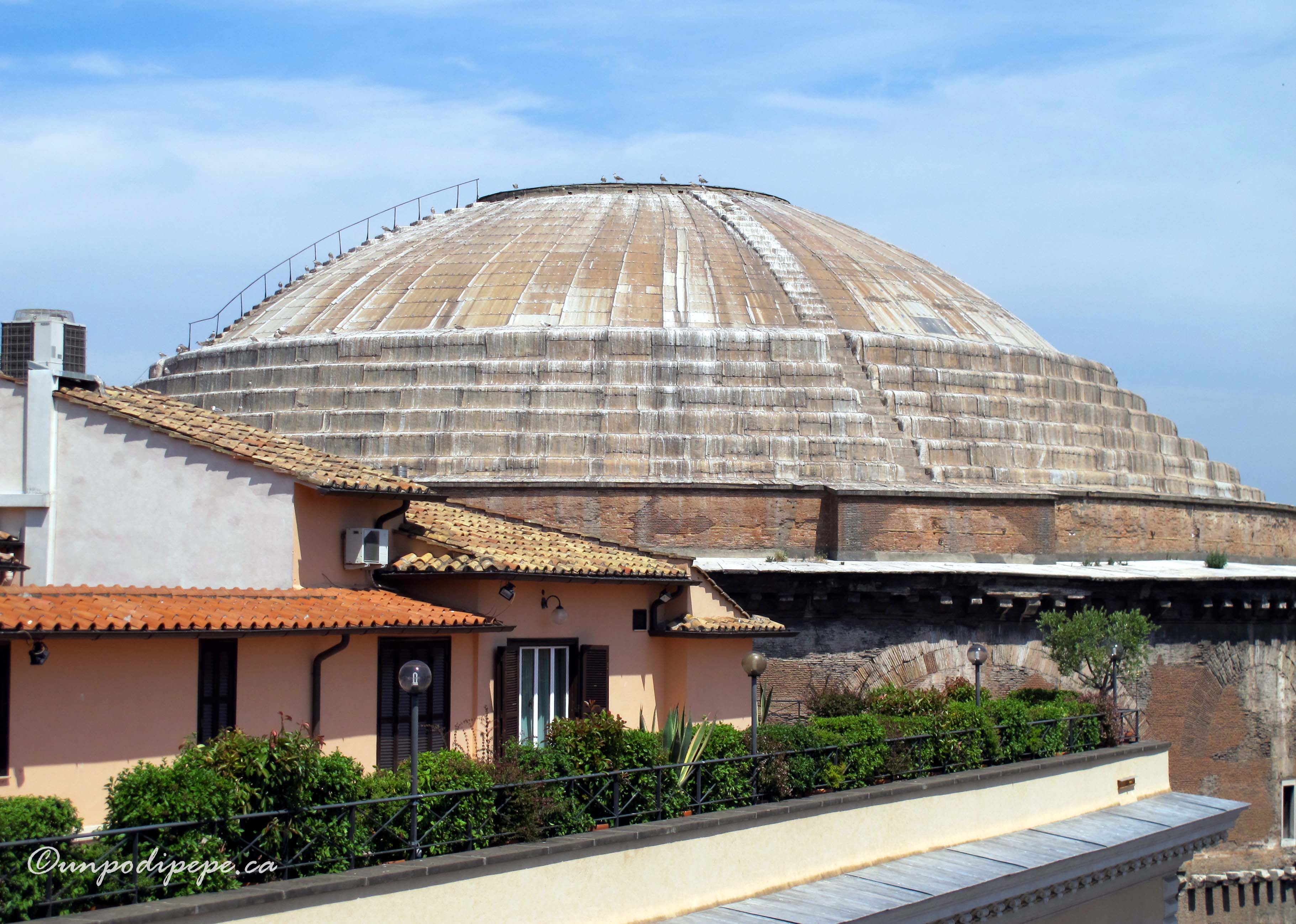
The dome and oculus, viewed from the roof of Grande Hotel de la Minerve

The dome and oculus, viewed from the roof of Grande Hotel de la Minerve

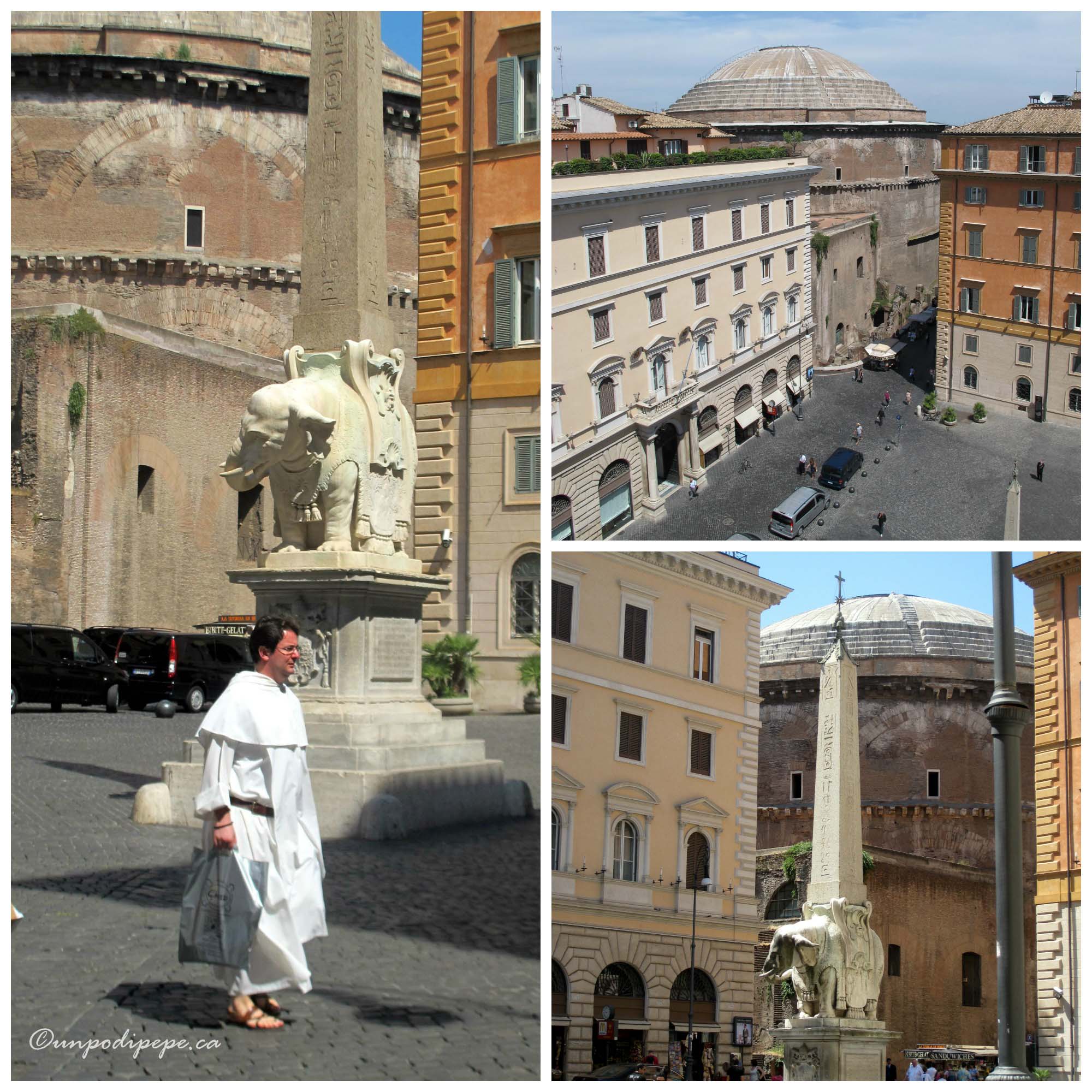
Il Pantheon from Piazza de la Minerva

Il Pantheon from Piazza de la Minerva

Il Pantheon is also featured in my post ‘Un Giorno a Roma’.

©2016 http://www.unpodipepe.ca


Share this:

  • Share on Facebook (Opens in new window) Facebook
  • Share on Pinterest (Opens in new window) Pinterest
  • Share on X (Opens in new window) X
  • Email a link to a friend (Opens in new window) Email
  • Share on WhatsApp (Opens in new window) WhatsApp
Like Loading...

Viste di Firenze

29 Sunday Nov 2015

Posted by Un po' di pepe in Firenze, Italia, Photography, Travel

≈ 12 Comments

Tags

Firenze, Florence, Piazzale Michelangelo, Ponte Vecchio, San Miniato al Monte, Santa Croce, Santa Maria del Fiore, Torre di Giotto

OLYMPUS DIGITAL CAMERA

When I travel I seem to be attracted to the view from the tallest thing I can find.  Maybe it’s because I’m ‘vertically challenged’?  It does lead to some spectacular views.  Here is a collection of my favourite scatti (shots) of viste(views) of Firenze .

La Terrazza degli Uffizi

La Terrazza degli Uffizi

Il Duomo di Santa Maria del Fiore from la Torre di Giotto (Giotto's Tower)

Il Duomo di Santa Maria del Fiore from la Torre di Giotto (Giotto’s Tower)

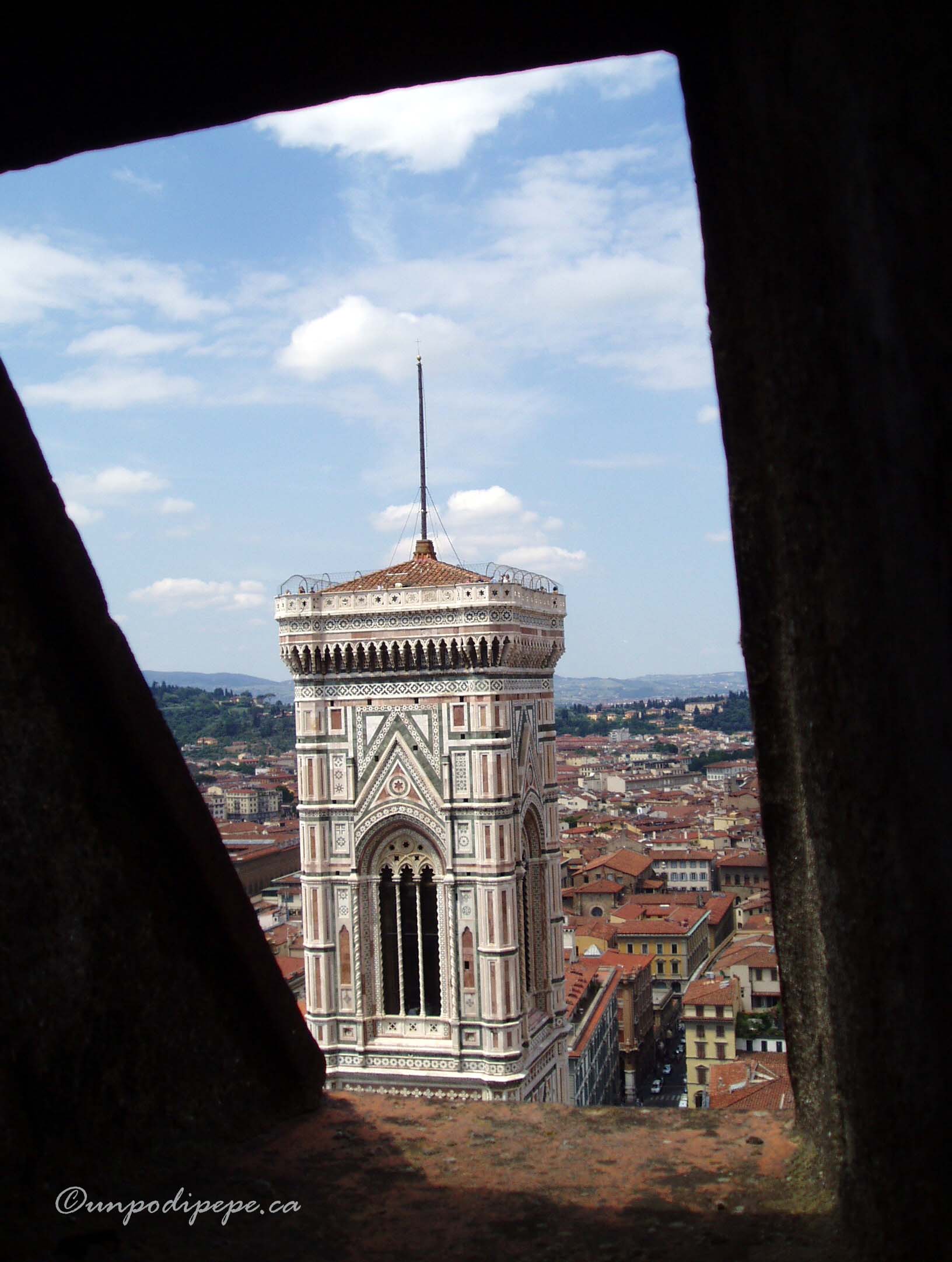
La Torre di Giotto vista dal Duomo

La Torre di Giotto vista dal Duomo

'Santa Maria sotto restauro'

‘Santa Maria sotto restauro’

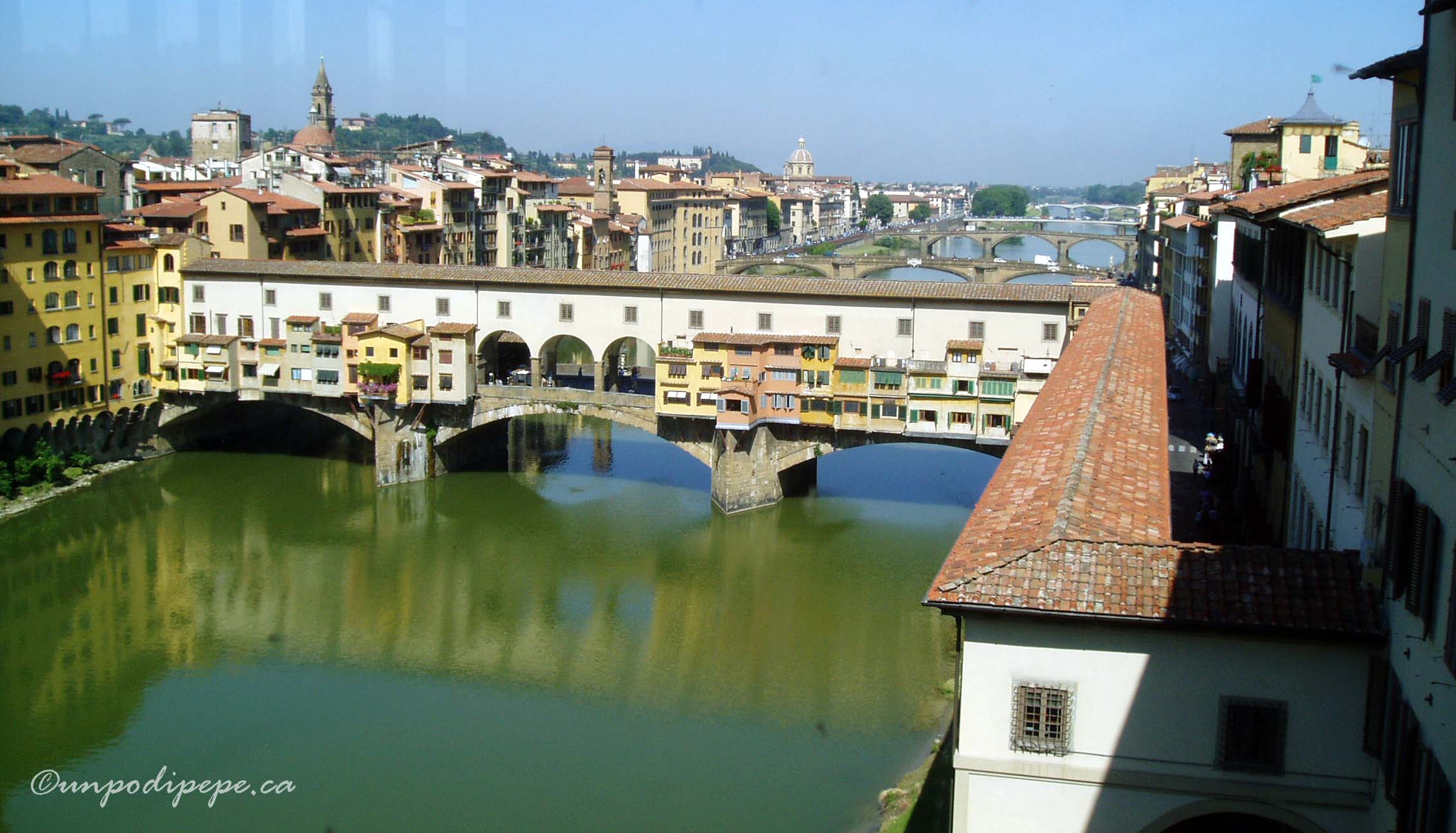
Vista dalla finestra degli Uffizi/View of the Ponte Vecchio from a window in the Uffizi Gallery

Vista dalla finestra degli Uffizi/View of the Ponte Vecchio from a window in the Uffizi Gallery

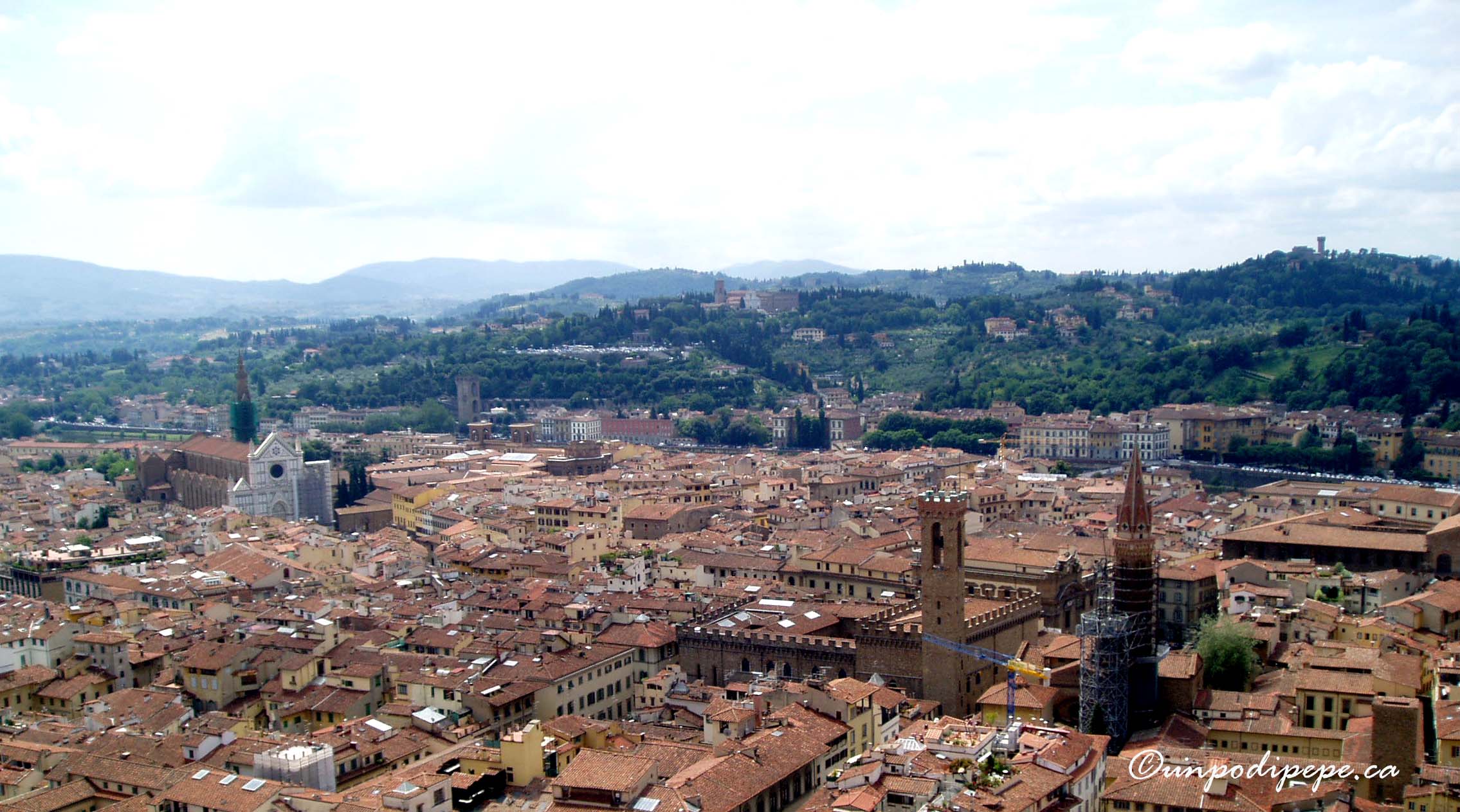
Vista di Santa Croce dalla Torre di Giotto

Vista di Santa Croce dalla Torre di Giotto

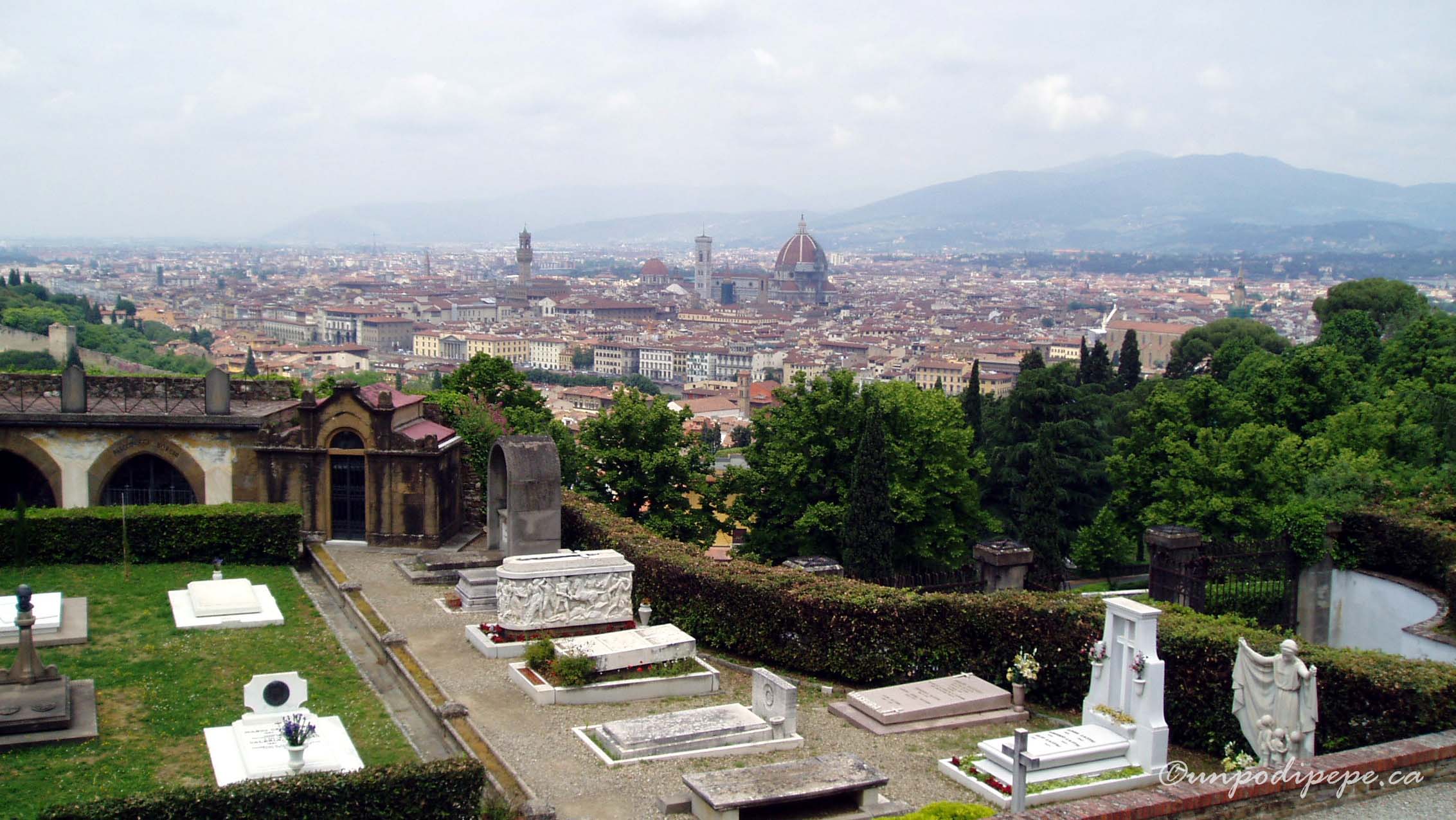
Firenze vista dal cimitero San Miniato al Monte/Firenze seen from the cemetery, San Miniato al Monte

Firenze vista dal cimitero San Miniato al Monte/Firenze seen from the cemetery, San Miniato al Monte

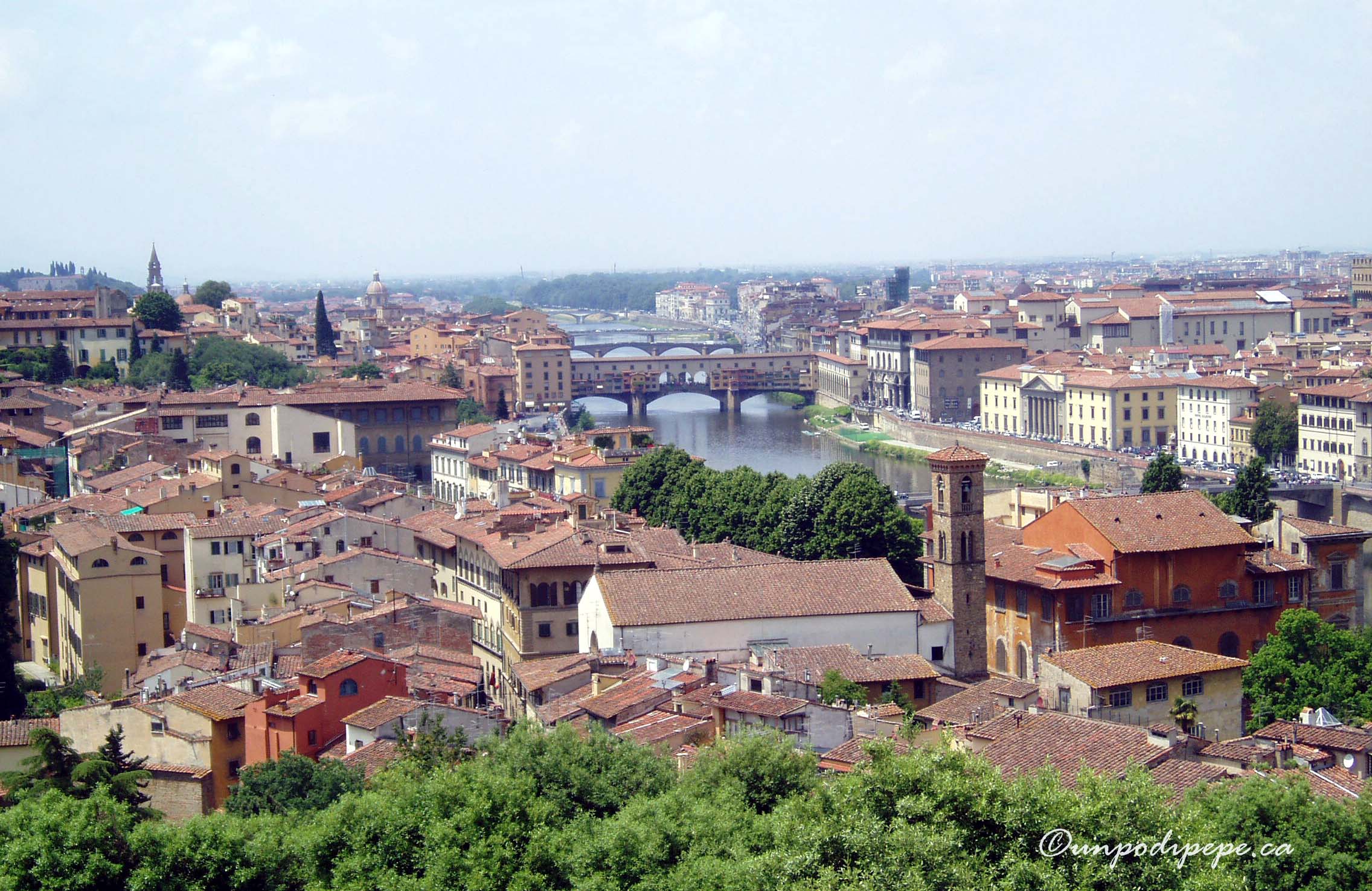
Vista da Piazzale Michelangelo

Vista da Piazzale Michelangelo

Ciao, Cristina

Share this:

  • Share on Facebook (Opens in new window) Facebook
  • Share on Pinterest (Opens in new window) Pinterest
  • Share on X (Opens in new window) X
  • Email a link to a friend (Opens in new window) Email
  • Share on WhatsApp (Opens in new window) WhatsApp
Like Loading...

I Sassi di Matera

04 Sunday Oct 2015

Posted by Un po' di pepe in Italia, Photography, Travel

≈ 15 Comments

Tags

Basilicata, Carlo Levi, Chiese Rupestri, European Capital of Culture, I Sassi di Matera, Italian history, Italy travel tips, Luisa Levi, Matera, Sasso Barisano, Sasso Caveoso, Southern Italy, UNESCO World Heritage Sites

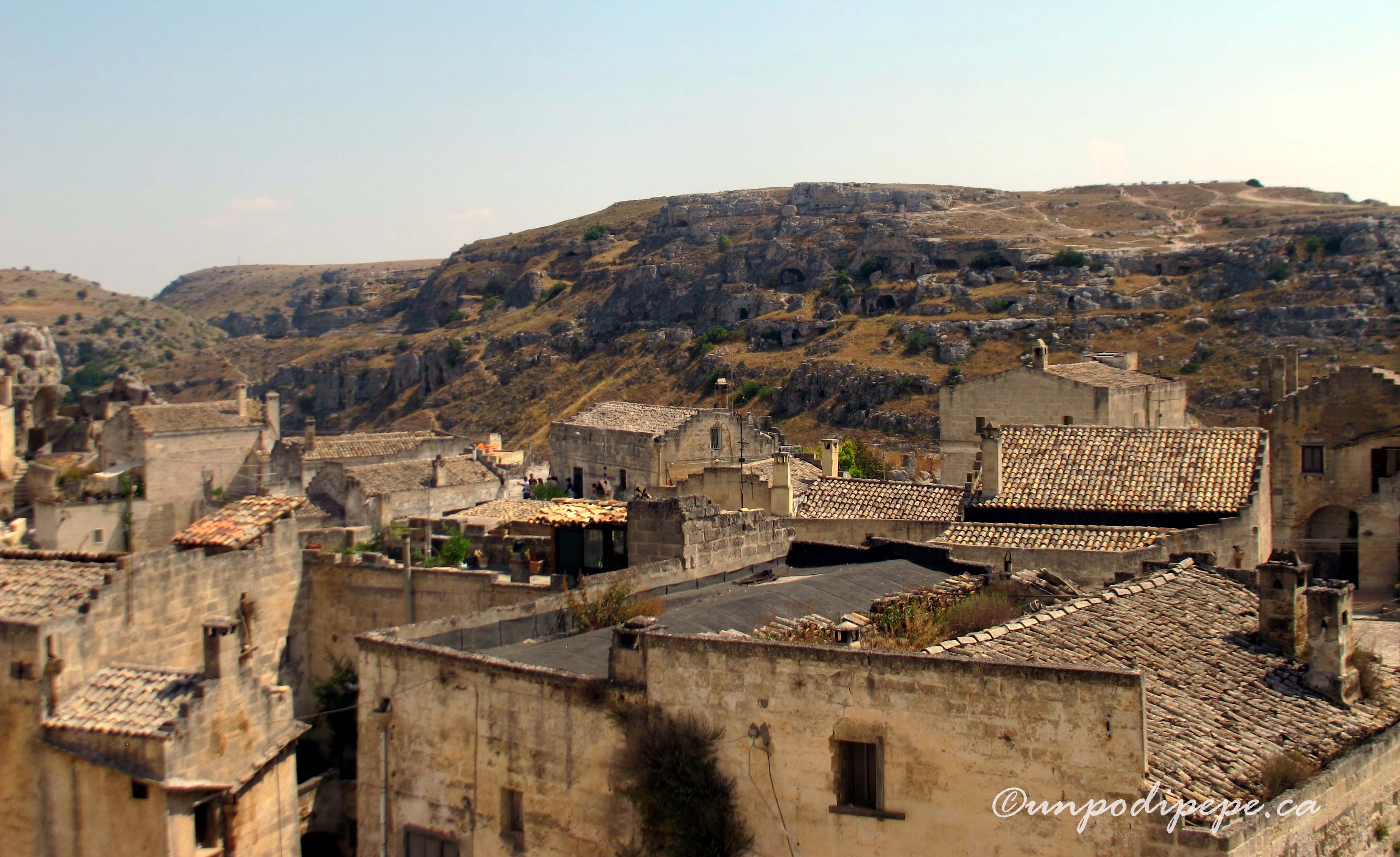
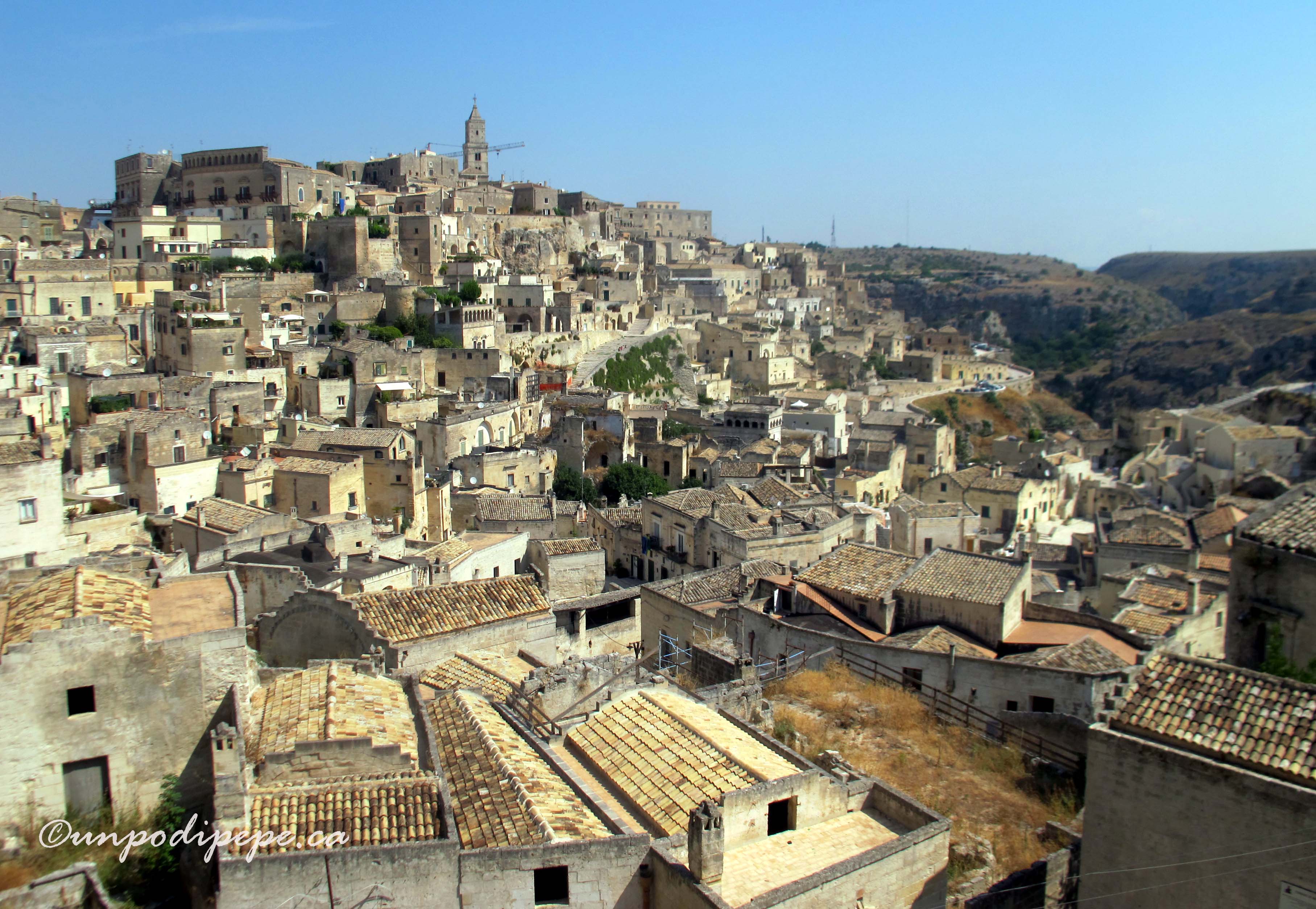
MateraMatera is a rock-cut settlement in Basilicata, the most isolated, least visited region of Italia. It is one of the world’s oldest living cities, continuously inhabited for over 9,000 years.  Clinging to a 300m gravina (ravine) carved out by the river below, Matera seems to rise straight up from the earth, built in 2 natural basins. These basins are the ‘Sassi’ districts, Sasso Caveoso and Sasso Barisano. Sassi means stones and refers to the rock cut cave dwellings. The higher ground in between the 2 Sassi districts is the Civita.  Above the Sassi, on the Piano (plain/plateau) modern Matera is barely visible. The Piano was originally used for agriculture and water collection.Materagravina

Across the canyon, the west side of the gravina is the Murgia Plateau and the Parco Archeologico Storico Naturale delle Chiese Rupestre Materano. The original stone-age settlement was on this side.  The Parco Archeologico is filled with grotte (caves), Chiese Rupestri (churches carved into the rock), Neolithic villages and tombs. From Matera, the grotte look like little mouseholes. With the invention of tools it was easier to dig into the softer tufo (calcareous rock) on the east side of the gravina and Matera was excavated from this rock.

Grotte (caves) across the ravine from Matera

Grotte (caves) across the ravine from Matera

Materapanorama2The Sassi developed in layers over time, as Matera was home to every passing civilization. On the surface the Sassi look deceiving. House fronts are facades-built in front of, on top of and around caves! Incredible systems of underground cisterns and canals were built to collect and distribute rainwater.Materapanorama5
Matera’s isolated location made the area attractive to religious communities. Between the 8th and 13th centuries, Byzantine Basilian monks escaping religious persecution lived in the grotte. There are over 150 Chiese Rupestri with priceless Byzantine frescoes throughout Matera and the Parco delle Chiese Rupestri. By the 15th century, peasants and animals occupied the grotte left by the monks.

Things moved along for the next few centuries. When Matera was the provincial capital 1663-1806, increased activity caused a rise in population. In the 18th and 19th centuries, the wealthier Materani moved into the newer town on the Piano, leaving only contadini and artigiani (farmers and artisans) in the Sassi. By the early 20th century, the Sassi could not accommodate the increased population. Overcrowding plus development of the Piano also affected the water collection systems and led to poor sanitary conditions. With less farmland available, the poverty was unbelievable. Large families shared dark, crowded case grotte (cave homes) with sheep, pigs and goats. Some were only accessible by a trapdoor and ladder. There was no electricity, running water or sewage. It’s hard to imagine these kind of living conditions.

Matera’s situation continued on unnoticed- until the 1945 release of ‘Cristo si è Fermato a Eboli’ (Christ Stopped at Eboli), Carlo Levi’s memoir about his year as a political prisoner in Basilicata in 1935/36. Levi was a doctor, writer and artist from a wealthy family in Torino. He was exiled to a small town near Matera for his Anti-fascist views. Near the beginning of the book, his sister Luisa, also a doctor, needs a permission form stamped in Matera so she can visit him. She describes the Sassi as ‘a schoolboy’s idea of Dante’s Inferno’. She states ‘I felt, under the blinding sun as if I were in a city stricken by the plague. I have never in all my life seen such a picture of poverty. ..This is how 20,000 people live!’ There was a 50% infant mortality rate, malaria, dysentery and trachoma. Eboli is south of Napoli and the title is a local expression suggesting that Christ didn’t make it as far as Basilicata so they are beyond civilization and hope.Materasassibn

Carlo spends a few hours in Matera near the end of the book and says ‘I had time to see the town and then I understood my sister’s horror, although at the same time I was struck by it’s tragic beauty’. I’ve read this book twice and definitely recommend it. It is very philosophical and it is obvious from Levi’s writing and painting that this experience affected him profoundly. His paintings from Basilicata are on display in the Museo di Arte Medievale e Moderna in Palazzo Lanfranchi.

Levi’s book became internationally known and brought to light the living conditions in Basilicata. Matera became ‘La Vergogna Nazionale’ the National Shame. The Sassi were declared unsafe and unsanitary, although only 30% were actually unsafe. US experts on rural relocation were brought in as consultants. Instead of temporarily relocating the residents while the structurally unsafe areas were fixed, the government forcibly relocated almost everyone to poorly planned government housing. Starting in 1952, 16,000 people were removed from the Sassi to new apartments in the ‘modern town’ that were built facing away from the Sassi. The move isolated families and the community and made them feel ashamed for being poor. An unfortunate example of a patronizing, poorly conceived plan to help people without consulting them or addressing the real problem.Materasassocaveoso3

The Sassi became an archeological ghost town in the 1960’s,mostly abandoned except for a few families who had stayed or moved back in. In the 1970’s squatters, local hippies, artists and drug dealers lived in the Sassi. A group of young locals formed Circolo La Scaletta, an organization that lobbied for restoration of the Sassi and protection of the frescoes. One of their supporters was Carlo Levi, now an Italian senator. Yeah Carlo! In the 1980’s laws were passed protecting the Sassi and Chiese Rupestri.

In 1993 the Sassi finally went from shame to fame when UNESCO declared I Sassi di Matera e il Parco delle Chiese Rupestri a world heritage site. Calling it ‘the most outstanding intact example of a troglodyte (cave dweller) settlement in the Mediterranean region, perfectly adapted to its terrain and ecosystem’. Today about 3,000 people live in the Sassi. 50% are occupied and more continue to be restored. In Sasso Caveoso, some areas are still unsafe and blocked off. Now Matera has sassi hotels, bed and breakfasts, ristoranti, offices, artisan shops and galleries as well as homes.Materauccelli

Photogenic Matera has played ancient Jerusalem in several movies, including Pasolini’s ‘Il Vangelo Secondo San Matteo’ (1964), Mel Gibson’s ‘The Passion of the Christ’ (2004), and ‘Ben Hur’ (2016).

Matera was selected as the European Capital of Culture for 2019 and will host cultural events raising its visibility and profile internationally.  Luckily, Matera is not the easiest place to get to, which will prevent it from becoming an overcrowded tourist theme park like Capri!

Exploring Matera.  Photo by D Goodheart

Exploring Matera. Photo by D Goodheart

There is something very special about this hauntingly beautiful place.  As I wandered through the alleys and mazes of Matera, I was reminded once again of the amazing courage and resilience of our contadini ancestors.

Stay tuned for more posts about Matera!

Share this:

  • Share on Facebook (Opens in new window) Facebook
  • Share on Pinterest (Opens in new window) Pinterest
  • Share on X (Opens in new window) X
  • Email a link to a friend (Opens in new window) Email
  • Share on WhatsApp (Opens in new window) WhatsApp
Like Loading...

Museo Diocesano, Orsara di Puglia

29 Saturday Aug 2015

Posted by Un po' di pepe in Art history, Italia, Italian life, Orsara di Puglia, Photography, Puglia

≈ 7 Comments

Tags

Italian history, Museo Diocesano Orsara di Puglia, Orsara di Puglia, Palazzo Varo, Puglia, Southern Italy

museodiocesanoorsaraThe last time I was in the Museo Diocesano di Orsara di Puglia was about 1980. It looks as if hardly anyone else has been there either! The Museo is right around the corner from my casa, and it is not usually open. To visit, you need to ask for the person who has the key.  Last week I was walking by and noticed it was open as there was a photo exhibit in one of the rooms. As I walked up the stone staircase it was like stepping through time.

My accidental selfie

My accidental selfie

The Museo occupies part of the upper floor of the Palazzo Varo, a 16th Century building that was part of the Abbazia dell’Angelo. The famiglia Varo sold the palazzo and it became a convent for the ‘Monache Bianche’ or white nuns. When the sisters moved in the 1960’s it became the Scuola Media until a new school was built. In the 1970’s, some of the rooms became a depository for archeological relics and museum items. The bottom floor was recently remodelled into a very nice meeting/conference area.  The upper floor has a separate entrance and is in an elegant state of decay, to match the artifacts it is housing.museodiocesanocollage2

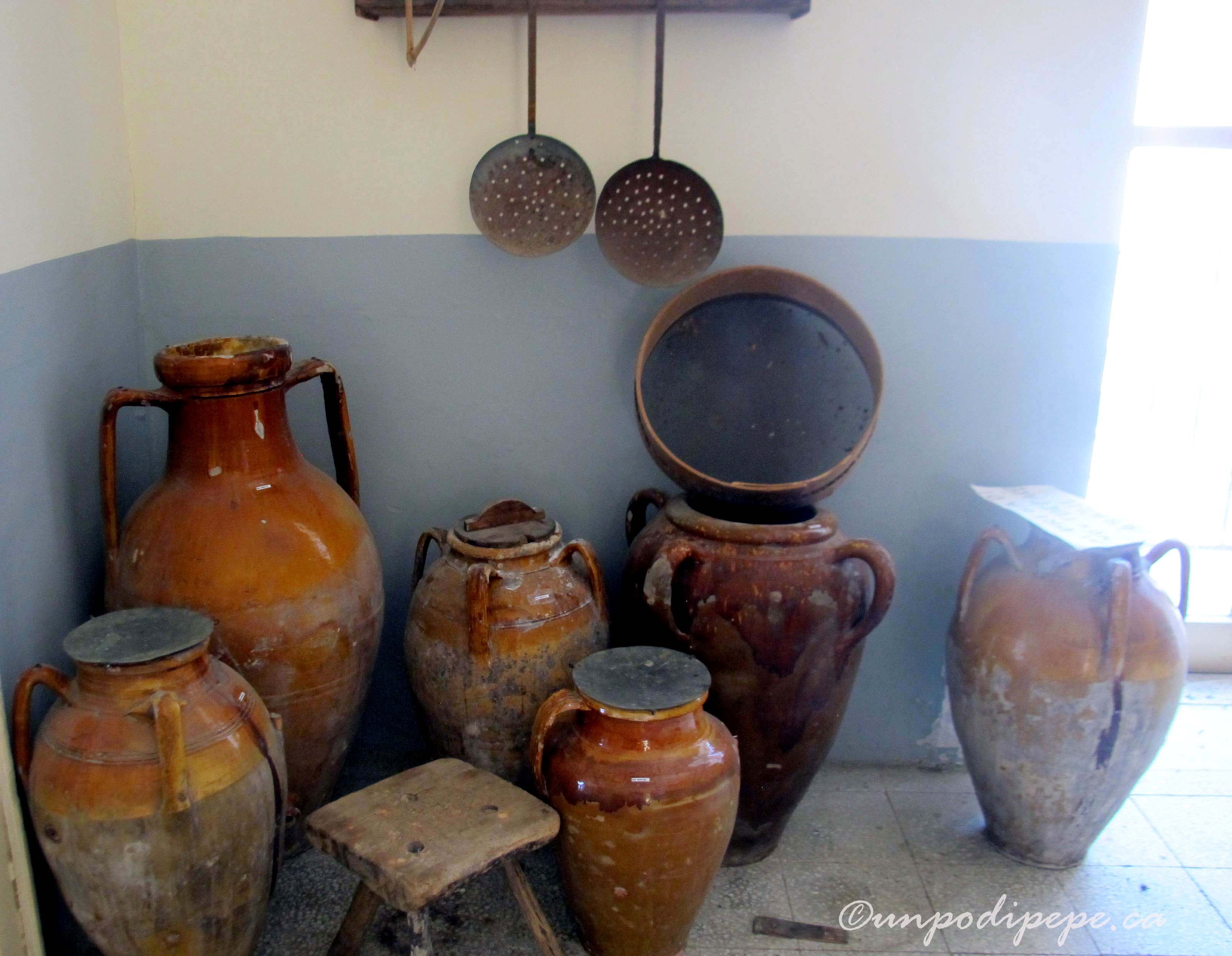
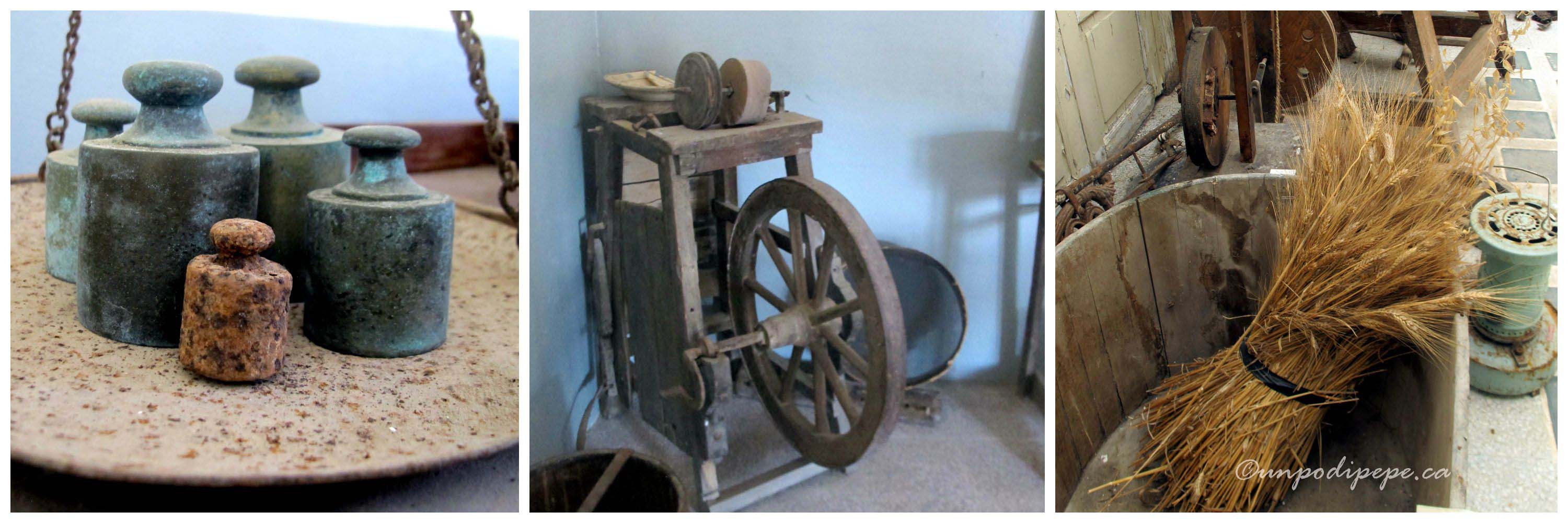
The collection is actually really impressive and reflects the history of the area.   Most of the artifacts, except the sacred items formerly used in the parish, have been donated, collected and collated by volunteers. The Museo encompasses a time span from Neolithic to mid 20th Century. That’s a really long time! The bronze and selce (flint) tools and utensils, earthenware vessels, lamps, tomb decorations and even fragments of a 10th Century pavimento (mosaic pavement) were dug up by contadini (farmers/peasants) while plowing their fields.

Roman lucerne -oil lamps

Roman lucerne -oil lamps

Ascia e lancie in Bronzo (bronze hatchet and spears)

Ascia e lancie in Bronzo (bronze hatchet and spears)

There are also farm implements, tools, utensils and household items used by local contadini in daily life. The lack of formal organization and cataloguing of the items makes the place so much more interesting. The crumbling, aging plaster walls of the formerly grand Palazzo provide a beautiful, yet ironic backdrop for the crumbling rusted work and field implements used by contadini Orsarese.

Museodiocesanocollage3 copymuseodiocesanosellaThe Museo is definitely worth a visit-you need to ask at the Parish or Comune (Town Hall) for someone to let you in.  Let me know if you need more info on this, and read Benvenuti ad Orsara di Puglia!

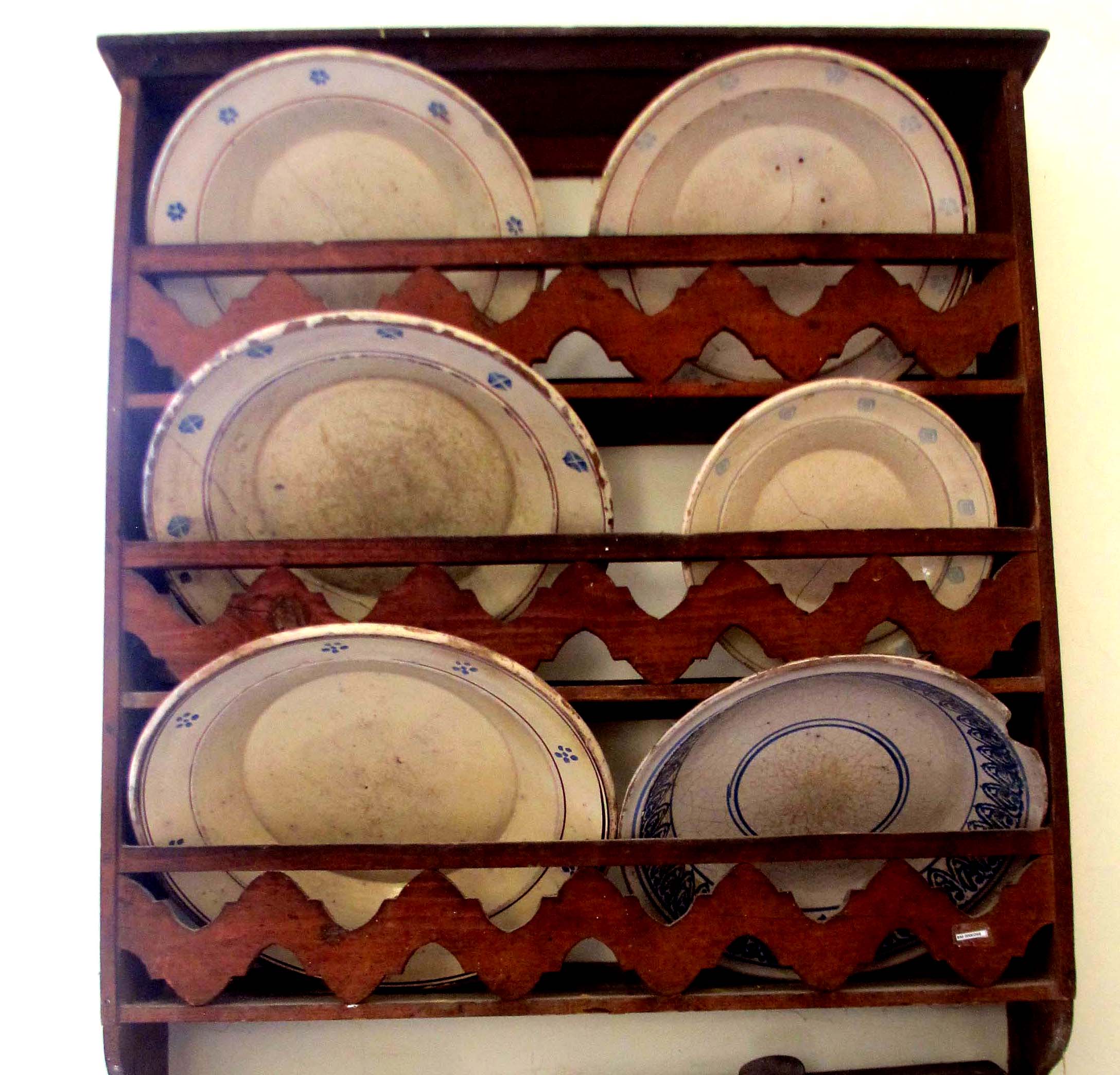
A piattaia, called a 'scudular' (scoo.doo.lahr) in Orsarese. I have one just like it, made by a friend of Papà's. My plates are quite a bit newer though!

A piattaia, called a ‘scudular’ (scoo.doo.lahr) in Orsarese. I have one just like it, made by a friend of Papà’s. My plates are quite a bit newer though!

museodiocesano3

Share this:

  • Share on Facebook (Opens in new window) Facebook
  • Share on Pinterest (Opens in new window) Pinterest
  • Share on X (Opens in new window) X
  • Email a link to a friend (Opens in new window) Email
  • Share on WhatsApp (Opens in new window) WhatsApp
Like Loading...

I Trulli di Alberobello

24 Wednesday Jun 2015

Posted by Un po' di pepe in Italia, Photography, Puglia, Travel

≈ 26 Comments

Tags

Alberobello, Architecture, Bandiera Arancione, Italian history, Italy travel tips, Puglia, Rione Aja Piccola, Rione Monti, Southern Italy, Trulli, UNESCO World Heritage Sites, Val d'Itria, Vernacular architecture, Zona dei Trulli

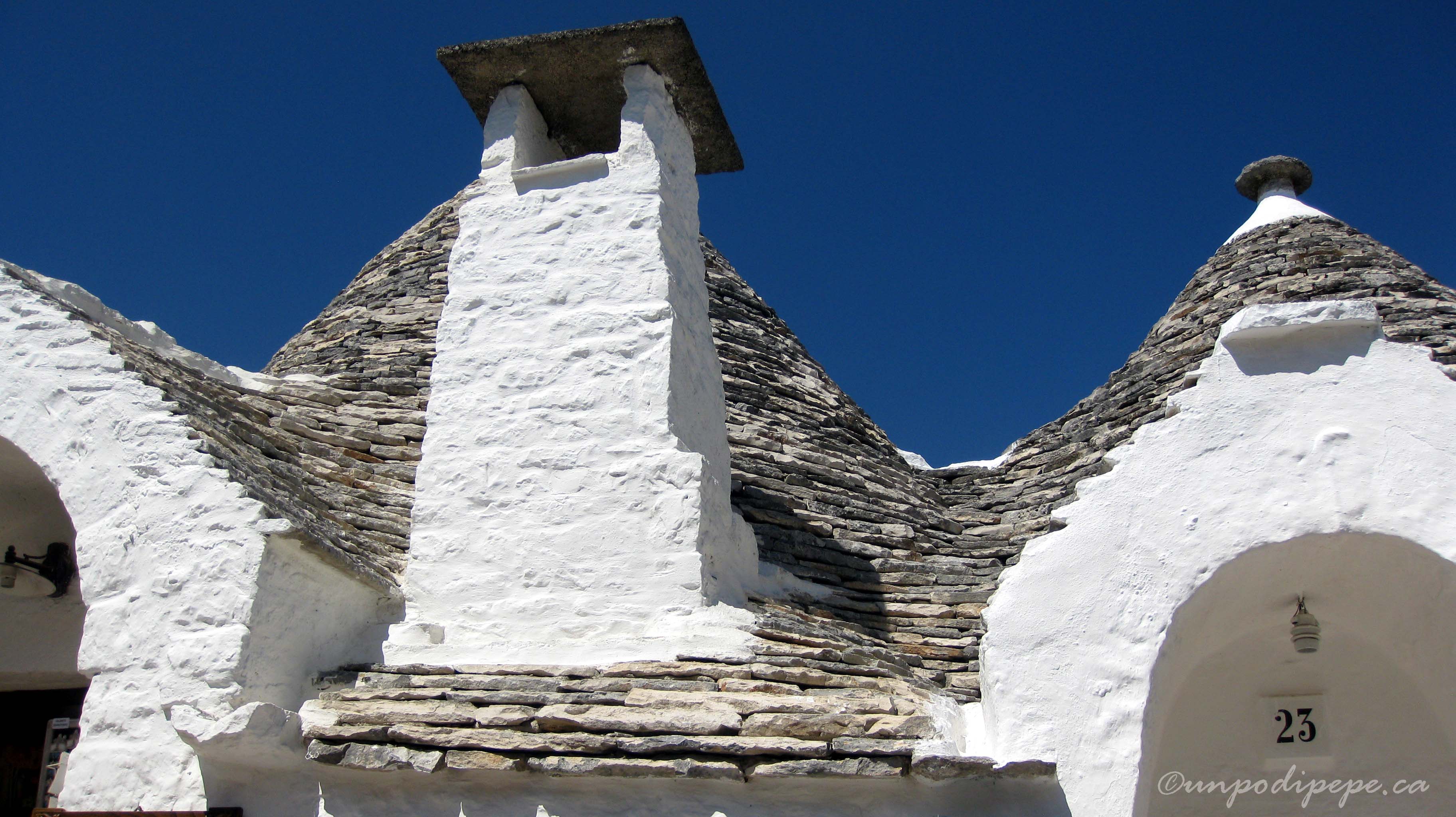
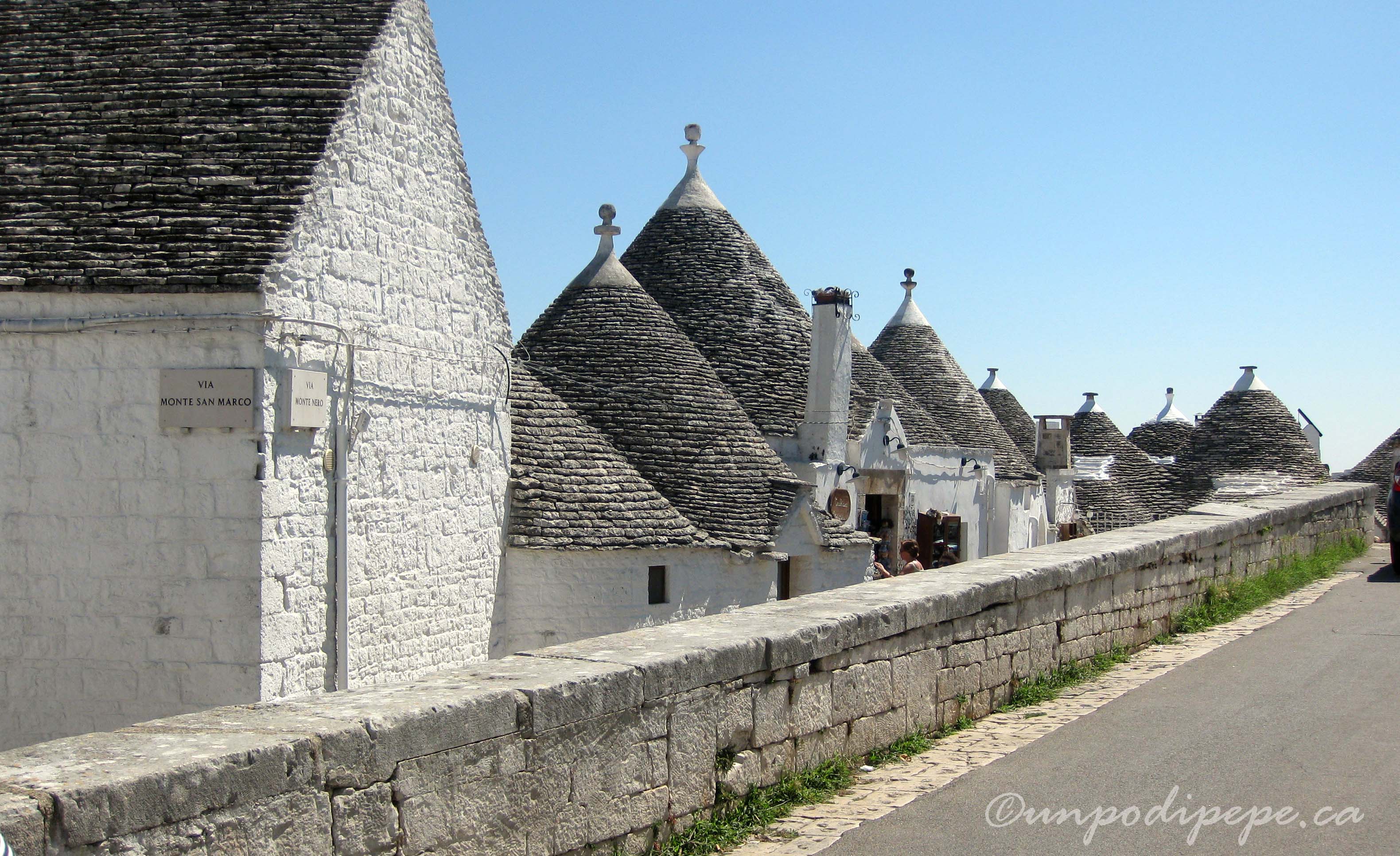
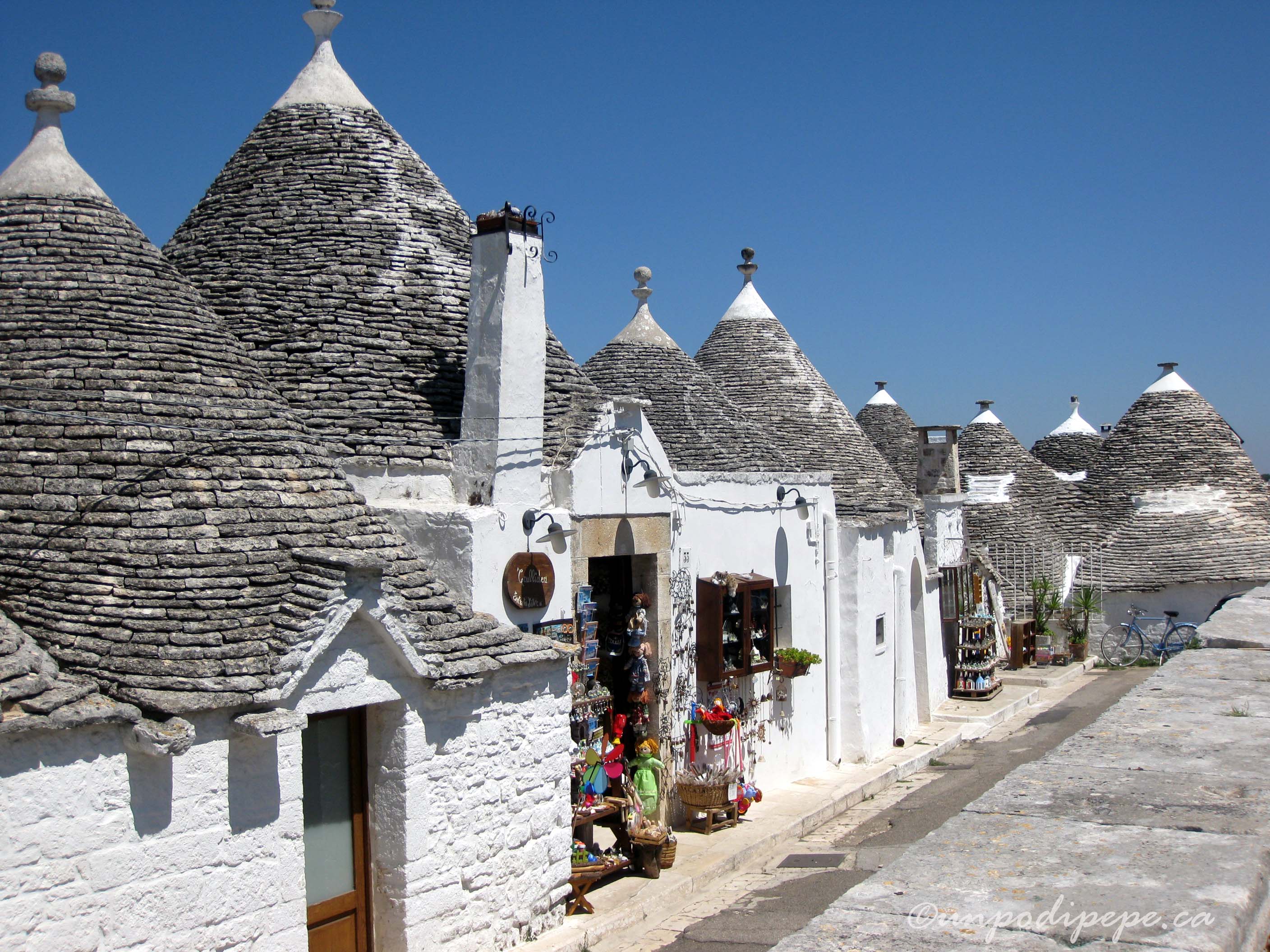
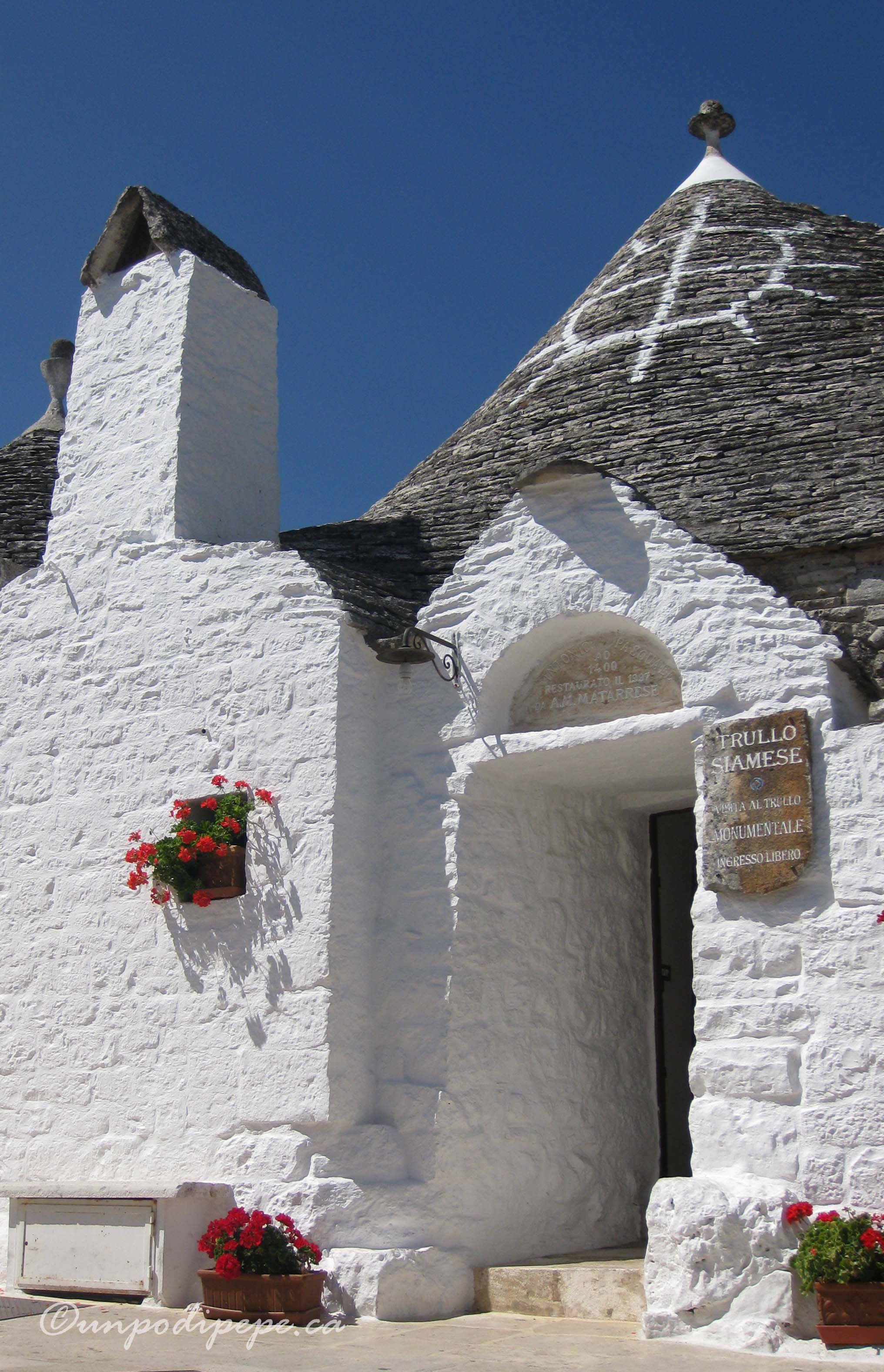
TrulliecielobluAs the car nears Alberobello, trulli (TROOL•lee) start to appear in the rural landscape and my imagination goes into overtime.  I hear the tune ‘La-la-la-la-la-la, la-la-la-la-la’ in my head and I expect i Puffi (the Smurfs) to start dancing around the whitewashed trulli! Too much midday Pugliese sun maybe?  Trulli are traditional limestone houses unique to the Val d’Itria in Southern Puglia.  They were built ‘a secco’, which means dry-without mortar.  Trulli have domed cone-shaped roofs built up of overlapping chiancharelle (kyan•ka•REL•leh)-grey limestone slabs.  On the capstone at the top is a decorative pinnacolo (pinnacle).  The shape of the pinnacolo is said to be a signature of the stonemason who built it.  Some roofs also have mythologic or religious symbols painted on them.

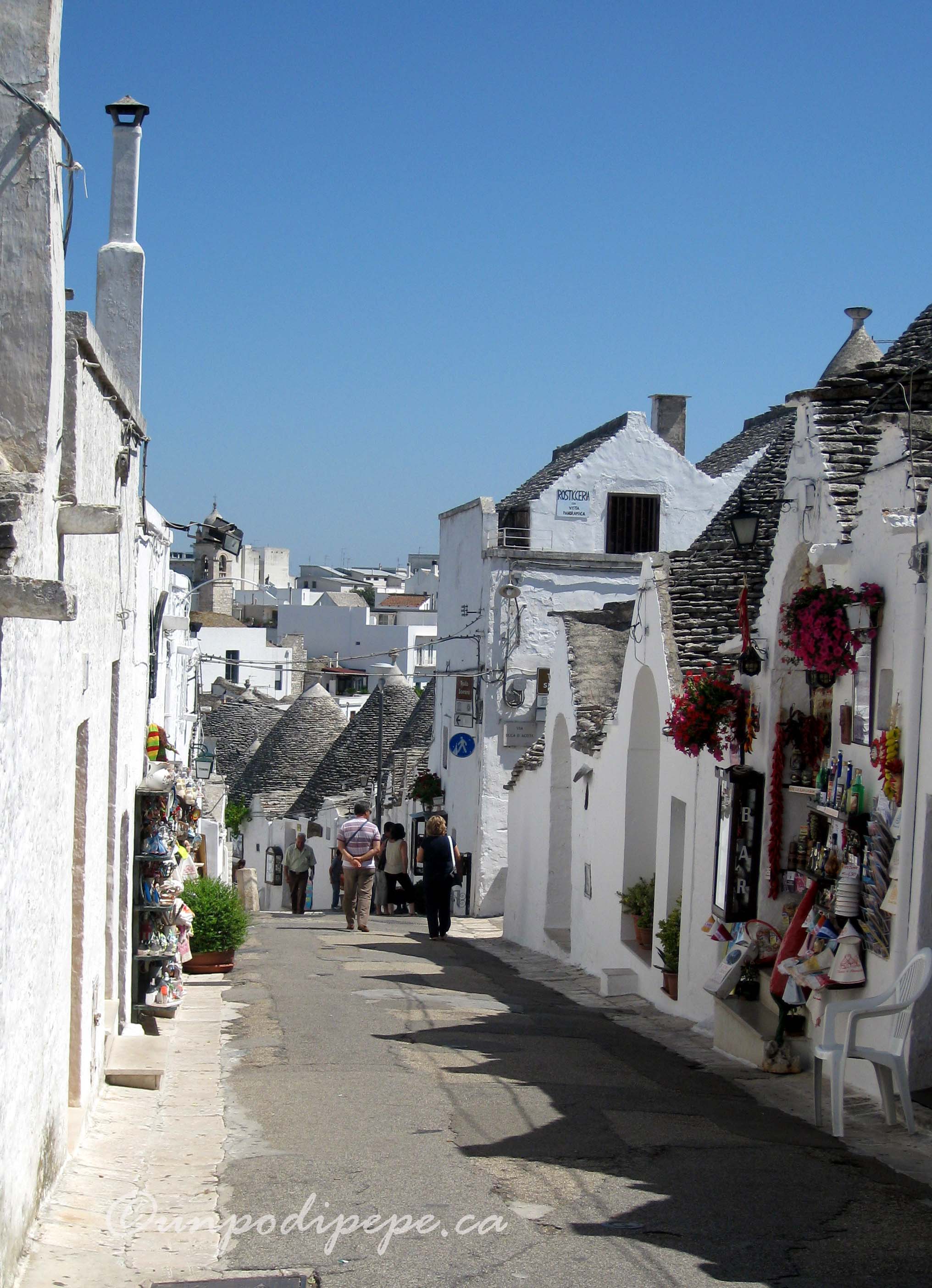
Alberobellostrada‘La Zona dei Trulli’ includes the areas around Locorotondo, Fasano, Cisternino, Martina Franca, Ceglie Massapica and the largest concentration of 1,620 trulli in Alberobello.  Alberobello and its trulli are aUNESCO World Heritage Site. UNESCO believes Alberobello is an exceptional example of the survival of prehistoric building techniques that are still in use. The fact that the buildings are so well-preserved and still occupied make the site unique.Alberobellobiancheria

The word trullo comes from tholos (τρούλος) a variation of the Greek word for cupola or dome. There were already scattered trulli settlements in the Val d’Itria around the year 1000.  These gradually grew into villages, later called Aja Piccola and Monti-the 2 trulli districts in Alberobello today. The oldest trulli we know of date back to about 1350 when the Counts Acquaviva of Conversano were given land for their service during the Crusades and colonized the area by moving people from their nearby areas.Alberobellostrada2

Tradition has it that building ‘a secco’ was imposed on the settlers so their houses could be dismantled quickly and easily. At first this was so the Count could easily dispossess villagers of their homes. Later it was a way to evade taxation imposed on each new construction by the King of Napoli. Trulli could be dismantled when the tax collector came by for an inspection, and then reconstructed just as quickly when he left. Trulli came to be known as temporary, unstable field shelters that were not worth taxing.

Trullo Siamese.  2 brothers in love with the same woman lived here.  They split it in half and the single brother installed a door into the lane.

Trullo Siamese. 2 brothers in love with the same woman lived here. They split it in half and the single brother installed a door into the lane.

In reality, trulli are anything but unstable or primitive. They are built directly on the underlying natural rock and their internal structure is very durable. The thick double walls keep the trullo warm in winter and cool in summer. There are systems for collecting rainwater using eaves projecting at the base of the roof diverting water through a channelled slab into a cistern underneath the trullo. Some trullo homes are made up of groups of 2- 5 trulli.  Most historians agree that the building technique for trulli came about due to the area’s geographical conditions and abundance of limestone. The quickie evictions and tax evasion scam came later.trulliombra

In the early 1600’s there was a group of about 40 trulli in Rione Monti (Monti District) then settlement and trullo construction really expanded with the addition of a bakery, mill, tavern and butcher shop.   In 1797 the feudal rule of the Acquaviva family ended when Ferdinand IV, King of Napoli proclaimed the community a ‘citta regia’, or royal town.  Alberobello took its name from silva arboris belli, the Latin name for the region.

Inner-city trulli?

Inner-city trulli?

Today Rione Monti has 1,030 trulli and Rione Aja Piccola has 590 trulli, many of which are still inhabited as homes by some of Alberobello’s 11,000 residents.  You can also find the trullo church of Sant’Antonio di Padova, trullo souvenir shops and ristoranti, and a trullo hotel.  In the surrounding countryside there are many trullo masserie (farmhouses) that can be rented.

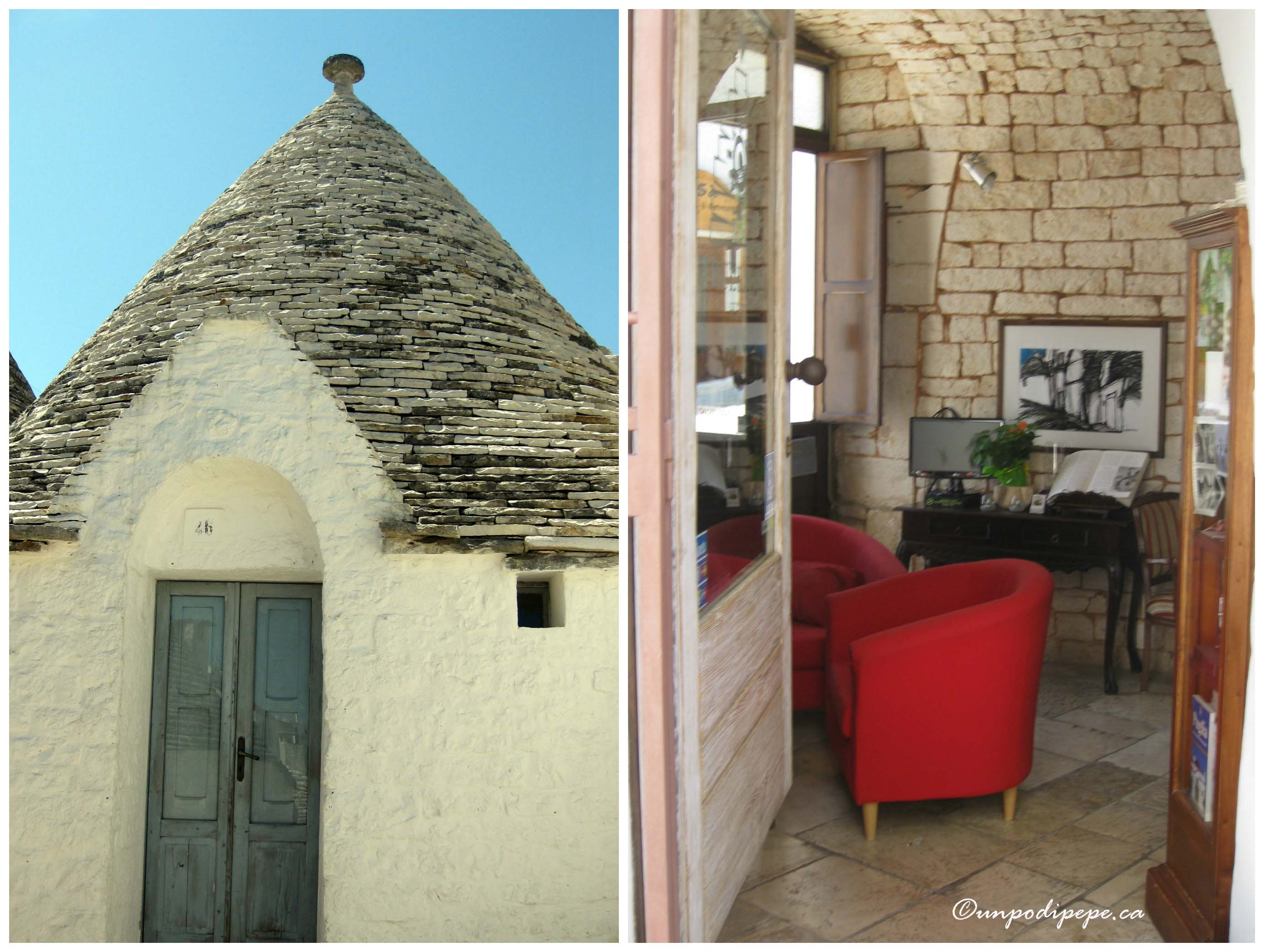
Exterior of a single trullo and interior of a trullo photo and art gallery

Exterior of a single trullo and interior of a trullo photo and art gallery

In 2010 along with Orsara di Puglia, Alberobello was distinguished with a Bandiera Arancione (orange flag) designation, a seal of quality from the Touring Club Italiano.  Alberobello can be accessed by train or bus from Bari. Although Alberobello is quite ‘touristy’, it still retains its charm and is definitely worth a visit.  If you can brave the mid-day sun in the summer, the cast shadows against whitewashed walls are an artist’s and photographer’s dream….but if you start dreaming about i Puffi, you had better go find some shade!

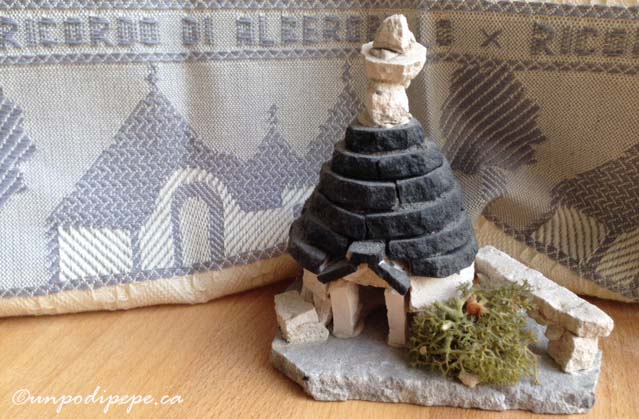
Alberobello souvenirs.  A linen towel and my very own very cute trullo.  I bought it the first time I visited Alberobello.  It's made of real limestone and chiancharelle.

Alberobello souvenirs. A linen towel and my very own very cute trullo. I bought it the first time I visited Alberobello. It’s made of real limestone and chiancharelle.

Not all of the buildings in Alberobello are trulli

Not all of the buildings in Alberobello are trulli

alberobelloombra

Ciao, Cristina

Share this:

  • Share on Facebook (Opens in new window) Facebook
  • Share on Pinterest (Opens in new window) Pinterest
  • Share on X (Opens in new window) X
  • Email a link to a friend (Opens in new window) Email
  • Share on WhatsApp (Opens in new window) WhatsApp
Like Loading...
← Older posts
Newer posts →

Enter your email address to follow 'un po' di pepe' and receive notifications of new posts by email.

Join 504 other subscribers
Follow Un po' di pepe on WordPress.com

Popular Posts

  • Hairstyling in Ancient Roma
    Hairstyling in Ancient Roma
  • Acqua Vergine
    Acqua Vergine
  • Santa Maria in Aracoeli
    Santa Maria in Aracoeli
  • Contact
    Contact
  • Hostaria Antica Roma~Eat like an Ancient Roman
    Hostaria Antica Roma~Eat like an Ancient Roman
  • About me/Chi sono
    About me/Chi sono
  • Artemisia Gentileschi
    Artemisia Gentileschi

Recent Posts

  • Pane e Salute
  • Sanremo 2026
  • Cucina Italiana Patrimonio UNESCO
  • 2025~Un po’ di pepe Year in Review
  • Castel del Monte
  • ‘The Nuances of Love’
  • Hostaria Antica Roma~Eat like an Ancient Roman
  • Santa Maria in Aracoeli
  • Casino dell’Aurora~Villa Boncompagni Ludovisi
  • Nasoni di Roma
  • Bloghiversario #11
  • Fontana di Trevi
  • Acqua Vergine
  • Giubileo 2025
  • Sanremo 2025
  • In Vino there are Memories
  • A Literary Harvest
  • 2024~Un po’ di pepe Year in Review
  • Buon Natale 2024
  • Il Bicerin
  • Mercato Porta Palazzo
  • Torino
  • Catanzaro, Calabria
  • Il Pumo Pugliese
  • Artemisia Gentileschi

Categories

Amici e Famiglia Architecture Art Art history Art projects Bilingual posts Blogging Canada Culture Feste Firenze Inspiration Italia Italian Folklore Italian language Italian life Italocanadesi Libri Mangiamo! Orsara di Puglia Parole piacevoli Photography Puglia Recipes Roma Travel Travel tips Uncategorized Vino

Archives

Un po’ di pepe on Facebook

Un po’ di pepe on Facebook

Start a Blog at WordPress.com.

  • Subscribe Subscribed
    • Un po' di pepe
    • Join 504 other subscribers
    • Already have a WordPress.com account? Log in now.
    • Un po' di pepe
    • Subscribe Subscribed
    • Sign up
    • Log in
    • Report this content
    • View site in Reader
    • Manage subscriptions
    • Collapse this bar
 

Loading Comments...
 

    %d