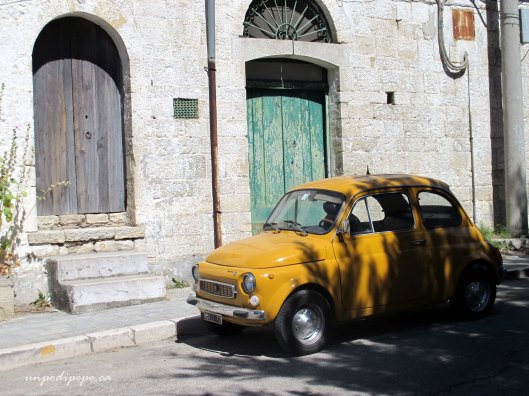
 Italia has 20 regioni /regions. So far, I have been to 14 of them. I love them all, but my absolute favourite is Puglia. Why? Well, aside from the obvious reason that it is home, there are countless others. I have narrowed this post down to my top 10 reasons to love Puglia-in no particular order. There are a lot of links to previous posts included here. Please check them out! Many of my Puglia posts were written when this blog only had about 27 readers, 80% of them related to me. These posts need some new love!
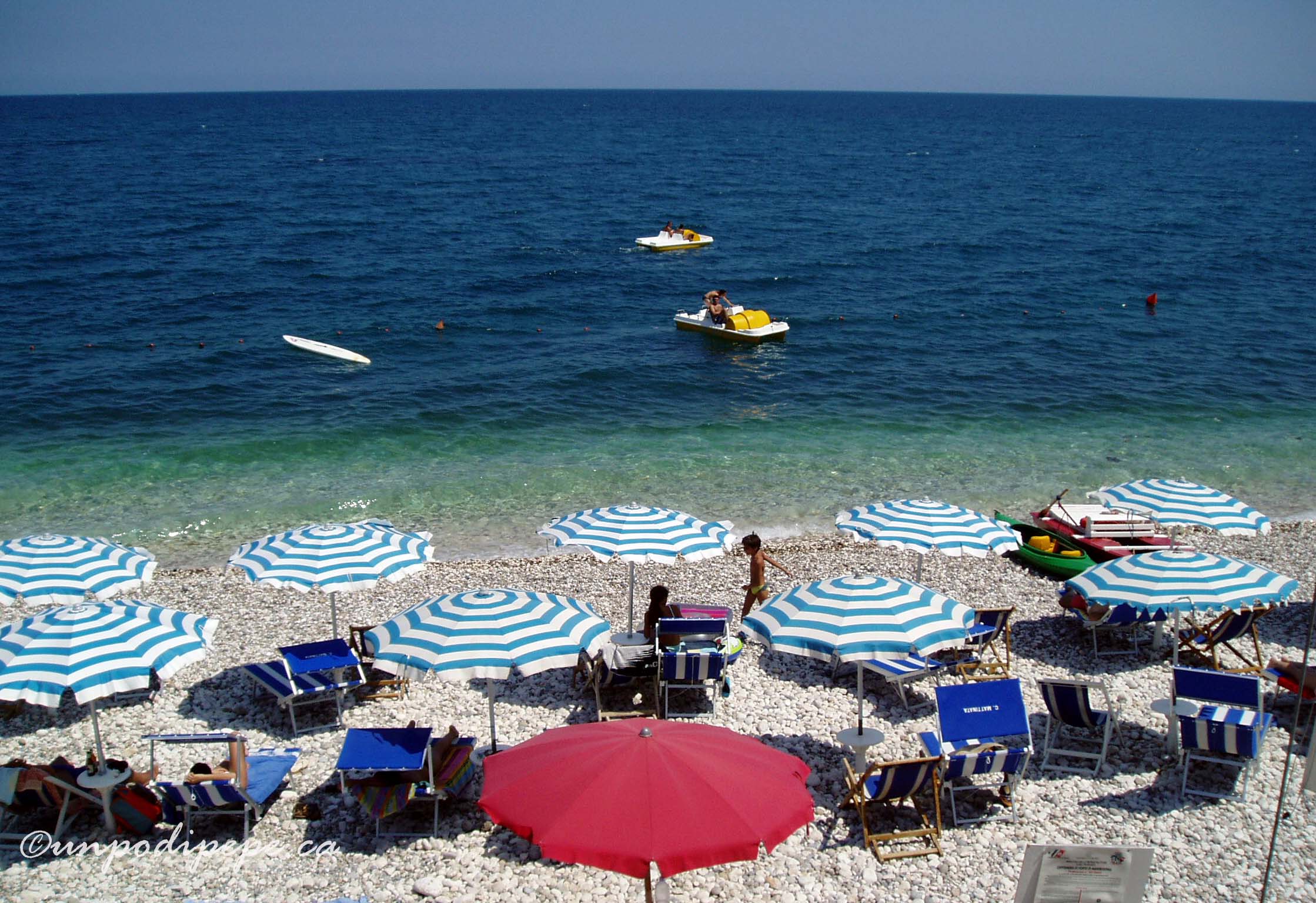
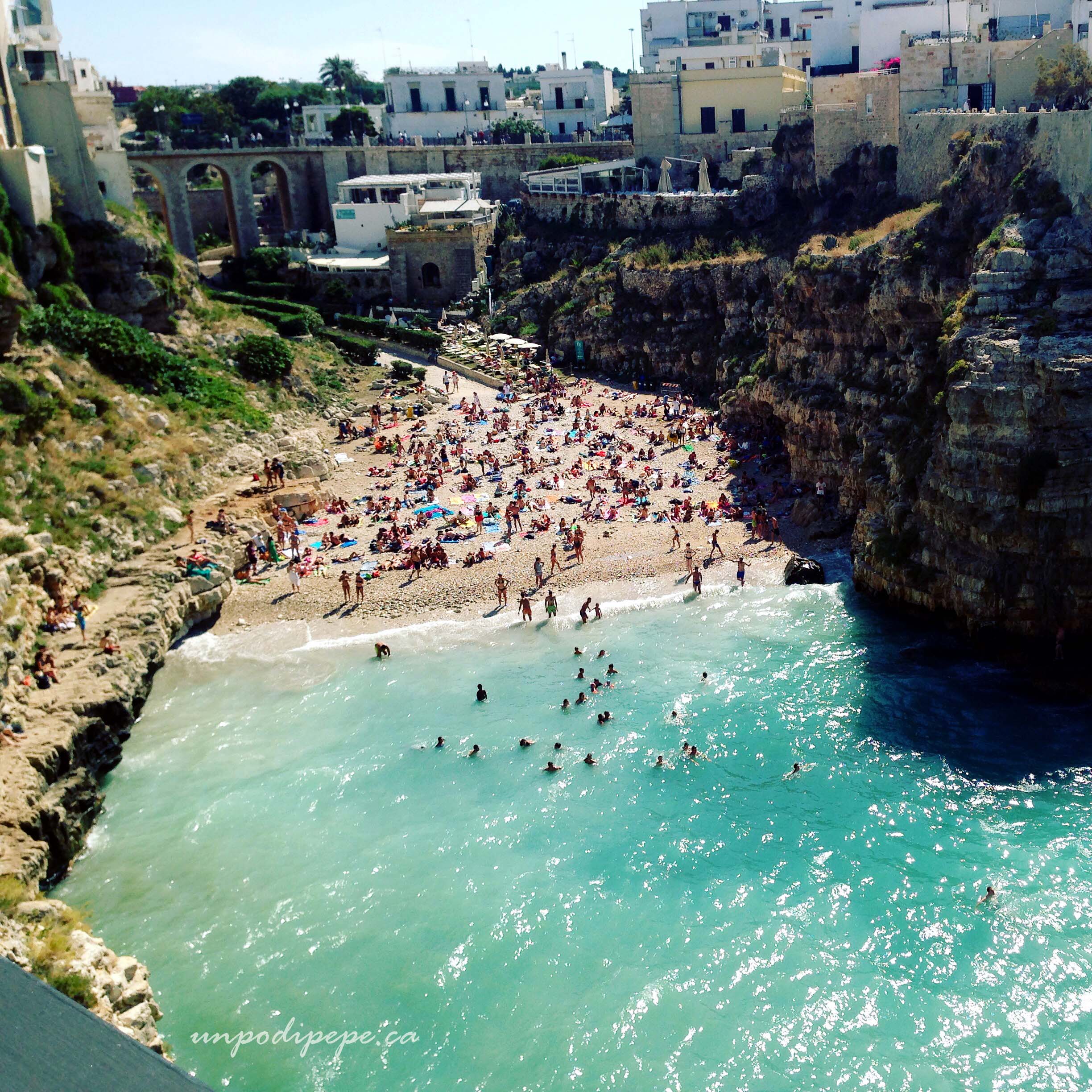
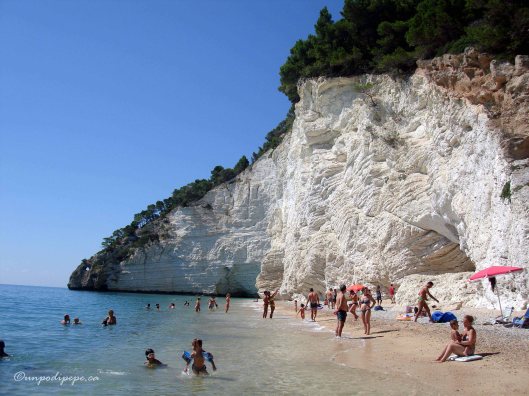 1) 840 km of coastline-That is a lot of beach! The transparent turquoise colour of the water is real.
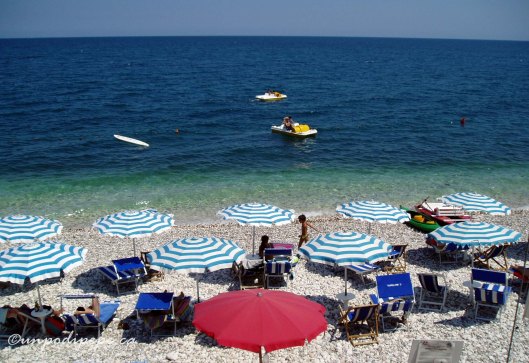 Earlier this month, 13 Pugliese beaches received the environmental designation Bandiera Blu, including Polignano a Mare, Margherita di Savoia and Peschici.
2) Cucina Pugliese is rustic cucina povera or peasant food, focusing on the freshness and simplicity of the ingredients that are in season. 
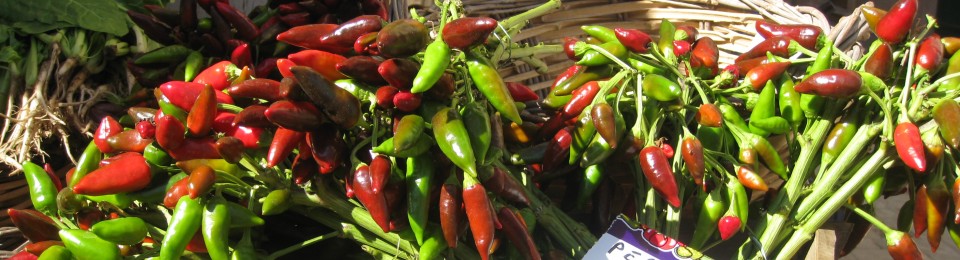
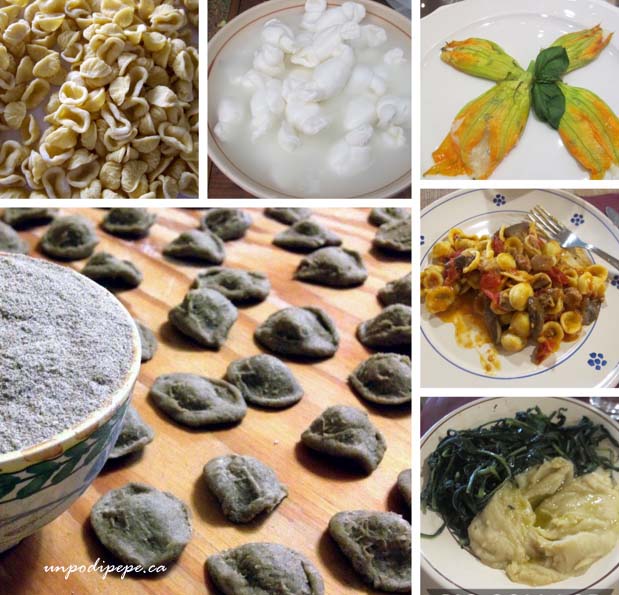
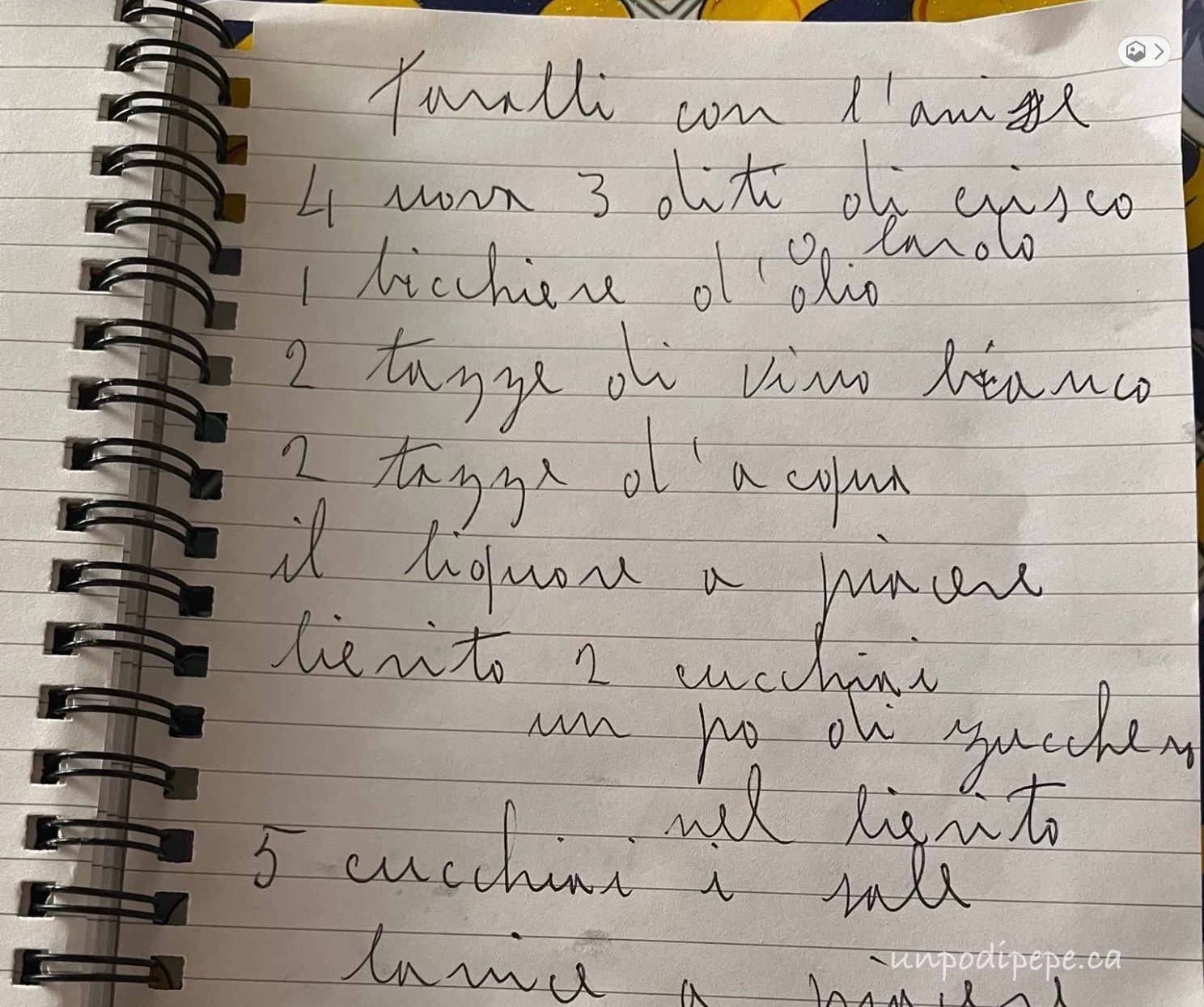
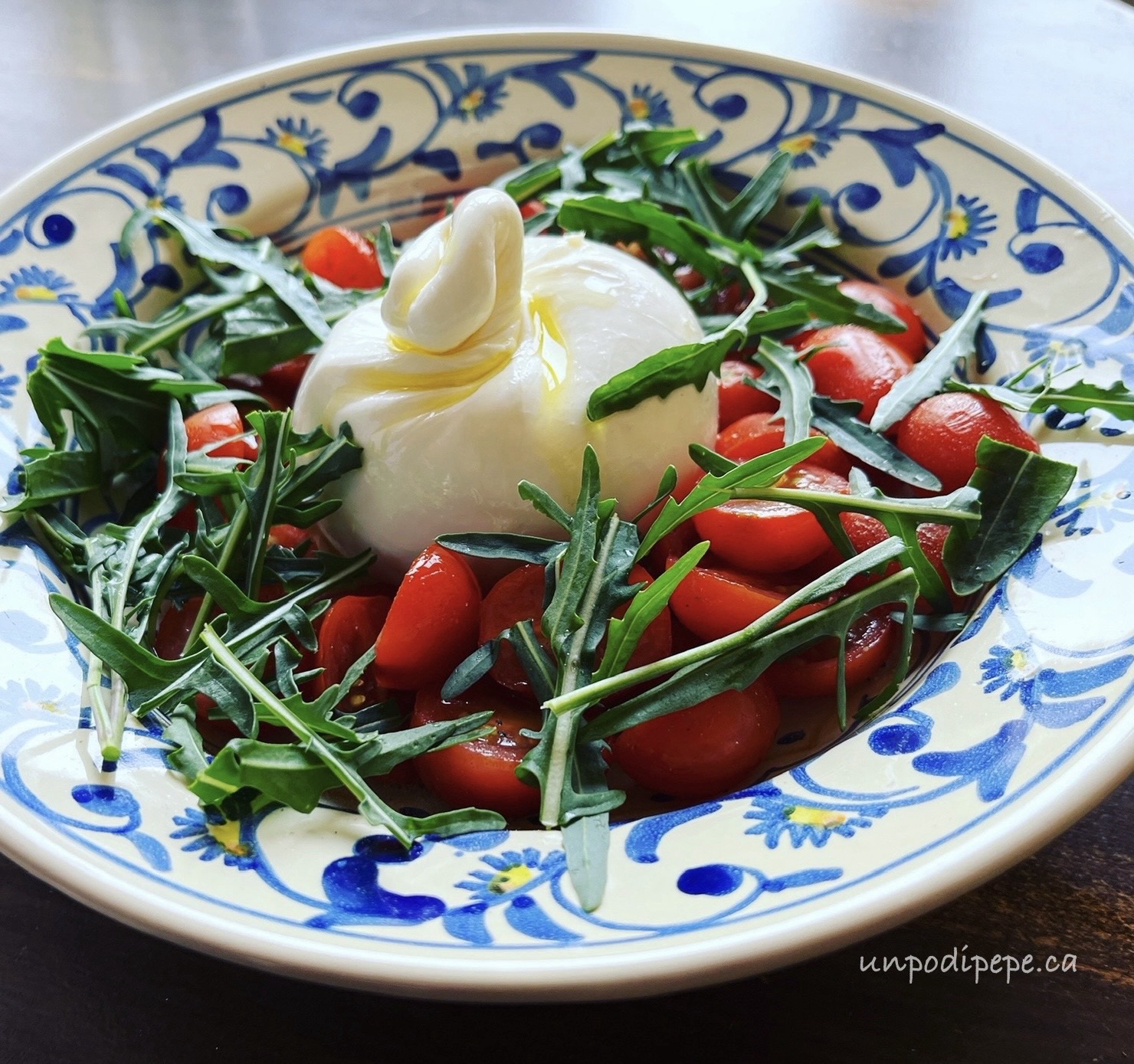
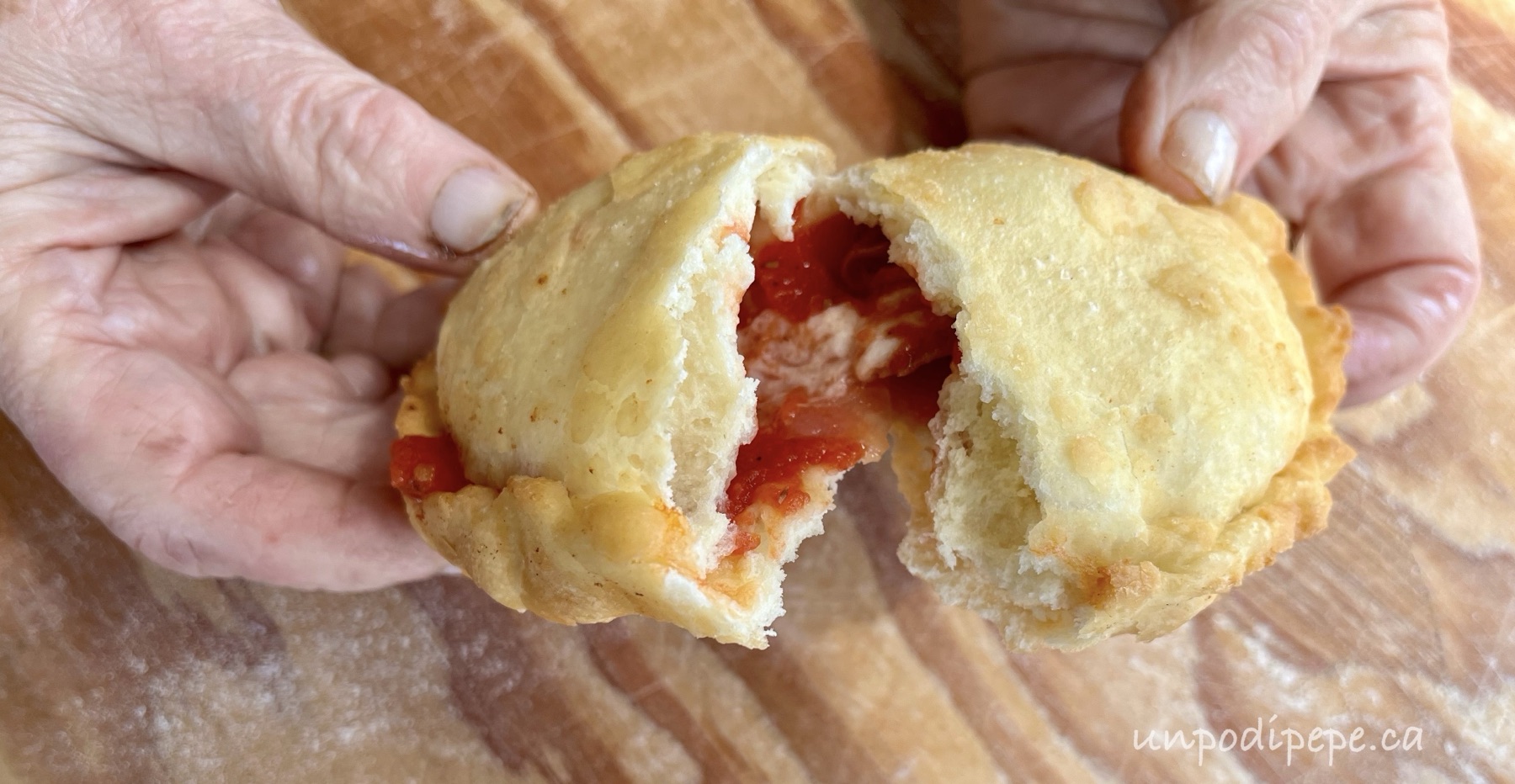
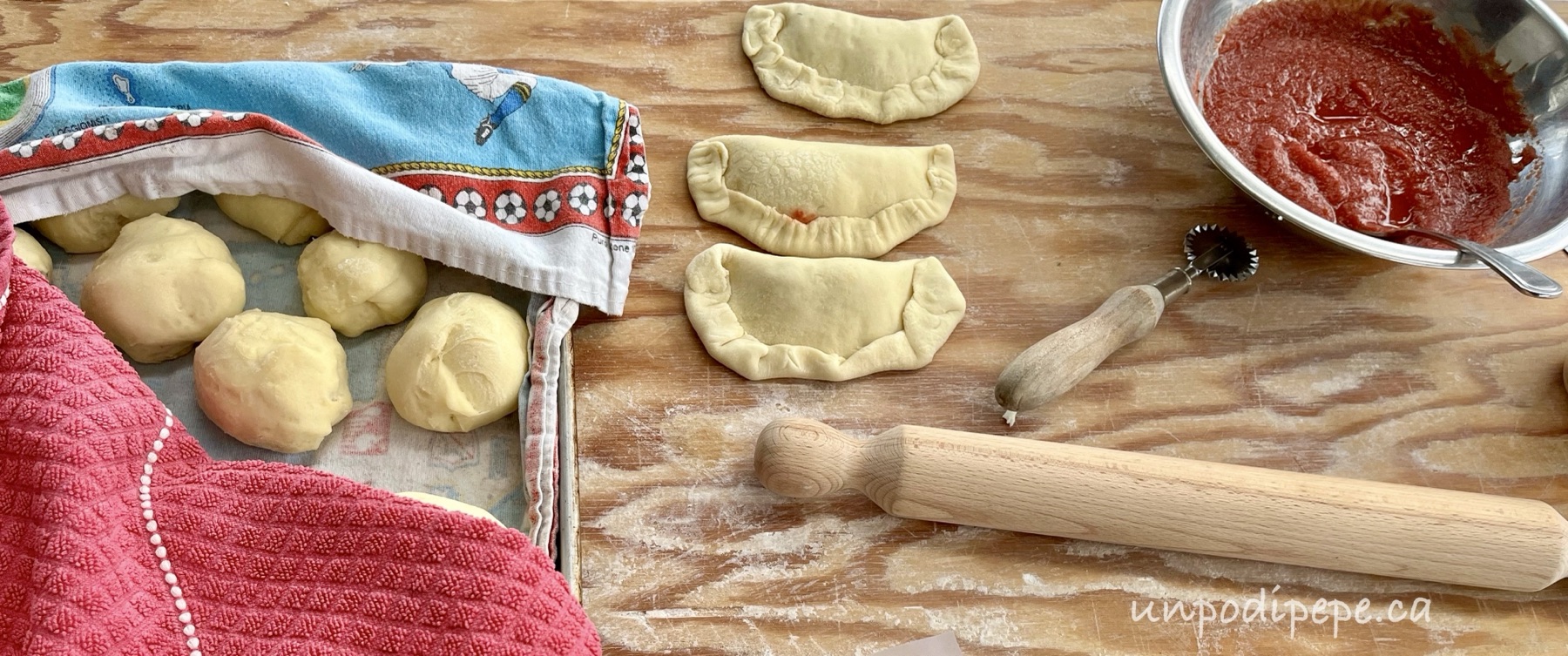
Pugliese specialties include orecchiette al sugo, orecchiette con cime di rape, grano arso, fave e cicorie, burrata, pancotto e patate, panzerotti, polpo, pesce, focaccia Pugliese, taralli, cartellate, pasticciotto, and pizza con la ricotta. Everything is drizzled with Pugliese ‘liquid gold’, extra virgin olive oil.

 I hope I have made you hungry. Buon appetito!
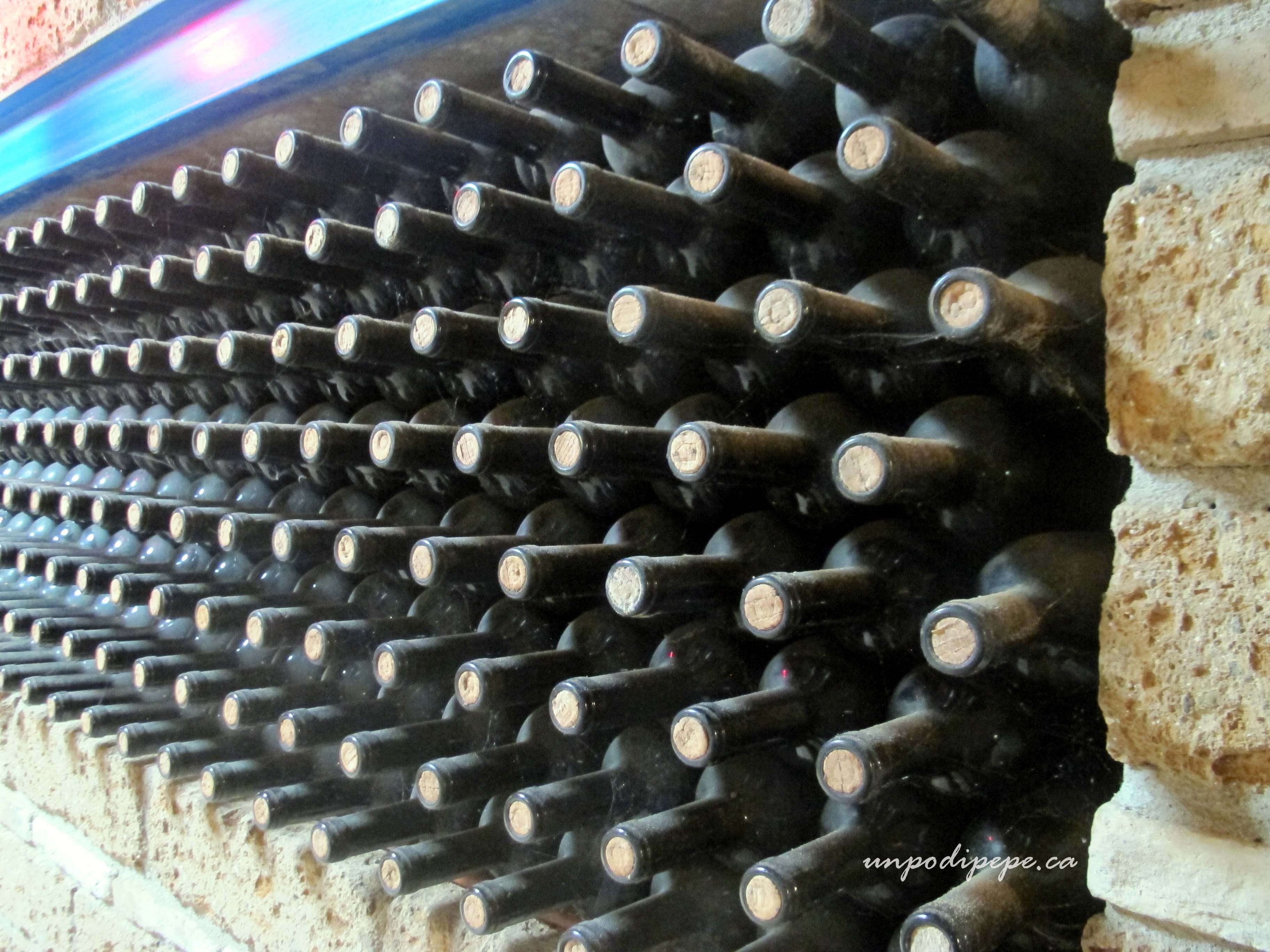
3) Vino- Oenotria ‘Land of Wine’ is the name the ancient Greeks gave Puglia. 425 km long, Puglia has a diverse agricultural landscape with mountains, plains, the Mediterranean sun, coastal sea breezes and fertile soil. The climate is hot and dry, especially during the summer. The name Puglia comes from the Latin ‘a pluvia’ meaning without rain. These environmental features, plus the presence of vitigni autoctoni (Native or Indigenous species of grapes) create an ideal environment for growing grapes and producing vino. 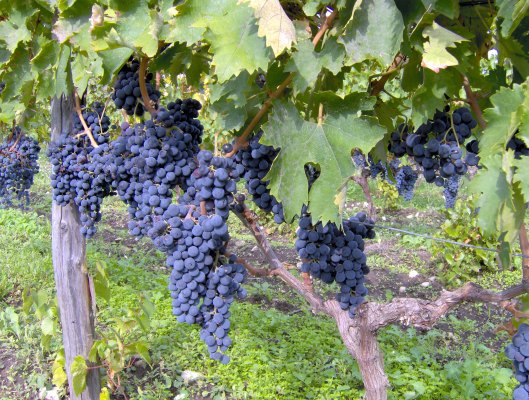
Vino is my favourite topic of research. A few years ago, I published a Vini di Puglia trilogy-a series of 3 blog posts on the wines of Puglia! Vini di Puglia is about the ‘big 3’ Negroamaro, Nero di Troia and Primitivo. Part 2 Aglianico to Zibibbo is about all the other grapes of Puglia plus a glossary of viniculture terms in Italiano. Il Tuccanese a grape native to Orsara di Puglia is the last post in the trilogy. Salute!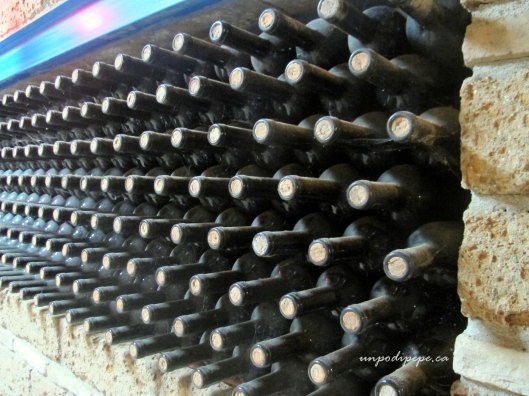
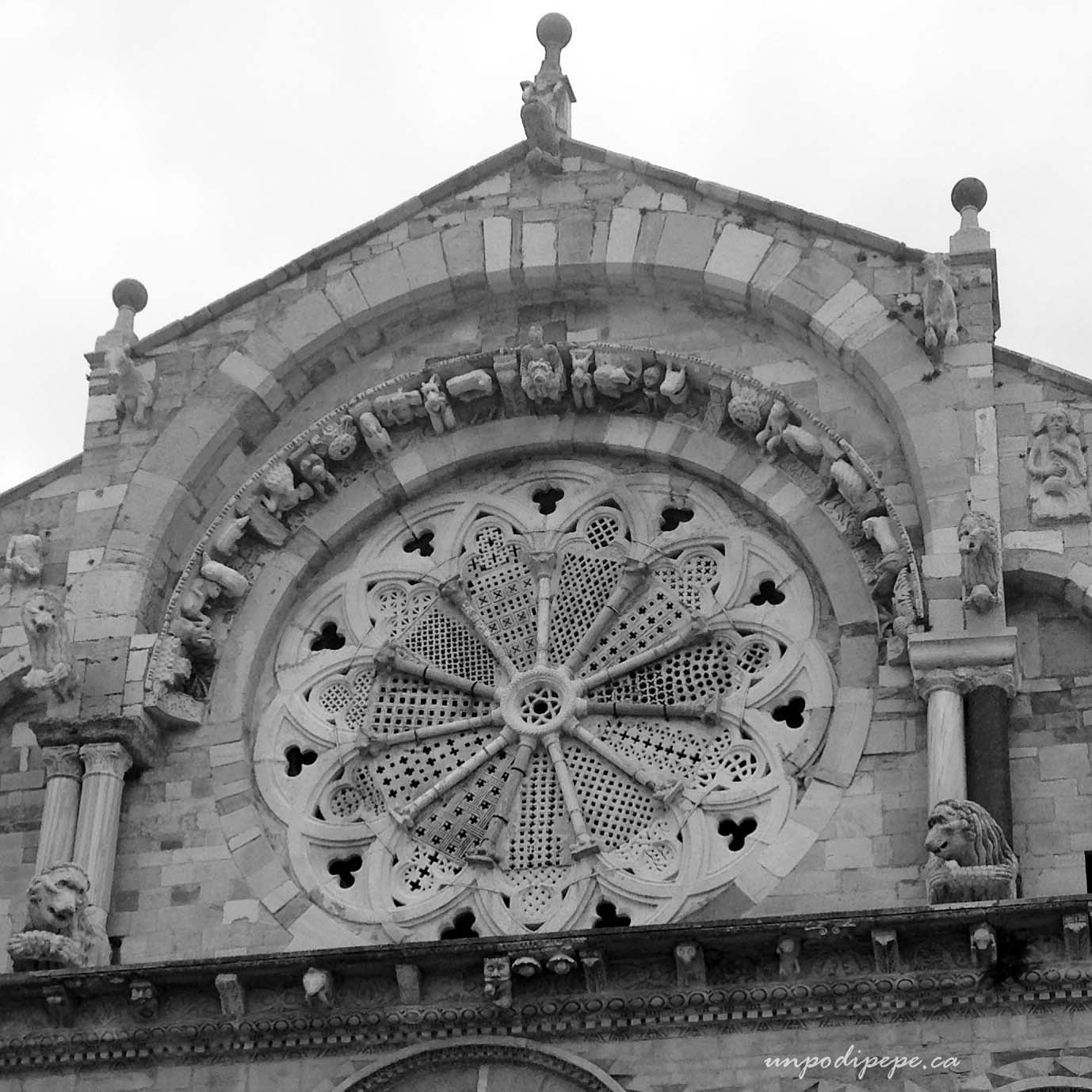
4) Architettura. Puglia has it’s own architectural style-Romanico Pugliese (Pugliese Romanesque). Puglia was at the crossroads between Europe and the Crusades in the 11th-13th Century. Many cattedrale were built in this style, including those in Troia, Trani, Bari, Otranto, Molfetta, Bitonto, Siponto and Ruvo di Puglia.  Romanico Pugliese is a unique architectural style distinguished by elements of both Eastern and Western elements. These include vaulted ceilings, Byzantine semicircular cupolas, porticoes held up by marble lions, and intricate decorations with classical Byzantine and Arab features. The Romanesque Cathedrals in Puglia are on the UNESCO heritage sites tentative list, which is the step before heritage designation.
The 11 sectioned rosone pictured here of the Cattedrale di Troia built in 1145 AD looks like it is woven in stone. Other architectural styles specific to Puglia are the Barrocco Leccese found in Lecce and the mysterious Castel del Monte near Andria built by Federico II, which is its own unique entity.
5) Promontorio del Gargano One of the most beautiful areas on earth, Il Promontorio del Gargano (gar·GAH·noh) is the promontory sticking out above ‘il tacco’, the heel of Italia. You can also think of it as la caviglia-the ankle spur of Italia. Surrounded by the Adriatico on 3 sides, the area is more like an island; biodiverse with unique flora and fauna. Most of the promontorio is a protected area and marine reserve, Il Parco Nazionale del Gargano, which includes le Isole Tremiti and the ancient Foresta Umbra. Fortunately, this has prevented development by large multinational hotels and resorts.
Il Gargano is famous for picchi (woodpeckers) and other birds, 300 varieties of orchids, almonds and olives. There are endless ancient hillside olive groves, pine forests, sea grotte, limestone cliffs, rocky shores, crystalline water and fresh seafood.

Baia delle Zagare
The winding road around the Gargano, SS 89 from Foggia, has sharp turns and viste mozzafiato (VIS·teh moz·zah·FYAH·toh)-breathtaking views. One of my favourite viewpoints is La Baia delle Zagare, where the battle scene between the Amazons and Germans in the movie Wonder Woman were filmed!
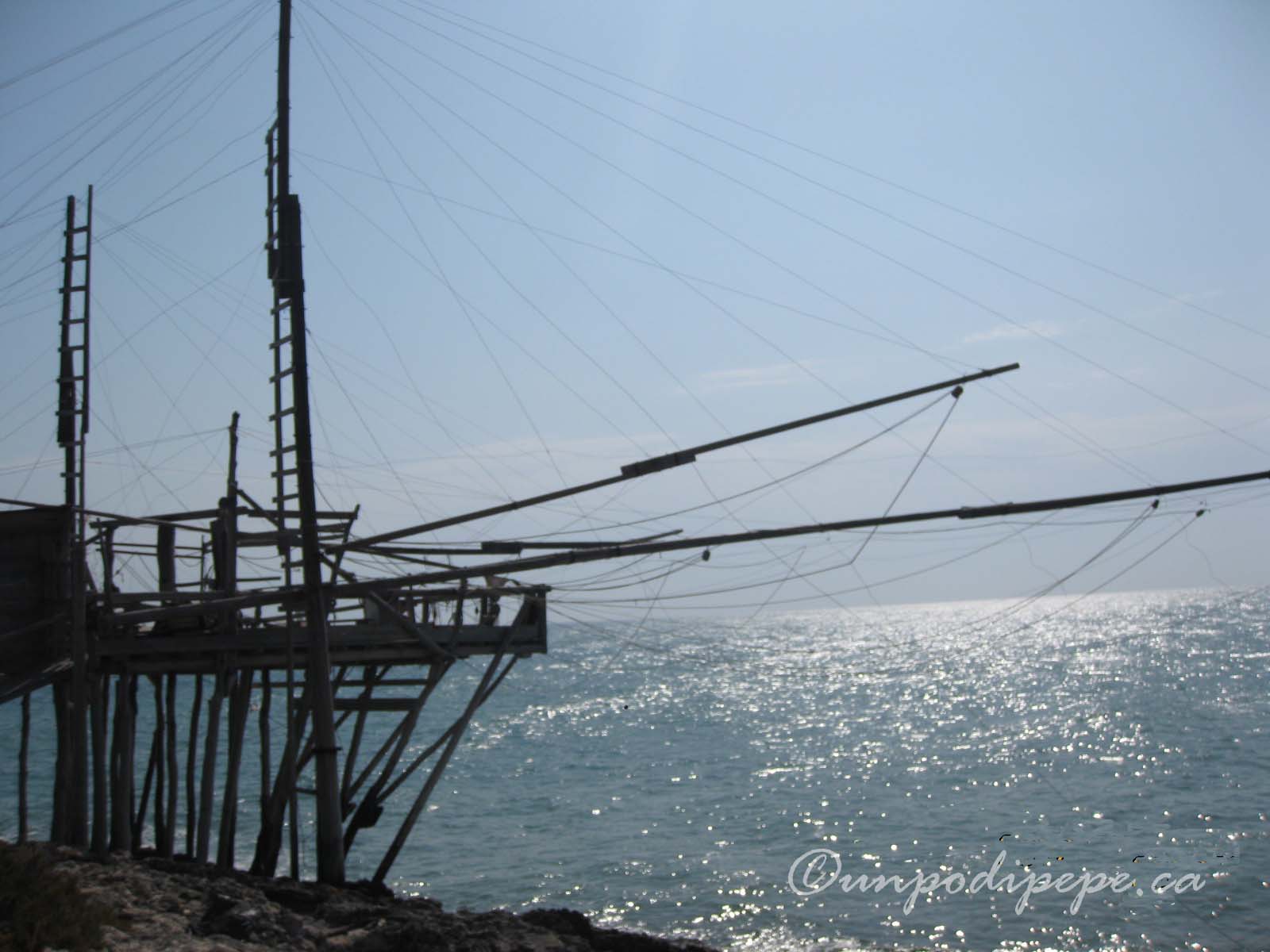
6)Trabucchi Trabucchi (tra∙BOO∙kkee) are old fishing contraptions found on the Adriatic coast of Abruzzo, Molise and Puglia. The design probably dates back to the ancient Phoenicians. Trabucchi have fascinated me since I was a child, taking l’Adriatico, the night train from Bologna to Foggia on a stormy night. They looked like giant alien octopi coming out of the sea! There are 13 functioning trabucchi on the coast of the Promontorio del Gargano between Peschici and Vieste, the oldest dating back to the 18th century. They are protected as National cultural heritage sites within the Parco Nazionale del Gargano. Read more in I Trabucchi del Gargano.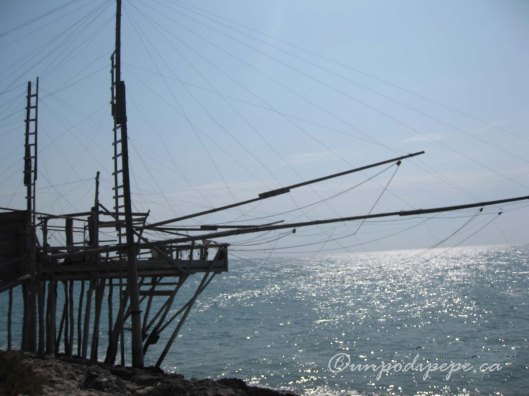
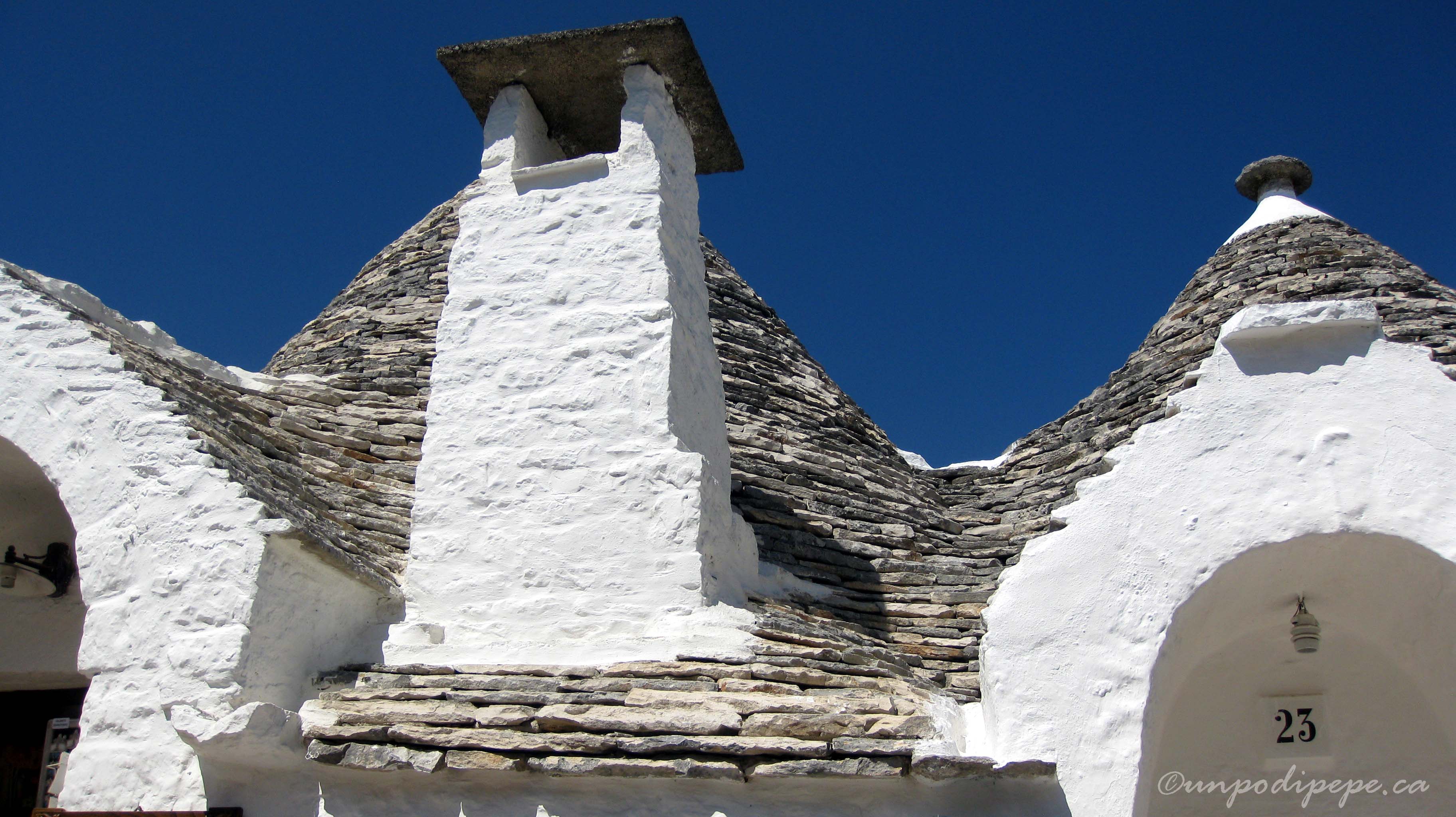
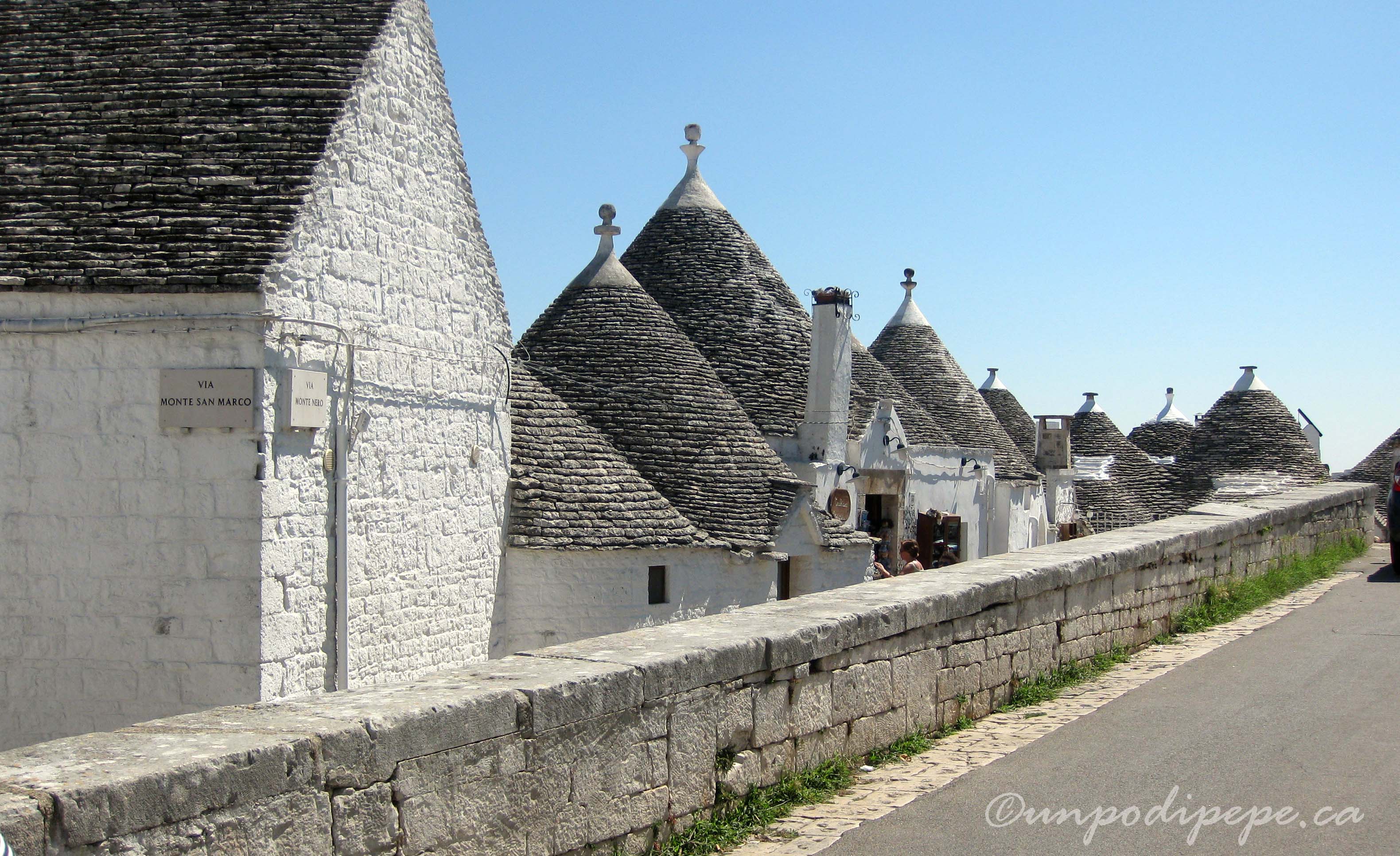
7) Trulli-These traditional limestone houses are unique to the Val d’Itria in Southern Puglia. They were built ‘a secco’, which means dry-without mortar. Trulli have domed cone-shaped roofs built up of overlapping grey limestone slabs called chiancharelle (kyan•ka•REL•leh). 
‘La Zona dei Trulli’ includes the areas around Locorotondo, Fasano, Cisternino, Martina Franca, Ceglie Massapica and the largest concentration of 1,620 trulli in Alberobello. Alberobello and its trulli are a UNESCO World Heritage Site. Read more about trulli in I Trulli di Alberobello.  8) History/Connection to the Iliad Can any other region say it was founded by a Trojan War hero? According to legend, after the fall of Troy the mythical hero Diomede (Diomedes) found out his wife had been unfaithful. Instead of returning home to Argos, he sailed the Adriatic, created the Isole Tremiti, and then was invited by Daunus, King of the Daunia (modern Provincia di Foggia) to settle there. Diomede allegedly planted the first grape vines in Puglia, brought with him from Greece. He also founded many other towns in Puglia. Diomede was allegedly shipwrecked and died near the Isole Tremiti.
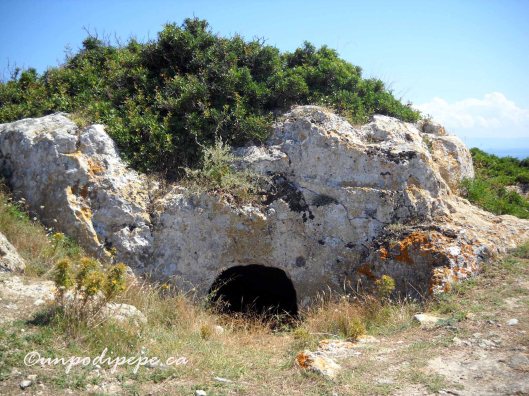
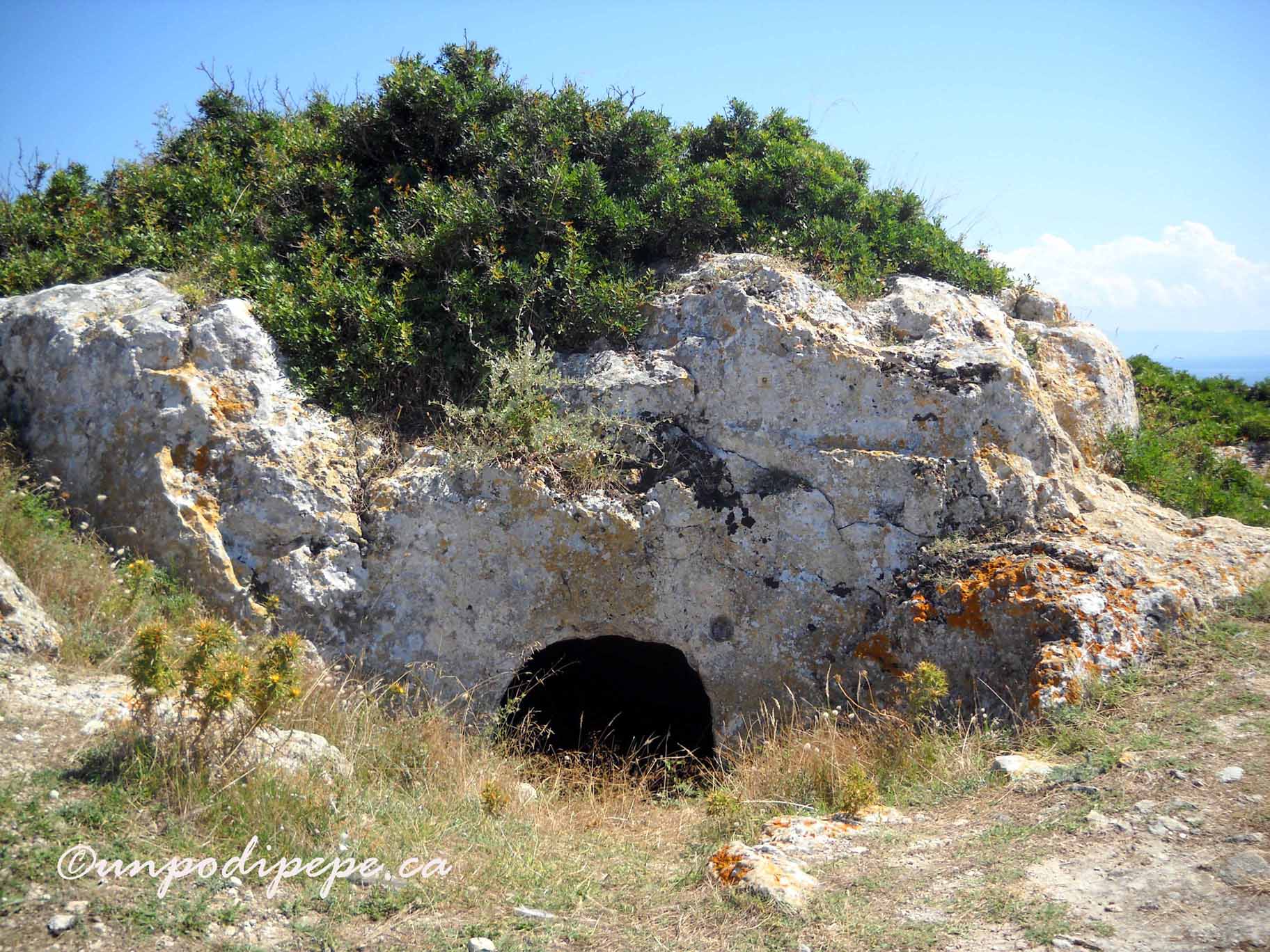
La tomba di Diomede on San Nicola.
An unmarked Hellenic period tomb on San Nicola is known as ‘la tomba di Diomede’. According to legend, his crew was so upset that the Goddess Venus took pity on the grieving men and turned them into birds that continue to cry for their loss. The scientific name for the Great Albatross common in the area is ‘Diomedea’. These birds look like seagulls and sounds like a crying newborn. There is a scene in Fellini’s fim ‘Otto e mezzo’ (8½), where a cardinal tells this story to Guido (Marcello Mastroianni).

A Diomedea, San Domino
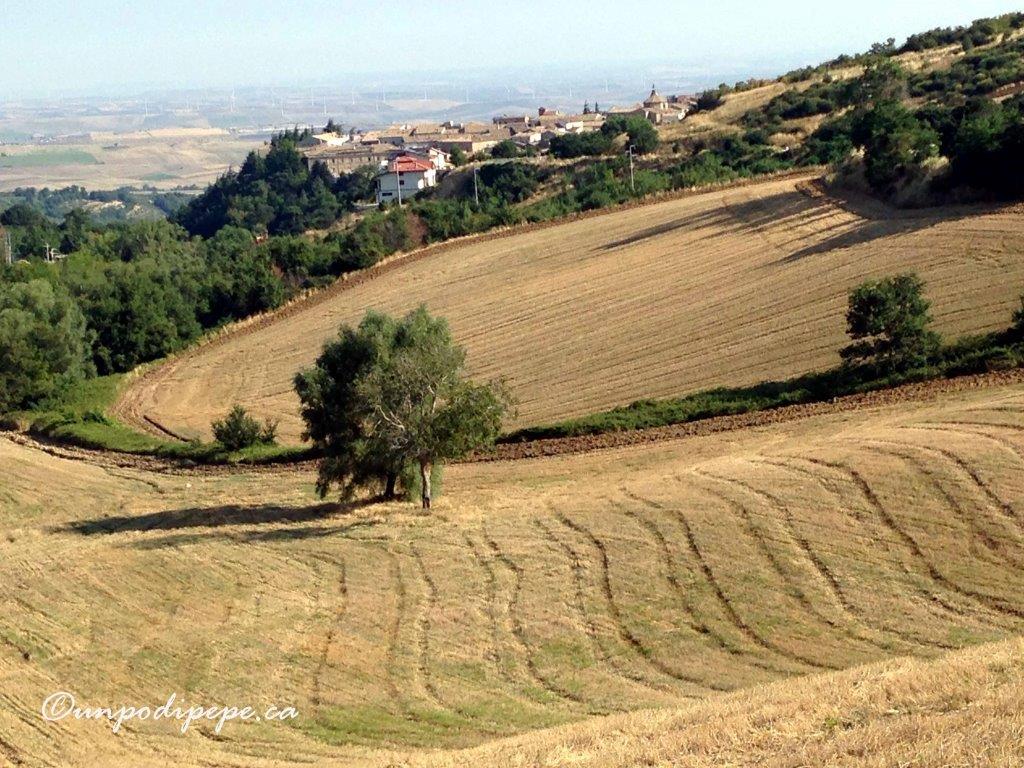
 9)Paesaggi- The landscape of Puglia is varied and beautiful, made up of wheat fields, olive groves, vineyards and rocky coastline. The region has 60 million olive trees, including ulivi secolari-centuries old trees with knotted, gnarled trunks that have been twisted by time and wind. Puglia’s trees produce 40% of the olive oil in Italia.
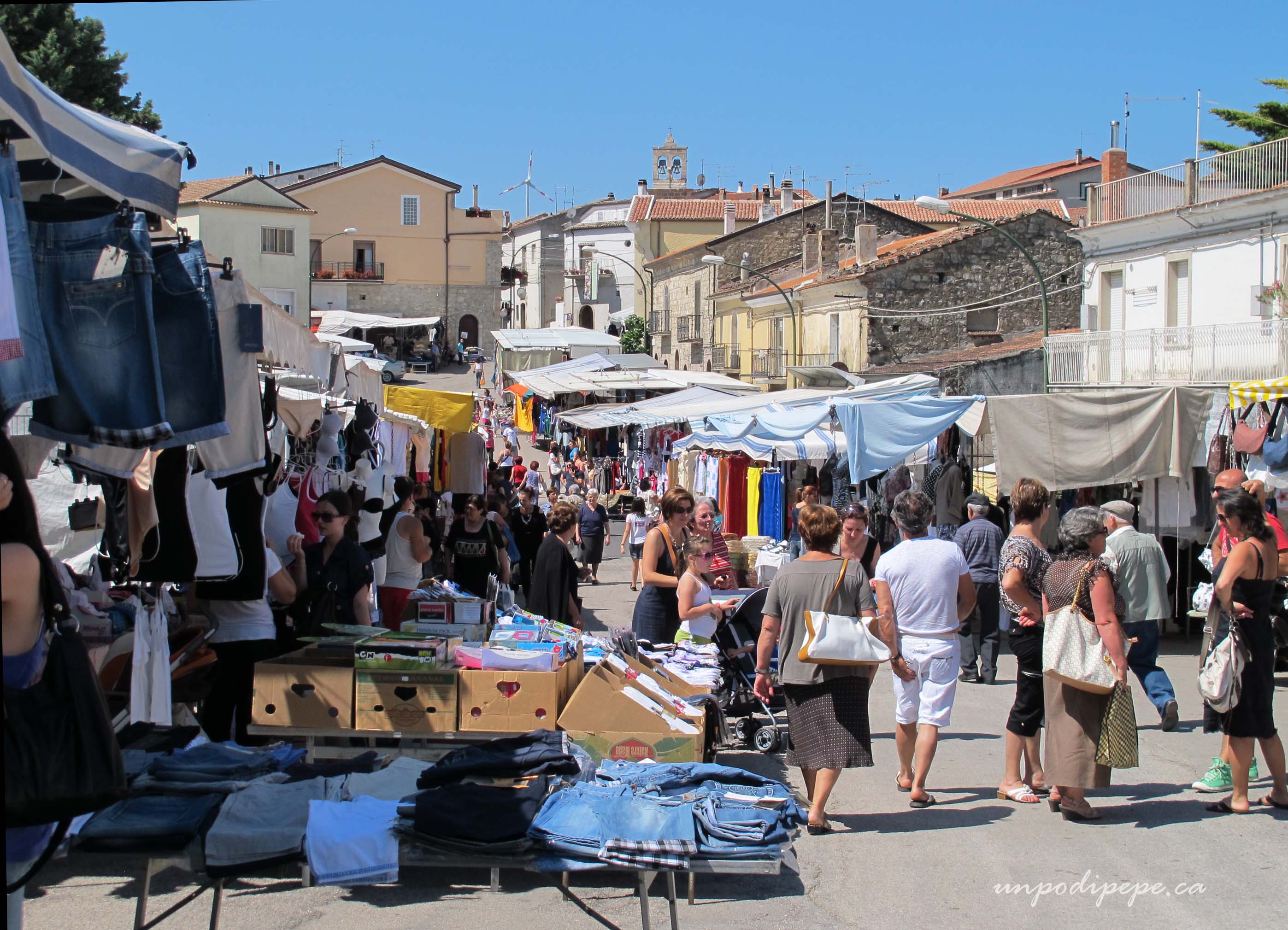
 10) Slower pace Most of Puglia is still very much ‘real italia’, less commercialized and touristy, with great places to visit. I am often told my photos look like they are from old movie sets. Even though Puglia is often on the ‘places to see this year’ lists, it is uncrowded. This is partly because it is poorly served by public transportation, and also because most foreigners visiting Puglia only go to the Salento and Alberobello! Italians from other regions travel to Puglia a lot, making it a great place to practice speaking italiano! Check out the posts A Perfect day in Italia and Il Sole di Metà Pomeriggio for more paese scenes.
 Have you been to Puglia, mia regione preferita? Let me know in the comments.
This post is written as part of the #dolcevitabloggers monthly blogging linkup, hosted by Jasmine, Kelly and Kristie the 3rd Sunday of the month. Click the link to check out what the rest of the Dolce Vita bloggers have written on this month’s topic.
Ciao, Cristina
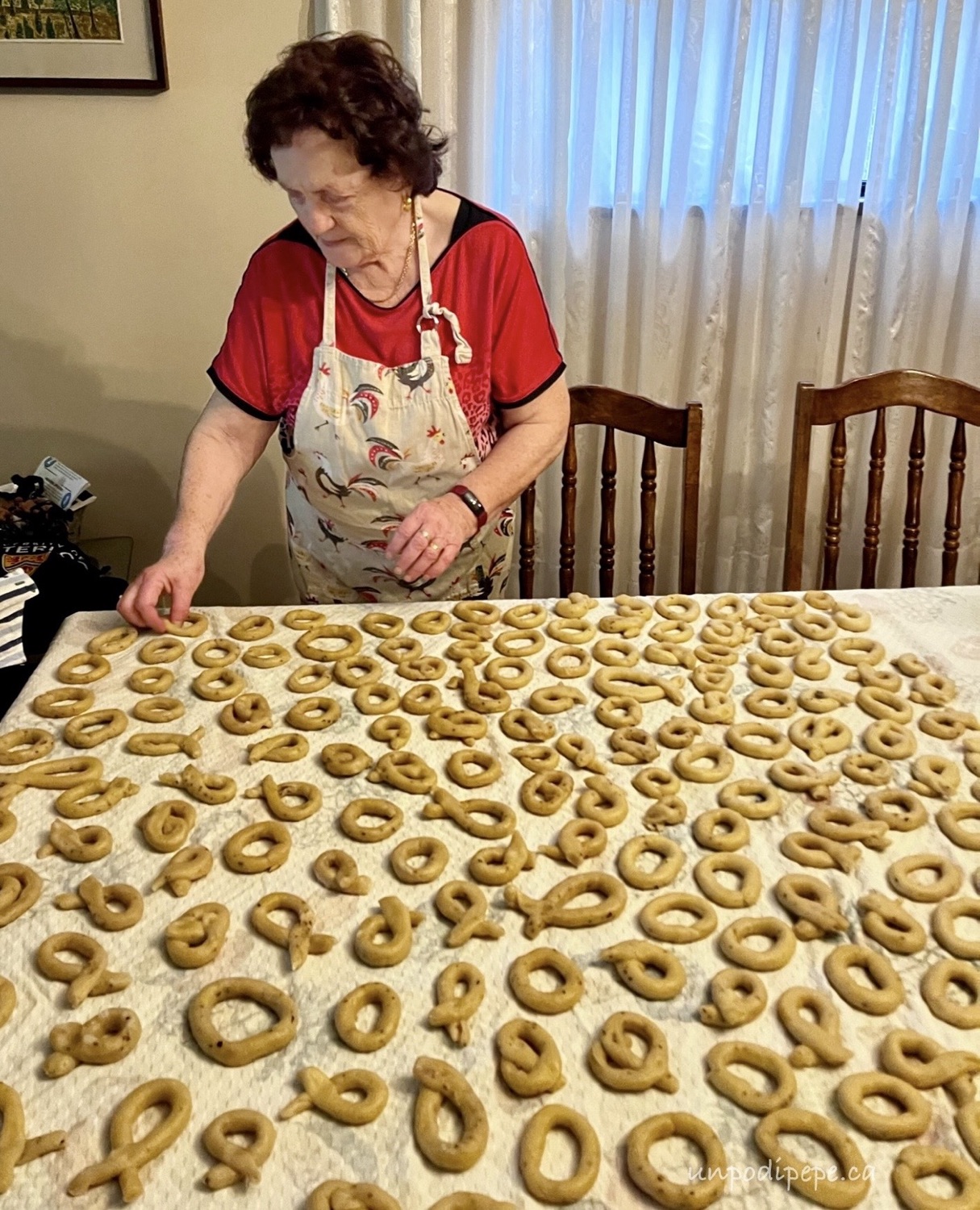
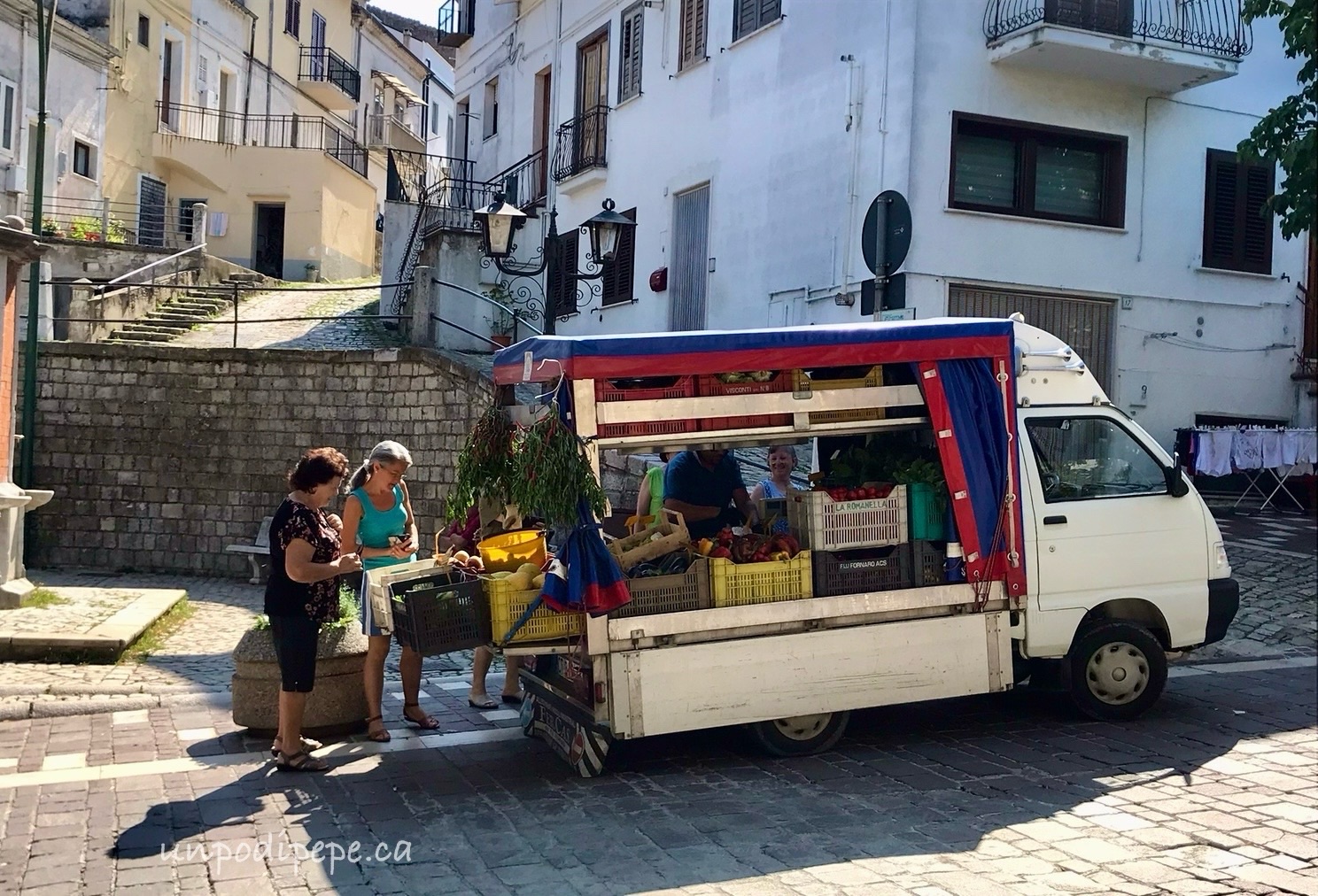
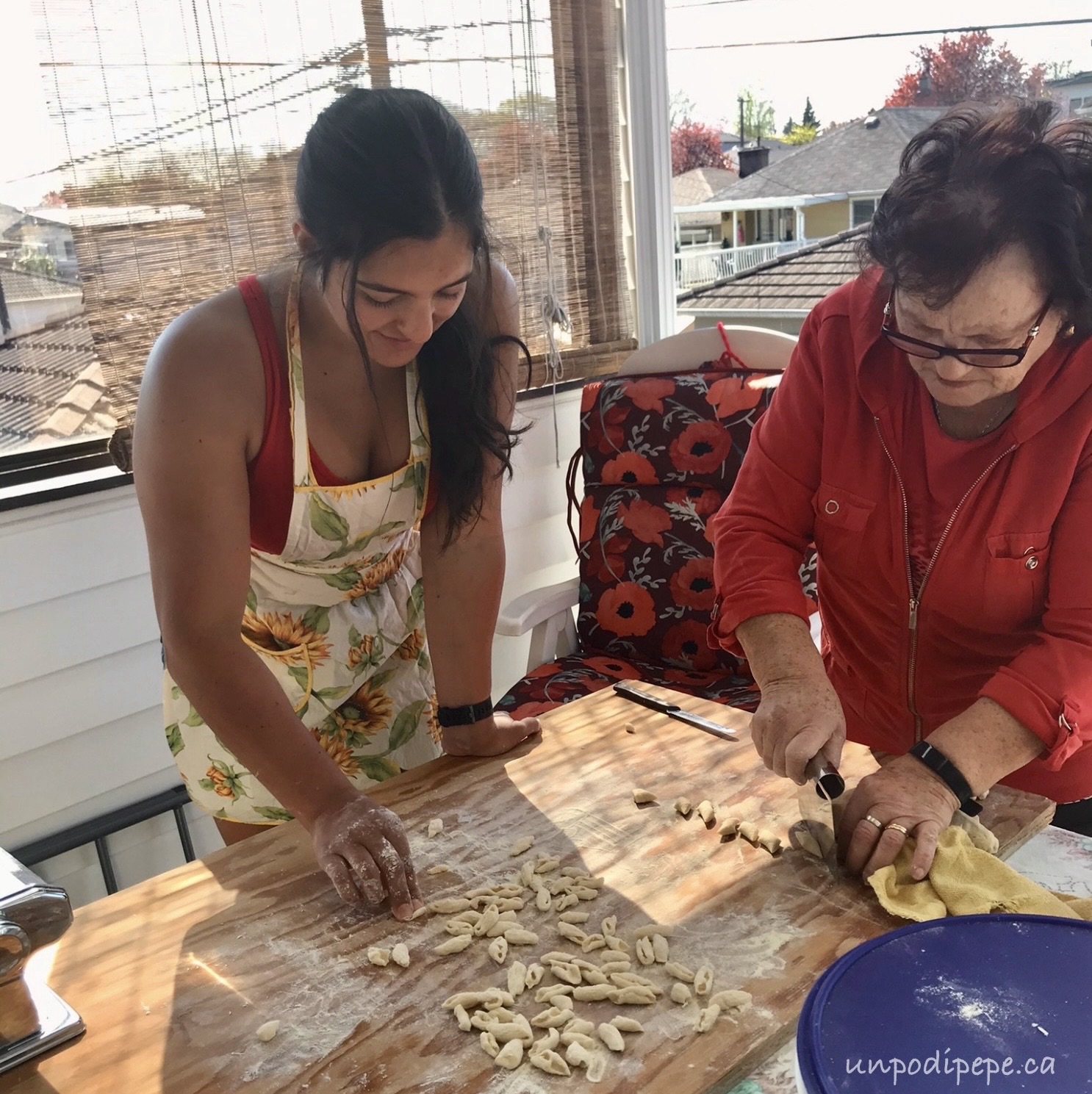 There is intergenerational transmission of artisanal food preparation techniques, skills, knowledge, and stories, often via i nonni. Cucina Italiana provides a way to express love, preserve traditions and promote a sense of cultural identity, while gathered to share meals around the table.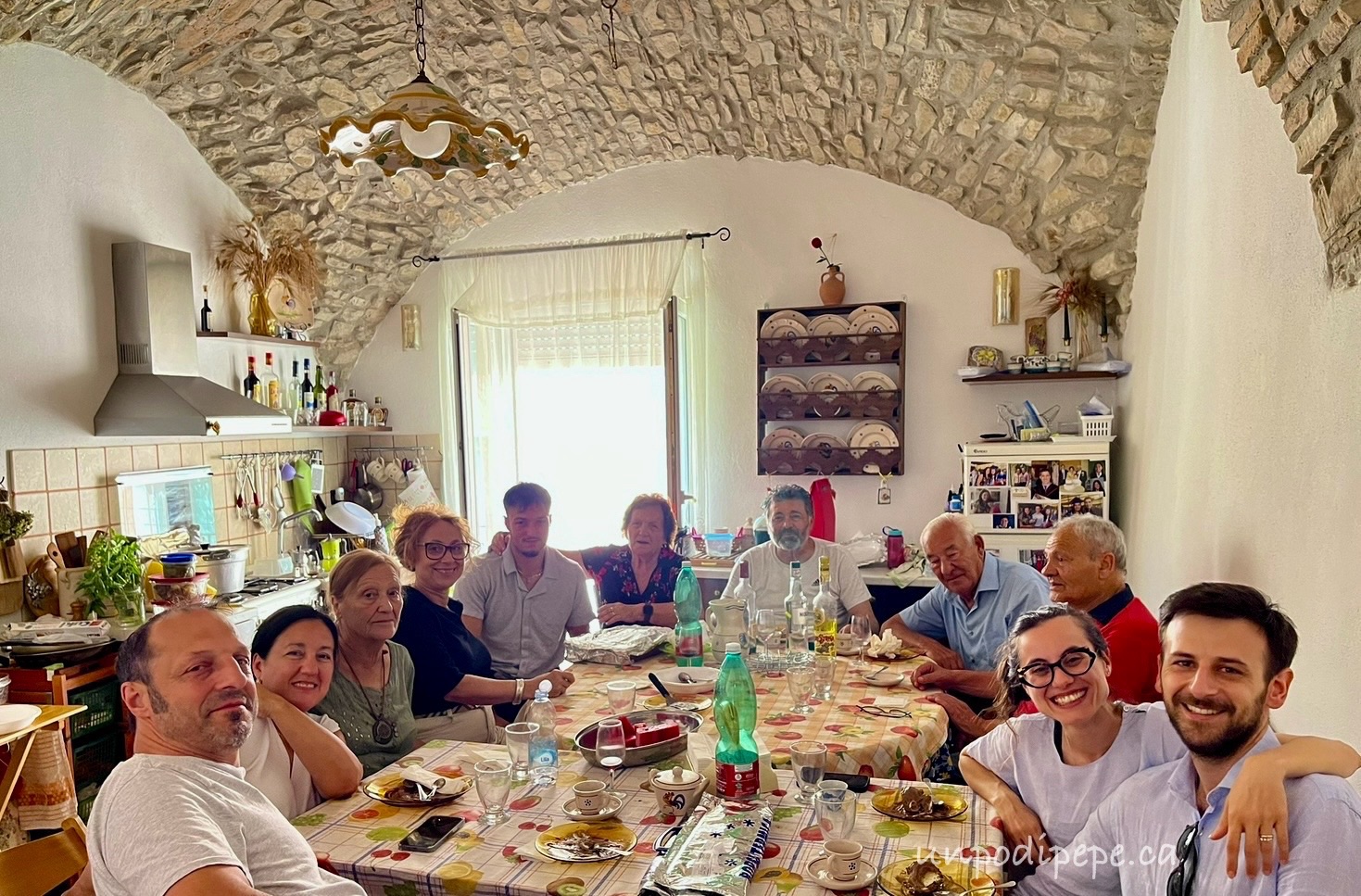
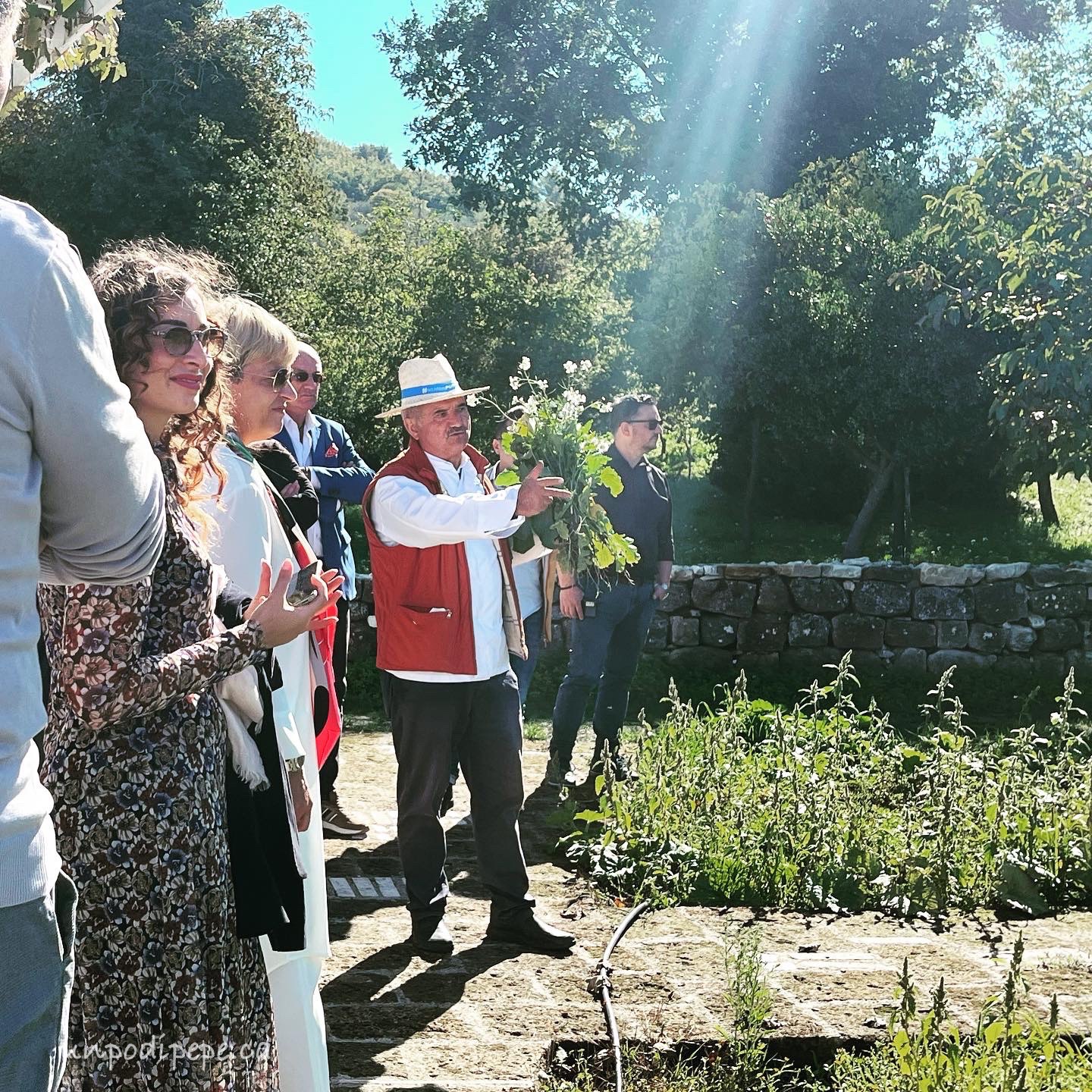














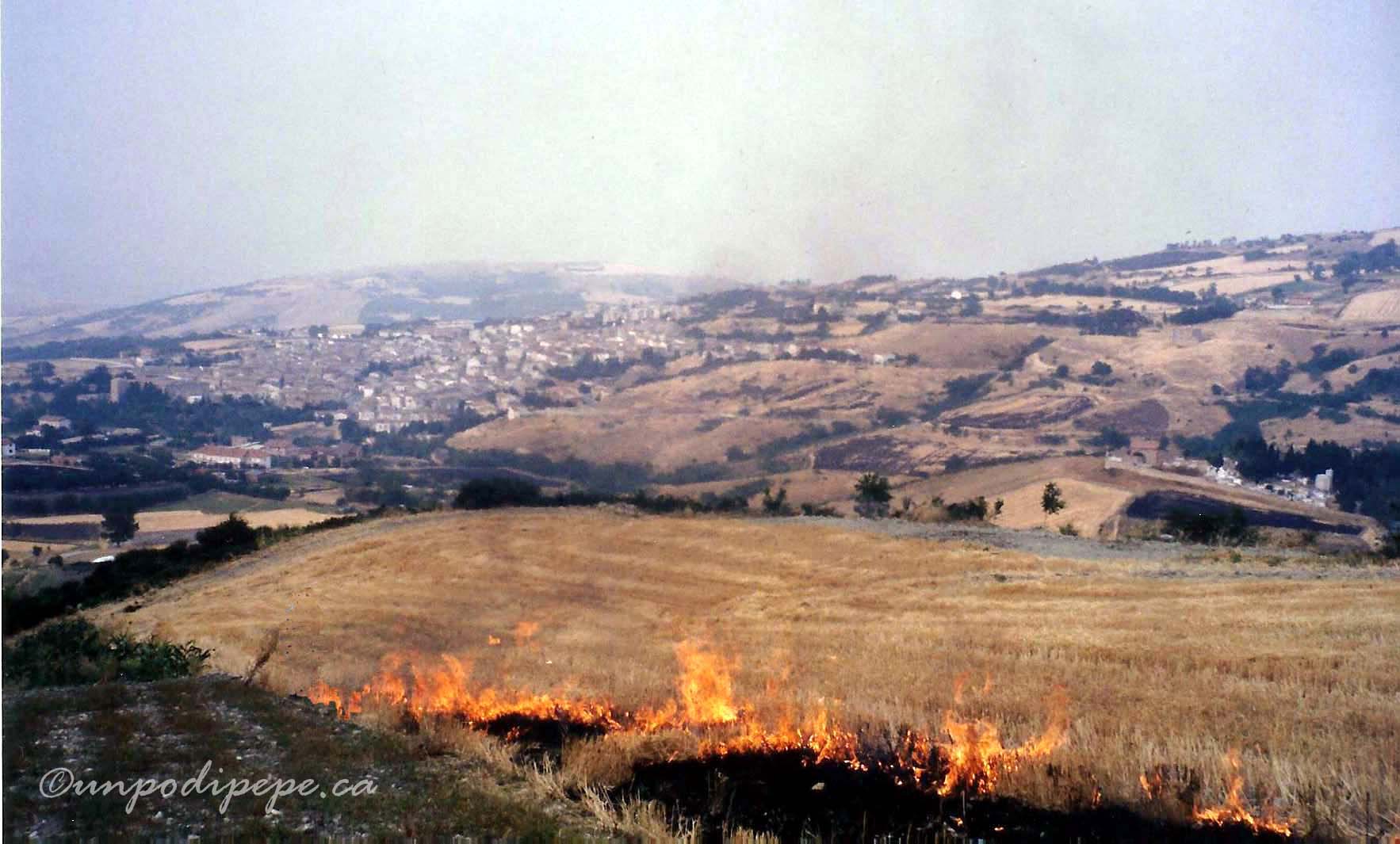
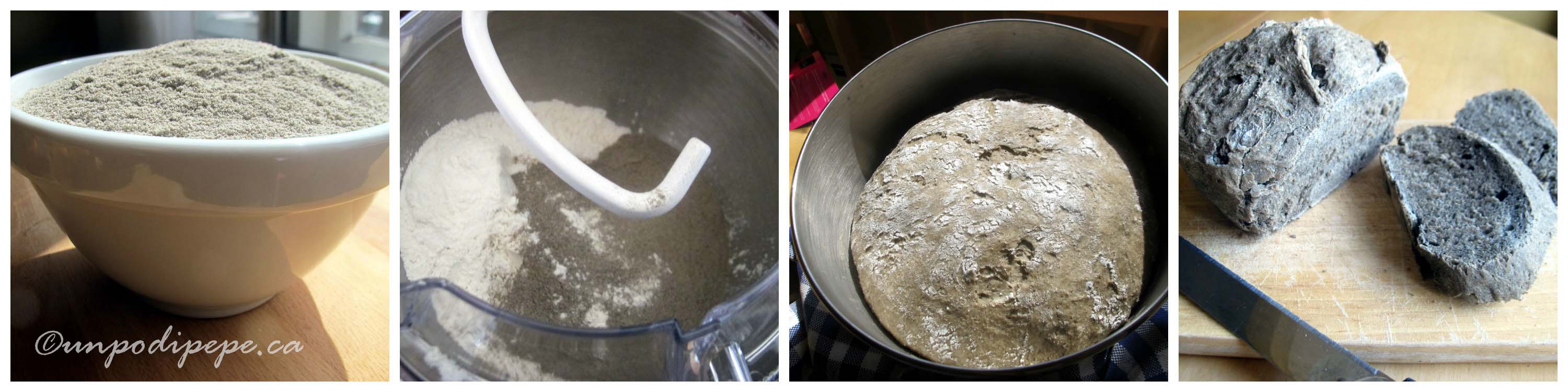
 Grano arso literally means burnt wheat. Flour made with it is ‘farina di grano arso’ and has a history going back many centuries as part of the gastronomic tradition of ‘cucina povera’ in Northern Puglia. Farina di grano arso was traditionally made from the bits of wheat left in the field after the harvest. The stubble, called stoppie (STOHP•pyeh) or la ristoccia (rees•TOCH•chya) that was left in the fields was burned, then plowed back into the soil. This was done as a quick and cheap way of clearing the fields. It was also thought to aerate and fertilize the soil and kill weeds and pests.




 Un po' di pepe