• Home
  • About me/Chi sono
  • Contact

Un po' di pepe

~ …… (oon∙poh∙dee∙PEH∙peh) Cristina writes about interesting stuff /Cristina scrive di cose interessanti

Un po' di pepe

Category Archives: Bilingual posts

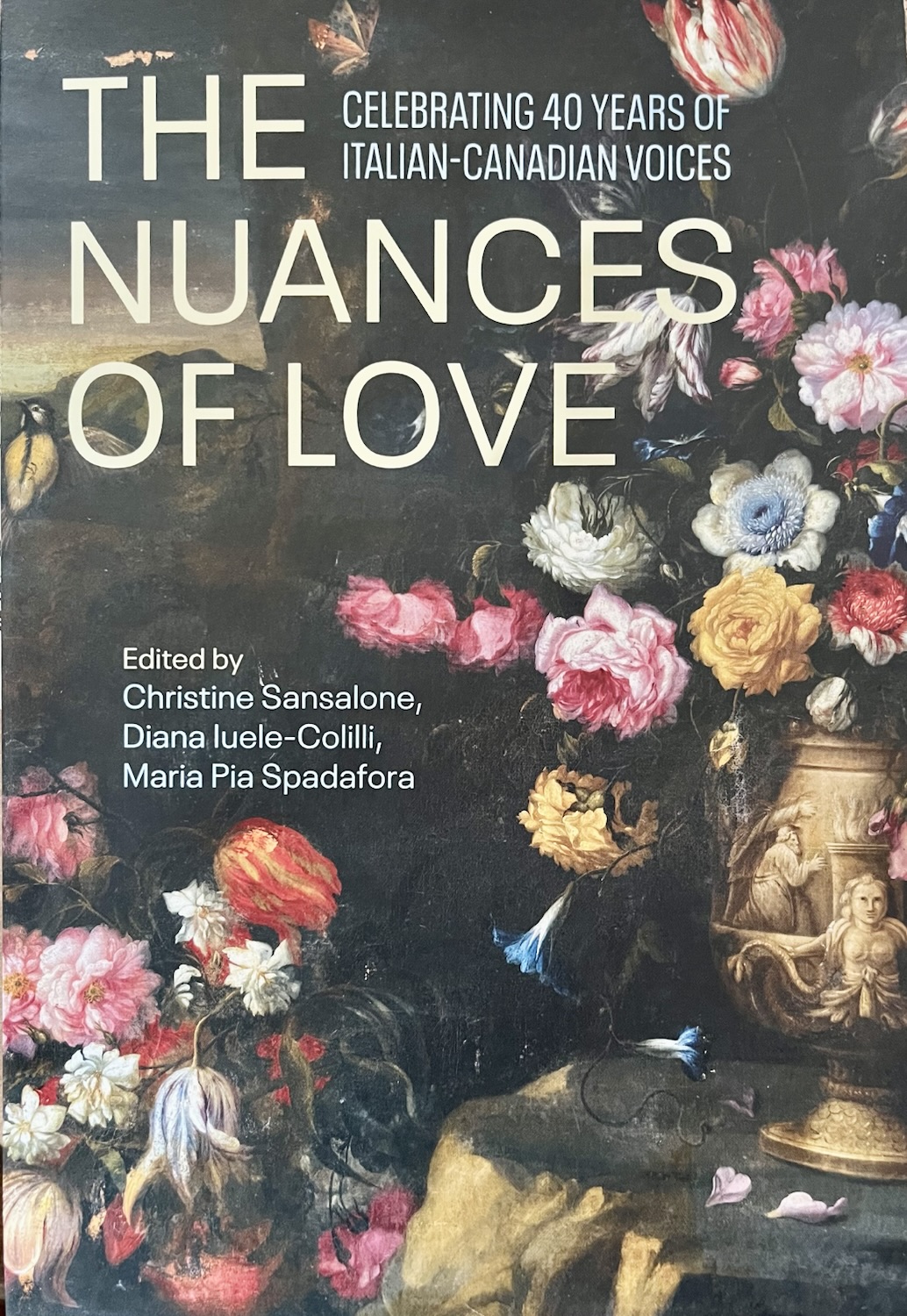
‘The Nuances of Love’

13 Monday Oct 2025

Posted by Un po' di pepe in Bilingual posts, Inspiration, Libri, Uncategorized

≈ 2 Comments

Tags

AICW, Association of Italian Canadian Writers, Italian Canadian Literature, Poetry

‘The Nuances of Love:  Celebrating 40 years of Italian-Canadian voices‘ celebrates 4 decades of the AICW (Association of Italian Canadian Writers). Edited by Christine Sansalone, Diana Iuele-Colilli and Maria Pia Spadafora, this gorgeous anthology is a collection of poetry and prose on the themes of love and friendship. It also celebrates the power and importance of storytelling and community. 46 Italian-Canadian writers contributed to this anthology, and one of them is me!

It is available for purchase for $25.00 (Can)from Guernica Editions and on Amazon.ca

My contribution is a poem.  I do not normally write poetry, as you can tell from the title ‘Vorrei essere una poetessa‘ (I would like to be a poet). Since I can, I am posting it here, but you will have to get your own book if you want to read the other 45 contributions.

The poem was written directly in Italiano.  Since I know a few of you will ask ‘where can I find it in English’ I did a very quick translation. Some of the concepts do not translate well, but I did my best-you can find it at the end.

Vorrei essere una poetessa

Vorrei essere una poetessa.

Così potrei esprimere tutto cio’ che vorrei dire

con parole magiche

che si sciolgono dalla lingua

Vorrei usare parole come affascinante e meraviglioso

per descrivere le cose di cui scriverò

Che posso mettere a parole…..


la luce gloriosa del sole estivo di meta’ pomeriggio,

che proietta ombre nascoste sui muri di pietra


I suoni allegri dei bambini

quando giocano a calcio

nelle viuzze strette


la vista mozzafiato

dalle scogliere sul mare

e la tenerezza della brezza marina

quando ti accarezza le spalle


la tavolozza ricca di colori brillanti

come il blu oltremare e terra di Siena bruciata

che diventano un dipinto quando incontrano la tela


l’emozione quando uno si trova

adavanti ad un capolavoro di Caravaggio,

con chiaroscuro e luci drammatiche

magnifico da ogni lato


Il profumo indimenticabile

del pane appena sfornato

che fa venire l’acquolina in bocca

e fa brontolare la pancia


Il gusto di un bicchiere di vino profumato e corposo

fatto con un’uva locale

e condiviso con i migliori amici

che valgono più dell’oro


la gioia dell’amore al primo sguardo

e anche la profondità della tristezza

di un cuore spezzato in mille pezzi

per un amore non ricambiato


Per tutti questi è difficile trovare le parole,

o scegliere gli aggettivi adeguati

Vorrei essere una poetessa….

purtroppo non trovo le parole

e non so da dove e come cominciare.

Published in:  ‘The Nuances of Love: Celebrating 40 years of Italian-     Canadian voices.  Editors Christine Sansalone, Diana Iuele-Colilli and Maria Pia Spadafora.  Guernica Editions (2025), p 40-41.

In Inglese/in English:

I would like to be a poet

So that I can express everything I want to say

with magical words

that roll off the tongue

I want to use words like fascinating and wonderful

to describe the things I will write about

So that I can put into words…

the glorious light of the mid-afternoon summer sun,

projecting cast shadows on crumbling stone walls

The joyful sounds of children

playing with a soccer ball

in narrow cobblestone streets

the breathtaking view

from cliffs overlooking the sea

and the tenderness of the sea breeze

when it caresses your shoulders

the rich palette of brilliant colors

such as ultramarine blue and burnt sienna

that become a painting when they meet the canvas

the emotion of finding oneself

in front of a masterpiece by Caravaggio,

painted in chiaroscuro, with dramatic lighting

magnificent from every angle

The unforgettable aroma

of freshly baked bread

that makes the mouth water

and the stomach rumble

The taste of a fragrant, full-bodied glass of wine

made with local grapes

and shared with dearest friends

who are worth more than gold

The joy of love at first sight

and also the profound sadness

of a heart shattered into a thousand pieces

for an unrequited love

For all of these, it is difficult to find the words,

or choose the proper adjectives.

I would like to be a poet…

unfortunately, I cannot find the words

and I do not know where or how to begin.

Ciao, Cristina


Share this:

  • Click to share on Facebook (Opens in new window) Facebook
  • Click to share on Pinterest (Opens in new window) Pinterest
  • Click to share on X (Opens in new window) X
  • Click to email a link to a friend (Opens in new window) Email
  • Click to share on WhatsApp (Opens in new window) WhatsApp
Like Loading...

In Vino there are Memories

24 Friday Jan 2025

Posted by Un po' di pepe in Amici e Famiglia, Bilingual posts, Italocanadesi, Vino

≈ 14 Comments

Tags

Food writing, Italian Canadian Literature, Italocanadesi, Pugliese Traditions, vino cotto, Winemaking

To celebrate my birthday, today I am posting my story from the recently published anthology ‘A Literary Harvest: Canadian Writing about Wine and other Libations’.  I hope you enjoy it as much as I enjoyed writing it.  It is followed by an Italian translation.  Per l’italiano, leggi sotto.  Salute!….

When I look into a glass of wine, I see more than a delicious beverage to sip and enjoy. I see tradition and family, and a piece of my cultural heritage. I think of my Nonno’s vineyard in Puglia and I imagine my ancestors tilling the soil. I also imagine the journey the grapes made, coming from Greece and the Balkans millennia ago, then again across the Atlantic to North America. Immigrant journeys, similar to ours.

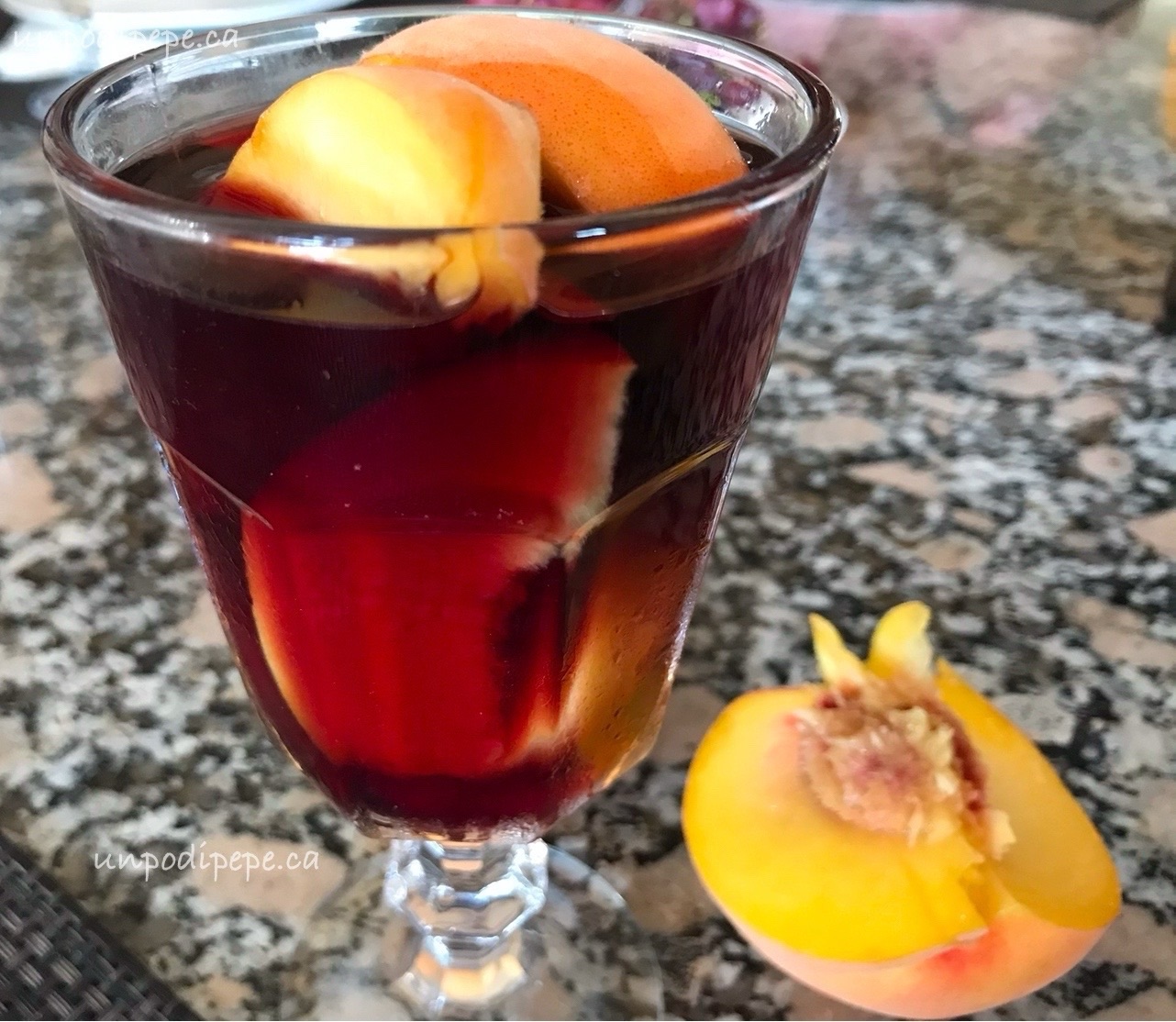
Wine is an integral part of growing up in an italocanadese family and is a staple of every family function. Everyone was allowed to have a bit of vino with dinner – it was exciting and made us feel grown up. Even when we were little … at first with 7-Up, Sprite or Ginger Ale, and eventually straight vino. In the summer, everyone looks forward to la pesca in vino. This involves cutting up a fresh peach, placing the slices in a glass, then filling it with vino. After the wine is consumed, lovely, sweet, wine-saturated peach slices await you for dessert. The peach slices take up most of the space in the glass, so the amount of wine to drink is really very little.

Wine making season is mid- to late-September, right after the pomodori are canned and stored in the cantina. The grapes grown in the back-yard garden are mostly for eating, so wine grapes are purchased from the Okanagan Valley. This is an area with summer weather similar to southern Italia … hot and dry during the day and colder at night. This combination produces the sweetest grapes.

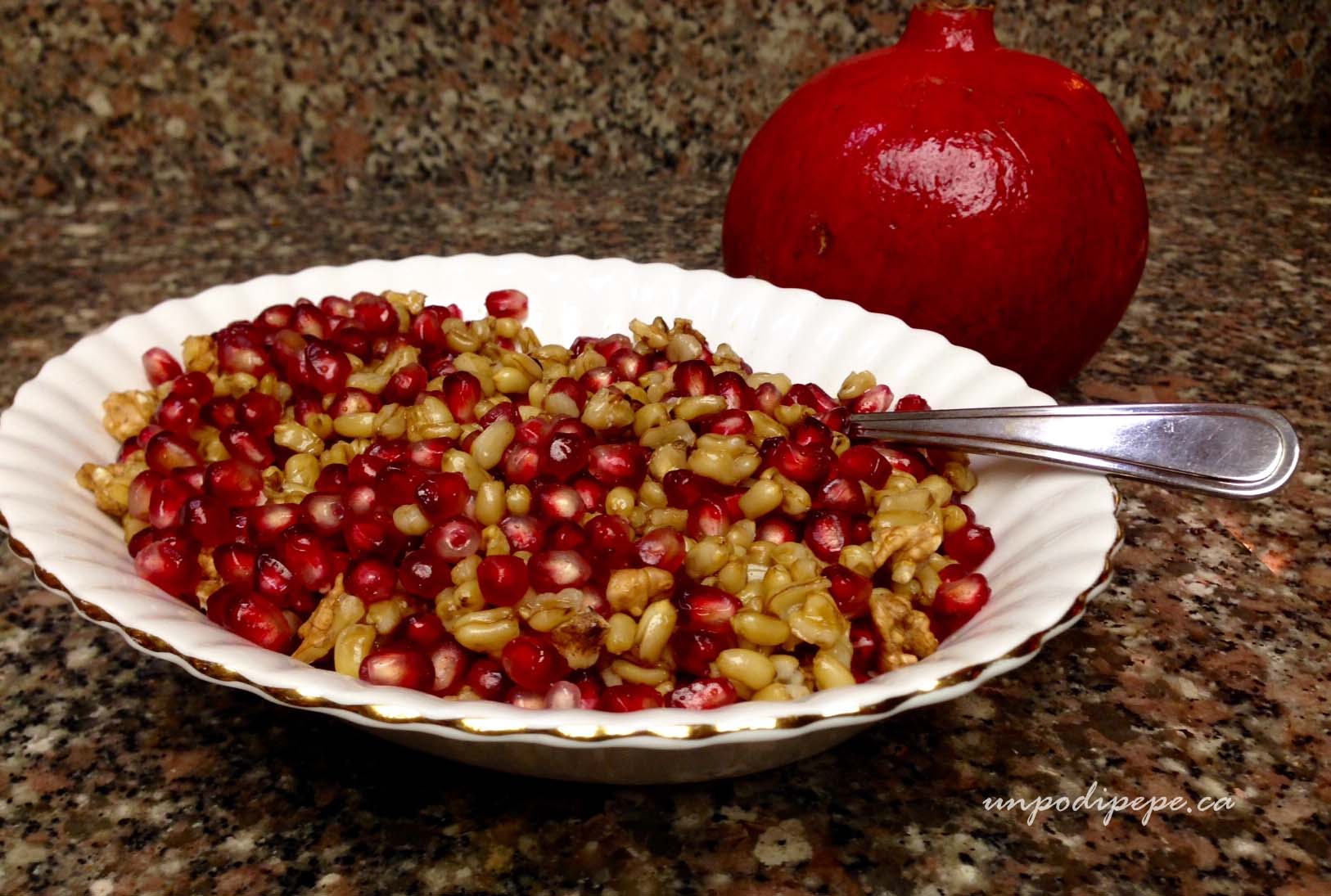
Making vino is a real family affair. When the grapes arrive, everyone who is free lends a hand, even the little ones, the nipotini. We help cart the boxes of grapes from the truck and empty them straight into the hand cranked grape crusher on top of a barrel.  Everything goes in;  skins, seeds and stems. Then we break apart the boxes, or else the wasps soon descend- Vespe know a good thing when they smell it! All month the aroma of fermenting grapes fills the garage!Mamma takes some of the mosto, the wine must, and boils it down like molasses to make vino cotto.  It really should be called mosto cotto, but we have always called it vino cotto. The thick, sweet liquid is poured over boiled wheat berries on November 1st to celebrate Tutti i Santi, All Saints’ Day. This traditional dish, in the local dialect, is called muscitaglia, from the words in Greek and Latin mosto and talia (grain). Walnut pieces and pomegranate seeds are added when available. Vino cotto is also drizzled on cartellate, a traditional Pugliese Christmas treat, and even on snow, like a vino cotto slushie!

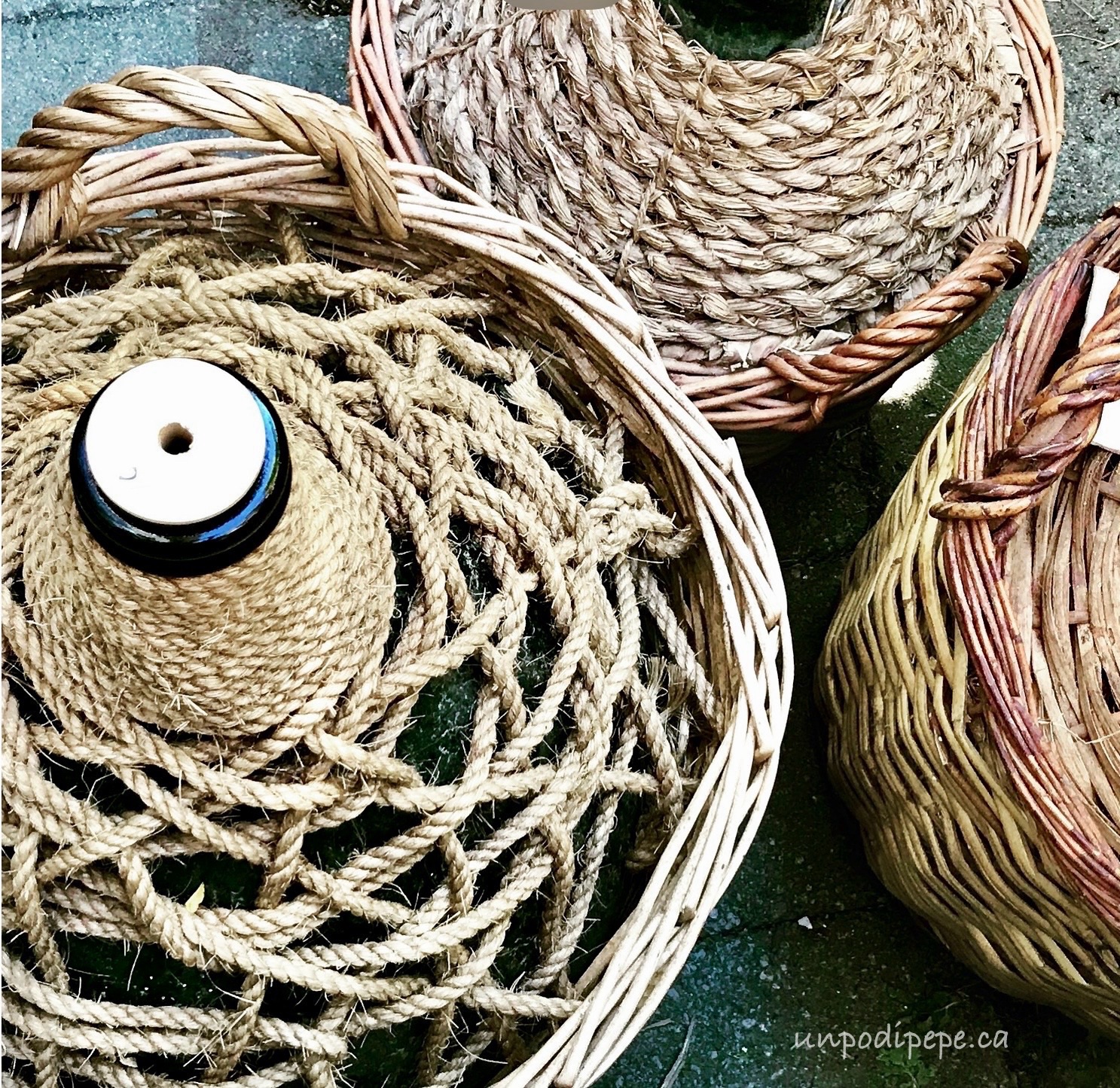
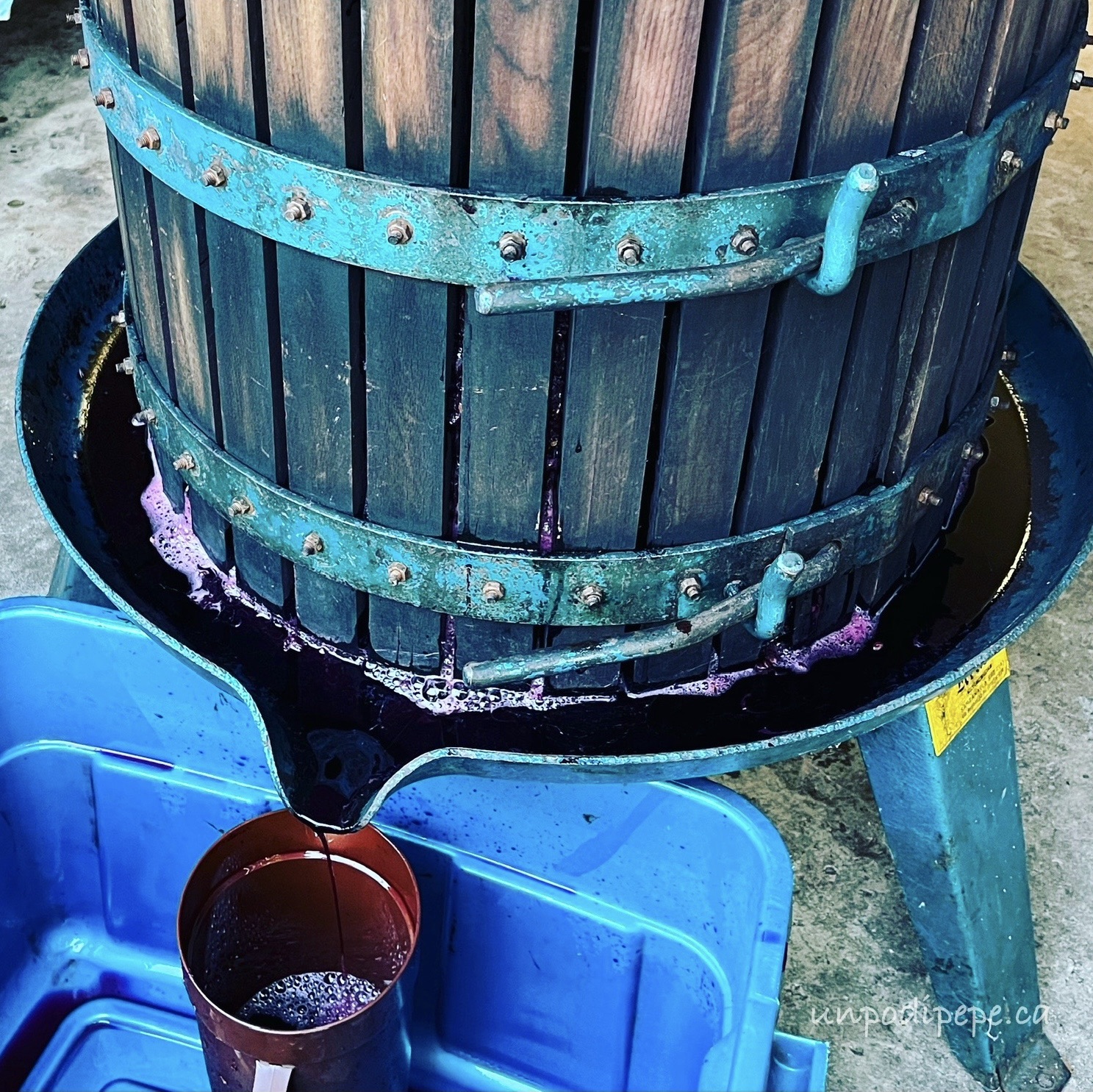
When ready, the fermented grapes are transferred to the old wooden torchio, for pressing. Since there are no preservatives added, our vino is stored in large, bell-shaped, wicker-covered glass damigiane, and siphoned into bottles only as needed. The wine needs to be tramutato a few times. This involves transferring it from one damigiana to another, to remove sediment. Like everything else Papà does, this is done according to the phases of the moon. Vino is tramutato during la luna calante, the waning moon, although the damigiane are still left open to air. On November 11th, the feast day of Saint Martin, the new vino is tasted and then the damigiane are closed until bottling. The old proverbs say “A San Martino, ogni mosto diventa vino” which means “On St Martin’s Day, every must turns into wine”, and ‘A San Martino, si lascia l’acqua e si beve vino’, ‘On Saint Martin’s Day, one abandons water and drinks wine’.

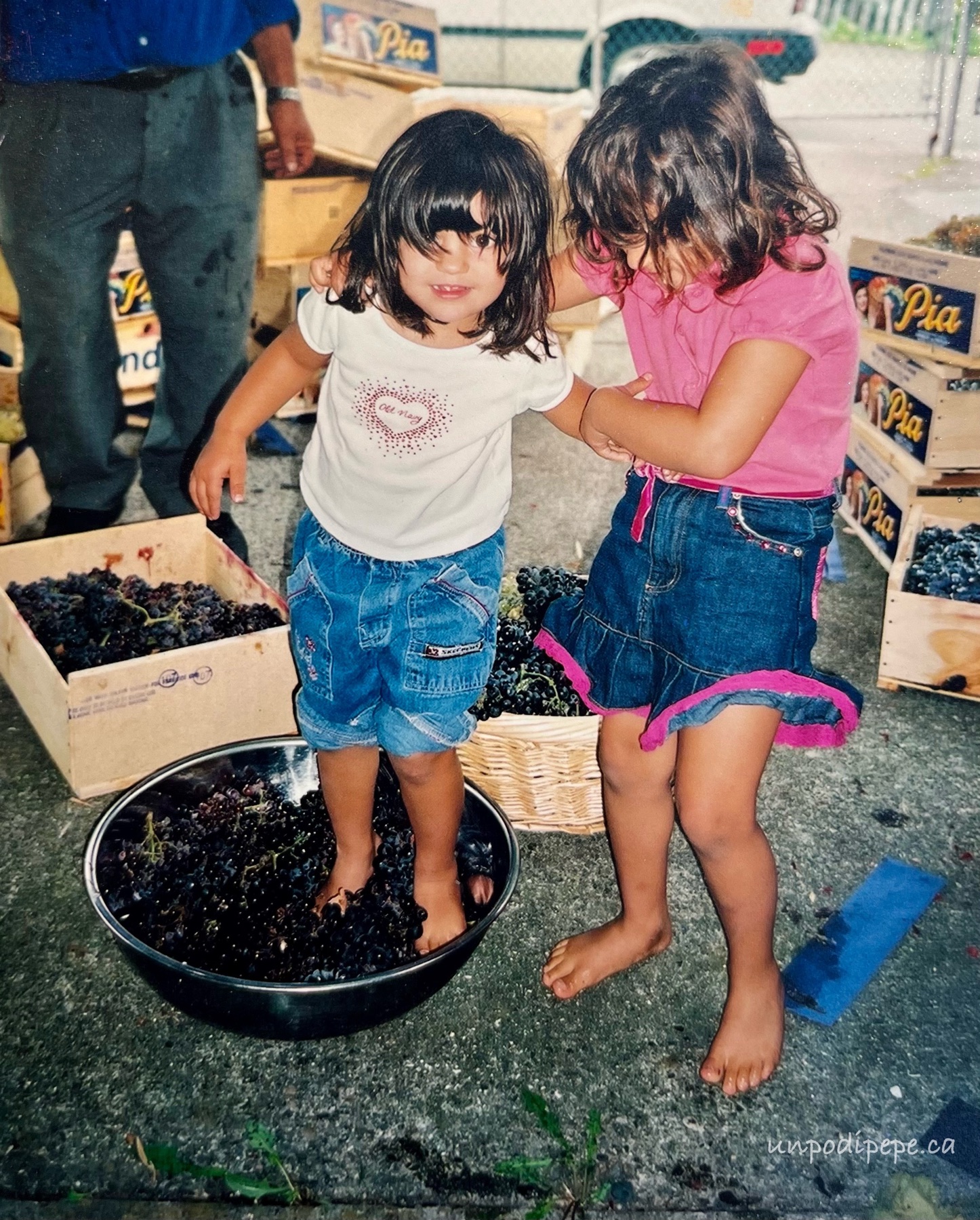
Papà makes the best vino. No sulfites or preservatives, just pure fermented grape juice. It has a full, robust flavour and does not leave you with a headache. Whenever anyone (anyone non-Italian, that is), asks him how he makes such good vino, he always has the same answer. “Ok … I tell you” … then he gets all dramatic… “for 2 weeks … I no wash the feet…” You can see where this is going. It is amazing how many people sit there open-mouthed for a few minutes and actually believe him! That is, until they see the mischievous smirk on his face. Just for fun, all of my nipotini have had photos taken à la “I Love Lucy,” crushing grapes in a half barrel or tub with their bare feet. These grapes are not added to il torchio, even though they did wash their feet. Salute!

         Published in ‘A Literary Harvest:  Canadian Writing about Wine and Other Libations. Editors Licia Canton, Giulia De Gasperi & Decio Cusmano.  Longbridge Books, 2025, p 94-96.

In Italiano:

Nel Vino ci sono Ricordi

Quando guardo dentro un bicchiere di vino, vedo più di una bevanda deliziosa da sorseggiare e gustare. Vedo tradizione e famiglia, e un pezzo del mio patrimonio culturale. Penso al vigneto di mio nonno in Puglia e immagino i miei antenati che coltivano la terra. Immagino anche il viaggio che hanno fatto le uve, provenienti dalla Grecia e dai Balcani millenni fa, poi di nuovo attraverso l’Atlantico fino al Nord America. Viaggi di immigrazione, simili ai nostri.

Il vino è parte integrante della crescita in una famiglia italocanadese ed è un elemento fondamentale di ogni festa familiare. A tutti era permesso bere un po’ di vino a cena: era emozionante e ci faceva sentire grandi. Anche quando eravamo piccoli… all’inizio con 7-Up, Sprite o Ginger Ale, e alla fine vino puro. In estate, tutti aspettano con ansia la pesca in vino. Ciò comporta tagliare una pesca fresca, mettere le fette in un bicchiere, quindi riempirlo di vino. Dopo aver consumato il vino, deliziose, dolci, fette di pesca sature di vino ti aspettano. Le fette di pesca occupano la maggior parte dello spazio nel bicchiere, quindi la quantità di vino da bere è davvero molto ridotta.

La stagione della vinificazione va da metà a fine settembre, subito dopo che i pomodori sono stati inscatolati e conservati in cantina. L’uva coltivata nel orto sul retro è destinata al consumo umano, quindi l’uva da vino viene acquistata nella Okanagan Valley. Questa è una zona con un clima estivo simile a quello dell’Italia meridionale… caldo e secco durante il giorno e più freddo di notte. Questa combinazione produce l’uva più dolce.

La produzione del vino è una vera e propria faccenda di famiglia. Quando arriva l’uva, tutti quelli che sono liberi danno una mano, anche i più piccoli, i nipotini. Aiutiamo a trasportare le casse di uva dal camion e le svuotiamo direttamente nella pigiatrice a manovella in cima a una botte. Ci mettiamo dentro tutto: bucce, semi e raspi. Poi rompiamo le casse, altrimenti le vespe scenderanno presto: le vespe sanno riconoscere una cosa buona quando la sentono! Per tutto il mese l’aroma dell’uva in fermentazione riempie il garage!

Mamma prende un po’ di mosto di vino, e lo fa bollire come la melassa per fare il vino cotto. Dovrebbe chiamarsi mosto cotto, ma noi lo abbiamo sempre chiamato vino cotto. Il liquido denso e dolce viene versato sui chicchi di grano bolliti il ​​1° novembre per celebrare la festa di Tutti i Santi, il giorno di Ognissanti. Questo piatto tradizionale, nel dialetto locale, è chiamato muscitaglia, dalle parole in greco e latino mosto e talia (grano). Pezzi di noce e semi di melograno vengono aggiunti quando disponibili. Il vino cotto viene anche versato sulle cartellate, un dolce natalizio tradizionale pugliese, e anche sulla neve, come un granita di vino cotto!

Quando è pronto, l’uva fermentata viene trasferita nel vecchio torchio di legno, per la pressatura. Poiché non vengono aggiunti conservanti, il nostro vino viene conservato in grandi damigiane di vetro a forma di campana, ricoperte di vimini, e travasato nelle bottiglie solo quando necessario. Il vino deve essere travasato un paio di volte. Ciò comporta il trasferimento da una damigiana all’altra, per rimuovere i sedimenti. Come ogni altra cosa che fa Papà, questo viene fatto in base alle fasi lunari. Il vino viene travasato durante la luna calante, anche se le damigiane vengono comunque lasciate all’aria aperta. L’11 novembre, giorno della festa di San Martino, si assaggia il vino nuovo e poi le damigiane vengono chiuse fino all’imbottigliamento. I vecchi proverbi dicono “A San Martino, ogni mosto diventa vino” e “A San Martino, si lascia l’acqua e si beve vino”.

Papà fa il miglior vino. Niente solfiti o conservanti, solo puro succo d’uva fermentato. Ha un sapore pieno e robusto e non ti lascia il mal di testa. Ogni volta che qualcuno (chiunque non sia italiano, ovviamente) gli chiede come fa a fare un vino così buono, lui ha sempre la stessa risposta. “Ok… ti dico”… poi diventa tutto drammatico… “per due settimane… non si lavano i piedi…” Puoi capire dove vogliamo arrivare. È incredibile quante persone se ne stanno lì a bocca aperta per qualche minuto e ci credono davvero! Cioè, finché non vedono il sorrisetto malizioso sul suo viso. Solo per divertimento, tutti i miei nipotini si sono fatti fotografare alla “I Love Lucy”, mentre schiacciavano l’uva in una mezza botte a piedi nudi. Quest’uva non si aggiunge al torchio, anche se si lavano i piedi. Salute!

Pubblicato in ‘A Literary Harvest: Canadian Writing about Wine and Other Libations. editors Licia Canton, Giulia De Gasperi & Decio Cusmano. Longbridge Books, 2025, p 94-96.

Share this:

  • Click to share on Facebook (Opens in new window) Facebook
  • Click to share on Pinterest (Opens in new window) Pinterest
  • Click to share on X (Opens in new window) X
  • Click to email a link to a friend (Opens in new window) Email
  • Click to share on WhatsApp (Opens in new window) WhatsApp
Like Loading...

Il Pumo Pugliese

25 Sunday Aug 2024

Posted by Un po' di pepe in Bilingual posts, Italian Folklore, Puglia

≈ 7 Comments

Tags

Italian lucky charms, Portafortuna, Pugliese Traditions, Pumo, Pumo Pugliese, Southern Italy

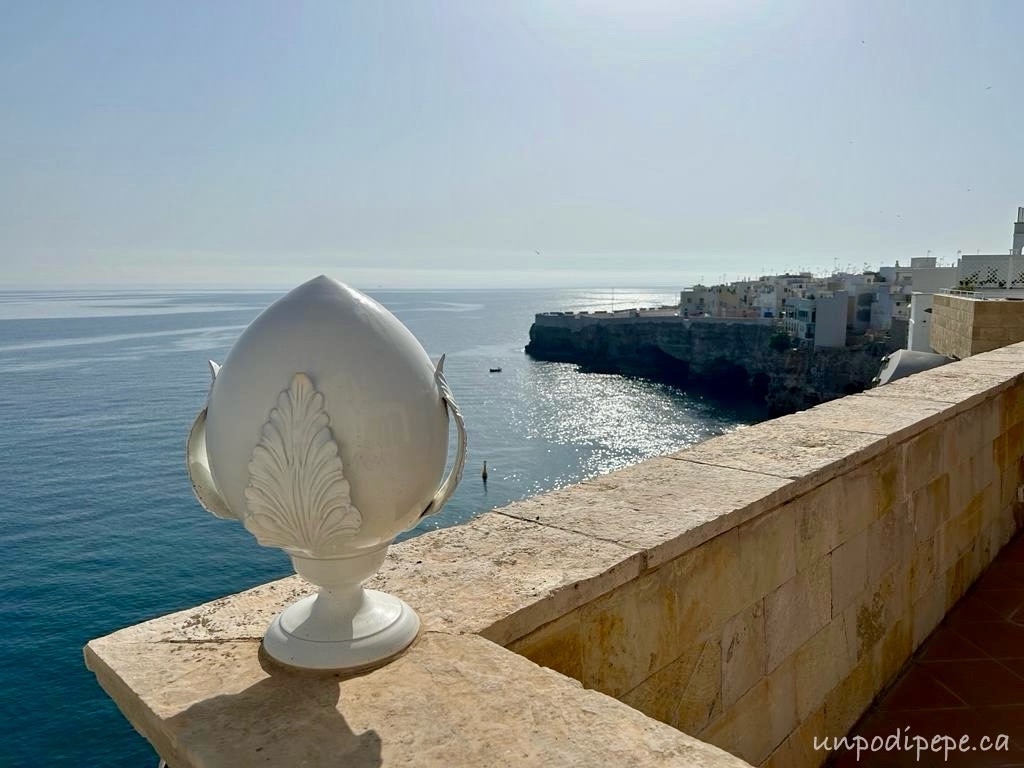
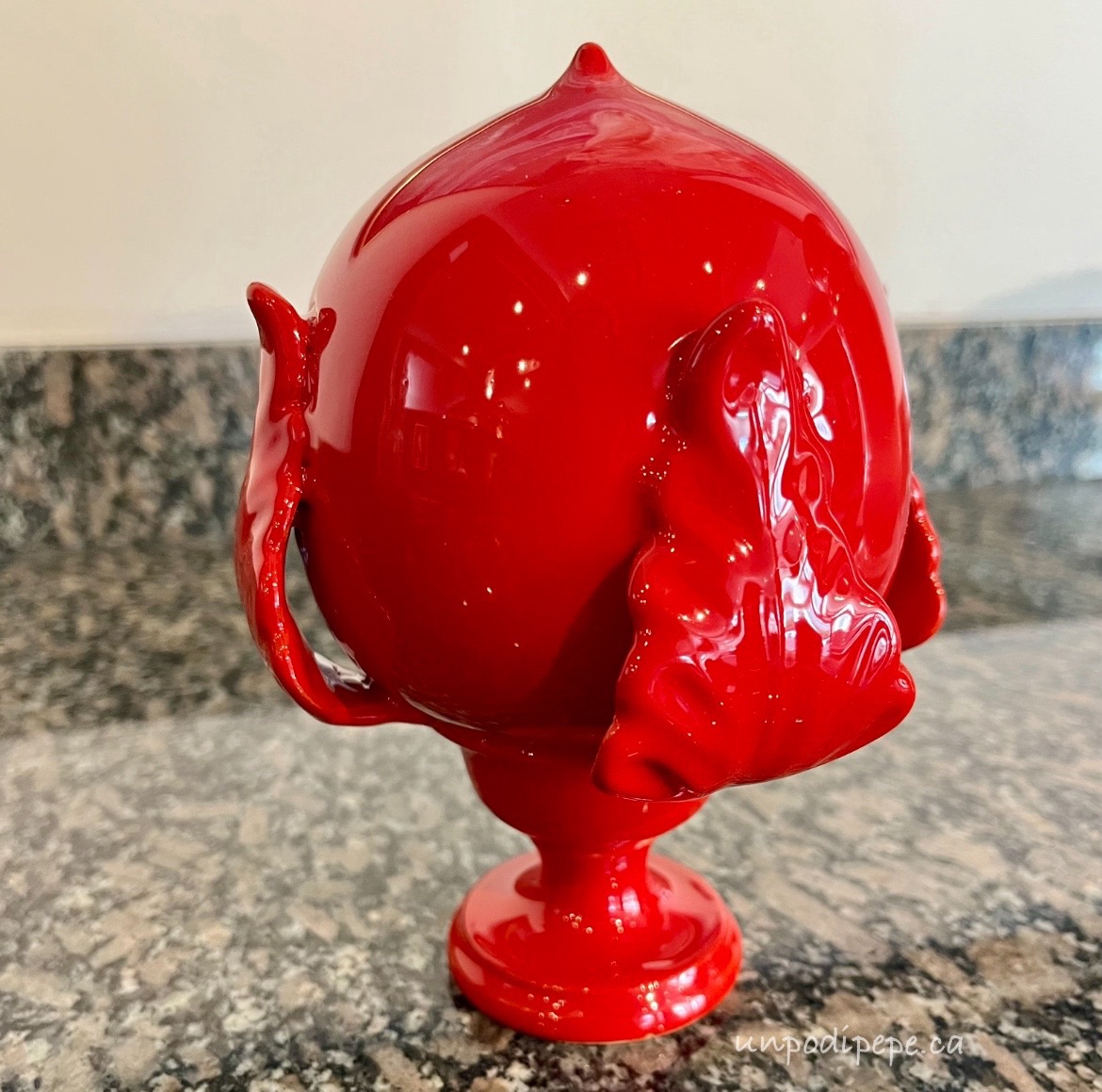
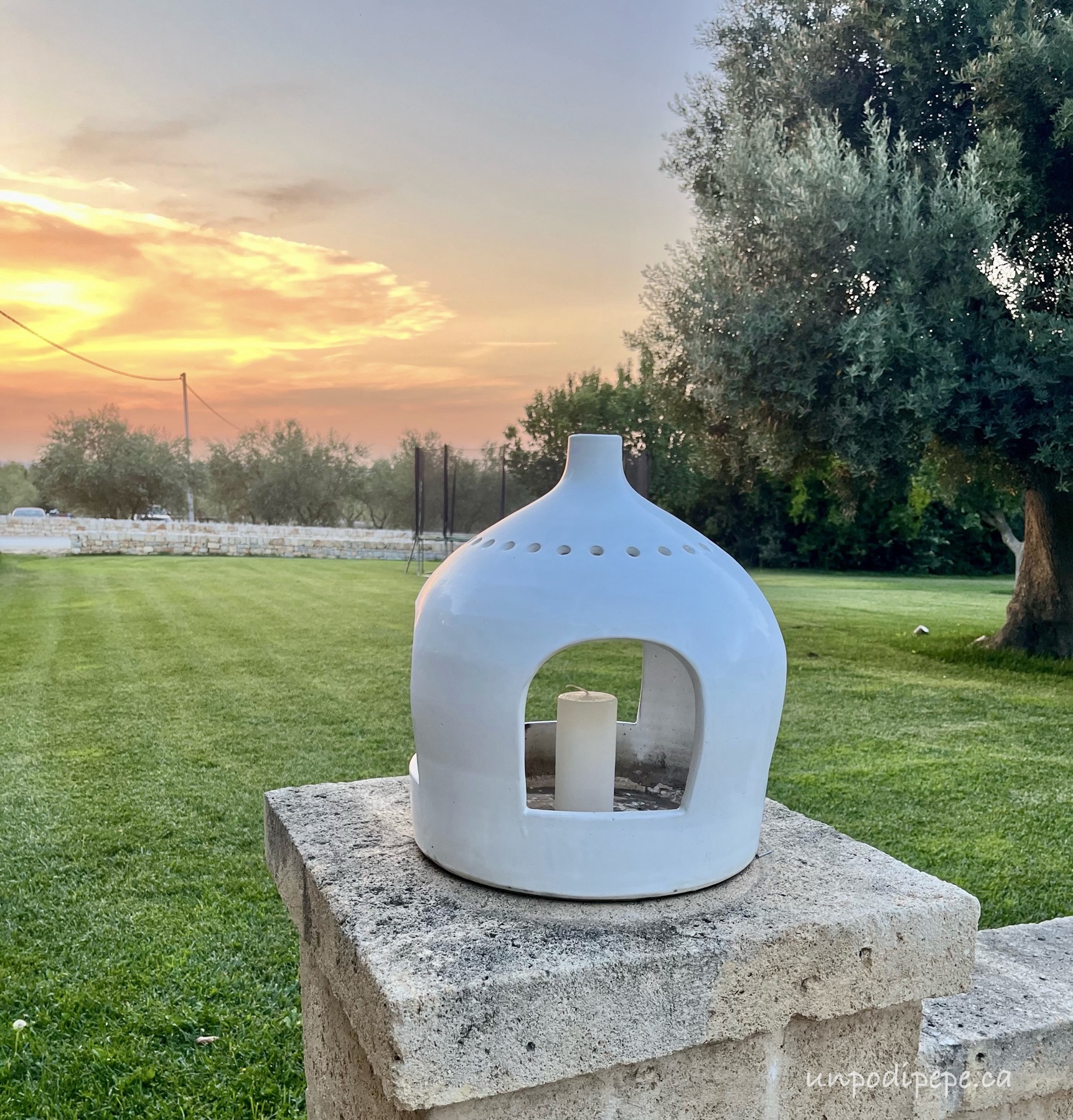
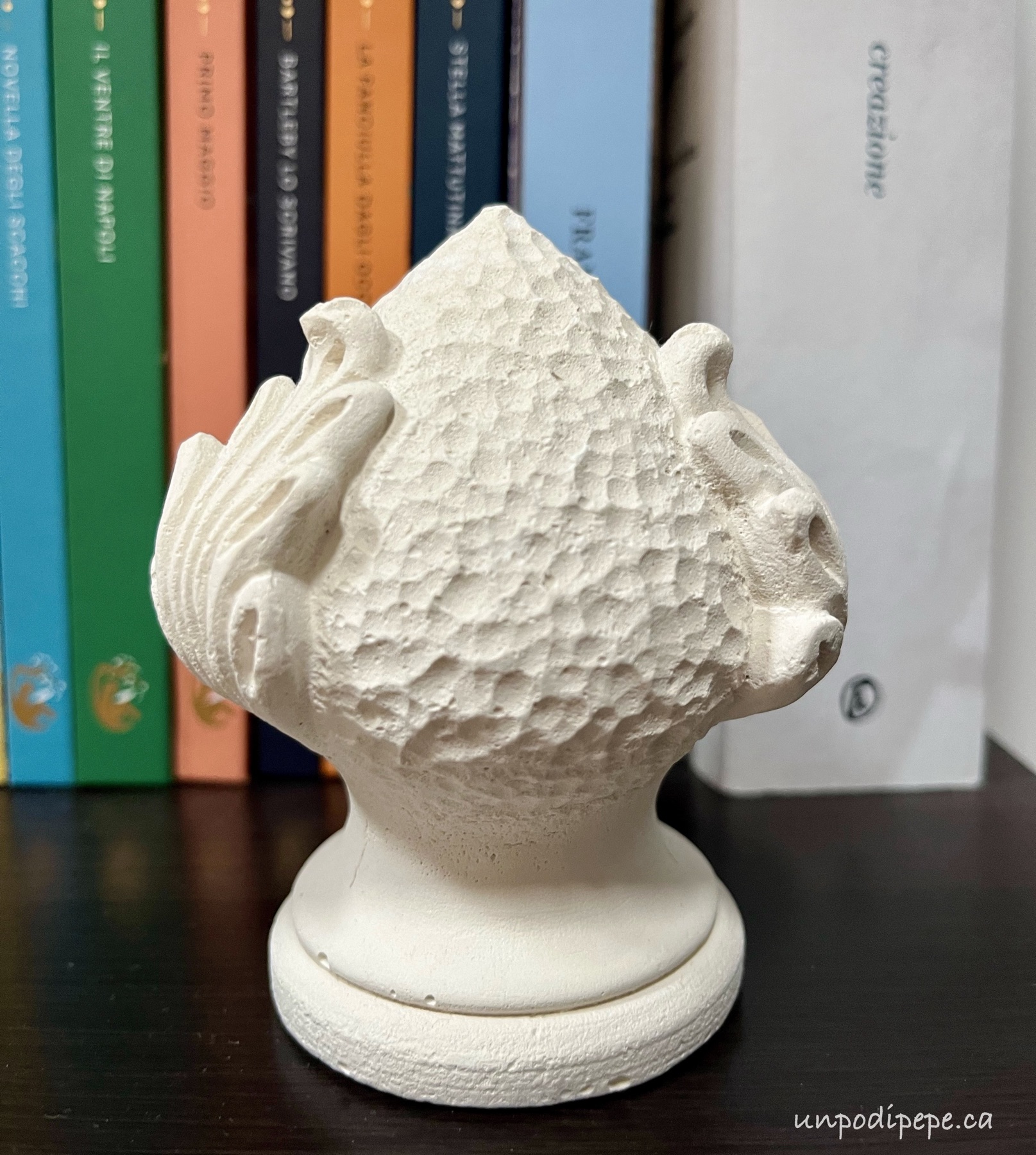
The Pumo is an artisanal decorative ceramic object in the form of a bud just about to flower, enclosed by acanthus leaves. It symbolizes the capacity to regenerate and form new life.  The acanthus leaves, the same ones found on ancient Greek and Roman Corinthian columns, symbolize long life and immortality.  For these reasons the pumo is a traditional Pugliese good luck charm, providing protection and bringing prosperity, happiness, good fortune and fertility.

The name pumo comes from the latin words pomum (fruit) and pumum (pine cone) and is tied to the cult of the goddess Pomona, protector of fruit.

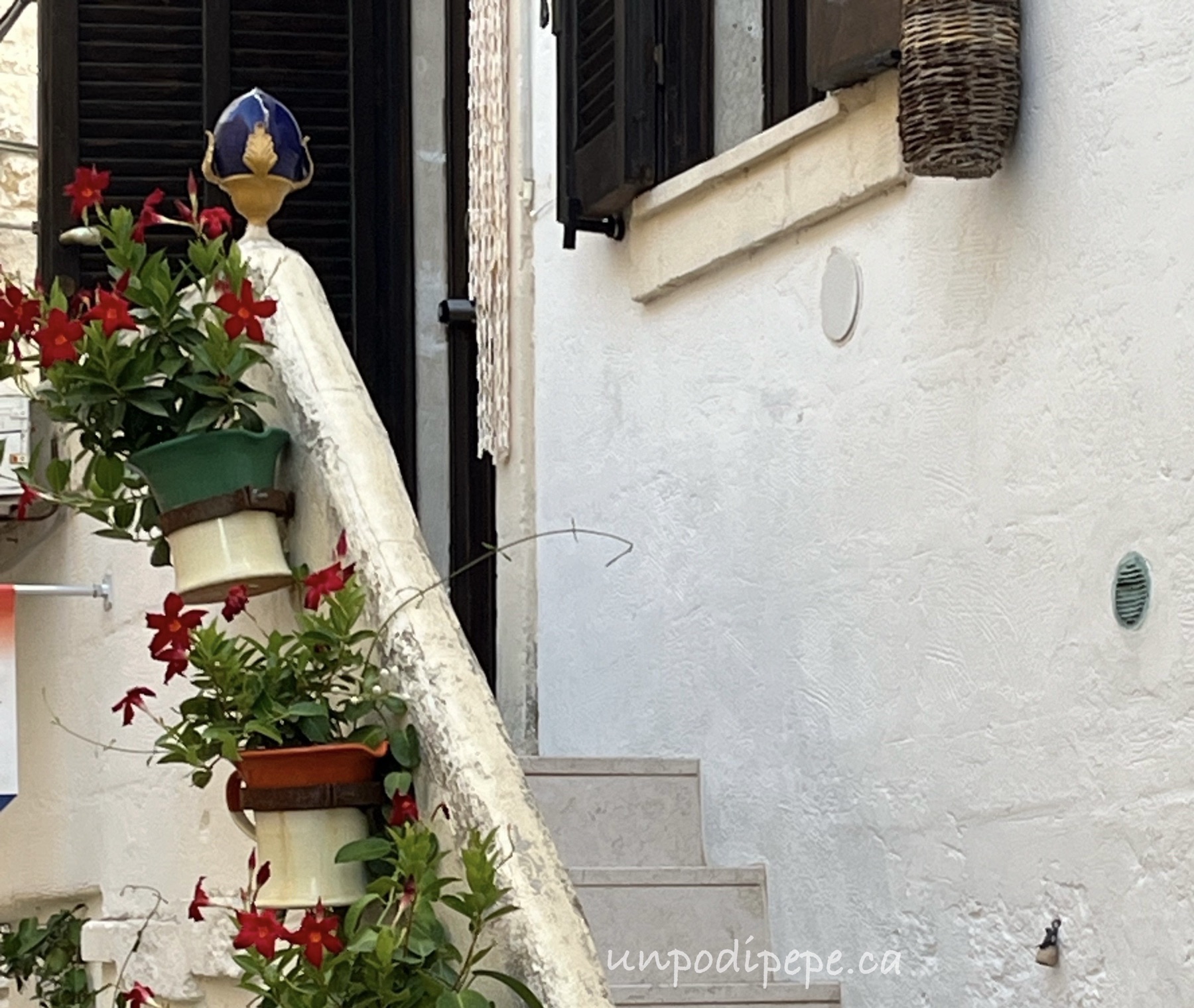
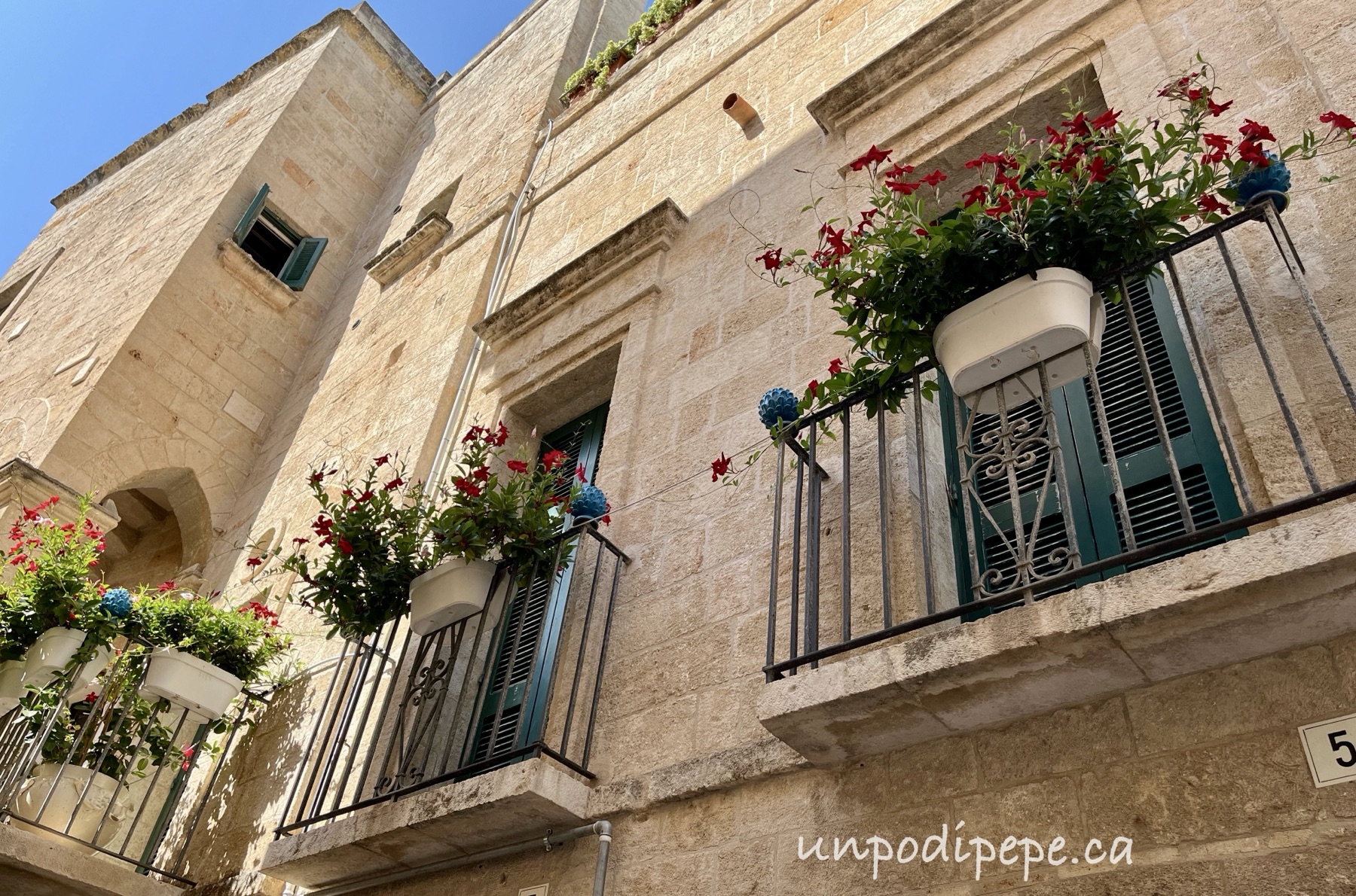
Centuries ago, noble Pugliese families used pumi (plural) as ornaments on building facades, staircases, balconies, and at the foot of the bed of newly married couples. They were also frequently given as wedding gifts.  Pumi were originally only available to wealthy families, since they were the only ones who could afford decorative ceramics.  Today the pumo is an emblem of Puglia and is often used as a piece of jewellery, a bomboniera (wedding favour) or a souvenir from Puglia.   Sometimes they are in the shape of a rose bud or pine cone and can even be room fragrance diffusers, decorative lamps, candleholders or bottles.

In Italiano

Il Pumo è un oggetto decorativo artigianale in ceramica a forma di un bocciolo in procinto di sbocciare, chiuso tra foglie di acanto. Simboleggia la capacità di rigenerarsi e formare nuova vita. Le foglie di acanto, le stesse che si trovano sulle antiche colonne corinzie greche e romane, simboleggiano lunga vita e immortalità. Per queste ragioni il pumo è un portafortuna tradizionale pugliese, che fornisce protezione e porta prosperità, felicità, buona fortuna e fertilità.

Il nome pumo deriva dalle parole latine pomum (frutto) e pumum (pigna) ed è legato al culto della dea Pomona, protettrice della frutta.

Secoli fa, le famiglie nobili pugliesi utilizzavano i pumi come ornamenti sulle facciate degli palazzi, sulle scale, sui angoli delle ringhiere dei balconi e ai piedi del letto delle coppie di novelli sposi. Venivano anche spesso offerti come regali di nozze. I pumi erano originariamente disponibili solo per le famiglie ricche, poiché erano le uniche che potevano permettersi ceramiche decorative.Oggi il pumo è un emblema della Puglia e viene spesso utilizzato come gioiello, bomboniera o souvenir pugliese.  A volte ha la forma di un bocciolo di rosa o di una pigna e può anche essere un diffusore di fragranze per ambienti, una lampada decorativa, un portacandele o una bottiglia.

Buona fortuna, Cristina

Share this:

  • Click to share on Facebook (Opens in new window) Facebook
  • Click to share on Pinterest (Opens in new window) Pinterest
  • Click to share on X (Opens in new window) X
  • Click to email a link to a friend (Opens in new window) Email
  • Click to share on WhatsApp (Opens in new window) WhatsApp
Like Loading...

Writing about Italian Canadian Food Culture

04 Friday Sep 2020

Posted by Un po' di pepe in Bilingual posts, Italocanadesi, Mangiamo!

≈ 12 Comments

Tags

AICW, Culinary Culture, Food writing, Gastronomic history, Grano Arso, Italian Canadian Literature, Italocanadese life

The Italian Cultural Institute of Montreal and the Association of Italian Canadian Writers (AICW), as part of a webinar series dedicated to writing, an experience animated by Italian-Canadian authors, translators, journalists, publishers and bloggers, are pleased to present “Can you smell the garlic? Writing About Italian-Canadian Food Culture”

Tuesday, September 8, 2020 – 5:00 pm EST

Nonna stirs tomato sauce bubbling in a cauldron in the garage, papà proudly pours a glass of his homemade wine, zie gather to make taralli and biscotti in the basement kitchen…

These culinary traditions are a treasure trove of material for the Italian-Canadian writer. How does nostalgia affect the relationship to food and writing about food? Push past the clichés, what complicates the rosy images? Is it more difficult to write in a critical or unsentimental mode about food and Italian-Canadian identity?

Domenico Capilongo, Monica Meneghetti, Cristina Pepe and Jim Zucchero will read mouth-watering prose and poetry and talk about the connections between food and their writing. The webinar will be moderated by former restaurant critic, Francesca M. LoDico. The series is hosted by the Secretary of the AICW Executive, Giulia Verticchio.

Event details & bios: https://iicmontreal.esteri.it/iic_montreal/en/gli_eventi/calendario/2020/09/senti-l-aglio-scrivere-sulla-cultura.html

Italiano: https://iicmontreal.esteri.it/iic_montreal/it/gli_eventi/calendario/2020/09/senti-l-aglio-scrivere-sulla-cultura.html

I will be reading about Grano Arso.  The webinar will be available to view later on the Istituto Italiano di Cultura-Montreal’s website and Facebook page.

In Italiano:
L’Istituto Italiano di Cultura di Montréal e l’Associazione degli Scrittori italo-canadesi (AICW), nell’ambito della serie di webinar dedicata all’opera della scrittura, un’esperienza animata da autori italocanadesi, traduttori, registi, giornalisti, editori, bloggers…, sono lieti di presentare il webinar intitolato “Senti l’aglio? Scrivere sulla cultura culinaria italocanadese”.
Nonna mescola la salsa di pomodoro che ribolle in un calderone nel garage, papà versa orgoglioso un bicchiere del suo vino fatto in casa, le zie si riuniscono per fare taralli e biscotti nella cucina del seminterrato… Queste tradizioni culinarie sono un tesoro di materiale per lo scrittore italo-canadese. In che modo la nostalgia influenza il rapporto con il cibo e la scrittura sul cibo? Superare i cliché, cosa complica le rosee immagini? È più difficile scrivere in modo critico o non sentimentale sul cibo e sull’identità italo-canadese?
Domenico Capilongo, Monica Meneghetti, Cristina Pepe e Jim Zucchero leggeranno brani e poesie da “leccarsi i baffi” e parleranno delle connessioni tra il cibo e la loro scrittura. Il webinar sarà moderato dal già critico di ristoranti, Francesca M. LoDico. La serie è ospitata dalla Segretaria dell’Esecutivo AICW, Giulia Verticchio.
**********
Buon appetito, Cristina

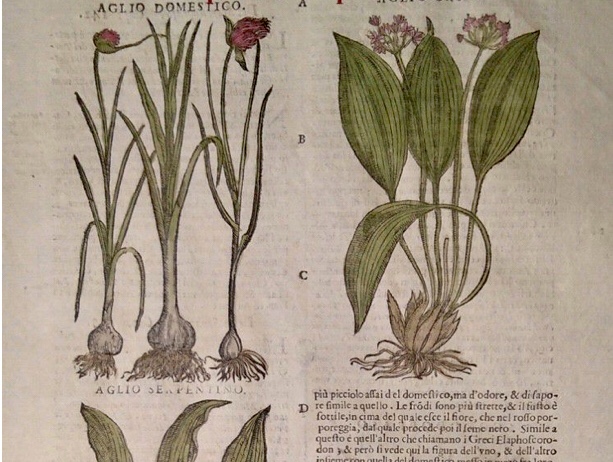
Garlic drawings

Share this:

  • Click to share on Facebook (Opens in new window) Facebook
  • Click to share on Pinterest (Opens in new window) Pinterest
  • Click to share on X (Opens in new window) X
  • Click to email a link to a friend (Opens in new window) Email
  • Click to share on WhatsApp (Opens in new window) WhatsApp
Like Loading...

L’Intervista con Silvia

25 Wednesday Oct 2017

Posted by Un po' di pepe in Bilingual posts, Blogging, Inspiration, Italian language

≈ 17 Comments

Tags

Blog collaboration, Blogging, Silvia Spatafora

One of the greatest things about blogging is virtual ‘meeting’ and collaboration with other bloggers.  Recently, I received a very nice email from fellow blogger Silvia Spatafora, of Il Blog di Silvia Spatafora:

‘Trovo molto interessante la tua storia, il fatto che tu sia nata in Italia ma che ti sia trasferita da piccola in Canada e, soprattutto, la tua passione per l’Italia! Il tuo blog è davvero interessante. Adoro che scrivi un po’ in inglese e un po’ in italiano e sarei curiosa di scoprire di più su di te, il tuo blog e il modo in cui mantieni allenato il tuo italiano. Per questo avevo pensato che sarebbe carino farti un’intervista scritta da pubblicare sul mio blog.’

In inglese:  ‘I find your story very interesting; the fact that you were born in Italia but moved to Canada at a young age, and mostly your passion for Italia.  Your blog is really interesting.  I adore that you write a bit in English and a bit in Italian and I would be curious to discover more about you, your blog and the way you keep up your Italian.  For this reason, I thought it would be cute to do an written interview with you to publish on my blog.’

Silvia was born and went to university in Palermo, and has been living in Madrid since 2010.  Silvia is passionate about teaching Italian! She teaches Italiano per Stranieri/  Italian for Foreigners at several schools in Madrid, as well as privately and also does translation.   She published my intervista on her blog today in both Italiano and inglese.  Read it on Silvia’s blog here. 

Grazie Silvia!


Share this:

  • Click to share on Facebook (Opens in new window) Facebook
  • Click to share on Pinterest (Opens in new window) Pinterest
  • Click to share on X (Opens in new window) X
  • Click to email a link to a friend (Opens in new window) Email
  • Click to share on WhatsApp (Opens in new window) WhatsApp
Like Loading...

Viva La Befana!

06 Friday Jan 2017

Posted by Un po' di pepe in Bilingual posts, Feste, Italian Folklore

≈ 4 Comments

Tags

Befana, Italian Christmas, L'Epifania, La Befana, Natale

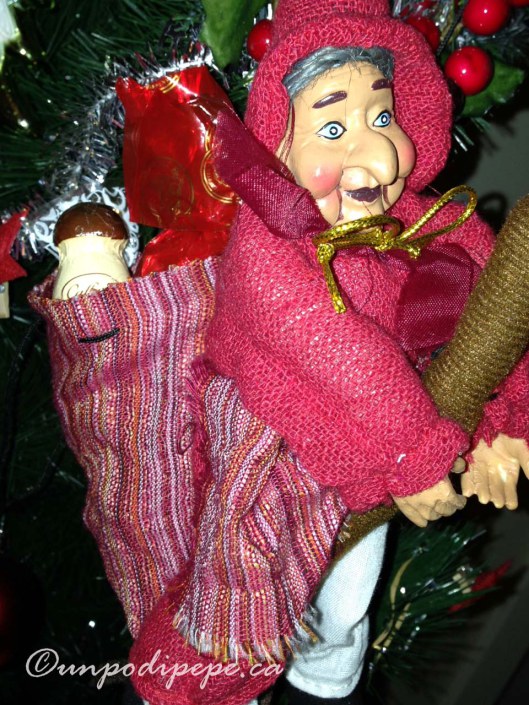
La Befana di AnnaOgni anno, nella notte tra il 5 e 6 di gennaio, volando cavalcando la scopa, La Befana porta regali ai bambini nella speranza che uno di loro sia il Bambino Gesù……

Today is la Festa dell’Epifania in Italia, celebrating the arrival of i Re Magi (the 3 Wise Men) Gasparre, Melchiorre & Baldassarre with their gifts of oro, incenso e mirra (gold, frankincense …

Continue reading original post: La Befana in English and Italiano.  Buona Befana!

Share this:

  • Click to share on Facebook (Opens in new window) Facebook
  • Click to share on Pinterest (Opens in new window) Pinterest
  • Click to share on X (Opens in new window) X
  • Click to email a link to a friend (Opens in new window) Email
  • Click to share on WhatsApp (Opens in new window) WhatsApp
Like Loading...

La Befana

06 Wednesday Jan 2016

Posted by Un po' di pepe in Bilingual posts, Feste, Italian Folklore

≈ 3 Comments

Buona Befana a tutti!

Un po' di pepe's avatarUn po' di pepe

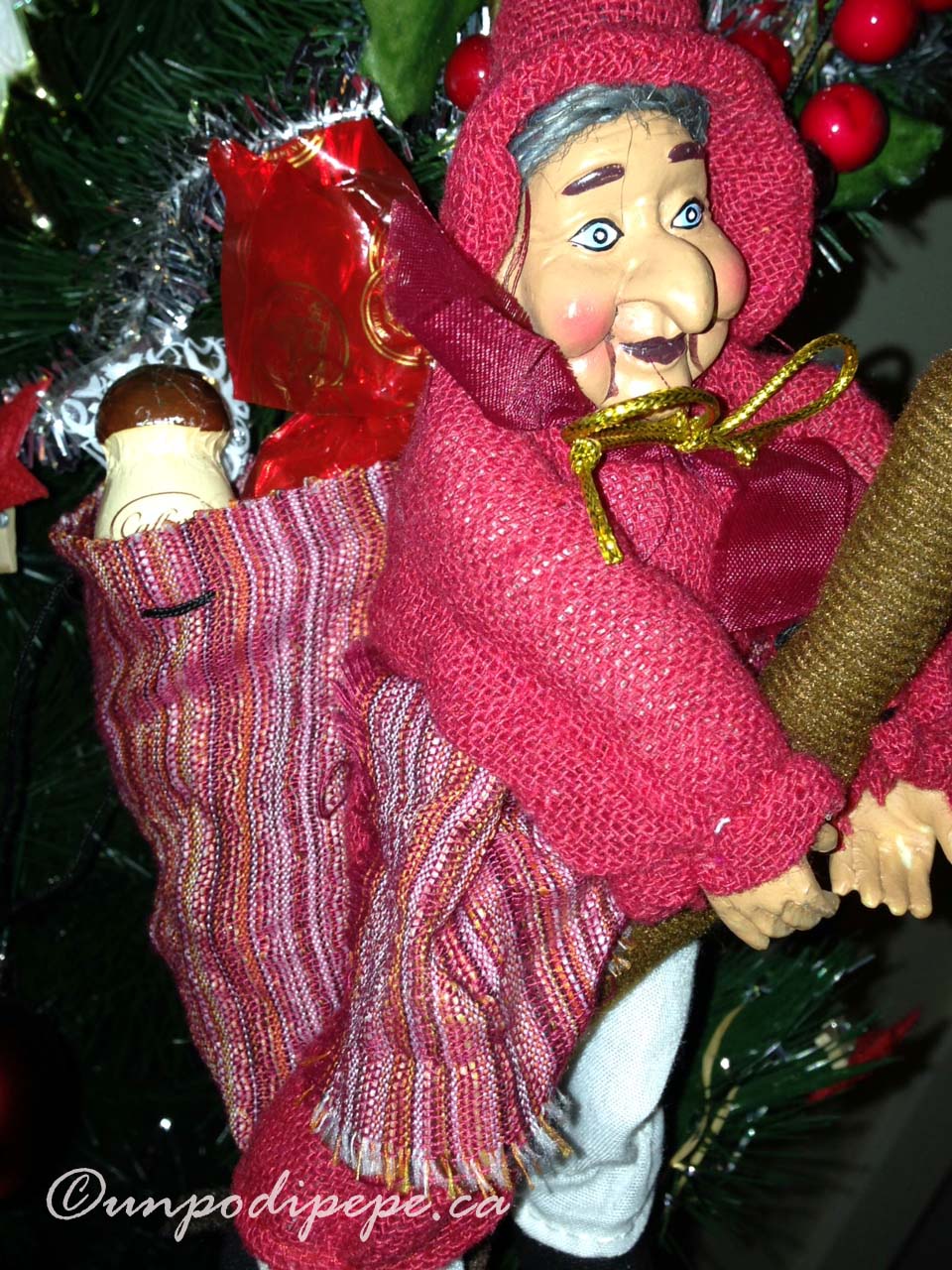
La Befana di Anna La Befana di Anna

Today is la Festa dell’Epifania in Italia, celebrating the arrival of i Re Magi (the 3 Wise Men) Gasparre, Melchiorre & Baldassarre with their gifts of oro, incenso e mirra (gold, frankincense and myrrh) for newborn Bambino Gesù (baby Jesus).

The night between January 5th and 6th is also the 12th night between Christmas and the Epiphany, and marks the end of the Christmas holiday season.  As the proverb says, ‘L’Epifania tutte le feste porta via’.  What does this have to do with La Befana, the ‘Buona Strega’?

La Befana is the traditional ‘gift-bringer’ in Italian folklore. According to legend, which varies from region to region, she is an old woman who prides herself on being a good housekeeper. While she was sweeping, the 3 Wise Men stopped at her house to ask for directions to Bethlehem. She didn’t know the way…

View original post 632 more words

Share this:

  • Click to share on Facebook (Opens in new window) Facebook
  • Click to share on Pinterest (Opens in new window) Pinterest
  • Click to share on X (Opens in new window) X
  • Click to email a link to a friend (Opens in new window) Email
  • Click to share on WhatsApp (Opens in new window) WhatsApp
Like Loading...

Primo ‘Bloghiversario’

24 Friday Apr 2015

Posted by Un po' di pepe in Bilingual posts, Feste, Inspiration

≈ 22 Comments

Tags

Blogging, Writing

Bloghiversario3Ciao Amici!  Oggi facciamo ‘un po’ di festa’ perché è il primo ‘bloghiversario’ di Un po’ di pepe!  Today is a bit of a celebration as it’s Un po’ di pepe’s 1 year ‘bloghiversary’!  Exactly 1 year ago today I finally hit the blue ‘Publish’ button.   The year has gone by so fast.  It seems like just yesterday I was struggling to find a blog name that was available and also relevant and meaningful for me.  I couldn’t believe that ‘Ciao Cristina’ and everything else I could think of was taken. Mannaggia!  The frustration was worth it though, because ‘Un po’ di pepe’ is an awesome blog name.

What has this year been filled with?  27 blog posts, 94 subscribers, 2450 views, an average of 7 visitors per day, and lots and lots of ideas and inspiration.  One of my blogging highlights was when my cugino Biagio told me that he used my 2nd post ‘Il Gigante-Michelangelo’s David’ to teach his class on Renaissance history.  Isn’t that molto cool?

Thank you all so much for reading and for giving me an excuse to write about stuff I love and share my images.  You know….’Devo fare ricerca per il blog'(I need to do research for my blog) is my new reason to do all the things I want to do!  It has been a wonderful experience so far!  Please leave a comment if you have suggestions for posts, or you just want to say ‘ciao’.

Un abbraccio, Cristina

Bloghiversario4

Ciao Amici! Oggi facciamo un po’ di festa perché è il primo ‘bloghiversario’ di ‘Un po’ di pepe’! Non ci posso credere che sia passato già un anno da quando ho premuto ‘Publish’. Sembra solo ieri che mi preoccupavo di trovare un nome per il blog, perché ‘Ciao Cristina’ non era disponibile. Mannaggia! Trovare un nome alternativo è diventanto un vero grattacapo ma quella travagliata ricerca è valsa la pena perché, dopo tutto, trovo che ‘Un po’ di pepe’ sia un nome stupendo per il mio blog.

Di che cosa è stato fatto quest’anno? 27 post, 94 iscritti, 2450 viste, una media di 7 persone al giorno che guardano il blog, moltissime idee e tanta ispirazione. Uno dei momenti più esiliranti per me è stato quando mio cugino Biagio m’ha detto che aveva usato il mio primo post, ‘Il Gigante-Michelangelo’s David’, nell’insegnamento del suo corso di storia rinascimentale. Che figata!

Grazie a tutti per continuare a leggere e per avermi dato una scusa per usare le foto che ho scattato e per scrivere di cose che mi piacciono. Ormai posso usare la scusa ‘devo fare ricerca per il blog’ per tutto quello che voglio fare. Lasciatemi un messaggio se avete delle idee per un post o se volete semplicemente dire ‘ciao’.

Un abbraccio, Cristina

Share this:

  • Click to share on Facebook (Opens in new window) Facebook
  • Click to share on Pinterest (Opens in new window) Pinterest
  • Click to share on X (Opens in new window) X
  • Click to email a link to a friend (Opens in new window) Email
  • Click to share on WhatsApp (Opens in new window) WhatsApp
Like Loading...

La Befana

06 Tuesday Jan 2015

Posted by Un po' di pepe in Bilingual posts, Feste, Italian Folklore

≈ 16 Comments

Tags

Befana, Buona Strega, Italian Christmas, Italian Folklore, L'Epifania, La Befana, Natale

La Befana di Anna La Befana di Anna

Today is la Festa dell’Epifania in Italia, celebrating the arrival of i Re Magi (the 3 Wise Men) Gasparre, Melchiorre & Baldassarre with their gifts of oro, incenso e mirra (gold, frankincense and myrrh) for newborn Bambino Gesù (baby Jesus).

The night between January 5th and 6th is also the 12th night between Christmas and the Epiphany, and marks the end of the Christmas holiday season.  As the proverb says, ‘L’Epifania tutte le feste porta via’.  What does this have to do with La Befana, the ‘Buona Strega’?

La Befana is the traditional ‘gift-bringer’ in Italian folklore. According to legend, which varies from region to region, she is an old woman who prides herself on being a good housekeeper. While she was sweeping, the 3 Wise Men stopped at her house to ask for directions to Bethlehem. She didn’t know the way but they invited her to join them to greet the newborn king and bring him gifts. She was quite abrupt and told them she had housecleaning to do and could not possibly join them.

Once they had left, she realized she had made a very big mistake not going with them.  Befana quickly gathered food and gifts for the newborn King into a sack and uno scialle (a shawl) in case she was cold and set off to join the Wise Men. She even brought her scopa (broom) so she could sweep the floor for Bambino Gesù. Befana searched and searched but could not catch up to the 3 kings. She did not know they had taken a different route home.

To make up for the opportunity she missed, every year on the eve of l’Epifania, Befana flies on her broom delivering small gifts to children, in the hope that one of them is Bambino Gesù. Traditionally she fills calze (socks) with ‘caramelle o carbone’ (candies or coal).  She leaves dolcetti (sweets), fichi secchi, noci, mandarini, cioccolatine (dried figs, nuts, mandarine oranges, little chocolates) and torrone for children who have been nice and leaves carbone (coal), cenere (ashes), cipolle e aglio (onions and garlic) for cattivoni (naughty children). Christmas markets in Italia sell black candy that looks like lumps of coal! A glass of vino and mandarini or biscotti are left on the kitchen table for La Befana and she sweeps the floor before she leaves.  La Befana and her broom also symbolize the old year that is ‘swept away’ after the Christmas festivities.

Her name comes from Epifania which turned into Befania in dialetto and eventually Befana.  ‘Una Befana’ can also mean an ugly old hag. If someone calls you a Befana it is not a compliment-unless they are referring to your gift-giving generosity!

LaBefana

‘La Befana vien di notte

Con le scarpe tutte rotte

S’è scucito la sottana

Viva viva la Befana!

Porta cenere e carboni

Ai bambini cattivoni

Ai bambini belli e buoni

Porta chichi e tanti doni!’

 In Italiano

Oggi è la festa dell’Epifania in Italia. Si ricorda la visita dei tre Re Magi a Betlemme con regali di oro, incenso e mirra per il neonato Bambino Gesù. La notte tra il 5 e il 6 gennaio è anche la dodicesima notte dopo il Natale e la fine delle feste Natalizie. Il proverbio dice ‘L’Epifania tutte le feste porta via’. Ma questo che c’entra con La Befana, la buona strega?

Si dice che La Befana era una vecchietta molto preoccupata con il lavoro di casa. Mentre scopava fuori, i Re Magi hanno chiesto se lei conosceva la strada per andare a Betlemme perchè là era nato il nuovo Re.  La Befana non conosceva la strada.  I Re Magi l’hanno invitata ad andare con loro a portare dei regali al Bambino, ma lei ha detto che aveva troppo lavoro da fare e non era possibile. Dopo che  se n’erano andati, La Befana ha capito che aveva sbagliato e ha deciso di raggiungere i 3 Re per andare a trovare il Bambino Gesù.  Con uno scialle e un sacco con dolcetti e regali sulle spalle se n’è andata.  Ha portata anche la scopa, per pulire il pavimento per il Bambino Gesù.  La Befana ha cercato dappertutto ma i Re Magi erano già troppo lontani.  Allora, ogni anno, nella notte tra il 5 e 6 di gennaio, volando cavalcando la scopa, La Befana porta regali ai bambini nella speranza che uno di loro sia il Bambino Gesù.  Lei reimpie le calze dei bambini con ‘caramelle o carbone’.  Dolcetti per i bambini bravi e cenere e carbone per i cattivoni.  Si lascia un bicchiere di vino e un mandarino o biscotti sul tavolo per La Befana e lei scopa il pavimento prima di andare via.

Buona Befana a tutti! Cristina

Share this:

  • Click to share on Facebook (Opens in new window) Facebook
  • Click to share on Pinterest (Opens in new window) Pinterest
  • Click to share on X (Opens in new window) X
  • Click to email a link to a friend (Opens in new window) Email
  • Click to share on WhatsApp (Opens in new window) WhatsApp
Like Loading...

Perché questo blog? / Why write a blog?

25 Friday Apr 2014

Posted by Un po' di pepe in Bilingual posts, Blogging, Culture, Inspiration

≈ 20 Comments

Tags

Art, Culture, Inspiration, Italy, Zero to hero

Sono contenta che hai trovato il mio blog/ I’m glad you found my blog. Why did I decide to start writing a blog? I’ve been thinking about it for a long time. The biggest reason is creative inspiration and stimulation. I don’t remember when I didn’t have a passion for words and images. I could always be found with my nose in a book, reading, writing, or sketching. This is a place I can combine all of my interests; writing, art, photography, travel, and exploring Italian culture. I can share my photos, images, and all of the half-drafted ideas I have lying around. Whenever I think of something interesting, I scribble notes down on scraps of paper… post-it notes… menus….the computer, and now even on my phone, because ‘one day’ I’ll write an article about it. Well, ‘one day’ isn’t happening. I also have several emails I keep sending over and over to friends who are planning travel to Italy, and this is a better place to share that information. I have a strong belief in maintaining cultural ties, and I travel to Italy every year. I hope to encourage the same in other ‘italocanadesi’ who read my blog and to connect with others who have a passion for art, Italy,and anything else I think is interesting. I hope you learn something new every time you visit, whether it’s about a new place you’d like to visit, discovering a new artwork, learning a few new words in Italian, or maybe you’ll even be inspired to pick up a brush and starting painting yourself! I might write a few of my posts in Italian, but for now, it will be just little snippets. I’ll apologize in advance for any grammatical errors I might make! I don’t like to use online translating because it makes more mistakes than I do! Let me know if you have any suggestions for new posts. You can read more in ‘About me/Chi sono’  and L’Intervista con Silvia. The name ‘Un po’ di pepe’ means ‘a bit of pepper’….because everything can use some spicing up! Iniziamo l’avventura! / Let’s start the adventure!

In Italiano:
Sono contenta che hai trovato il mio blog! Perché ho iniziato a scrivere un blog? Ho vari motivi. È da tanto tempo che ci sto pensando. Mi piace scrivere, e questo è un posto dove posso scrivere di tutte le cose che mi piacciono. Posso usare tutte quelle cose scritta a metà e poi abbandonate, scritte o schizzate su un pezzetto di carta strappata…su un menù….sul computer, e adesso anche sul telefono, perché ‘un giorno’, queste mi serviranno per scrivere un articolo interessante. Nel frattempo, questo ‘un giorno’ sembra non arrivare mai!
Credo molto nel significato di mantenere legami con le miei radici italiane, e vado in Italia tutti gli anni. Spero con il mio blog di incoraggiare lo stesso interesse in altri italocanadesi. Scriveró di tutto quello che mi piace, soprattutto di arte e cultura italiana. Spero che ogni volta che lo visitarete, vi possiate imparare una cosa nuova…che si tratti di scoprire un’opera d’arte nuova, un posto da visitare, di imparare qualche parola nuova in italiano (o per quelli che parlano già l’italiano, di imparare qualche nuova parola in inglese!) o di essere ispirati a prendere un pennello in mano e cominciare un’opera d’arte tutta vostra! Forse scriveró anche delle volte in Italiano, ma per ora saranno piccolo frammenti. Fatemi sapere se avete qualche suggerimento per nuovi post. Chiedo scusa in anticipo per i miei eventuali errori grammaticali! Potete leggere un po’di più in ‘About me/ Chi sono’  o in L’Intervista con Silvia.

Ponte Vecchio, Firenze. Photo Shannon Milar

Ponte Vecchio, Firenze. Photo Shannon Milar

Share this:

  • Click to share on Facebook (Opens in new window) Facebook
  • Click to share on Pinterest (Opens in new window) Pinterest
  • Click to share on X (Opens in new window) X
  • Click to email a link to a friend (Opens in new window) Email
  • Click to share on WhatsApp (Opens in new window) WhatsApp
Like Loading...

Enter your email address to follow 'un po' di pepe' and receive notifications of new posts by email.

Join 511 other subscribers
Follow Un po' di pepe on WordPress.com

Popular Posts

  • Hairstyling in Ancient Roma
    Hairstyling in Ancient Roma
  • Espresso Cookies
    Espresso Cookies
  • Il Pumo Pugliese
    Il Pumo Pugliese
  • Panforte di Siena
    Panforte di Siena
  • Internment of Italian Canadians
    Internment of Italian Canadians
  • San Nicola
    San Nicola
  • Panettone Fatto in Casa
    Panettone Fatto in Casa

Recent Posts

  • Castel del Monte
  • ‘The Nuances of Love’
  • Hostaria Antica Roma~Eat like an Ancient Roman
  • Santa Maria in Aracoeli
  • Casino dell’Aurora~Villa Boncompagni Ludovisi
  • Nasoni di Roma
  • Bloghiversario #11
  • Fontana di Trevi
  • Acqua Vergine
  • Giubileo 2025
  • Sanremo 2025
  • In Vino there are Memories
  • A Literary Harvest
  • 2024~Un po’ di pepe Year in Review
  • Buon Natale 2024
  • Il Bicerin
  • Mercato Porta Palazzo
  • Torino
  • Catanzaro, Calabria
  • Il Pumo Pugliese
  • Artemisia Gentileschi
  • Cavalli di San Marco
  • Panzerotti
  • Torcello
  • 10 years of Un po’ di pepe!

Categories

Amici e Famiglia Architecture Art Art history Art projects Bilingual posts Blogging Canada Culture Feste Firenze Inspiration Italia Italian Folklore Italian language Italian life Italocanadesi Libri Mangiamo! Orsara di Puglia Parole piacevoli Photography Puglia Recipes Roma Travel Travel tips Uncategorized Vino

Archives

Un po’ di pepe on Facebook

Un po’ di pepe on Facebook

Start a Blog at WordPress.com.

  • Subscribe Subscribed
    • Un po' di pepe
    • Join 511 other subscribers
    • Already have a WordPress.com account? Log in now.
    • Un po' di pepe
    • Subscribe Subscribed
    • Sign up
    • Log in
    • Report this content
    • View site in Reader
    • Manage subscriptions
    • Collapse this bar
 

Loading Comments...
 

    %d